Cost of Living in Matsumoto
Where this figure comes from. No cost survey covers Matsumoto, so the $1,400 a month above is our own estimate rather than a measurement. On 416 of our 999 city guides the figure is built from a published Numbeo basket, a one-bedroom rent in the centre plus one person's monthly costs without rent, converted to USD; this city is not one of them. How we source everything.
Matsumoto is comfortably affordable by Japanese standards, sitting well below Tokyo or Osaka while offering the same clean, reliable infrastructure. A single nomad can expect to spend roughly $1,200 to $1,700 a month, with rent the biggest variable. A modest one-bedroom flat near the centre or a share-house room keeps costs low, while everyday life is easy on the wallet: convenience-store meals, cheap set lunches, and excellent tap water. Utilities rise in winter because of heating, and a mobile data plan is inexpensive. These are editorial estimates rather than surveyed figures, but the takeaway is clear: a calm mountain city that stretches a remote income further than most of Japan.
- Rent for a small central flat or share-house room is the largest monthly cost, especially near the station.
- Set lunches and convenience-store meals keep food spending modest, with occasional splurges on local soba and wasabi dishes.
- Winter heating pushes utility bills higher from December through March.
- Cheap mobile data and inexpensive local trains and buses round out a low overall budget.
Where to Work in Matsumoto
Matsumoto has strong, dependable internet, so most nomads work from their flat or a quiet cafe. The city is not a coworking hotspot, but a handful of independent cafes around Nakamachi and Nawate offer good seating, decent coffee, and calm surroundings ideal for focused sessions. The area near Matsumoto Station has chain cafes and workable corners, while the public library and civic buildings provide free, silent space for deep work. English signage is limited, so a translation app helps when ordering or asking about power sockets and time limits. For calls, a home base is safest, given that many small cafes are quiet and intimate. Fibre connections are widespread and stable across the centre.
Getting Around Matsumoto
Matsumoto is compact and walkable, and the historic core around the castle, Nakamachi, and Nawate is best explored on foot. A bicycle is the local favourite, flat streets and short distances make cycling quick and pleasant outside the snowy months. The Matsumoto Dentetsu line and local buses cover longer hops, and the central station links you to the wider region. For the mountains, seasonal buses run to Kamikochi, Norikura, and Utsukushigahara, since private cars are restricted in some highland areas. Taxis exist but are rarely needed in the centre. Overall, you can live here comfortably without a car, relying on your own two feet, a bike, and the occasional train or bus. The alpine valley beneath the Hotaka peaks, at around 1,500 m and inside Matsumoto's own boundary, has been closed to private cars since 1994, so even drivers finish the trip by shuttle bus or taxi from the Sawando car park. From the station the train-and-bus combination takes about an hour and fifty minutes, and the valley is open only from mid-April to mid-November, which sets the calendar for anyone choosing this city for the mountains. Yarigatake and the Hotaka peaks are multi-day hut-to-hut walks from there rather than day hikes.
Sorting transport? Book an airport transfer, or compare car rental on Auto Europe and QEEQ.
Visas for Matsumoto
Japan grants visa-free short stays to passport holders from many countries, typically allowing tourism and light remote work for up to ninety days, though rules vary by nationality. In 2024 Japan launched a digital nomad visa for eligible nationalities, letting qualifying remote workers stay up to six months, subject to income thresholds and private health insurance requirements. Matsumoto itself imposes no special local rules, you follow national immigration policy. For longer stays, other routes exist through work or study sponsorship. Keep documentation of your income and cover ready. Matsumoto has no immigration office of its own: extensions and changes of status for the whole prefecture go through the Nagano branch office in Nagano city, open on weekdays from nine to four. Anyone who does arrive on a residence status registers their address at Matsumoto city hall within fourteen days of moving in, and the address printed on the back of the residence card is what banks ask to see.
Best Time to Visit Matsumoto
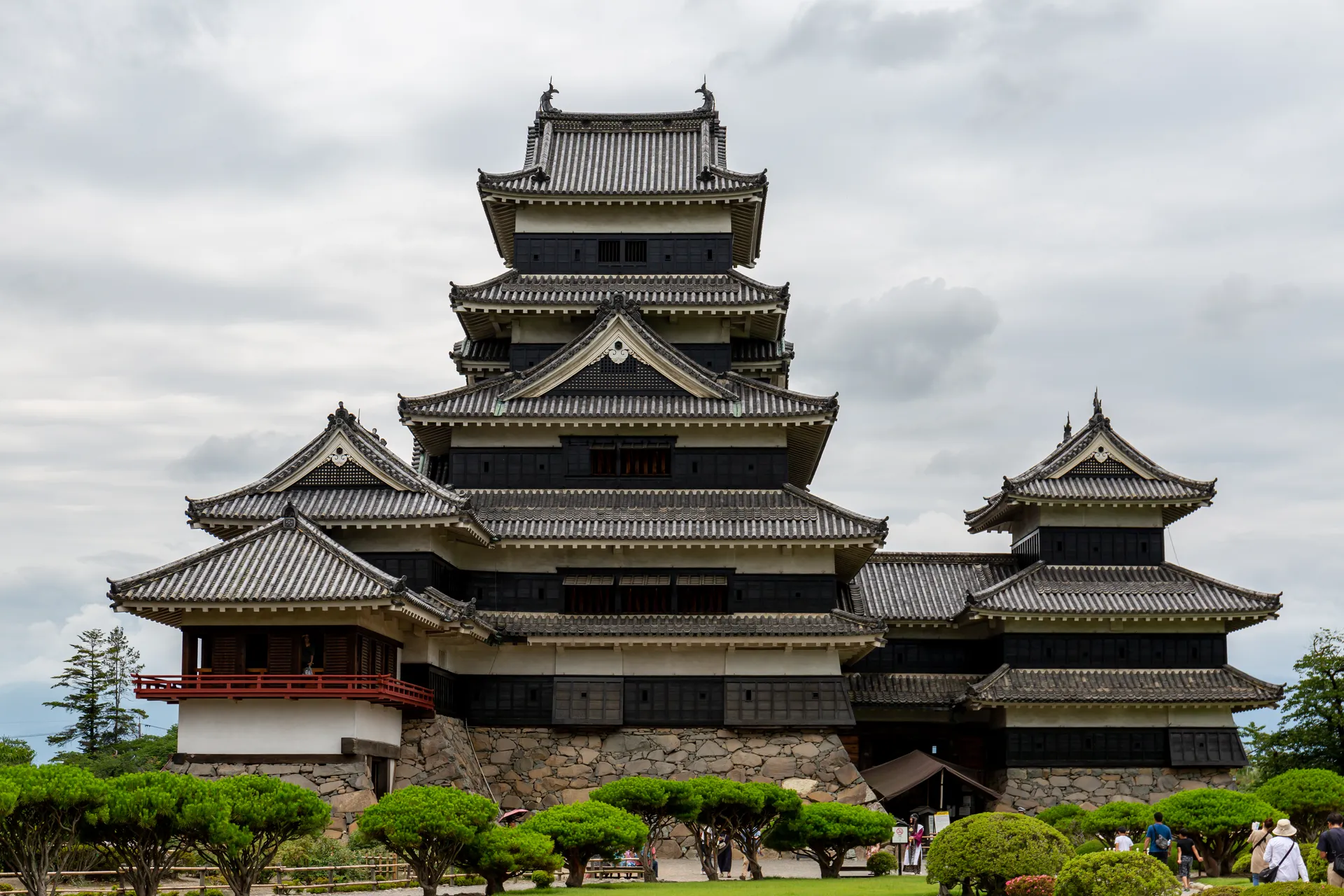
Matsumoto sits at altitude in the Northern Japan Alps, giving it a crisp highland climate with four distinct seasons. Late spring, roughly April into early June, brings cherry blossom around Matsumoto-jo and mild, comfortable days. Summer is pleasant and noticeably cooler than Japan's humid lowlands, making it prime season for hiking Kamikochi and the high plateaus. Autumn delivers striking mountain colour through October and November. Winter is cold and snowy from December to February, atmospheric against the castle's black walls but demanding warm clothing and good heating. If you want to combine remote work with the highlands and the alpine resorts, the stretch from May to October offers the easiest, most rewarding conditions. The basin is drier than much of Japan, with about 1,045 mm of rain a year, roughly two thirds of Tokyo's total, so wet days come round less often than on the coasts. January averages just below freezing, which makes insulation and heating worth asking about before signing any lease.
Pros and Cons of Matsumoto
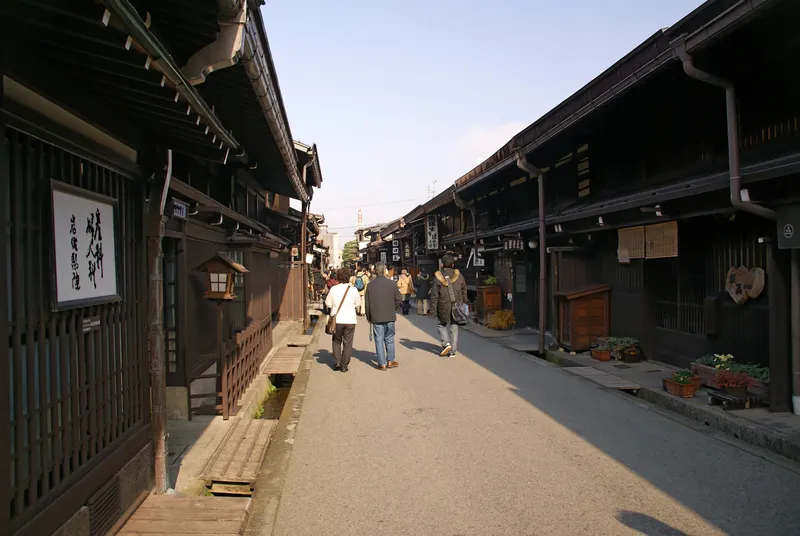
Matsumoto rewards nomads who value calm, safety, and nature over buzz. It is exceptionally clean and secure, blessed with fast internet, gorgeous mountain access, and a rich castle-town heritage in the preserved Nakamachi and Nawate streets. The pace is gentle and the air is fresh at altitude. The trade-offs are real: limited English can make daily errands and admin harder, the nomad community is small and dispersed, nightlife is modest, and winters are genuinely cold and snowy. Trains to Tokyo take around two and a half hours, so you are close enough for trips but not in the thick of the action. Weigh quiet quality of life against social energy. Summer brings a rare thing for a regional city in the Seiji Ozawa Matsumoto Festival, the orchestral festival built around the late conductor's Saito Kinen Orchestra, which fills August with concerts and opera. The catch on the other side is the long way in from abroad, since the city's small airport runs only a handful of domestic routes and long-haul arrivals come through the capital or Nagoya.
- Pros: very safe and spotlessly clean, fast reliable internet, superb access to the Japan Alps and highland resorts, beautiful castle-town heritage, fresh highland air, affordable for Japan.
- Cons: limited English, small and scattered nomad community, modest nightlife, cold snowy winters, and a couple of hours from Tokyo rather than on its doorstep.
Who Matsumoto Is For
Matsumoto suits the nomad who wants a peaceful, high-quality base rather than a party scene or a big expat crowd. It is ideal for outdoor lovers, hikers, and skiers drawn to the Northern Japan Alps, for culture seekers who appreciate one of Japan's oldest original castles and its old merchant streets, and for focused workers who thrive on quiet and clean living. It rewards self-sufficient travellers comfortable navigating limited English with a translation app. It is less suited to those who need constant social buzz, a dense coworking scene, or nightlife. If you crave calm, safety, nature, and authentic Japanese atmosphere, Matsumoto delivers in abundance. Anyone drawn to history gets the real thing rather than a rebuild: the black keep is one of only twelve original castle keeps left in Japan and a National Treasure, and it survives because Ichikawa Ryozo and other residents campaigned to save it after the Meiji orders of 1872 condemned feudal castles. The Kaichi School of 1876, a short walk north and one of the first modern schools in the country, completes the picture.