Cost of Living in Nikko
Where this figure comes from. No cost survey covers Nikko, so the $1,300 a month above is our own estimate rather than a measurement. On 416 of our 999 city guides the figure is built from a published Numbeo basket, a one-bedroom rent in the centre plus one person's monthly costs without rent, converted to USD; this city is not one of them. How we source everything.
Nikko is a small mountain town, so your money tends to stretch a little further than in central Tokyo, though rural Japan is rarely truly cheap. A modest monthly budget of roughly $1,100 to $1,600 covers a simple apartment or long-stay guesthouse room, groceries, local transport and the odd meal out. Rent is the main variable, and options are limited, so booking ahead matters. Onsen visits, temple entry fees and day trips into the national park add up if you go often. These figures are editorial estimates rather than surveyed averages, and they shift with the season, especially during the busy autumn colours. The onsen is where a budget here quietly differs from a city one. Public baths cost a few hundred yen and most long-stayers go several times a week, which is cheap, pleasant and the main social activity in a town this size. Wash thoroughly before getting in, and know that many establishments still refuse entry to anyone with visible tattoos, which catches foreigners out regularly; some now offer a cover patch or a private bath. Beyond that, the shrine complex charges separately for several of its main buildings, so a week of sightseeing costs more than the headline ticket suggests.
- Simple long-stay room or small flat: roughly $500 to $800 a month
- Groceries and cooking at home: roughly $250 to $400 a month
- Casual meals out and cafe stops: roughly $8 to $18 each
- Local buses, onsen entry and temple fees: a modest weekly extra
Where to Work in Nikko
Nikko is not a coworking hub, so plan to build your own routine. Most long-stay guesthouses and hotels offer reliable fibre or fast mobile internet, which makes a private room your most dependable desk. A handful of cafes near Nikko and Tobu-Nikko stations serve coffee and light food, though seating is limited and hours are short, so they suit a change of scene rather than a full day. Pocket Wi-Fi or a local eSIM gives you a solid backup on the go. For calls, a quiet room beats the cafes. If you need a true coworking floor or a large community, nearby Utsunomiya is the closer city option. The altitude and the forest do something to a working week that is hard to convey. The town sits well above the plain, the summer is genuinely cool when the cities below are unbearable, and the cedar avenue and the river mean the noise floor is close to zero. People come up from the capital in August for exactly this. The corresponding fact is winter: snow closes the mountain road above the town for months, the higher services scale back, and the days are short and grey, so try one cold season here before you commit to a year of them.
Getting Around Nikko
Nikko is compact and walkable around the station and shrine district, and the towering cedar avenues make even the walk to Toshogu a pleasure. The Tobu and JR lines link the town centre to Tokyo in around two hours, with the Tobu limited express being the smoothest route. Local buses run from the stations up toward Lake Chuzenji, Kegon Falls and Yumoto, climbing the famous hairpin bends of the Irohazaka road. A day or multi-day bus pass is worth it if you explore the highlands. You rarely need a car, though one adds freedom for far-flung trailheads. Winter roads can be snowy, so check conditions. A ticketing detail saves real money. The private railway sells a combined pass covering the return from the capital and the local buses up into the highlands, and it costs less than buying the legs separately, which almost nobody realises until the second trip. The hairpin road up to the lake runs one way in each direction on separate routes, so the drive up and the drive down are different roads with different views. And note that the buses to the highlands stop running earlier than the daylight suggests in autumn, which strands people at the falls.
Sorting transport? Book an airport transfer, or compare car rental on Auto Europe and QEEQ.
Visas for Nikko
Nikko follows Japan's national rules, since visa policy is set countrywide rather than locally. Many nationalities receive visa-free short stays of up to 90 days for tourism, which suits a scenic trial run. In 2024 Japan introduced a digital nomad visa allowing eligible remote workers from certain countries to stay for up to six months, subject to income and private health insurance requirements. Longer stays generally need a work, student or spouse visa arranged in advance. Keep proof of onward plans handy. Something specific to a national park town rather than to the country: much of the land around here is protected, which affects what a longer stay can involve. Drones need permission, camping is restricted to designated sites, and the trails have seasonal closures that are enforced rather than advisory. None of that touches a visa, but all of it touches the reason most people come. On the paperwork, anyone who does end up on a residence status will find a small town hall processes in an afternoon what a city office takes weeks over, which is a real and underrated advantage of being somewhere like this.
Best Time to Visit Nikko
Autumn is Nikko's showpiece, when the maples around Lake Chuzenji and Kegon Falls turn fiery red and gold, usually from mid October into November. Expect crowds and higher prices then, so book early. Late spring and early summer bring fresh greenery, milder days and fewer visitors, a lovely window for slow work and hiking. Summer stays cooler than the lowlands, which draws heat-weary city dwellers. Winter is cold and snowy, quiet and atmospheric, with steaming onsen and frost-framed shrines, though some higher trails and services scale back. For a balance of good weather and calm, aim for early autumn or late spring. Be specific about the autumn, because the window is short and the crowds are extreme. The colour moves down the mountain over about three weeks, reaching the lake first and the town a fortnight later, so the best day depends on elevation rather than on the calendar and local forecasts track it daily. On the peak weekends the road up the hairpins jams for hours and the buses fill at the terminus, which means an early start or no start. Go midweek. In winter the frozen falls above the lake are the compensation, and almost nobody is there.
Pros and Cons of Nikko
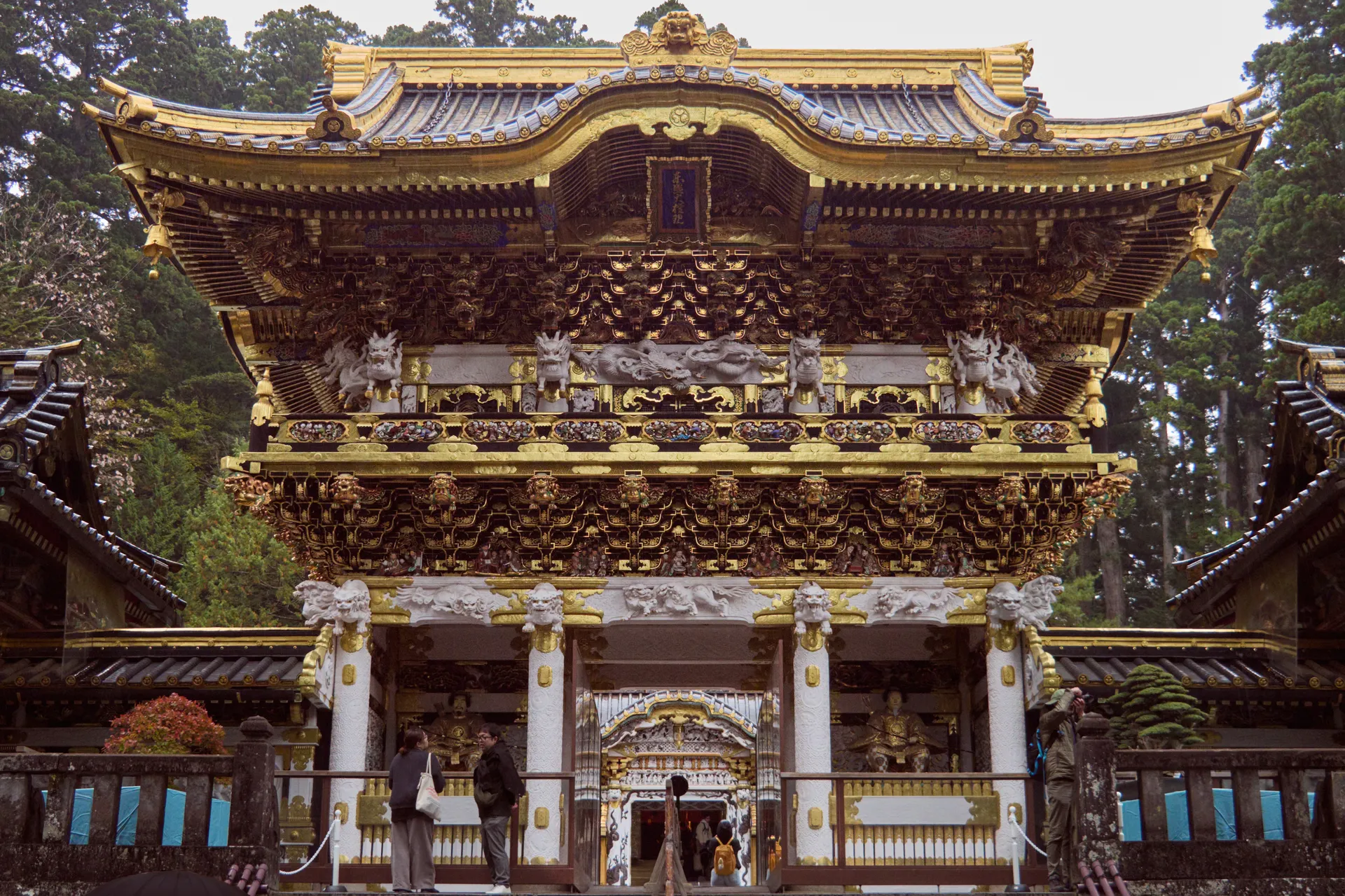
Nikko rewards a certain kind of nomad and frustrates another. It is serene, spotlessly clean, exceptionally safe and steeped in history, wrapped in a national park of waterfalls, lakes and cedar forest. Internet is dependable and the pace is gentle. The trade-offs are real, though: it is a small, quiet temple-and-nature town, so nightlife is minimal, the nomad community is tiny and English is limited. Winters are cold and some services thin out off season. Weigh it as a scenic slow base rather than a buzzing hub, and it shines. Come expecting a social scene and you will likely feel isolated. What the summary understates is the scale of what is here. The shrine complex is not one building but a hillside of them, several designated national treasures, built over a forest slope with a cedar avenue running kilometres out from it, and as an intact ensemble it predates almost anything a visitor will have seen elsewhere. A week does not exhaust it. What the summary gets right is the isolation. This is a town of fewer than eighty thousand spread over an enormous mountain municipality, the working population commutes down to the plain, and nobody your age is here who did not choose it deliberately. That is the whole trade.
- Pros: stunning national park scenery and autumn colours; very safe and clean; rich UNESCO heritage; dependable internet; calm, restorative pace
- Cons: little nightlife; tiny nomad community; limited English; cold snowy winters; few dedicated coworking spaces
Who Nikko Is For
Nikko suits the remote worker who wants quiet focus, fresh mountain air and heritage on the doorstep rather than a party or a big social calendar. If you love hiking, hot springs, temples and long forest walks, and you are happy making your own routine, it is a restorative base for a few weeks or a slow season. It rewards independence and a little Japanese, since English is thin on the ground. It is less suited to those who need nightlife, a ready-made nomad crowd or a coworking floor. Think of it as a scenic retreat, easily paired with Tokyo trips, for deep work and genuine calm. The shape that works is a season rather than a year, and summer is the obvious one: the cities below are intolerable in August and this is where people go, which makes it the one time the town has other outsiders in it. Autumn is spectacular and crowded. Winter is the test. Take a place near one of the two stations rather than up the hill, since nothing runs here except those buses and missing the last one is a long walk. And go to the same bath at the same hour; it is how you meet anybody here.