Cost of Living in Takayama
Where this figure comes from. No cost survey covers Takayama, so the $1,300 a month above is our own estimate rather than a measurement. On 416 of our 999 city guides the figure is built from a published Numbeo basket, a one-bedroom rent in the centre plus one person's monthly costs without rent, converted to USD; this city is not one of them. How we source everything.
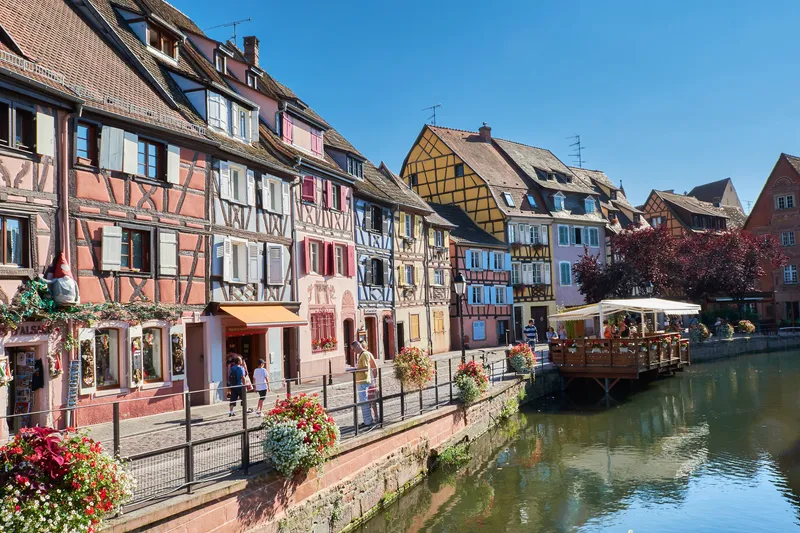
Takayama is a mountain town, so it is noticeably cheaper than Tokyo or Kyoto while still offering good value and comfort. A modest monthly budget of roughly $1,100 to $1,600 covers rent, food, transport and the occasional hot-spring trip. Long-stay flats and guesthouses are affordable, though the small market means the best deals go quickly. Groceries at the Miyagawa morning market are reasonable, and a bowl of Hida-beef ramen or a set lunch is easy on the wallet. Sake, festivals and mountain excursions add up, but everyday costs stay gentle. These figures are editorial estimates, so treat them as a starting point. Winter is where a mountain-town budget separates from a city one. Heating here runs on kerosene delivered by tanker or bought in cans, a house burns through it from December to March, and that bill is large enough to plan around rather than absorb. Snow tyres are legally necessary if you drive and are hired or bought by the season. Against that, the housing stock is unusually cheap because the region has more empty houses than people to fill them, and an arrangement made face to face with an owner runs at a small fraction of the advertised nightly rate.
- Rent (1-bed, monthly): roughly $450 to $750
- Casual meal out: roughly $7 to $14
- Monthly transport and local buses: roughly $30 to $60
- Coworking or cafe day pass: roughly $8 to $20
Where to Work in Takayama
Takayama is small, so the working scene is quiet rather than crowded, but the internet is dependably fast. Most nomads set up in their flat or guesthouse, where fibre connections are common and reliable. A handful of cafes near Takayama Station and along the Miyagawa river welcome laptop workers over pour-over coffee and Hida-milk lattes. Dedicated coworking is limited, though a few community and shared workspaces have appeared, and the town library offers a calm, free spot to focus. The real advantage here is the environment: silent mornings, clean air and a five-minute walk to the Edo-era old town when you need a break from the screen. Winter shapes the working day in two ways. Heavy snow closes the mountain roads and slows the trains, so any commitment that requires leaving the valley between December and March needs a fallback, and a fortnight of continuous snowfall is normal rather than exceptional. The daylight is also short and the mornings dark, which affects more people than they expect over a first winter; a desk by a window and a lamp that mimics daylight both earn their place. The time difference works against Europe and North America equally, so the sustainable pattern is early mornings rather than late nights.
Getting Around Takayama
Takayama is wonderfully walkable, and the historic centre, morning markets and station all sit within a compact, flat grid you can cross on foot in fifteen minutes. Cycling is popular in the warmer months and rentals are easy to find. Local Nohi buses reach outlying sights, the Hida folk village and nearby hot springs, while long-distance coaches and JR trains connect you onward. Nagoya is about two and a half hours away by limited-express train, opening the wider Chubu region and Shinkansen network. Buses also run to Shirakawa-go and the Japan Alps. You will rarely need a car, though one helps for deeper mountain exploring in summer. The alpine crossing that everyone wants to do is seasonal and catches people out: the high route over the mountains closes from late autumn until spring because the snow on it is measured in metres, so a summer plan and a winter plan are entirely different. Seats on the coaches to the thatched village fill up in high season and are worth reserving rather than turning up for. In town, the flat grid that makes this place walkable in July becomes a compacted ice sheet in February, and boots with a real sole are not optional; the locals wear studs.
Sorting transport? Book an airport transfer, or compare car rental on Auto Europe and QEEQ.
Visas for Takayama
Takayama follows Japan's national immigration rules, so your options are the same as anywhere in the country. Many nationalities receive visa-free short stays of up to ninety days, ideal for a trial month in the mountains. In 2024 Japan launched a dedicated digital nomad visa for eligible nationalities, allowing qualifying remote workers to stay for up to six months, subject to income and health-insurance requirements. Longer commitments usually need a work, student or spouse visa arranged in advance. An angle here is specific to a town like this rather than to the country. Rural municipalities across the country run relocation and settlement schemes, with subsidies, cheap or free empty houses and in some cases a grant, aimed at reversing depopulation; they are designed for people who will commit and they generally require residence status first, so they are not a route in. But if you are already eligible for a long stay and are choosing where to spend it, the incentives on offer in mountain regions are worth a search before you sign anywhere.
Best Time to Visit Takayama
Takayama sits in the highlands, so its seasons are vivid and worth planning around. Spring brings the famous April Takayama Festival, with ornate floats parading through blossom-lined streets, and autumn repeats the spectacle in October amid fiery mountain colour. Summers are mild and green, a pleasant escape from the humid lowland cities, making June to September comfortable for working and hiking. Winters are cold and snowy, blanketing the old town in postcard scenes and pairing beautifully with nearby hot springs, though transport can slow. For the gentlest weather choose late spring or early autumn; for atmosphere and fewer crowds, deep winter rewards the well-prepared visitor. Be specific about those festival dates, because they are the hardest two days of the year to be here. Accommodation across the whole valley books out roughly a year in advance for each, prices multiply, and a visitor who turns up hoping will end up commuting in from an hour away. Decide early. The altitude also pulls the autumn colour forward by two or three weeks against the lowland cities, which anyone chasing it can use. And the wet weeks of early summer are milder up here than on the plain, greener and far less oppressive.
Pros and Cons of Takayama
Takayama suits nomads who value calm, safety and beauty over buzz and convenience. Its preserved streets, clean air and mountain setting are genuinely restorative, and daily life feels ordered and safe. The trade-offs are real, though: it is small and remote, English is limited, and the nomad community is tiny, so you must be comfortable with solitude and self-direction. Winters are long and snowbound, and international flights mean a train ride to Nagoya first. For the right person these are features rather than faults, but weigh them honestly against your need for social energy and easy connections before settling in. A single number puts the isolation in proportion. The region has been emptying for decades and the town is now under ninety thousand people spread across an administrative area larger than several small countries, which is why the old centre is preserved, why the houses are cheap and why there is nobody your age in them. What sits against it is a quality of ordinary life you will struggle to find elsewhere: no crime worth the name, air you can taste, a morning market that has run for four hundred years, and a working day nothing interrupts.
- Pros: Exceptionally safe and clean, beautiful Edo-era streets, fast internet, fresh mountain air, superb food and hot springs nearby
- Cons: Very small nomad community, limited English, cold snowy winters, remote from major airports, few dedicated coworking spaces
Who Takayama Is For
Takayama is for the nomad seeking focus, nature and authentic Japan rather than a lively social scene. If you dream of quiet mornings by a mountain river, evenings over Hida beef and sake, and weekends hiking the Japan Alps or wandering thatched-roof villages, this town delivers. It rewards independent workers who are content with their own company, comfortable navigating limited English, and happy to trade nightlife for stillness. Writers, designers, developers and anyone craving a reset will thrive here. Those who need constant networking, warm winters or a big expat crowd should treat Takayama as a serene interlude rather than a long-term base. The practical shape is a season rather than a year, and which season decides everything. Summer here is the alternative to a Japanese city summer and that alone is worth the trip; winter is a commitment, beautiful and genuinely hard, and nobody should sign up for it without having seen snow country first. Three months from June or three from late September are the two easy answers. Hire a car for at least part of it, because the villages, the onsen and the trailheads that make this region worth choosing are not on a bus route with a useful timetable.