Tokyo Seoul
Head to head
Tokyo vs Seoul

Tokyo vs Seoul: Which Is Better for Digital Nomads?

Overall: Tokyo edges ahead, 8.7 to 8

Two railways went underground, one in each city, and left a long strip of land behind. What each neighbourhood did with that strip says more about daily life than any ranking, so here are two walks.

Shimokitazawa, Setagaya-Daita to Higashi-Kitazawa

The Odakyu tracks through this part of Tokyo were moved below ground in March 2013, and Shimokita Senrogai opened on the old line in 2020: about 1.7 kilometres from Setagaya-Daita station to Higashi-Kitazawa. Start at the Daita end, at Bonus Track, named for the idea of land that came as an extra. It is a small cluster of low buildings mixing shops and homes, and you could walk past it without noticing. Further along are a student dormitory and an open-air plaza called Akichi.

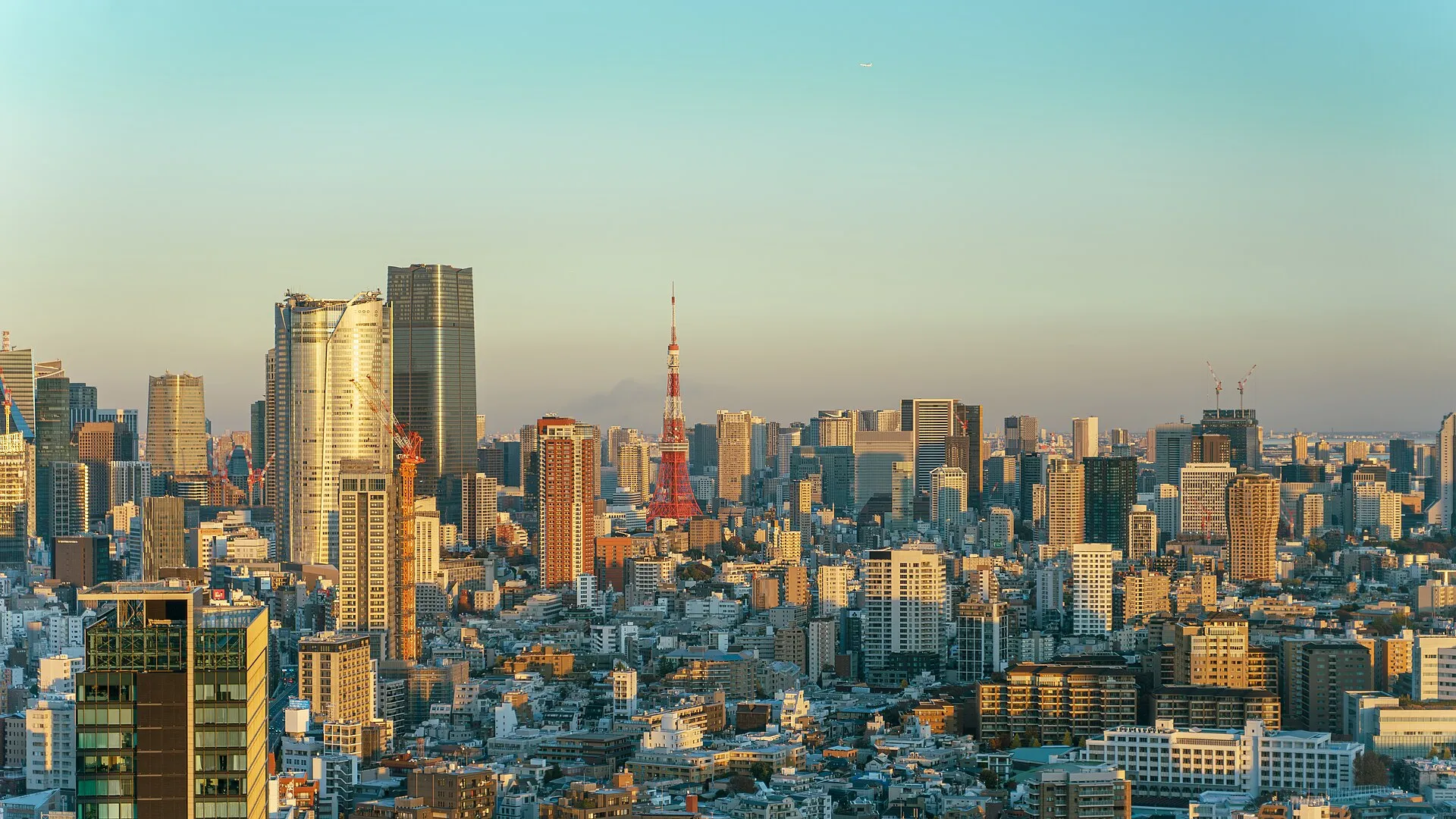
Now step off the strip, because this is where the neighbourhood really is. Some of the alleys around Shimokitazawa station are about two metres wide, too narrow for cars and on busy days for bicycles passing each other. They are packed with second-hand clothes shops, and with small stages: the Honda Theatre and its satellites have earned this the nickname "the town of theatre", and rock clubs such as Shelter and Shangri-La sit nearby. Shinjuku and Shibuya are a short ride with no change.

It is one of the best places in Asia to walk around on a free afternoon. It is less good on a Tuesday with a deadline. Coworking here is thin, and in a small independent café a laptop that stays for three hours will start to feel like a discourtesy. You may end up working at a chain.

Yeonnam-dong, Hongik University Station northward

In Seoul the old Gyeongui line went under in 2005, and the land became a park 6.3 kilometres long and 10 to 60 metres wide, finished in 2016. The Yeonnam-dong stretch runs up from Hongik University Station, and Seoulites gave it a cheerful name: Yeontral Park, after the one in New York. Where Tokyo built a discreet row of shops and homes, Seoul laid out one long green strip and let the cafés crowd its edges.

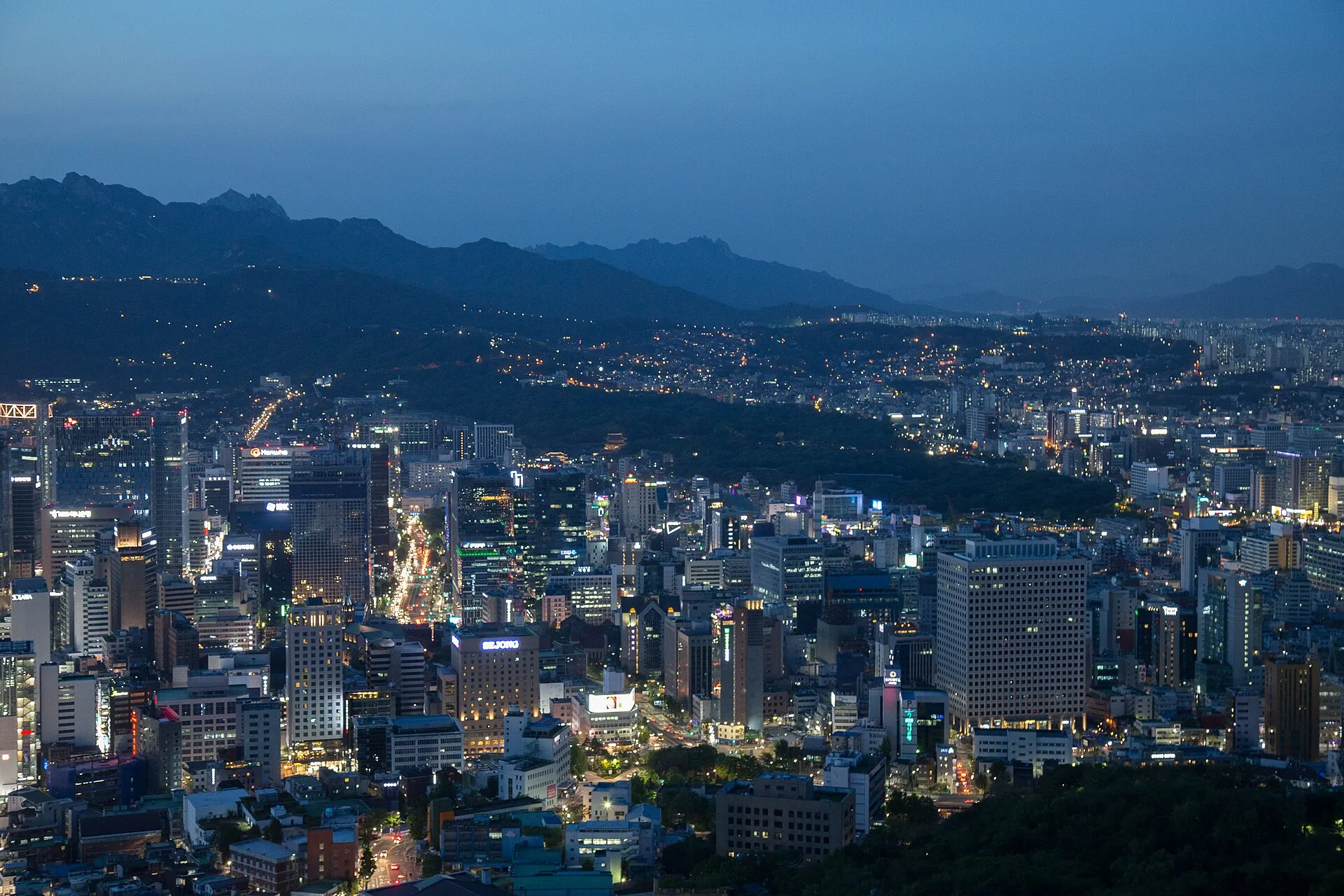
Turn into the lanes on either side and you are in a district of only 0.65 square kilometres and about 15,000 residents, with small shops in what used to be purely residential streets. Hongdae's noise is just south of the station, close enough to reach on foot and far enough to sleep through. Working here is simple. Cafés generally do not mind you staying, and the study cafés, a Korean speciality, rent you a silent desk by the hour for around $1 to $1.50, open all night. In nearby Hapjeong, Anthracite pours coffee in a former shoe factory. The same station gives you subway Line 2 and a direct line to Incheon Airport.

Shimokitazawa is the better walk. Yeonnam-dong is the better place to spend a working week.

What you learn after the walk

TokyoSeoul
Remote-work visa6 months, no extensionUp to 3 years
Income asked, monthlyAbout $5,260About $3,030 to $6,070, by age and region
Up-front rent trapKey money, often 1 to 3 months' rent, not returnedDeposits, returned, but far larger
January day and night10°C and 1°C2°C and -5°C

The top row matters most, and the second holds a surprise. Korea's lowest figure applies to under-35s outside the capital region. If you are 40 and want Seoul itself, the Korean bar is higher than the Japanese one. Our nomad visa page sets out both.

We put a comfortable month at around $4,000 in Tokyo and around $3,000 in Seoul, though Seoul wants its money early. Even a monthly lease there, wolse, usually starts with a large lump sum, and a furnished officetel on a short contract is the way round it, at a price. Seoul's winter is properly hard, too, and spring brings fine dust. Tokyo's extra $1,000 buys you mild winters and August heat instead, along with the endless second layer of a city that size: you could spend years on the neighbourhoods alone.

So how long do you actually want to stay? For six months, go to Tokyo and enjoy being a guest, because you will not get longer on that visa and you will not run out of alleys. If you can see yourself still here in two years, with a desk and a routine, that points to Seoul.

Tokyo vs Seoul: side by side

All 13 categories we rate, each out of 10. Green is strong, amber is middling, red is weak.

TokyoSeoul
6 Climate 5
3 Cost of living 4
7 WiFi 9
8 Nightlife 9
5 Nature 5
10 Safety 9
10 Food 9
6 Community 6
5 English 6
7 Visa 7
10 Culture 9
10 Cleanliness 8
7 Air quality 4

Tokyo and Seoul at a glance

1,149 kmapart in a straight line
Same timein January
$1,000a month less in Seoul
Population, urban areaTokyo35,676,000Seoul9,796,000
ElevationTokyo37 mSeoul34 m
Time zoneUTC+9in both
Nearest airportTokyoTokyo Haneda International Airport (HND), 19 kmSeoulSeoul Gimpo International Airport (GMP), 17 km
Main languageTokyoJapaneseSeoulKorean
CurrencyTokyoYen (¥, JPY)SeoulWon (₩, KRW)
PlugsTokyoType A/B, 100V / 50-60HzSeoulType C/F, 220V / 60Hz
Tap waterTokyoSafe to drinkSeoulSafe; locals often bottle
Emergency numberTokyo110Seoul112 / 119
TippingNo tippingin both
Ride-hailingTokyoGO, UberSeoulKakao T
In the Schengen areaNoin both

Population is the Natural Earth figure for the urban area around each city, elevation from the Copernicus height model, airports from OurAirports.

Where they differ most

The three biggest gaps between the two, in the words of each city guide.

Air quality

Tokyo

Tokyo's air quality is generally good and has improved dramatically since the mid-20th century. AQI readings typically fall in the 30-55 range, with PM2.5 levels well below WHO thresholds for most of the year. Spring brings cedar pollen that troubles allergy sufferers, and February-March see slightly elevated particulates.

Seoul

Air quality is Seoul's most significant environmental drawback. Yellow dust from Mongolia and northern China, combined with industrial particulate matter, creates poor air quality roughly every other day in March and April. PM2.5 levels can reach unhealthy thresholds for sensitive individuals. Autumn and summer see improvement.

Internet

Tokyo

Japan's fixed-line internet is fast, and fiber is standard in apartments and coworking spaces. Speedtest's Global Index puts the median fixed broadband download in Tokyo at 225 Mbps and mobile at 82 Mbps (August 2026).

Seoul

Fast internet is a given in Seoul, at home and in coworking spaces. Speedtest's Global Index puts the median fixed broadband download in Seoul at 239 Mbps and mobile at 327 Mbps (August 2026). Study cafes and regular cafes offer reliable, fast WiFi with no throttling.

Cleanliness

Tokyo

Tokyo is famously spotless. Despite no public trash bins on most streets, litter is virtually nonexistent as residents carry their waste home. Train cars, public toilets, and subway stations are maintained to a remarkable standard, often cleaned between peak hours.

Seoul

Seoul is notably clean for a city of its size. Streets in most districts are well-maintained, public toilets are plentiful and generally clean, and the subway system is orderly. Waste disposal rules are strict and enforced. Markets and food areas stay reasonably tidy.

From the score notes in the Tokyo and Seoul guides, where each one is explained in full.

Month by month: the weather

Each bar runs from the average daily low to the average daily high. Rain is below.

TokyoSeoulScale runs from -5C to 31C, rain up to 414 mm
See the numbers
TokyoSeoul
Jan10C / 1C, 60 mm2C / -5C, 17 mm
Feb11C / 2C, 57 mm5C / -3C, 28 mm
Mar14C / 5C, 116 mm11C / 2C, 37 mm
Apr19C / 10C, 134 mm18C / 8C, 73 mm
May24C / 15C, 140 mm24C / 14C, 104 mm
Jun26C / 19C, 168 mm28C / 19C, 130 mm
Jul30C / 22C, 156 mm29C / 22C, 414 mm
Aug31C / 24C, 155 mm30C / 23C, 348 mm
Sep28C / 20C, 225 mm26C / 18C, 142 mm
Oct22C / 15C, 235 mm20C / 11C, 52 mm
Nov17C / 9C, 96 mm12C / 4C, 51 mm
Dec12C / 4C, 58 mm4C / -3C, 23 mm

Tokyo: weather-station averages for 1991-2020. Seoul: weather-station averages for 1991-2020.

What a month costs

Tokyo$4,000
Seoul$3,000

What residents pay

TokyoSeoul
$962 One-bedroom rent $633
$340 Groceries $404
$143 Eating out $153
$133 Utilities $130
$100 Local transport $49
$43 Home internet $30
$45 Phone $31

Our own estimate for a comfortable month for one remote worker, the same figure the city guides use. The lower lines are local prices: rent from the official statistics office named on each city guide, the rest from World Bank price levels.

Entry rules for common passports

Tourist entry on arrival. Every passport is in the visa finder, and remote-work visas are on the nomad visa page.

United States
Visa-free, 90 daysin both
United Kingdom
Visa-free, 90 daysin both
Germany
Visa-free, 90 daysin both
Canada
Visa-free, 90 daysTokyo
Visa-free, 180 daysSeoul
Australia
Visa-free, 90 daysin both
India
eVisain both

Where you would live and work

The areas people choose in each city, and some of the places they work from.

Tokyo

Neighbourhoods

  • ShibuyaTokyo's trendy heart where fashion meets tech
  • ShimokitazawaTokyo's bohemian village with vintage soul
  • NakameguroCherry blossoms and coffee culture by the canal
  • ShinjukuNeon-lit chaos and the busiest station on earth
  • KoenjiTokyo's punk rock neighborhood with community soul

Places to work

Basis Point Nishi-Shinjuku.andwork ShibuyaCASE ShinjukuDIAGONAL RUN TOKYOFuglen Tokyo
More on the Tokyo guide →
Seoul

Neighbourhoods

  • ItaewonSeoul's international hub where English flows freely
  • HongdaeSeoul's creative heartbeat with unbeatable energy
  • GangnamSeoul's luxury district where business meets status
  • Yeonnam-dongSeoul's trendiest up-and-comer for creative nomads
  • MapoThe best balance of cost, convenience, and local charm

Places to work

FastFive GangnamWeWork HongdaeHive ArenaGoogle for Startups Campus SeoulAnthracite Coffee Hapjeong
More on the Seoul guide →

Services in a language you speak

Providers in our directory who work in a language other than the local one, from official registers, consular lists and the providers’ own websites.

Estate agents
Tax advisers
152Tokyo
0Seoul
Translators

Where each city wins

Tokyo is stronger on

Air QualityCleanlinessClimateSafetyFoodCulture
Tokyo guide →

Seoul is stronger on

WiFiCost of LivingNightlifeEnglish
Seoul guide →

Add a third city in the comparison tool →

Frequently asked questions

Is Tokyo or Seoul cheaper for digital nomads?

Seoul is the cheaper base, around $3,000 a month versus $4,000 in Tokyo, a difference of about $1,000.

Which has better WiFi, Tokyo or Seoul?

Seoul scores higher for WiFi (9/10 versus 7/10).

Which is safer, Tokyo or Seoul?

Tokyo rates higher on safety (10/10 versus 9/10).

Tokyo or Seoul: which is better overall for remote work?

Tokyo takes the overall Nomad Score (8.7/10 versus 8/10), though the right pick depends on what you value most.




