Tokyo Osaka
Head to head
Tokyo vs Osaka

Tokyo vs Osaka: Which Is Better for Digital Nomads?

Overall: Tokyo edges ahead, 8.7 to 8.3

Pick up a cup of Nissin Donbei kitsune udon and look for a small letter on its side. Sold in Tokyo, it says E, and the soup is bonito stock with dark soy. Sold in Osaka, it says W, and the soup is kelp stock with light soy, visibly paler, with a more delicately seasoned sheet of fried tofu on top. The company draws the line across Japan by prefecture: Gifu, Aichi and Mie get the eastern cup, Shiga and Nara the western one. Kitsune udon itself was born in Osaka, so Tokyo's version is, in a sense, the adaptation.

The escalator tells you the same thing a few minutes later. In Tokyo you stand on the left, and in Osaka you stand on the right. Neither detail will change your life. But a noodle maker takes the difference seriously enough to run two recipes, and that should tell you what you are choosing between. Osaka is no smaller, cheaper copy of Tokyo. It has other habits and a dialect of its own, and it means to keep them.

Where the price difference comes from

Almost all of it is the flat. A local tenant signing for a one-bedroom pays about $960 in Tokyo and about $640 in Osaka, while everything else, from food to phone, comes to about $870 in both. Our estimates for someone on a short furnished lease are around $4,000 and around $3,200. The visa does not separate them either: six months, no extension, and about $5,260 a month in income, wherever you end up. So you are paying $800 a month for one thing only, which is Tokyo.

Size

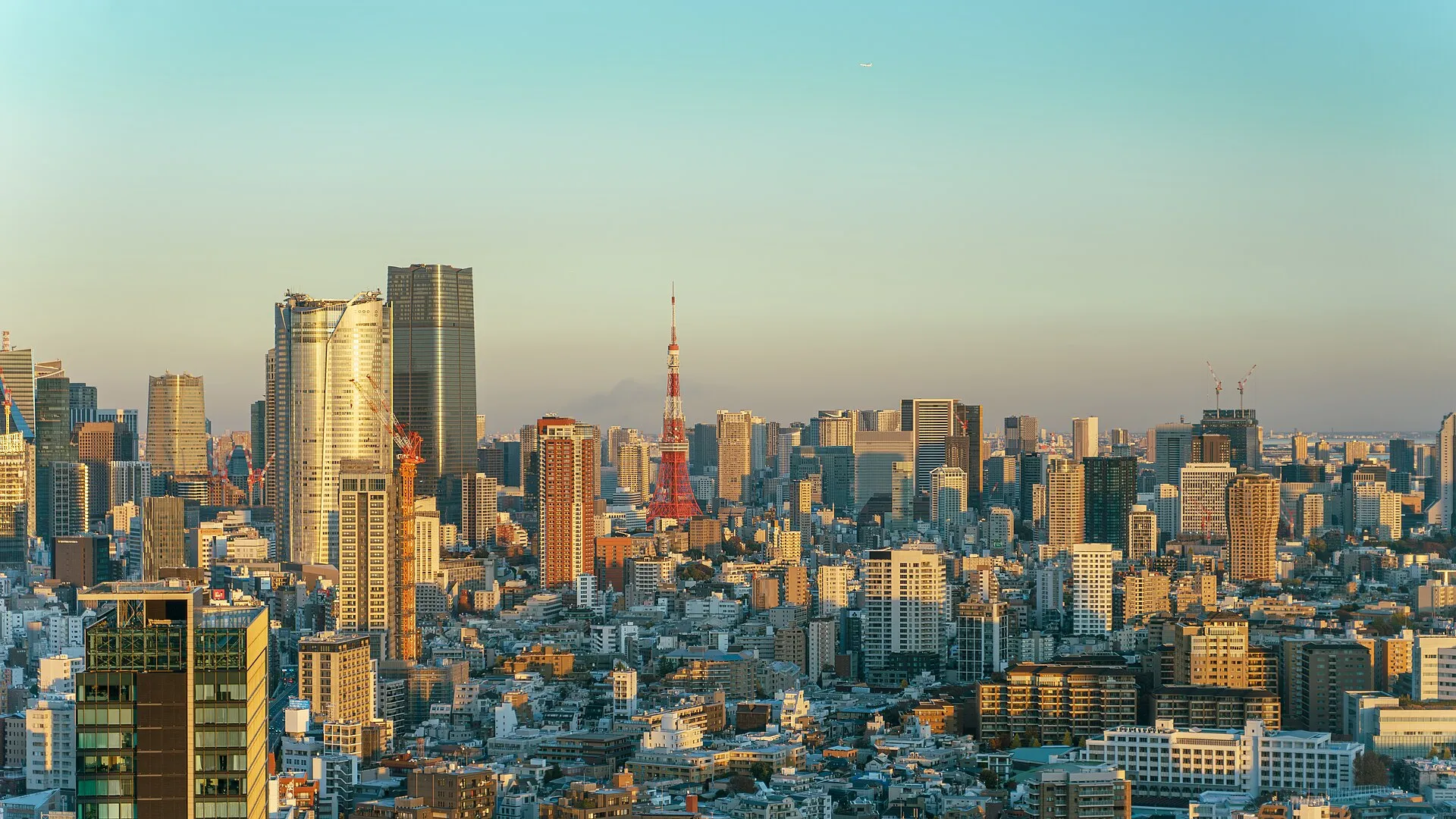
Here is a number that puts the size in perspective. Shinjuku Station handles about 3.3 million people a day, while the whole Osaka Metro, all eight lines of it, handles about 2.5 million. Tokyo Metropolis has just over 14 million residents and Osaka about 2.8 million. That means more of everything you might want to find twice: more neighbourhoods like Koenji and Shimokitazawa, more English-language events, and more of the clients and contacts who only meet in person.

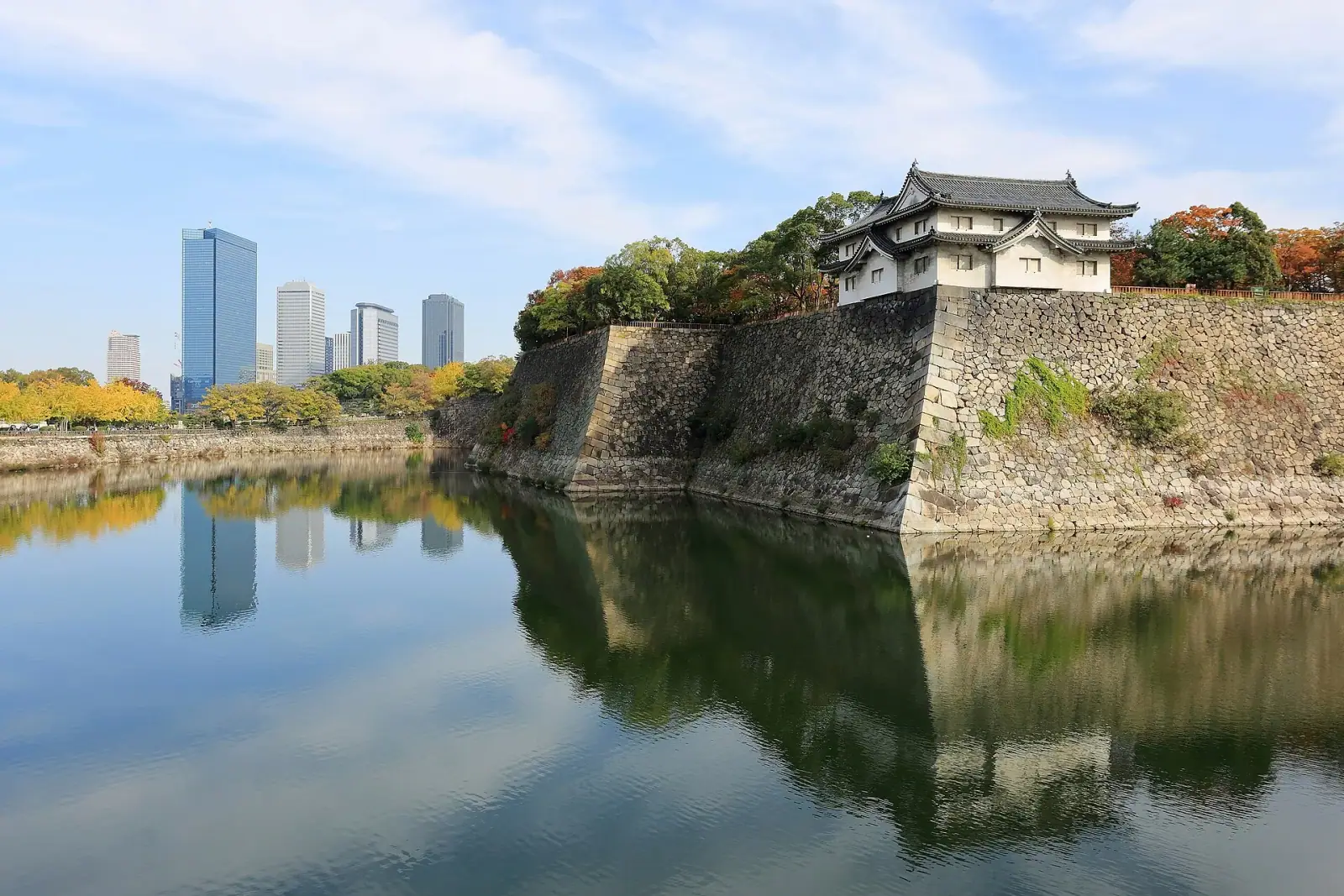
Osaka's answer is that it needs less of you. Coworking gathers in three places, Umeda, Honmachi and Namba, all on one subway line. Kyoto and Nara are close enough for a free Saturday without planning, and the evening can end at a counter around Dotonbori. It is short of English, though, and many landlords hesitate to rent to foreigners, so a serviced flat is the realistic way to begin.

Summer and the airport

August is harder there: 34°C by day and 26°C at night, against 31°C and 24°C in Tokyo, which sounds minor until you are lying awake. And the airport is a strange piece of engineering. Kansai sits on an artificial island in Osaka Bay that has sunk more than eight metres, and in 2018 Typhoon Jebi flooded its runways and sent a tanker into its bridge. You will fly through it without incident almost every time, and it still carries about 34 million passengers a year, but keep your September travel flexible.

We would start in Osaka unless your work depends on people in Tokyo. The six months allow for a change of plan, because the two cities are 515 kilometres and about two and a half hours apart, with up to 17 bullet trains an hour. Give it three months, then ride up and spend the second half in Tokyo. Buy the cup again when you arrive.

Tokyo vs Osaka: side by side

All 13 categories we rate, each out of 10. Green is strong, amber is middling, red is weak.

TokyoOsaka
6 Climate 6
3 Cost of living 5
7 WiFi 7
8 Nightlife 8
5 Nature 5
10 Safety 9
10 Food 10
6 Community 6
5 English 4
7 Visa 7
10 Culture 9
10 Cleanliness 9
7 Air quality 7

Tokyo and Osaka at a glance

392 kmapart in a straight line
Same timein January
$800a month less in Osaka
Population, urban areaTokyo35,676,000Osaka11,294,000
ElevationTokyo37 mOsaka3 m
Time zoneUTC+9in both
Nearest airportTokyoTokyo Haneda International Airport (HND), 19 kmOsakaOsaka Itami International Airport (ITM), 11 km
Main languageJapanesein both
CurrencyYen (¥, JPY)in both
PlugsType A/B, 100V / 50-60Hzin both
Tap waterSafe to drinkin both
Emergency number110in both
TippingNo tippingin both
Ride-hailingGO, Uberin both
In the Schengen areaNoin both

Population is the Natural Earth figure for the urban area around each city, elevation from the Copernicus height model, airports from OurAirports.

Where they differ most

The three biggest gaps between the two, in the words of each city guide.

Cost of living

Tokyo

Tokyo runs around 2,500-3,500 USD per month for a comfortable nomad lifestyle: a private room or small studio costs 800-1,400 USD, coworking hot desks average 200-350 USD, and restaurant meals range from 6 USD ramen to 25 USD izakaya dinners. Grocery staples are very affordable.

Osaka

Monthly living costs for a solo nomad run roughly $1,070-1,320, meaningfully cheaper than Tokyo. A furnished apartment in central areas like Namba or Umeda costs $505-755 per month. Street food and convenience store meals keep daily food budgets under $9.50.

Safety

Tokyo

Tokyo consistently ranks among the safest major cities globally. Violent crime is extremely rare and petty theft uncommon. Lost wallets are frequently returned intact. Streets are safe at any hour, and solo travelers of all backgrounds report feeling comfortable.

Osaka

Osaka Prefecture has the highest recorded crime of the Japanese prefectures we cover: 930 penal code offences per 100,000 residents in 2024 against 596 for Japan, and 65 violent offences against 52 (National Police Agency, crime statistics 2024).

English

Tokyo

English proficiency is improving but remains patchy compared to other Asian nomad hubs. Major stations, tourist areas, airports, and most coworking spaces offer English signage and staff. Convenience stores and chain restaurants have picture menus or touchscreen ordering.

Osaka

English proficiency is moderate compared to global nomad hubs but workable for daily life. Transit signage, major tourist zones, and most coworking spaces are fully bilingual. Hotel and restaurant staff in tourist areas generally communicate in English. Outside Namba and Umeda, communication may require patience or translation apps.

From the score notes in the Tokyo and Osaka guides, where each one is explained in full.

Month by month: the weather

Each bar runs from the average daily low to the average daily high. Rain is below.

TokyoOsakaScale runs from 1C to 34C, rain up to 235 mm
See the numbers
TokyoOsaka
Jan10C / 1C, 60 mm10C / 3C, 47 mm
Feb11C / 2C, 57 mm11C / 3C, 61 mm
Mar14C / 5C, 116 mm14C / 6C, 103 mm
Apr19C / 10C, 134 mm20C / 11C, 102 mm
May24C / 15C, 140 mm25C / 16C, 137 mm
Jun26C / 19C, 168 mm28C / 20C, 185 mm
Jul30C / 22C, 156 mm32C / 25C, 174 mm
Aug31C / 24C, 155 mm34C / 26C, 113 mm
Sep28C / 20C, 225 mm30C / 22C, 153 mm
Oct22C / 15C, 235 mm24C / 16C, 136 mm
Nov17C / 9C, 96 mm18C / 10C, 73 mm
Dec12C / 4C, 58 mm12C / 5C, 56 mm

Tokyo: weather-station averages for 1991-2020. Osaka: weather-station averages for 1991-2020.

What a month costs

Tokyo$4,000
Osaka$3,200

What residents pay

TokyoOsaka
$962 One-bedroom rent $639
$340 Groceries $340
$143 Eating out $143
$133 Utilities $133
$100 Local transport $100
$43 Home internet $43
$45 Phone $45

Our own estimate for a comfortable month for one remote worker, the same figure the city guides use. The lower lines are local prices: rent from the official statistics office named on each city guide, the rest from World Bank price levels.

Entry rules for common passports

Tourist entry on arrival. Every passport is in the visa finder, and remote-work visas are on the nomad visa page.

United States
Visa-free, 90 daysin both
United Kingdom
Visa-free, 90 daysin both
Germany
Visa-free, 90 daysin both
Canada
Visa-free, 90 daysin both
Australia
Visa-free, 90 daysin both
India
eVisain both

Where you would live and work

The areas people choose in each city, and some of the places they work from.

Tokyo

Neighbourhoods

  • ShibuyaTokyo's trendy heart where fashion meets tech
  • ShimokitazawaTokyo's bohemian village with vintage soul
  • NakameguroCherry blossoms and coffee culture by the canal
  • ShinjukuNeon-lit chaos and the busiest station on earth
  • KoenjiTokyo's punk rock neighborhood with community soul

Places to work

Basis Point Nishi-Shinjuku.andwork ShibuyaCASE ShinjukuDIAGONAL RUN TOKYOFuglen Tokyo
More on the Tokyo guide →
Osaka

Neighbourhoods

  • Namba/DotonboriOsaka's neon-lit food paradise
  • ShinsaibashiOsaka's premier shopping arcade
  • ShinsekaiOsaka's retro downtown soul
  • Umeda/KitaOsaka's modern business center
  • Tennoji/AbenoOsaka's southern gateway with views

Places to work

The DECKFUTRWORKSCommon Room NakatsuSHARE LOUNGE UmedaBrooklyn Roasting Company Kitahama
More on the Osaka guide →

Services in a language you speak

Providers in our directory who work in a language other than the local one, from official registers, consular lists and the providers’ own websites.

Pharmacies
Tax advisers
Estate agents
Hairdressers
Schools
3Tokyo
0Osaka

Where each city wins

Tokyo is stronger on

SafetyEnglishCultureCleanliness
Tokyo guide →

Osaka is stronger on

Cost of Living
Osaka guide →

Add a third city in the comparison tool →

Frequently asked questions

Is Tokyo or Osaka cheaper for digital nomads?

Osaka is the cheaper base, around $3,200 a month versus $4,000 in Tokyo, a difference of about $800.

Which has better WiFi, Tokyo or Osaka?

Both score 7/10 for WiFi, so connectivity is comparable.

Which is safer, Tokyo or Osaka?

Tokyo rates higher on safety (10/10 versus 9/10).

Tokyo or Osaka: which is better overall for remote work?

Tokyo takes the overall Nomad Score (8.7/10 versus 8.3/10), though the right pick depends on what you value most.




