Cost of Living in Hakone
Where this figure comes from. No cost survey covers Hakone, so the $1,500 a month above is our own estimate rather than a measurement. On 416 of our 999 city guides the figure is built from a published Numbeo basket, a one-bedroom rent in the centre plus one person's monthly costs without rent, converted to USD; this city is not one of them. How we source everything.
Hakone is a resort town, not a budget nomad base, and its prices reflect that. Most visitors stay a few nights in an onsen ryokan, where rates climb quickly once meals and private baths are included. A slow-travel nomad settling in for a month should expect a realistic all-in range of roughly $1,800 to $3,000 or more, depending heavily on lodging. Long-stay rooms, guesthouses, and off-season monthly rentals exist but are limited, so booking ahead matters. Groceries and everyday goods sit near Tokyo levels, with a resort markup on anything near the tourist corridors. Because almost every stay here is short, few nomads treat Hakone as a permanent home; instead it works as a restorative interlude between longer stints in a larger hub. Ryokan quote rates per person rather than per room, with dinner and breakfast folded in, so a couple pays roughly double and a solo guest often pays a single-occupancy premium or finds weekend nights not offered to one person at all. Saturdays and the night before a public holiday are priced highest, so a month here costs noticeably less when it is built from Sunday-to-Friday stays.
- Onsen ryokan (per night, meals included): $150 to $400+
- Guesthouse or budget inn (per night): $60 to $120
- Monthly rental or long-stay room (where available): $900 to $1,600
- Groceries and daily food: $400 to $700 per month
- Local transport and Hakone Free Pass: $50 to $120 per month
Where to Work in Hakone
Hakone has no coworking scene worth the name, and planning around that gap from the first day works better than searching for one after arrival. This is a small mountain onsen town built around rest, not remote work, so the closest thing to an office is a quiet cafe or your own ryokan room. Several cafes around Hakone-Yumoto, Gora, and Sengokuhara have comfortable seating and reliable connections, and they suit a few focused hours rather than a full nine-to-five with back-to-back calls. Many ryokan and guesthouses offer decent room wifi, which becomes your default workspace. If you need dependable meeting rooms, fast fiber, and a community of other remote workers, do your heavy weeks in Tokyo and come to Hakone to recharge. Treat it as a place to write, think, and plan, not to run a demanding synchronous workload.
Getting Around Hakone
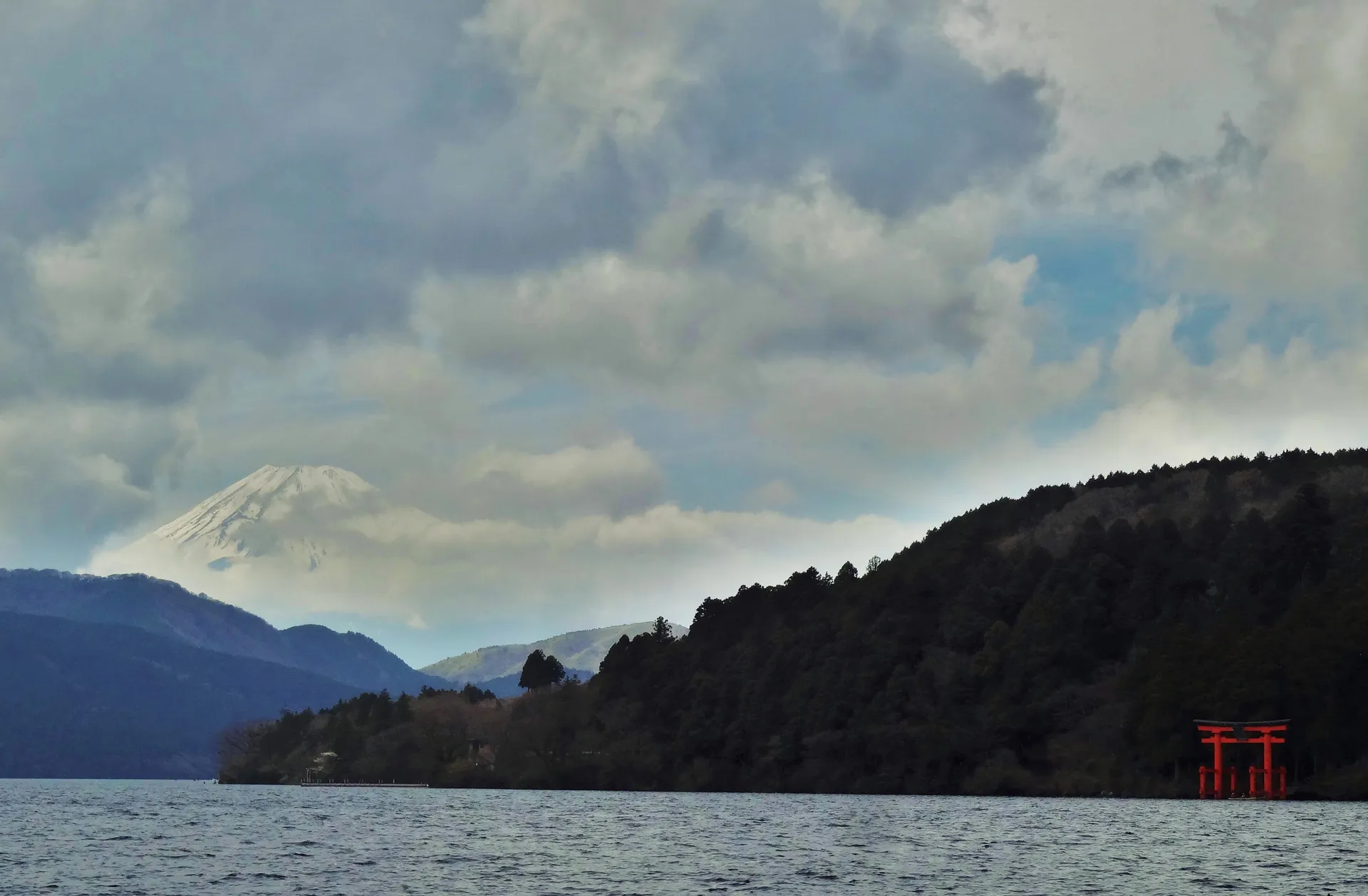
Hakone is famous for its transport loop, which is half sightseeing route and half public transit. The Hakone Tozan railway switchbacks up the mountainside from Hakone-Yumoto, connecting to a cablecar and then the Hakone Ropeway over the steaming Owakudani valley. From there the sightseeing boats cross Lake Ashi toward Moto-Hakone and the Hakone Shrine torii. Buses fill the gaps, reaching Sengokuhara and quieter corners the rails miss. The Hakone Free Pass bundles most of these into one ticket and pays off fast if you move around. For Tokyo, the Odakyu Romancecar runs directly to Shinjuku in roughly ninety minutes, making day trips or a Tokyo work-base entirely practical. A car helps for remote lodging, but narrow, winding roads and limited parking make transit the easier choice. The Freepass went up on 1 October 2025, to about $45 for two days starting from the capital. It is built for a weekend of loops rather than a month: the railway, cablecar, ropeway and buses all take Suica or PASMO, and so does the ticket desk for the Lake Ashi boats, so a longer stay pays per ride and saves the pass for the days that string the whole circuit together.
Sorting transport? Book an airport transfer, or compare car rental on Auto Europe and QEEQ.
Visas for Hakone
Japan grants visa-exempt short stays of up to 90 days to passport holders from many countries, including much of Europe, North America, and Australia, which covers the vast majority of nomads passing through Hakone. That window is for tourism, not employment with a Japanese company, though remote work for an overseas employer sits in a common grey area many travelers occupy. For longer horizons, Japan introduced a digital-nomad route allowing qualifying high-income remote workers a stay of several months, subject to income thresholds and insurance requirements that change over time. Other paths include work, student, and specified-skill visas. Because Hakone is a short-stay resort, most people simply arrive on the visa waiver and treat the town as a stop within a longer Japan itinerary.
Best Time to Visit Hakone
Autumn is Hakone at its finest, when the maples around Gora and Lake Ashi turn deep red and orange, usually peaking in November. Spring brings fresh green and, at the right moment, blossoms without the intensity of Tokyo crowds. Winter is underrated: cold, clear days deliver the sharpest views of a snow-capped Mount Fuji across the lake, and a steaming outdoor onsen feels best in the chill. Avoid Golden Week in early May and the height of summer, when domestic tourism swells and the trains, ropeway, and boats fill up. Owakudani deserves a note of caution, since volcanic activity and sulfur gas can temporarily close the ropeway or restrict the valley, so check status before planning your day around it. Weekdays anywhere in Hakone are calmer than weekends. September and October are typhoon months, and Hakone is where Japan's rain record was set: Typhoon Hagibis dropped 922.5 mm here in 24 hours in October 2019, and the landslides it triggered closed the Tozan railway between Yumoto and Gora until July 2020. A typhoon forecast is a reason to move dates rather than to sit it out in a ryokan up the mountain.
Pros and Cons of Hakone
Hakone rewards a specific kind of traveler and frustrates another. Its strengths are restorative and sensory: hot-spring bathing, forest air, lake and mountain views, and the reassuring safety and cleanliness that define small-town Japan. Its weaknesses are structural, since a resort town simply cannot offer the coworking, nightlife, and social density of a real hub. Costs run higher than most of Japan, and the rhythm is deliberately slow. Weigh these honestly against how you actually work and socialize before committing to more than a short stay. The volcano is part of the price as well as the view: when the alert level rose in May 2015 the ropeway over Owakudani stopped and did not run its full length again until July 2016, and a second suspension followed from May to October 2019, so any week built around the valley needs a fallback plan that works without it. Tattoos are the quieter obstacle, since many ryokan baths and day onsen still turn away visible ink, which makes a room with its own private bath the safer booking. In return the art is far better than a spa town needs, with the Hakone Open-Air Museum's sculpture lawns and Picasso pavilion worth a full day.
- Pro: outstanding nature, onsen culture, and Mount Fuji views close to Tokyo
- Pro: exceptionally safe, clean, and quiet, ideal for deep rest and focus
- Pro: fast, direct Romancecar link to Shinjuku for city days
- Con: no coworking, thin nightlife, and a very small resident community
- Con: resort-level lodging costs and limited long-stay housing
Who Hakone Is For
Hakone suits the slow-travel nomad rather than the hub-city nomad. If your ideal week means light asynchronous work, long morning walks, an afternoon soak, and early nights, this town fits beautifully, especially as a one to three week decompression between busier bases. It is a gift for writers, designers, and anyone whose output improves with quiet and clean air. It is a poor match for anyone who needs constant meetings, a coworking desk, an active social calendar, or nightlife, and for those on a tight budget who cannot absorb resort pricing. Many nomads get the best of both worlds by keeping a home base in Tokyo and treating Hakone as a recurring weekend or workation retreat, arriving by Romancecar, unplugging for a few days, and returning to the city refreshed rather than trying to force a full nomad life onto a resort town that was never built for it.