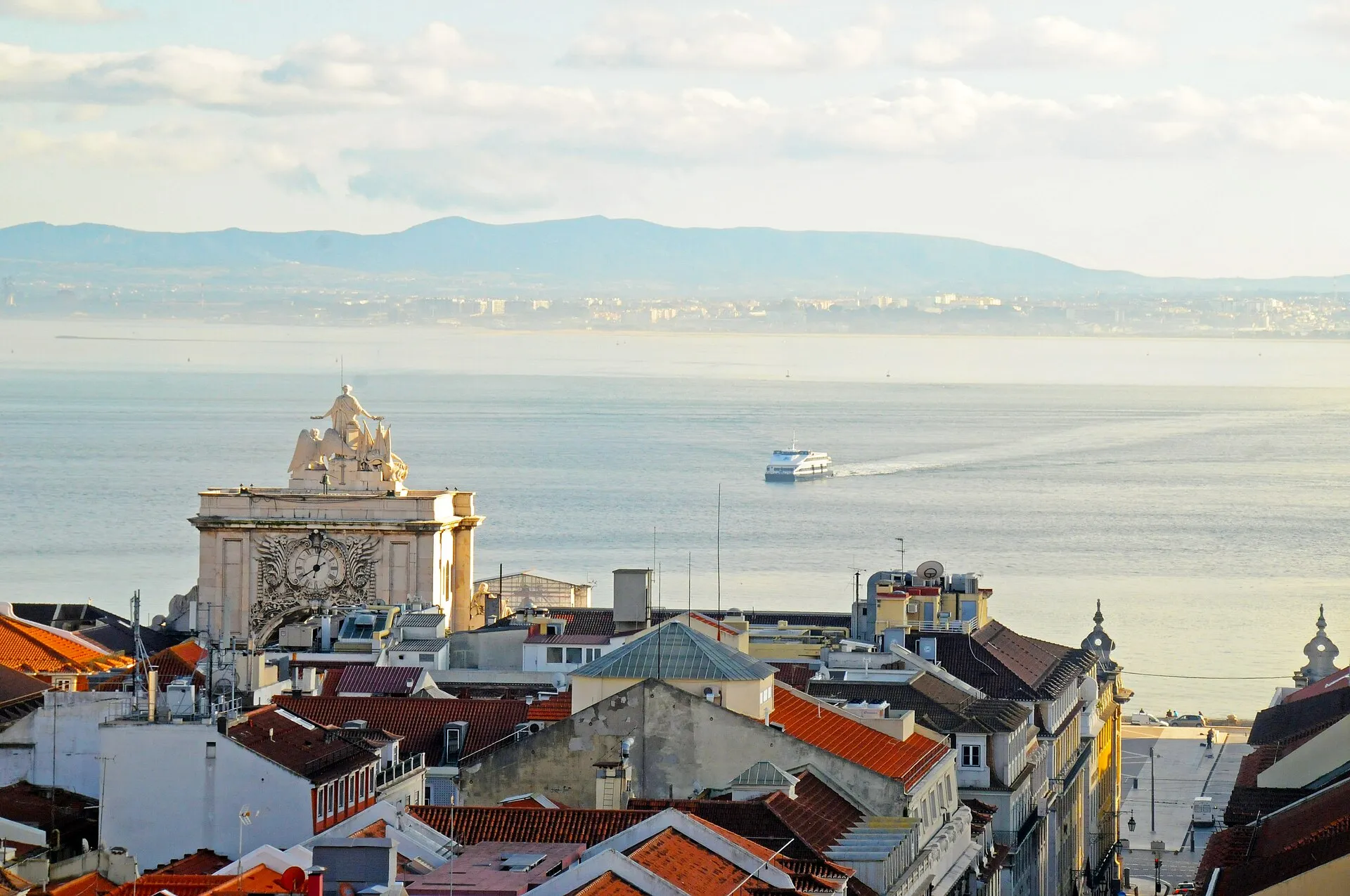
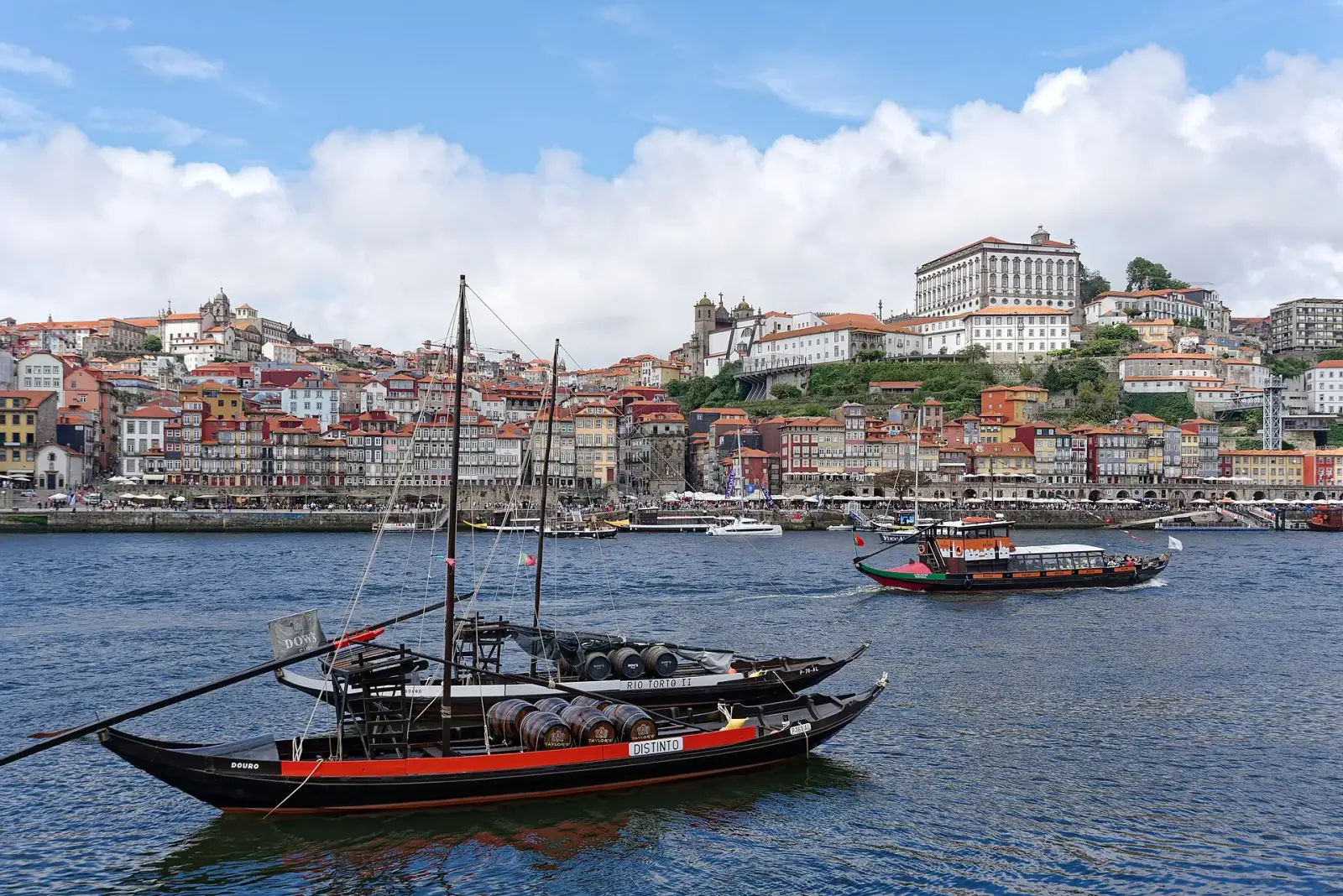
 Lisbon
Starting from Largo do Intendente, Lisbon
Skip the viewpoints for an hour. To feel the difference between these two cities, walk through a district where someone with a laptop might really live, one in each, and pay attention to what is on the ground floor.
Come up from the Intendente metro stop into the square, and the first thing you will see is the old Viúva Lamego tile factory. Its whole façade is covered in nineteenth-century azulejos, with figures of Commerce and Industry either side of the door, and today it holds a branch of the shop A Vida Portuguesa. This square used to be badly run down. António Costa, then mayor, moved his office here to bring city politics to it, and the building now houses the parish council.
Turn north onto Avenida Almirante Reis, and Lisbon changes language as you go. Brazilians and Eastern Europeans arrived from the 1980s, Chinese families settled near the Rua da Palma end, and the avenue now runs through one of the most multicultural parts of the city. It is noisy and not especially pretty at eye level, so look up: number 2 won the Valmor architecture prize in 1908, and number 74-B has Art Nouveau tiles from 1911. The Green Line runs underneath you, through Anjos and Arroios, and there are 15,600 people per square kilometre in this parish. You will not be short of a bakery, or of a neighbour's television.
Starting from Jardim de São Lázaro, Porto
Now take the train north and start under the trees of São Lázaro, opened in 1834 and the oldest municipal garden in Porto. The public library sits on its east side. Head that way, among the art students from the fine arts faculty, to Campo 24 de Agosto, where the metro lets out.
From here Rua do Bonfim runs on towards its big neoclassical church, one of the traditional streets that has survived, with plenty of older residents still in place. The newcomers are tucked in around them: Combi, roasting its own beans in a converted garage, and A Certain Café just down the road, which pours drip coffee by day and natural wine later on. Terraplana has pizza and live music on Friday and Saturday nights. Paint is peeling on plenty of the granite houses, and nobody seems embarrassed about it.
Carry on south and the streets end at something Intendente has no version of. The Prado do Repouso, Porto's first public cemetery, opened in 1839, spreads over about ten leafy hectares of granite and neo-Gothic stone, and beyond it the Fontainhas viewpoint looks across community gardens to the Douro. Bonfim has half the population density of Arroios, and it has lost nearly half its people since 1950. You will hear it: on a weekday afternoon, this is a quiet place.
What the walks leave out
Rain, to begin with, and you should take it seriously. Lisbon gets about 800 millimetres a year, and Porto, depending on the station, between 1,000 and 1,200. In November the average runs at about 121 millimetres in Lisbon against 181 in Porto, and January nights are three degrees colder up north. An old house through a winter like that is a test, so look hard at the walls of any flat you see.
Then there is money. Our estimate puts a comfortable month at around $3,500 in Lisbon and $2,800 in Porto, so the rain pays you back about $700 a month. Lisbon offers more for it: 658,000 people against 273,000, the larger remote-work scene, and a bigger airport, although Porto's handled nearly 17 million passengers in 2025 and it has its own metro line in from the terminal. The fastest train between them takes about two hours and forty minutes. A new high-speed line, started in the autumn of 2026, aims for 75 minutes, so this may matter less in the 2030s.
If you are arriving alone, you will find company faster around Almirante Reis. If you already know how to be by yourself, Bonfim is the better place to live and, in our view, the better neighbourhood of the two. Either way, do your first month in November. Any city in Portugal looks good in June.
 United States
 United Kingdom
 Germany
 Canada
 Australia
 India