Cost of Living in Amsterdam
Real market data
Source: Numbeo · August 2026
$3,730/moSolo nomad1-bed centre + living costs
$4,610/moCoupleshared 1-bed + costs
$3,020/moLean / localcheaper area + costs
- 1-bed rent, city centre$2,630€2,281
- 1-bed rent, outside centre$1,910€1,661
- Monthly costs excl. rent (1 person)$1,100€960
- Meal, inexpensive restaurant$24€21
- Monthly transit pass$120€100
- Buy price, per m² (centre)$10,690€9,284
Prices are from Numbeo (August 2026), converted to USD at $1 = €0.87 (01 Aug 2026). The monthly living-costs figure is our transparent one-person basket, groceries, a few meals out, utilities, phone, internet, transport and essentials, priced from those figures. Solo adds central rent; couple and lean are estimates from the same numbers. The guide below quotes its own monthly range, which is a different measurement rather than a competing one: this table prices a defined basket at the figures above, while that range is a judgement about how somebody actually lives here.
Amsterdam is one of Western Europe's most expensive cities for remote workers. Budget carefully before committing to a stay.
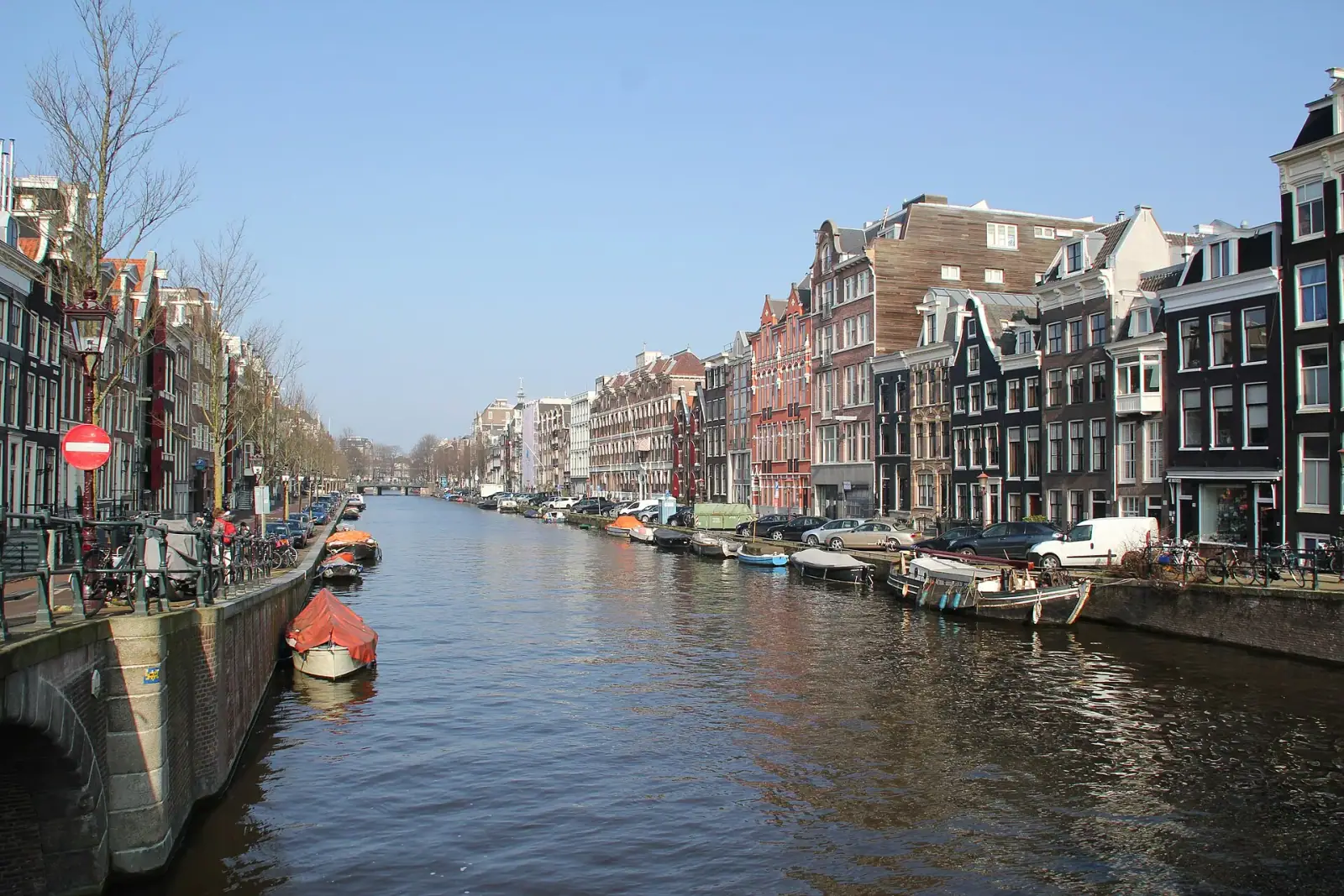
- Rent (central areas like Jordaan, De Pijp, Centrum): $2,050-2,850/month for a one-bedroom apartment. Sharing a flat cuts this significantly.
- Rent (outer areas like Amsterdam Noord, Nieuw-West, Amsterdam Oost): $1,350-1,800/month, though availability is tight due to a housing shortage.
- Groceries: $340-460/month shopping at Albert Heijn or Lidl.
- Eating out: A casual lunch runs $14-20; a proper dinner $28-57 per person. Street food (fries, herring, stroopwafel) is cheap by comparison.
- Coworking hot-desk: $170-340/month depending on space and neighborhood. Day passes typically run $23-46.
- Local transport: A monthly OV-chipkaart transit pass costs around $110. Most nomads buy a second-hand bike for $170-340 and skip transit entirely.
- Total monthly range: $2,500-4,000/month for a realistic single-person budget, excluding flights and health insurance.
The housing market is brutally competitive. Short-term furnished rentals on Airbnb or HousingAnywhere typically cost more than the figures above. If you plan to stay a month or more, search early and expect some rejections.
Where to Work
Amsterdam has solid coworking infrastructure, but cafe culture for laptop workers is more complicated than in Southeast Asia or southern Europe.
Dedicated coworking is the safest bet. Mindspace has several locations including a canal-belt building on Herengracht and a spot near Dam Square. Spaces operates on Vijzelstraat and Herengracht with hot desks starting around $200/month. Zoku (Weesperstraat 105, Plantage) offers a well-regarded rooftop coworking space with day passes at $27-46. All have reliable fast internet.
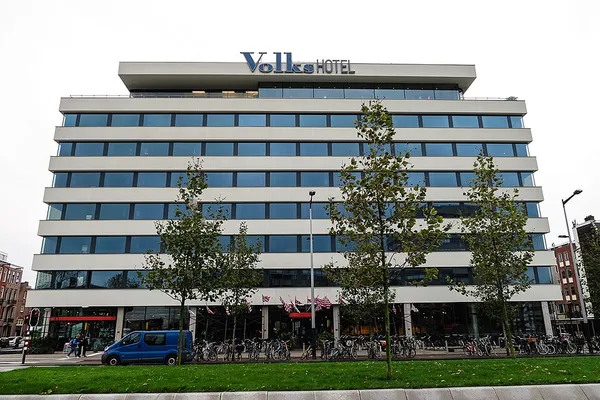
For cafes, the situation is more honest: Amsterdam has a reputation for being less laptop-friendly than you might expect. Many cafes actively discourage long work sessions, especially during busy hours. That said, a handful of spots cater specifically to remote workers. Monks Coffee Roasters (Oud-West) is a quiet specialty coffee shop that welcomes focused work. De Kanarie Club (Oud-West, near Foodhallen) has fast WiFi and generous power outlets. Volkshotel's Werkplaats (Oost) is half-cafe, half-coworking with long tables and an easy-going attitude toward laptops.
Public libraries (OBA) are free, well-equipped, and genuinely productive. The main OBA Oosterdok branch in the city center has multiple work areas and a rooftop terrace cafe. Internet speeds across the city are strong.
Getting Around
A bike is how Amsterdam works. The city is flat, compact, and has an extensive cycling network. You can cross most of central Amsterdam in 20-25 minutes by bike. Buy a second-hand bike from Waterlooplein market or a local shop for $170-340 and lock it well with at least two locks. Bike theft is common.
Public transit covers the rest: trams, metros, and buses all use the OV-chipkaart. The GVB network is reliable and runs frequently. Amsterdam Centraal connects you to the rest of the Netherlands by train in minutes.
For the airport: Amsterdam Schiphol (AMS) is one of Europe's best-connected hubs. The Intercity Direct train from Schiphol to Centraal takes 17 minutes and runs multiple times per hour. A single ticket costs around $6.50. Taxis run $40-57 depending on traffic.
Walking is practical in the historic center. The Canal Ring is compact enough to cover on foot, though the cobblestones and tram tracks make it less comfortable than cycling.
Sorting transport? Book an airport transfer, or compare car rental on Auto Europe and QEEQ.
Visas and Staying Long-Term
For short stays, the Schengen rules apply: most non-EU passport holders (US, UK, Canada, Australia) can enter visa-free for up to 90 days within any 180-day period. The Netherlands is a Schengen member, so days in any Schengen country count toward that quota.
The Netherlands does not offer a dedicated digital nomad visa. The closest option is a self-employed residence permit (for freelancers and entrepreneurs), which requires registering a business in the Netherlands and passing a points-based scoring system assessed by the IND (Immigration and Naturalisation Service). US citizens can apply under the DAFT treaty with a simpler process and a minimum investment of around $5,100.
For stays beyond 90 days without a permit, there is no clean option. Schengen border hopping is not a reliable or legal workaround.
Best Time to Visit
Late April through May is the sweet spot. Temperatures are mild (14-18C / 57-64F), the tulip fields around Keukenhof are in bloom, and tourist crowds are manageable. Days are long and the city is energetic without the July-August crush.
September and October offer a similar balance: pleasant weather, fewer tourists than summer, and the city returning to its normal rhythms after peak season. October in particular is underrated.
Summer (June-August) is warm and lively with outdoor festivals and 17 hours of daylight, but accommodation prices spike and central Amsterdam gets genuinely crowded. If you are trying to focus on work, the distractions and costs are higher.
Winter (November-February) is grey, wet, and cold (2-7C / 35-45F). Rents and short-term accommodation are cheaper, coworking spaces are quieter, and the canal ice occasionally freezes for skating. If you handle low light and damp well, it is an affordable season to be productive.
Pros and Cons
Pros
- Exceptional internet speeds and tech infrastructure
- Near-universal English proficiency, even in service jobs
- Walkable and cyclable city with excellent public transit
- Rich culture: world-class museums, music, food scene
- Strong startup and creative community with networking events
- Schiphol airport offers direct flights almost anywhere
- Safe, well-organized, clean city with low violent crime
Cons
- Among the most expensive cities in Western Europe for rent
- Housing market is severely undersupplied; finding short-term accommodation is hard
- No dedicated digital nomad visa; 90-day Schengen limit is a real constraint
- Cafe work culture is less welcoming to laptops than other European capitals
- Grey and rainy for much of the year outside spring and summer
- Central neighborhoods are crowded with tourists year-round
- Cycling infrastructure is great, but bike theft is frequent
Who Amsterdam Is Best For
Amsterdam suits remote workers who earn well in a stronger currency (USD, GBP, CHF) and can absorb the high cost of living without stress. It is a particularly good fit if you value walkability and cycling, want access to excellent culture and nightlife between work sessions, or need to be within reach of European clients and frequent flights.
It also works well for nomads who appreciate a serious, functional city rather than a pure beach or party destination. Amsterdam gets things done. Meetings happen on time, services work, and people speak your language.
Skip Amsterdam if you are on a tight budget (under $2,850/month all-in is genuinely difficult), if you are already close to your 90-day Schengen limit, or if you need extended stays beyond a few months without the right permit. Nomads sensitive to grey weather or who prefer cafe-based work over dedicated coworking will also find it less comfortable than alternatives in Portugal, Spain, or the Balkans.