Cost of Living in Dresden
Real market data
Source: Numbeo · August 2026
$1,760/moSolo nomad1-bed centre + living costs
$2,560/moCoupleshared 1-bed + costs
$1,510/moLean / localcheaper area + costs
- 1-bed rent, city centre$750€656
- 1-bed rent, outside centre$510€443
- Monthly costs excl. rent (1 person)$1,000€869
- Meal, inexpensive restaurant$17€15
- Monthly transit pass$92€80
- Buy price, per m² (centre)$5,120€4,447
Prices are from Numbeo (August 2026), converted to USD at $1 = €0.87 (01 Aug 2026). The monthly living-costs figure is our transparent one-person basket, groceries, a few meals out, utilities, phone, internet, transport and essentials, priced from those figures. Solo adds central rent; couple and lean are estimates from the same numbers. The guide below quotes its own monthly range, which is a different measurement rather than a competing one: this table prices a defined basket at the figures above, while that range is a judgement about how somebody actually lives here.
Dresden is one of the most affordable cities in Germany for remote workers. Rent is noticeably cheaper than Berlin or Munich, which gives you more breathing room on a nomad budget.
- Rent, city center (Neustadt, Altstadt): roughly $805-1,090/month for a one-bedroom furnished flat, above Numbeo's central average of about $750 for all lets
- Rent, cheaper areas (Pieschen, Leuben, Plauen): $575-805/month
- Groceries for one: $230-320/month at REWE or Lidl
- Eating out: $12-16 for a lunch plate, $23-40 for a sit-down dinner with drinks
- Coworking hot desk: $205-345/month depending on the space
- Local transport (monthly pass): about $107/month for the VVO Dresden-zone pass (since April 2026), or $73 for the nationwide Deutschlandticket, which covers local and regional transport
Realistic total range: $1,610-2,530/month covers rent, food, transport, coworking, and a social life. You can live well at the lower end if you cook most meals and share a flat.
Where to Work
Dresden has a small but functional coworking scene. Impact Hub Dresden near the Hauptbahnhof is the most established space, with reliable fast internet, good coffee, and a community of startup and tech workers. Quartier22 in the Neustadt sits in a 900 sqm converted building on Bautzner Strasse with hot desks, private offices, and stable internet. Konnektiv62 on Alaunstrasse is a smaller, creative community space that suits freelancers who want a quieter and more local atmosphere.
Cafe culture is decent but inconsistent for work. Phoenix Coffee Roasters on Bautzner Strasse and Cafe Oswaldz nearby are go-to spots with good coffee and seating that tolerates lingering. WiFi quality in cafes varies: some spots have fast, open connections, others are slow or require asking the staff. Mobile data via a German SIM (Telekom or Vodafone) is the safer fallback. Germany's median fixed broadband connection runs 102 Mbps down and 38 Mbps up (Ookla, August 2026), enough for video calls.
Getting Around
Dresden's tram network is the backbone of city transport. The DVB system covers the Altstadt, Neustadt, and most residential neighborhoods with trams running every 10 minutes during the day. You can reach most of the city without a bike or car. The Neustadt and central Altstadt are both walkable and flat enough that many people get by on foot for daily errands.
Getting to Dresden Airport (DRS) from the city center is straightforward: the S-Bahn S2 line runs directly from the airport terminal to Dresden Neustadt station in 14 minutes and to the Hauptbahnhof in 21 minutes. Trains run every 30 minutes. Uber and standard taxis are also available but cost significantly more.
For day trips, the S1 S-Bahn reaches Saxon Switzerland in under an hour. Regional trains connect to Prague in just over 2 hours. Berlin is roughly 2 hours by intercity train.
Sorting transport? Book an airport transfer, or compare car rental on Auto Europe and QEEQ.
Visas and Staying Long-Term
If you hold a US, Canadian, Australian, or UK passport, you can enter Germany visa-free and stay in the Schengen Area for up to 90 days within any 180-day period. There is no dedicated digital nomad visa for Germany. If you want to stay longer and work remotely for foreign clients, the Freiberufler (freelance) visa is the most realistic route: it requires proof of clients, a business plan, and evidence that the freelance income will cover your living costs, a test the law sets no fixed figure for, and it can be issued for up to three years with extensions. The process is handled through the local Auslanderbehorde office in Dresden.
Best Time to Visit
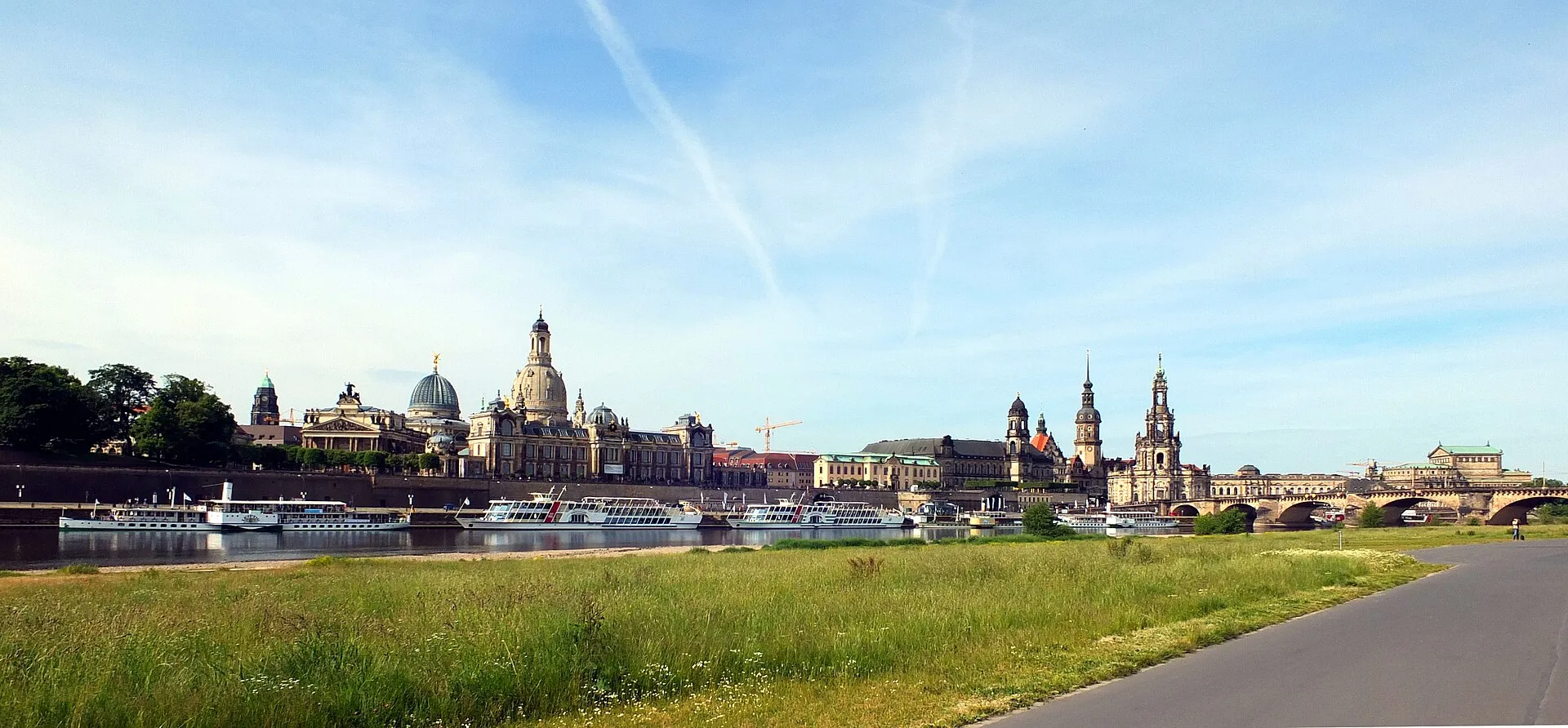
The sweet spot for combining work and enjoyment in Dresden is late May through September. Temperatures sit between 20-25 C (68-77 F), the days are long, the Elbe riverbanks come alive, and the Baroque core of the city looks genuinely beautiful. June through August brings the most activity: outdoor festivals, beer gardens, and the best weather for cycling to Saxon Switzerland on a free afternoon.
Shoulder season in April and early May offers mild temperatures and far fewer tourists, which can make it easier to focus. Autumn from October into November is grey and rainy but manageable. Winter (December to February) is cold, dark, and short on sunlight, though the famous Dresden Christmas market in December draws a significant crowd if that appeals to you. For pure productivity without distractions, spring shoulder season is ideal.
Pros and Cons
Pros
- One of the most affordable cities in Germany for rent and daily costs
- Excellent air quality and a clean, well-maintained urban environment
- Outstanding Baroque architecture and world-class museums within walking distance
- Excellent train connections to Berlin, Prague, and Saxon Switzerland
- Very safe, including at night, across most neighborhoods
- Direct S-Bahn airport link makes travel logistics simple
- Good cycling infrastructure and a flat terrain in the central areas
Cons
- Small nomad and expat community compared to Berlin or Munich
- English is less widely spoken than in major German hubs, especially outside the center
- Internet speeds lag behind Western European averages
- Coworking scene is limited in scale and variety
- Nightlife is quieter and more subdued than Berlin or Leipzig
- City leans older demographically, which can feel isolating for younger nomads
Who Dresden Is Best For
Dresden works well for remote workers who want to live in a beautiful, affordable, and very safe European city without the noise and expense of Berlin. It suits people who appreciate culture, history, and outdoor access over an active nomad social scene. If you value long walks along the Elbe, day trips into Saxon Switzerland, and world-class museums on your doorstep, Dresden delivers consistently.
It also suits nomads using Germany as a base for exploring Central Europe: Prague, Leipzig, Berlin, and the mountains of Bohemia are all within two hours by train.
Skip Dresden if you are primarily looking for a large, English-speaking nomad community, a buzzing startup ecosystem, or fast reliable coworking infrastructure everywhere you go. Nomads who thrive on spontaneous social connections with other remote workers may find the city too quiet and self-contained.