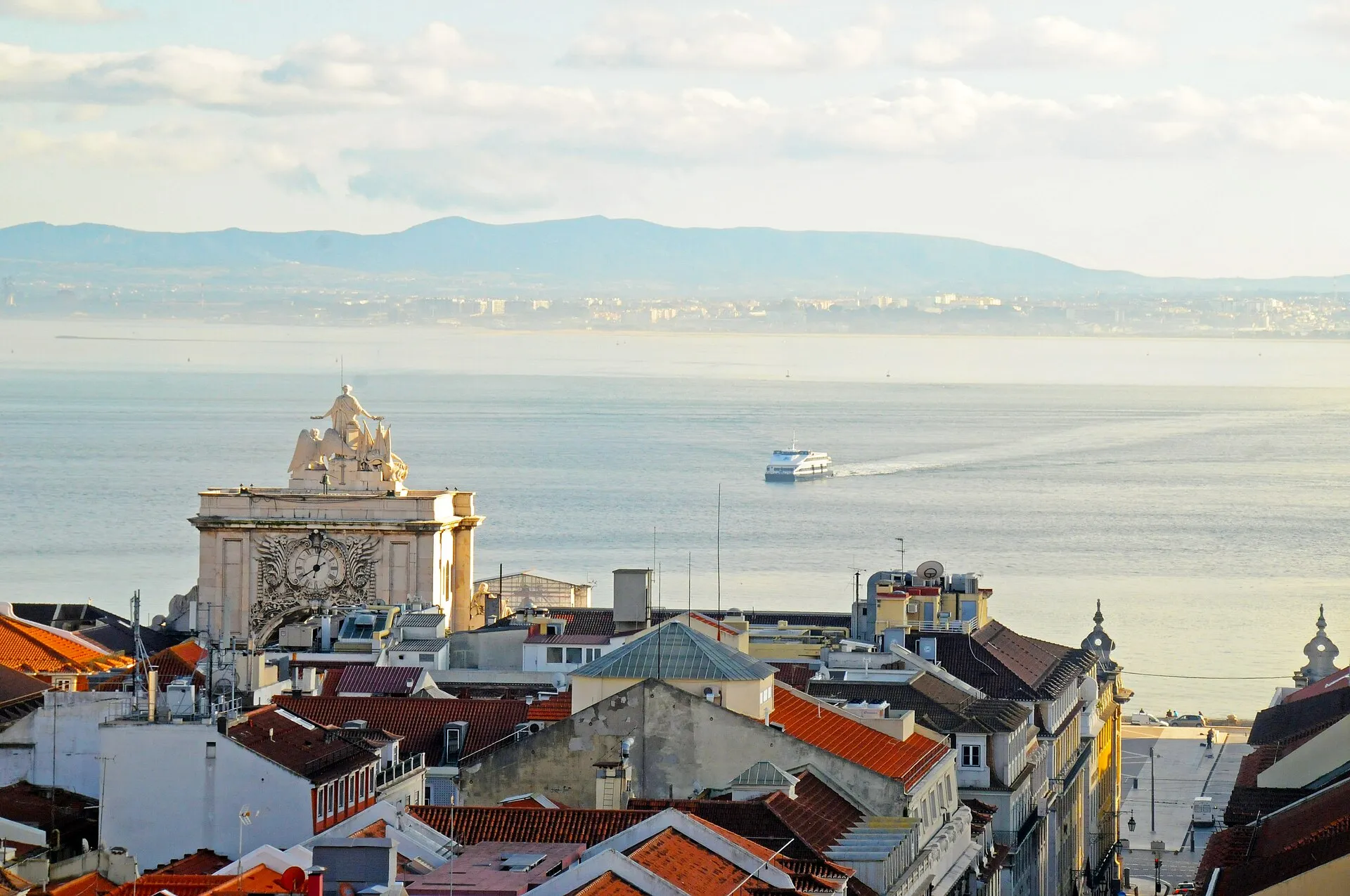
 Lisbon
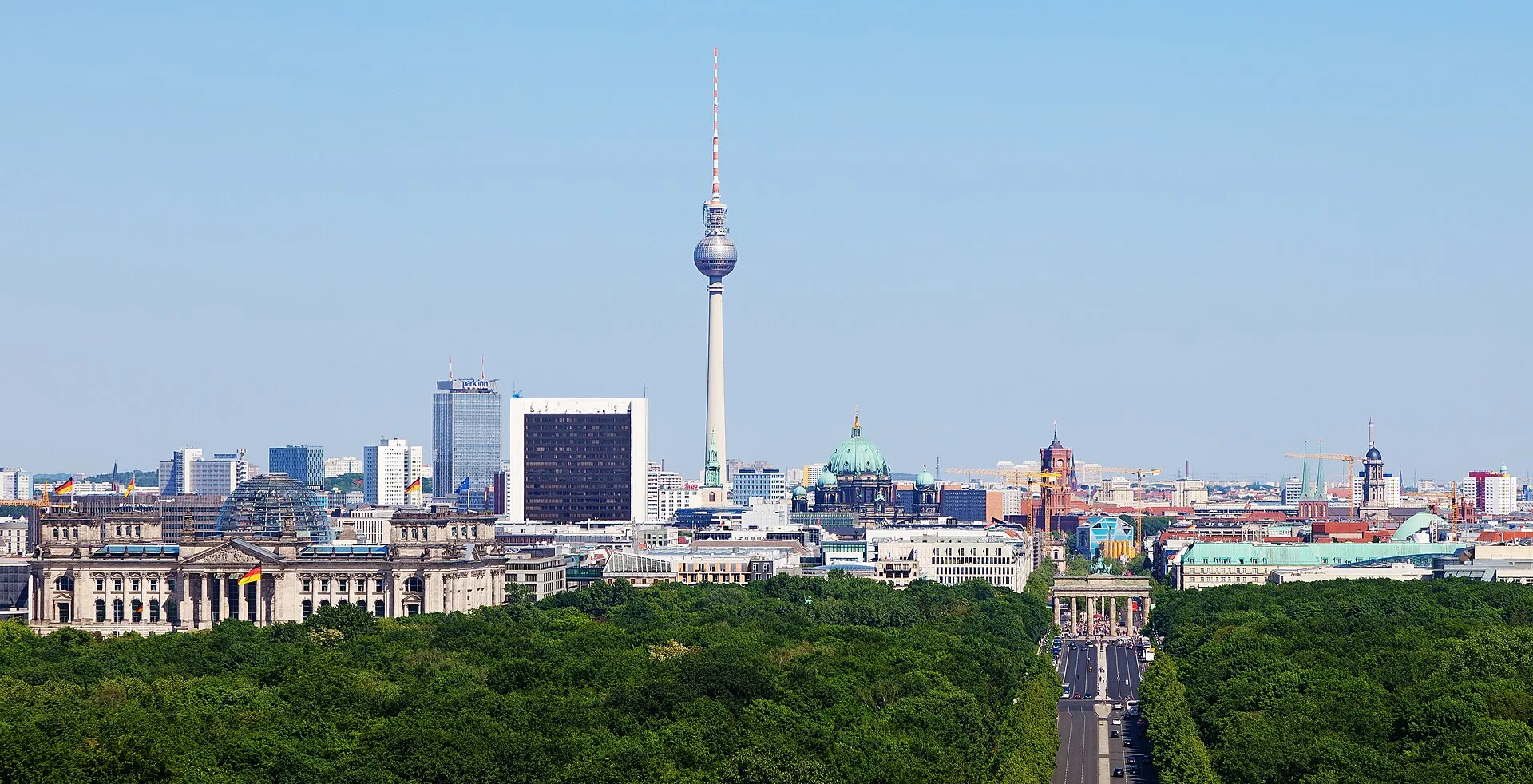
 Berlin
Take one working Tuesday in the third week of December and run it in both cities, because that is the day this decision turns on. Money will not settle it: on our estimate a month costs about $3,500 in Lisbon and $3,400 in Berlin, and even the monthly transit passes land within a couple of dollars of each other, $35 and $33. What separates them is what the hours contain.
8 a.m.
In Lisbon the sun came up about ten minutes ago. In Berlin it has another quarter of an hour to go, and the day's high will be around 4°C. You could be walking down to Cais do Sodré, watching your footing, because the polished limestone pavements turn slippery in the wet and the hills do not forgive it. After the Glória funicular derailed in September 2025, killing 16 people, the city shut all its funiculars. Graça returned in April 2026, while Bica and Lavra were still under assessment at last report, and Glória is to be replaced outright. So you climb, or you wait for a tram on a line where some hills can only be crossed by a small car.
Berlin is flat, and your commute to betahaus in Kreuzberg or to St. Oberholz on Rosenthaler Platz asks nothing of your knees. In Lisbon the equivalent desk might be Second Home, inside the Mercado da Ribeira, among plants, with lunch downstairs.
2 p.m.
A simple lunch menu in Lisbon runs $12 to $16. In Berlin a döner in the hand costs $5.50 to $9. Then the calls begin. New York's working day opens at 2 p.m. in Lisbon and at 3 in Berlin, and that single hour matters more than it looks, because of what happens next.
4 p.m.
Berlin's sun sets at about five to four. Tempelhofer Feld, the old airport turned 355-hectare park and kept free of building by a 2014 referendum, is open only from sunrise to sunset, so on this Tuesday it has already closed around you. The month has about 45 hours of sunshine in total, roughly an hour and a half a day. Lisbon has until around twenty past five, and even December, its dullest month, gets sun for about half of the time it could. You can finish a call, walk to a viewpoint in Alfama and still catch the end of the light on the river.
That is the main reason we lean Lisbon. Few people can say in June what five months of 4 p.m. darkness will do to them, and those who find out tend to find out in February.
9 p.m.
Now Berlin takes the day back. It is a city of 3.7 million against 658,000 in Lisbon proper, and at night the difference is obvious. You could have a concert, a film or a club in Friedrichshain near the East Side Gallery on any weeknight, with a choice Lisbon cannot match. Lisbon's evening is smaller and lovelier: bars spilling onto the cobbles of Bairro Alto, fado in Alfama and Mouraria. By the sixth month you may know most of it. For anyone who came to Europe for art and music, the dark afternoons are the price of a very good thing.
The same Tuesday in June
Here the argument flips, which is the trap. Berlin's sun is up at 4:44 and down at 9:32, nearly half an hour later than Lisbon's. A third of the city is forest, park and garden, and after work you could take the S-Bahn to Nikolassee and walk to the Strandbad Wannsee, 1,275 metres of lakeside sand. Lisbon's answer is the commuter train from Cais do Sodré along the Tagus to Carcavelos, with real Atlantic surf, and it is a good answer. But nobody who visits Berlin in June needs persuading.
Sunday and the paperwork
Berlin's other surprise comes at the weekend: a 2019 court ruling keeps most Spätis, the corner shops that otherwise run late into the night, shut on Sundays, so plan your groceries for Saturday or spend the day at the Mauerpark flea market.
Staying long is a different process in each country. Portugal's D8 visa gives you a clear number to clear, $4,240 a month. Germany's freelance visa sets no fixed figure, and the immigration office judges whether your income will cover your costs. One rewards a steady, provable income. The other leaves room for a freelancer whose year is harder to put in one number.
So book the third week of December in Berlin before you sign anything there. Work two full days, go out on the Tuesday night, and look up at 3:30. It costs little to learn, and June will not teach it to you.
 United States
 United Kingdom
 Canada
 Australia
 India