Cost of Living in Annecy
Real market data
Source: Numbeo · September 2026
$1,960/moSolo nomad1-bed centre + living costs
$2,680/moCoupleshared 1-bed + costs
$1,800/moLean / localcheaper area + costs
- 1-bed rent, city centre$1,060€917
- 1-bed rent, outside centre$900€783
- Monthly costs excl. rent (1 person)$900€784
- Meal, inexpensive restaurant$17€15
- Monthly transit pass$77€67
- Buy price, per m² (centre)$8,830€7,667
Prices are from Numbeo (September 2026), converted to USD at $1 = €0.87 (01 Aug 2026). The monthly living-costs figure is our transparent one-person basket, groceries, a few meals out, utilities, phone, internet, transport and essentials, priced from those figures. Solo adds central rent; couple and lean are estimates from the same numbers. The guide below quotes its own monthly range, which is a different measurement rather than a competing one: this table prices a defined basket at the figures above, while that range is a judgement about how somebody actually lives here.
Annecy is one of the most expensive mid-sized cities in France. Its alpine setting, proximity to Geneva, and strong demand from Swiss cross-border workers push prices well above the French national average.
Rent: A one-bedroom apartment in or near the Old Town (Vieille Ville) runs roughly $1,040-1,610/month. Moving to quieter outer neighborhoods like Cran-Gevrier or Meythet brings that down to $805-1,090/month. Short-term furnished lets add a 20-40% premium.
Groceries: Expect to spend $345-520/month shopping at standard supermarkets like Carrefour or Casino. Local market produce is excellent but pricier.
Eating out: A weekday lunch menu (plat du jour) costs $14-18. Dinner at a mid-range restaurant runs $29-52 per person without wine. A coffee at a cafe is $3-4.
Coworking hot desk: Dedicated coworking membership typically costs $175-405/month depending on the space and access hours. Day passes run $17-35.
Local transport: A monthly SIBRA bus pass costs around $58-69. The city is compact enough that many residents rely on bikes rather than buses.
Total monthly range: Budget $2,070-2,760/month for a frugal lifestyle sharing a flat and cooking most meals. A comfortable solo setup with coworking and regular dining out lands around $2,880-4,030/month.
Where to Work
Annecy has a small but functional coworking scene. La Jardinerie Coworking is one of the most distinctive, offering individual wooden cabin workspaces 50 meters from the train station, with fast WiFi and drinks included. La Cordee Annecy on Rue Saint-Francois de Sales is a well-known national coworking chain with a terrace, meeting rooms, and flexible day access from $40/month. Carav'Annecy on Chemin de la Prairie has a relaxed, community feel and all-inclusive pricing around $245/month. DRIP, a specialty coffee shop on Chemin des Fins Sud, doubles as a laptop-friendly space with declared fast WiFi, making it a good option for shorter sessions.
Cafe-work culture exists but is more limited than in Paris or Lyon. Many traditional cafes expect you to order regularly and do not advertise WiFi. Third-wave coffee shops are your best bet for longer working sessions.
The real WiFi situation: typical public connections in Annecy are adequate for video calls and standard work but not fast. Fiber is available in most apartments, so your home setup will likely outperform public spaces.
Getting Around
Annecy is compact and walkable at its core. The Old Town, lake promenade, and most coworking spaces are within a 20-minute walk of the train station. Cycling is very popular: the SIBRA-operated Velonecy bike-share system offers over 200 pedal and electric bikes, and dedicated cycle paths ring the lake.
The SIBRA bus network covers the wider agglomeration reliably, with routes connecting outer neighborhoods like Cran-Gevrier and Seynod to the center. A single ticket costs around $2, and monthly passes are $58-69.
Getting to and from the airport: Annecy has a small regional airport (NCY) with limited connections. For serious travel, Geneva Airport (GVA) is your main hub. You can reach it by shuttle bus in 60-90 minutes or by car in 40-45 minutes via the A41 autoroute. There is also a train connection via Leman Express Line 2, though it requires a connection and takes closer to 100 minutes. Budget for the Geneva option when planning longer trips.
Owning a car is not necessary for daily life in the city center but is helpful for exploring the surrounding Alps and lake villages.
Sorting transport? Book an airport transfer, or compare car rental on Auto Europe and QEEQ.
Visas and Staying Long-Term
France is part of the Schengen Area. Citizens of the EU, EEA, and Switzerland can stay and work indefinitely. Most other common passport holders (US, UK, Canada, Australia) can enter visa-free for up to 90 days within any 180-day period.
France does not currently offer a dedicated digital nomad visa. To stay longer than 90 days, non-EU citizens need a long-stay visa (visa de long sejour). The most relevant option for remote workers is the "visiteur" visa, which allows residence without working for a French employer. You must demonstrate sufficient income, typically at least the French minimum wage of around $1,670/month net, and hold comprehensive health insurance. The application is submitted at your home country's French consulate before arrival, and the fee is around $115. Processing typically takes 1-3 months. Geneva is the trap in the Schengen count: the Swiss sit outside the EU but inside the passport-free zone, so a day across the border neither pauses nor resets the clock, and the Entry/Exit System that registered you at your first external airport counts Swiss days exactly like French ones.
Best Time to Visit
Late spring and early autumn are the best windows for remote work combined with quality of life. May, June, and September offer mild temperatures (16-22 degrees C), fewer crowds than peak summer, and good outdoor conditions for hiking and cycling around the lake.
July and August are busy: tourist numbers spike significantly, accommodation prices rise, the Old Town is packed, and temperatures can hit 30+ degrees C with high humidity. Working becomes harder if you do not have air conditioning, which is rare in local buildings.
Winter (November-March) is cold, often grey, and wet at lake level. Ski season brings a different crowd if you are into winter sports, but expect some venues and cafes to run on reduced hours. For pure remote work output, winter can actually be productive if you are comfortable with the cold and fewer social distractions.
Spring and autumn hit the sweet spot: reasonable prices, manageable crowds, comfortable temperatures, and the landscape at its most photogenic. Two dates fill the town beyond the summer rush: the international animation film festival in mid-June, when studios and students from around the world take every bed, and the Fete du Lac in early August, whose ticketed fireworks over the water draw a crowd far larger than the town.
Pros and Cons
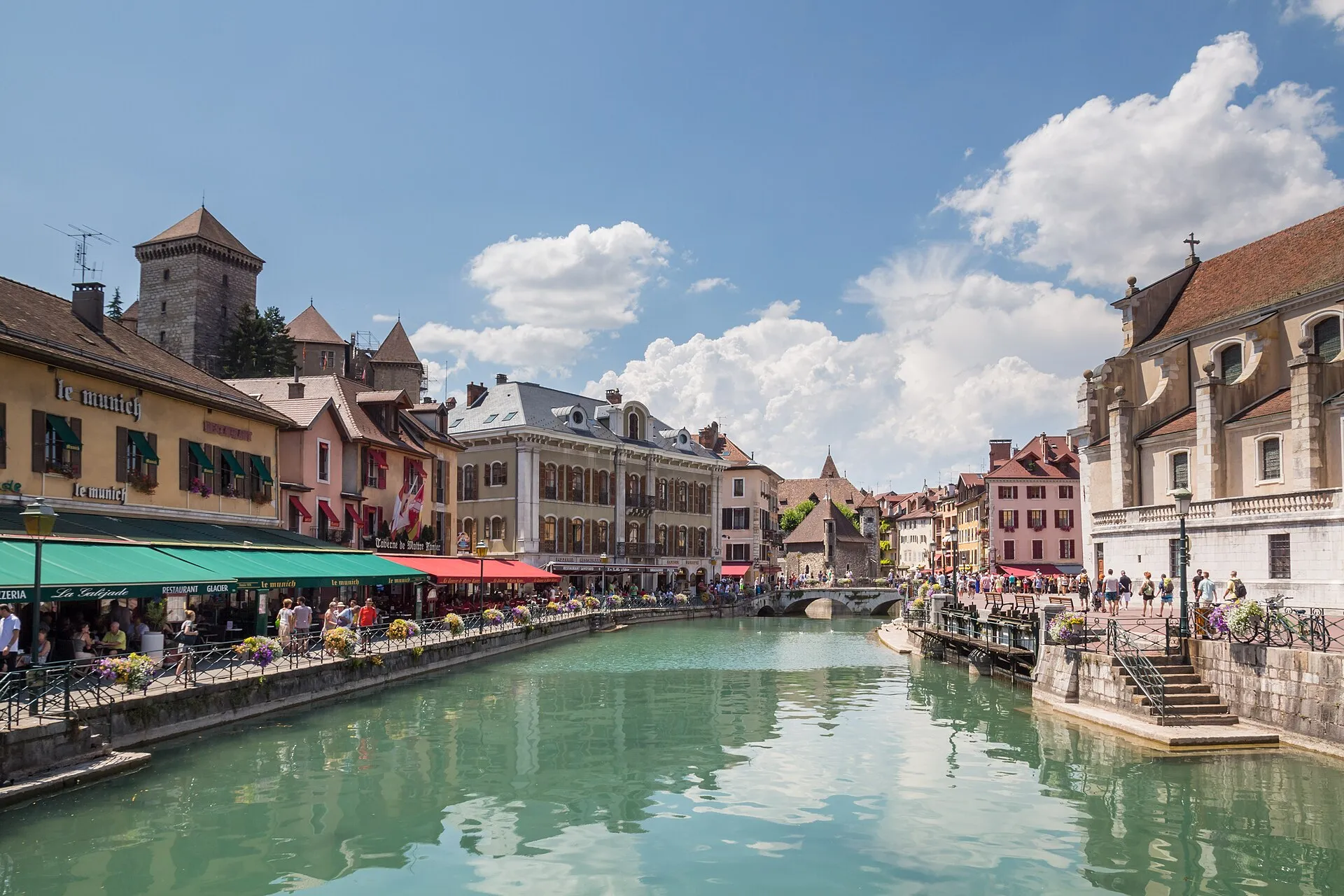
- Exceptional natural setting: the lake, old town canals, and Alps access are genuinely beautiful
- Safe and clean: very low crime, well-maintained public spaces
- Good air quality: consistently among the best in France
- Walkable core: most daily errands within easy cycling or walking distance
- Strong food culture: excellent local produce, Alpine specialties, and a growing restaurant scene
- Close to Geneva: international airport access and broader urban amenities 40 minutes away
- Expensive: one of the priciest cities in France outside Paris, driven by Swiss-border demand
- Small city limitations: limited nightlife, fewer nomad networking events, smaller English-speaking community
- WiFi speeds lag: public and coworking connections are slower than home fiber
- Tourist pressure in summer: the Old Town becomes very crowded July-August
- Limited air conditioning: heatwaves in summer can make working from home uncomfortable
- French-first environment: English is functional for tourists but limited in daily professional contexts
Who Annecy Is Best For
Annecy suits remote workers who prioritize quality of life and natural beauty over cost efficiency. If you want to ski, hike, or cycle in the Alps while maintaining a productive work schedule, few places in Europe match this combination. It works especially well for people who already have stable, well-paying remote income and do not need to stretch a budget.
It is also a solid pick for those who want a quieter, slower pace than Paris or Lyon, or who plan to use Geneva Airport frequently for client travel. Couples or small families will appreciate the safety and livability.
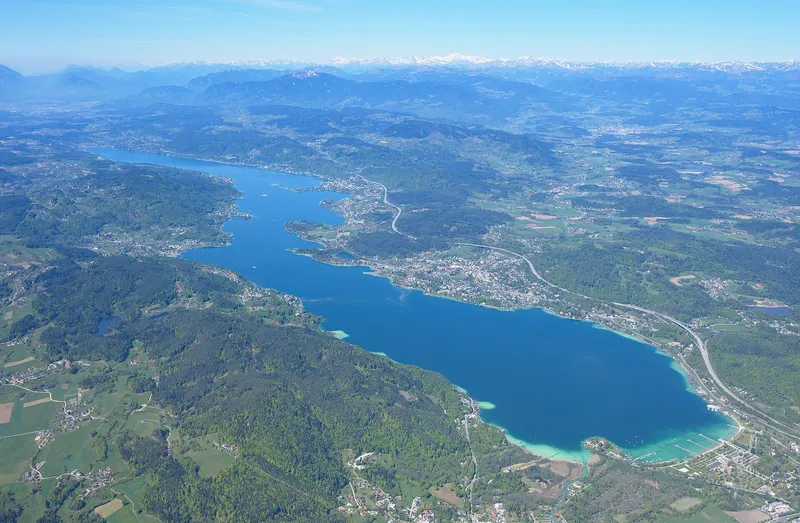
Skip Annecy if you are on a tight budget, rely heavily on networking or a large expat nomad community, need consistently fast public WiFi, or are looking for active nightlife. Those coming primarily for cost-effective European basing will find better value in cities like Lyon, Bordeaux, or Lisbon. It also rewards anyone who swims: the lake was cleaned up by a sewer ring built around its shore from the 1960s, and the free beach at Albigny puts open water a short walk from the old town.