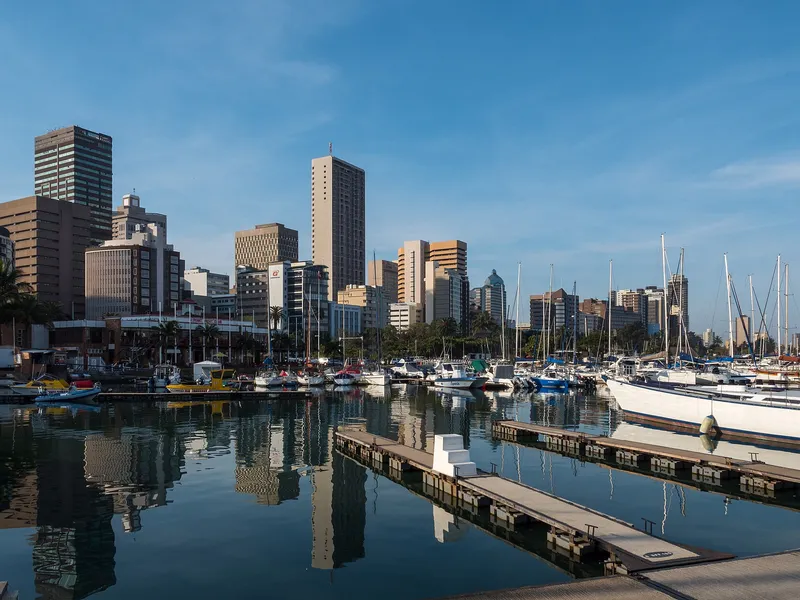
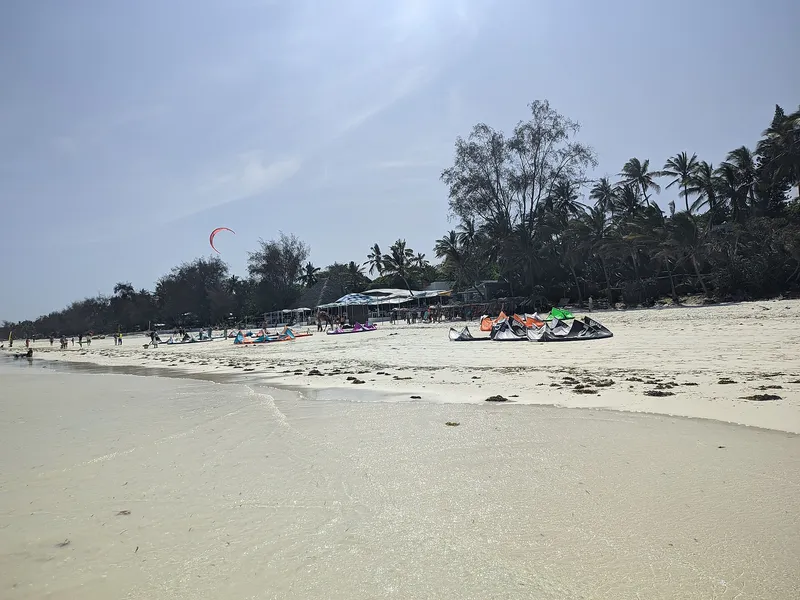
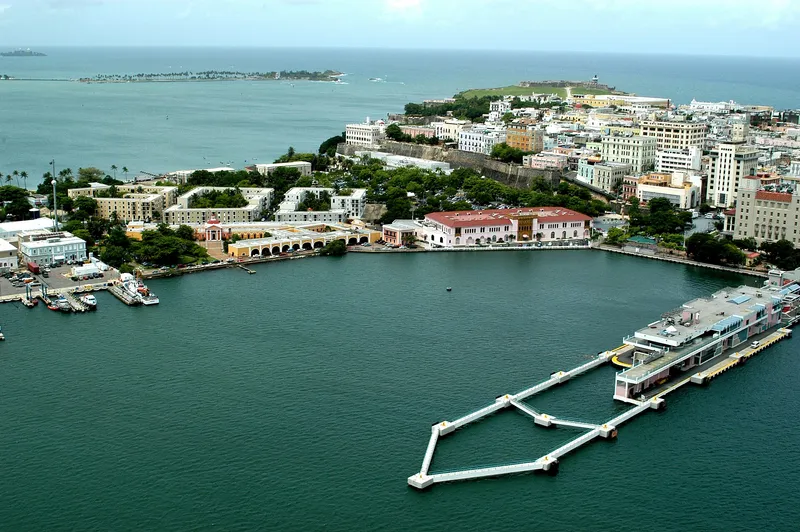
Cape Town CBD skyline with Lion's Head and Table Mountain in the background
Photo: Sami Mlouhi / Wikimedia Commons (CC BY-SA 4.0)
South Africa flag

Cape Town

South Africa

Where Table Mountain meets the ocean, stunning nature and a creative scene.

$2.000
Monthly Budget
--
Current Weather
Mediterranean
Climate Type
60 Mbps
Avg. WiFi Speed
3/10
Safety Score
2,000+
Active Nomads
--
Time Difference
Scroll
0
Nomad Score

Cape Town at a Glance for Remote Workers

Where Table Mountain meets the ocean, stunning nature and a creative scene. Plan on roughly $2,000 a month. Its strengths are nature and English, while safety is where it scores lower.

Compare Cape Town vs Johannesburg →

Category Breakdown

How Cape Town scores across all 13 factors

Weather in Cape Town

Monthly averages from 2019-2023 (Open-Meteo), and the best time to visit

25°
17°
Jan
26°
18°
Feb
23°
16°
Mar
22°
14°
Apr
19°
12°
May
18°
11°
Jun
17°
10°
Jul
17°
10°
Aug
18°
11°
Sep
21°
13°
Oct
22°
15°
Nov
23°
16°
Dec
Daily high & low (°C)Rainfall (mm/month)Best months to visit

The best time to visit Cape Town for comfortable weather is Jan, Feb, Dec. The warmest month is Feb (around 26°C by day), and the wettest is Jun (about 148mm of rain).

Chasing good weather? See other cities that are warm in Jan, or plan a multi-city route around the seasons. Staying a while in Cape Town? Check visa options, your time-zone overlap and how far your budget stretches, or find it on the world map.

Historical monthly averages, not a forecast. Source: Open-Meteo.

Best Neighborhoods in Cape Town

Where to base yourself for the perfect nomad experience

City Bowl / Gardens

$$
Central & Scenic

Table Mountain views and Cape Town's beating heart

The City Bowl sits dramatically beneath Table Mountain, with Gardens being its leafy residential side. Government Avenue, Company's Garden, and excellent cafes make this central area ideal. Kloof Street offers restaurants and nightlife, all with mountain views.

Best for: First-time visitors, professionals, and nomads wanting mountain views with city access
✓ Pros
  • Table Mountain views
  • Central location
  • Great cafes
  • Walkable
✗ Cons
  • Higher crime
  • Expensive
  • Busy streets

Sea Point

$$
Coastal & Active

Oceanside promenade living with sunset views

Sea Point is Cape Town's Atlantic beachfront neighborhood, famous for its promenade and sunset views. This diverse, walkable area attracts a mix of young professionals, families, and nomads who enjoy coastal living. Great restaurants and excellent security.

Best for: Fitness enthusiasts, ocean lovers, and nomads seeking active seaside lifestyle
✓ Pros
  • Ocean access
  • Promenade walks
  • Great security
  • Diverse restaurants
✗ Cons
  • Cold water
  • Limited nightlife
  • Foggy mornings

Camps Bay

$$$
Glamorous & Beach

Postcard-perfect beaches with celebrity appeal

Camps Bay is Cape Town at its most glamorous - white sand beaches, palm trees, and the Twelve Apostles mountain range as backdrop. Beach bars and upscale restaurants line the strip. It's expensive and touristy, but the setting is undeniably spectacular.

Best for: Beach lovers, luxury seekers, and nomads who want the Cape Town postcard lifestyle
✓ Pros
  • Stunning beach
  • Mountain views
  • Beach bars
  • Exclusive vibe
✗ Cons
  • Very expensive
  • Touristy
  • Far from CBD

Woodstock

$
Creative & Emerging

Cape Town's creative hub with craft beer and street art

Woodstock is Cape Town's creative revival story. Former industrial spaces now house galleries, craft breweries, design studios, and the famous Old Biscuit Mill market. It's gentrifying fast, attracting creatives and startups who appreciate its raw energy.

Best for: Creatives, entrepreneurs, and nomads seeking Cape Town's most dynamic neighborhood
✓ Pros
  • Creative scene
  • Food markets
  • Street art
  • Lower rents
✗ Cons
  • Safety concerns
  • Gentrifying
  • Mixed infrastructure

Observatory

$
Bohemian & Student

Student village with bohemian energy

Observatory is Cape Town's bohemian student neighborhood, centered around Lower Main Road's quirky shops and cafes. The university energy keeps it young and affordable, while its alternative character attracts artists and free spirits. Great for budget nomads.

Best for: Students, artists, and budget nomads seeking alternative community
✓ Pros
  • Affordable
  • Alternative vibe
  • Great cafes
  • Young energy
✗ Cons
  • Safety concerns at night
  • Student chaos
  • Basic infrastructure

Cost of Living in Cape Town

Cape Town gives you a lot for your money if you earn in dollars, euros, or pounds. The city is expensive by South African standards, but the quality you get for the price is hard to match anywhere else on the continent. A rough monthly budget in mid-2025 looks like this (rand figures with USD in brackets, at roughly R18 to the dollar).

  • Rent, central and furnished: a one-bedroom in the City Bowl, Sea Point, or Green Point runs around R14,000 to R20,000 ($780-1,100). A studio is closer to R9,000 to R12,000 ($500-670).
  • Rent, cheaper areas: Woodstock, Observatory, or further out toward Muizenberg can drop a one-bedroom to R9,000 to R13,000 ($500-720).
  • Groceries: roughly R4,000 to R6,000 ($220-330) if you cook most of the time. Local supermarkets like Checkers and Woolworths are well stocked.
  • Eating out: a main at a casual restaurant is R120 to R280 ($7-16). A two-course dinner with a drink lands around R300 ($17). Street food and takeaways start under R100.
  • Coworking hot-desk: a monthly flexible membership is roughly R900 to R2,700 ($50-150) depending on the space and how many hours you want.
  • Local transport: budget R2,000 to R4,000 ($110-220) if you lean on ride-hailing, less if you rely on the MyCiTi bus.

All in, a comfortable single-person month sits around R22,000 to R35,000 ($1,200-1,950), which buys you a lifestyle that would cost far more in most Western cities.

Where to Work

Cape Town has a mature coworking scene concentrated in the city center and along the Atlantic Seaboard. Workshop17 has several branches (including one at the V&A Waterfront) and is a solid all-rounder with day passes and monthly hot-desk plans. Neighbourgood on Bree Street is popular for community and networking, Ideas Cartel is the upmarket option with a café, gym, and rooftop, and Roamwork suits people who want quiet, focused work. Most sit in the R900 to R2,700 monthly range for hot-desking.

Cafe-work culture is strong. Kloof Street, Bree Street, Sea Point, and Woodstock are full of cafes where laptops are normal, though the busiest spots may ask you to move on at peak lunch times. On WiFi: fibre is widespread and coworking spaces typically run 10 to 200 Mbps. The important detail is backup power. After years of scheduled blackouts (load-shedding), most serious cafes and every coworking space invested in inverters, UPS units, and generators. As of 2026 the national grid has been stable for extended stretches, but you should still confirm a venue has power and WiFi backup, and keep a mobile data SIM as insurance.

Getting Around

Cape Town is a car city. It sprawls, and public transport does not cover it the way it does in a compact European capital, so most nomads rely on Uber and Bolt, which are cheap, plentiful, and the default for evenings and unfamiliar areas. A typical cross-town ride is R60 to R150. Renting or buying a car makes sense if you plan to explore the winelands or the coast on weekends.

The MyCiTi bus is the reliable public option and works well for the airport and daytime trips along the Atlantic Seaboard. From Cape Town International (CPT), the A01 airport express connects to the Civic Centre in the CBD and the V&A Waterfront in about 30 minutes for roughly R80 (plus a reusable myconnect card). An Uber or Bolt from the airport is R150 to R250 and takes 20 to 30 minutes. Metrorail trains exist but are not recommended for visitors on safety grounds.

Visas and Staying Long-Term

Holders of UK, US, Canadian, EU, and many other passports get up to 90 days visa-free for tourism, granted on arrival. From late 2025 some nationalities apply online for an Electronic Travel Authorisation (ETA) before flying, so check whether that applies to you.

For longer stays, South Africa introduced a Remote Work Visa (its digital nomad visa), added to the regulations in 2024 and open for applications from 2025. It is for people employed or contracted by companies outside South Africa, requires an annual income of about R650,000 (roughly $37,000), is issued for up to a year, and is renewable toward a total of around three years. A short tourist stay can sometimes be extended once at Home Affairs. Rules and thresholds change, so confirm current requirements with official South African government sources before you commit.

Best Time to Visit

Cape Town is in the southern hemisphere, so the seasons are flipped. Summer runs November to March: hot, dry, long sunny days, and peak tourist season with higher prices. It is also the windy season, when the southeaster (locals call it the Cape Doctor) picks up most afternoons and can rattle on for days. Winter, June to August, is cool, wet, and green, with the occasional brilliant clear day.

For remote work, the sweet spots are the shoulder months: March to April and October to November. You get warm, settled weather, less wind than midsummer, thinner crowds, and better accommodation rates, which is the ideal combination when you are here to work rather than just holiday.

Pros and Cons

  • Pro: exceptional value for the quality of life, with mountains, beaches, and world-class food and wine on your doorstep.
  • Pro: fast fibre, a real coworking scene, and an English-speaking, time-zone-friendly base for Europe.
  • Pro: stunning nature within minutes, from Table Mountain to the winelands to the coast.
  • Con: safety needs genuine attention. Crime rates are high, you stay alert, avoid walking at night, and use ride-hailing after dark.
  • Con: deep inequality is visible everywhere and can be confronting.
  • Con: load-shedding has eased but is not guaranteed gone, so backup power matters.
  • Con: you are dependent on a car or ride-hailing, and summer wind can be relentless.

Who Cape Town Is Best For

Cape Town suits remote workers who want an outdoorsy, adventurous base with strong value and are comfortable taking sensible safety precautions. It is a great fit if you love hiking, surfing, wine, and dramatic scenery, and if a European-friendly time zone matters to you. It works especially well for people staying a few months rather than a few days, since the payoff grows once you settle into a neighborhood and a routine.

You should probably skip it if you want walkable, car-free city living, if visible poverty and personal-safety vigilance would wear on you, or if you need a guaranteed frictionless setup with zero tolerance for the occasional power or infrastructure hiccup. Fly-in, fly-out nomads chasing a purely relaxed short break may find the logistics and the caution required more than they bargained for.


Where to Stay in Cape Town

Top neighborhoods and accommodations for digital nomads

Romney Park Luxury Apartments

Aparthotel
Green Point

Spacious suites with full kitchens near the V&A Waterfront, rated 9.0 on Booking.com and ideal for medium stays.

Check availability →

Eighty2 on M

Serviced apartments
Sea Point

Modern studio and one-bed apartments on the Sea Point promenade with high-speed WiFi and a rooftop pool for longer stays.

Check availability →

Habitat Aparthotel by Totalstay

Aparthotel
Cape Town CBD

Central city aparthotel on Adderley Street with kitchenette units and free WiFi, rated 8.4 by Booking.com guests.

Check availability →

Cape Cadogan Boutique Hotel

Boutique hotel
Gardens

Restored heritage hotel on Kloof Street steps from cafes and Table Mountain trails, Google-rated 4.7 with walkable dining.

Check availability →

never@home Green Point

Hostel
Green Point

Award-winning hostel 800m from Cape Town Stadium with private and dorm rooms, reliable WiFi, and a strong nomad social scene.

Check availability →

Browse apartments, aparthotels and hotels across Cape Town. Compare prices and book a base that suits a remote-work stay.

See available stays in Cape Town →

Affiliate link. See our disclosure.

Best Coworking Spaces

Where nomads get work done in Cape Town

Workshop17 V&A Waterfront

Coworking space
V&A Waterfront

Flagship Cape Town coworking with harbour views, fast fiber, event spaces and a strong startup community.

Visit website →

Roamwork

Coworking space
East City

Stylish 4,500 sqm industrial-design workspace on Harrington Street with art, plants and reliable fiber.

Visit website →

Cape Town Office

Coworking space
East City

Community-focused coworking on Roeland Street with regular nomad events, lunch clubs and AI meetups.

Visit website →

Workshop17 Kloof Street

Coworking space
Gardens

Central branch of Cape Town's top coworking chain on walkable Kloof Street with flexible desk and office options.

Visit website →
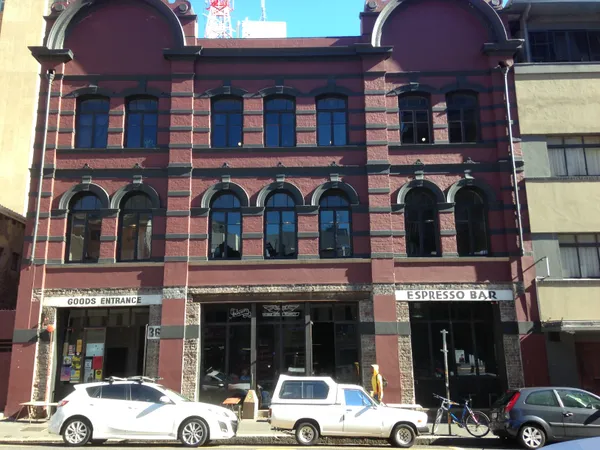
Truth Coffee Roasting building facade at 36 Buitenkant Street, Cape Town

Photo: Discott (CC BY-SA 3.0)

Truth Coffee Roasting

Laptop-friendly cafe
City Bowl

Iconic steampunk-themed roastery on Buitenkant Street, voted world's best coffee shop, with communal tables and strong WiFi.

Visit website →
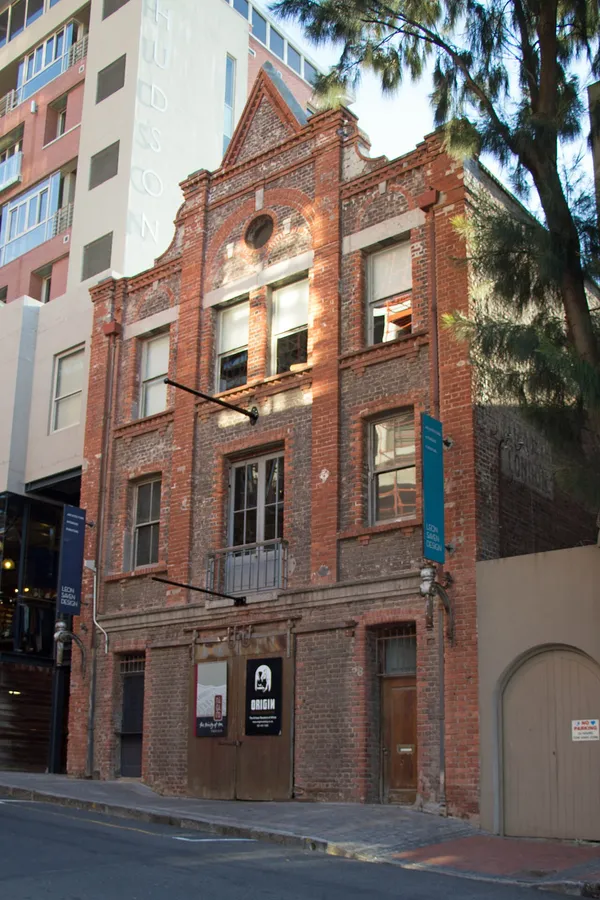
Origin Coffee Roasting Victorian warehouse building at 28 Hudson Street, De Waterkant, Cape Town

Photo: HelenOnline (CC BY-SA 3.0)

Origin Coffee Roasting

Laptop-friendly cafe
De Waterkant

Spacious specialty roastery in a historic brick warehouse where nomads settle in for hours without feeling rushed.

Visit website →

Where to Eat & Drink

Best food and drink spots in Cape Town

The Pot Luck Club

Modern sharing plates
Woodstock

Luke Dale Roberts' acclaimed small-plates restaurant inside The Old Biscuit Mill with floor-to-ceiling Woodstock views.

Visit website →

Baia Seafood Restaurant

Seafood
V&A Waterfront

Upscale harbour-side seafood restaurant serving fresh fish, giant prawns and buttery shellfish with Atlantic views.

Visit website →

Bootlegger Coffee Company

All-day cafe and brunch
Sea Point

Popular local coffee chain with uncapped WiFi, all-day brunch menu and plenty of power points for remote workers.

Visit website →

Tiger's Milk Long Street

Bar and grill
City Bowl

Lively neighbourhood bar and grill on Long Street popular with locals for craft beers, burgers and sports screening.

Visit website →

Scarpetta

Italian
Woodstock

Family-run Italian trattoria in Woodstock serving handmade pasta, rich slow-cooked sauces and wood-fired classics.

View on Maps →

Nikkei

Japanese-Peruvian
City Bowl

Sophisticated Nikkei cuisine in a high-ceilinged heritage building on Bree Street blending Japanese technique with Peruvian ingredients.

View on Maps →

What Do Nomads Say?

Vote on how accurate these scores are based on your experience

Cities with a Similar Vibe to Cape Town

Different places that score alike across our 13 categories, if you like Cape Town, these tend to feel similar.

In the rankings

Where Cape Town ranks

Cape Town features in 3 of our 32 city rankings.

  1. 1Best for nature
  2. 1Best cities in Africa
  3. 6Best for English speakers

Frequently Asked Questions About Cape Town

How much does it cost to live in Cape Town as a digital nomad?

Budget roughly $2,000 a month in Cape Town for a furnished place, food, coworking, and transport. The most popular central areas cost more; suburbs and local spots cost noticeably less.

Is the internet fast enough for remote work in Cape Town?

Cape Town rates 6 out of 10 for WiFi in our scoring, so it handles video calls and daily remote work workable. Carry a local SIM with data as a backup for cafes and travel days.

Is Cape Town safe for digital nomads?

Our safety score for Cape Town is 3/10, patchy for nomads. As anywhere, watch your belongings, favor busier streets after dark, and research neighborhoods before you book.

Is Cape Town a good city for digital nomads overall?

Cape Town stands out for nature and English among remote workers. With a typical budget near $2,000 a month and a growing nomad scene, it suits anyone whose priorities line up with those strengths.