Cost of Living in Zagreb
Real market data
Source: Numbeo · Jul 2026
$1,830/moSolo nomad1-bed centre + living costs
$2,590/moCoupleshared 1-bed + costs
$1,620/moLean / localcheaper area + costs
- 1-bed rent, city centre$880€769
- 1-bed rent, outside centre$670€579
- Monthly costs excl. rent (1 person)$950€824
- Meal, inexpensive restaurant$14€12
- Monthly transit pass$55€48
- Buy price, per m² (centre)$4,990€4,332
Prices are from Numbeo (Jul 2026), converted to USD at $1 = €0.87 (01 Aug 2026). The monthly living-costs figure is our transparent one-person basket, groceries, a few meals out, utilities, phone, internet, transport and essentials, priced from those figures. Solo adds central rent; couple and lean are estimates from the same numbers.
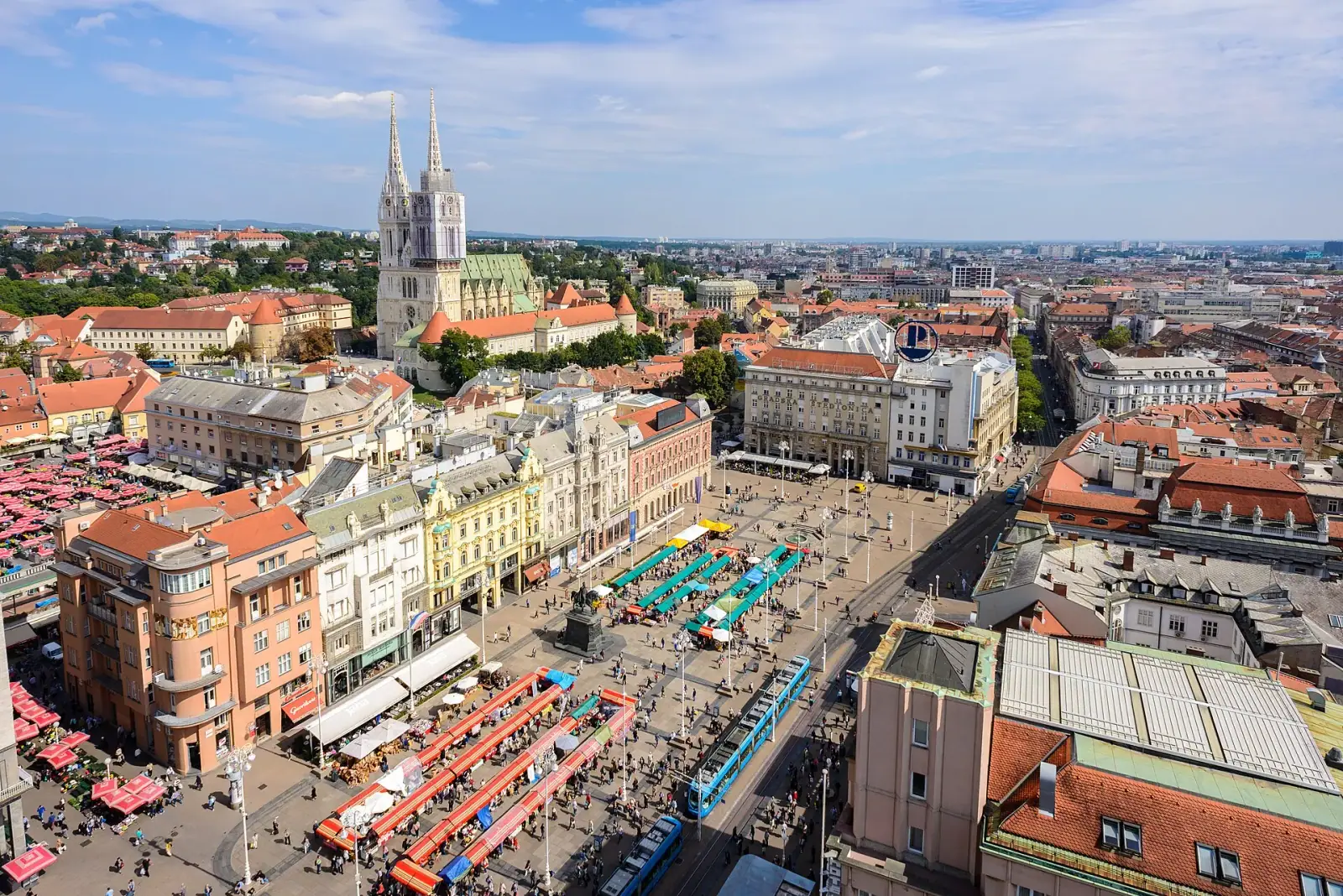
Zagreb is one of the more affordable European capitals for remote workers. Rent in the city center (Donji Grad, Gornji Grad, around Tkalčićeva) runs roughly $690-1,040 per month for a one-bedroom. Move a few tram stops out to areas like Maksimir, Špansko, or Dubrava and you can find decent one-bedrooms for $520-690.
Monthly expenses beyond rent typically look like this:
- Groceries: $175-255, shopping at local markets like Dolac or discount chains like Lidl
- Eating out: A sit-down meal at a local konoba runs $12-21; coffee at a cafe is $1.50-3
- Coworking hot-desk: $130-345 per month depending on the space
- Local tram pass: Around $58 per month for a monthly ZET pass
- Utilities (if not included): $92-175 depending on season
All-in, a comfortable remote worker budget in Zagreb lands between $1,610-2,300 per month. You can survive on less with cheaper housing and cooking at home; you can spend more with a central apartment and regular restaurant meals.
Where to Work
Zagreb has a small but solid coworking scene. HUB385 (Franje Petračića 6) is the most popular standalone space with reliable fiber, a good community feel, and day passes around $16. Impact Hub Zagreb (Basaričekova 11) skews toward social-impact startups and runs regular events. WESPA Spaces (Vjekoslava Heinzela 60) is large and modern, more corporate in feel. Day passes across most spaces run $13-17; monthly hot-desks start around $130-175 at budget options and go up to $345 at premium spaces.
Cafe work culture is genuinely good here. Zagrebians already spend hours nursing a single coffee, so sitting in a cafe with a laptop does not attract side-eyes. Filteraj and Cogito Coffee are the two most consistently recommended spots for reliable WiFi and enough outlets. Quahwa near the center has a dedicated upstairs area for focused work.
WiFi in apartments and coworking spaces is generally fast, with fiber plans widely available. Cafe WiFi is more variable, fine for video calls at the better spots but sometimes unstable during peak hours. Mobile data on a Croatian SIM is cheap and a good backup.
Getting Around
Zagreb is compact and walkable. The lower town core covering Jelačić Square, the main market, and most coworking spaces fits within a comfortable 20-minute walk. You can go days without using any transport at all if you stay central.
The ZET tram network is reliable and frequent, with 19 lines running from early morning until around midnight, then night trams on key routes. A single ride is around $1 with a mobile ticket; a 30-day pass is roughly $58. Buses cover the outer neighborhoods the trams do not reach.
The airport (Franjo Tuđman Airport) is about 17 km south of the city. The Pleso Prijevoz airport bus departs every 30 minutes and drops you at the main bus station near the city center for around $8, taking 35-45 minutes. Taxis and ride-shares cost $23-35 for the same trip.
Sorting transport? Book an airport transfer, or compare car rental on Auto Europe and QEEQ.
Visas and Staying Long-Term
Croatia is part of the Schengen Area. US, UK, Canadian, and Australian passport holders can enter visa-free for up to 90 days within any 180-day period, covering most of the Schengen zone. EU citizens have full freedom of movement.
For longer stays, Croatia offers a dedicated Digital Nomad Residence Permit aimed at non-EU nationals. As of March 2025, the permit was extended to a maximum of 18 months. You need to show a minimum monthly income of roughly $4,170 (2.5 times Croatia's average net salary), proof of remote work with a non-Croatian employer or clients, travel insurance, and six months of bank statements. After your 18-month stay you must leave Croatia for at least six months before applying again. Importantly, the permit comes with a tax exemption as long as your income is from outside Croatia.
Best Time to Visit
Zagreb has a continental climate with real winters and warm summers. The best windows for remote work are April-June and September-October. Temperatures in May and early June sit around 18-24C (64-75F), the city is lively, cafe terraces are open, and the tourist crowds have not yet peaked. September keeps similar temperatures with fewer visitors and slightly lower accommodation prices.
July and August can push above 35C (95F) during heat waves. The city empties somewhat as locals head to the coast, which makes it quieter but also means fewer events and a slightly duller social scene. Winter (November-February) is genuinely cold, often grey, and can involve sleet and occasional snow. It is workable with the right mindset and a love of mulled wine at Christmas markets, but not the classic nomad sweet spot.
Pros and Cons
- Affordable compared to Western Europe: solid infrastructure at a fraction of Berlin or Amsterdam costs
- Very safe: low crime, comfortable walking at night
- Excellent cafe culture suited to laptop workers
- Good food scene with strong local cuisine and growing international options
- Easy Schengen access for exploring nearby countries
- Growing English fluency especially among younger locals
- Smaller nomad community than Lisbon, Tbilisi, or Chiang Mai; takes more effort to meet people
- Cold grey winters with limited daylight from November through February
- No beach: the Adriatic coast is 2-3 hours away by car or bus
- Digital nomad visa income threshold is high ($4,170/month) for non-EU nationals wanting long stays
- Nightlife is modest by regional standards outside of Tkalčićeva Street
Who Zagreb Is Best For
Zagreb works well for remote workers who want a livable, safe, and genuinely affordable European capital without the tourist noise of Dubrovnik or Split. It suits people who like a walkable city, real local culture, strong coffee, and a low-key pace. Europeans and EU passport holders get the most value since the Schengen 90-day window or EU free movement makes stays frictionless. It is a strong pick for writers, developers, and designers who want a routine-friendly base in Central Europe.
It is probably not the right fit if you need a large, already-established nomad scene to plug into immediately, crave year-round warm weather, or want to combine beach time with your work base. Those looking for a party-first city will also find Zagreb quieter than expected outside of festival season.