Cost of Living in Chania
Real market data
Source: Numbeo · August 2026
$1,380/moSolo nomad1-bed centre + living costs
$1,960/moCoupleshared 1-bed + costs
$1,250/moLean / localcheaper area + costs
- 1-bed rent, city centre$650€567
- 1-bed rent, outside centre$520€452
- Monthly costs excl. rent (1 person)$730€631
- Meal, inexpensive restaurant$17€15
- Monthly transit pass$58€50
- Buy price, per m² (centre)$3,710€3,226
Prices are from Numbeo (August 2026), converted to USD at $1 = €0.87 (01 Aug 2026). The monthly living-costs figure is our transparent one-person basket, groceries, a few meals out, utilities, phone, internet, transport and essentials, priced from those figures. Solo adds central rent; couple and lean are estimates from the same numbers.
Chania sits at the affordable end of Western Europe, but the number that matters most, rent, swings hard with the seasons. A one-bedroom flat in or near the old town runs roughly $690 to $1,040 per month on a year-round lease. Step out to Nea Chora, Halepa, or the residential blocks toward the south and you can find one-bedrooms closer to $405 to $635. The catch is availability: many owners prefer short-term Airbnb income over the summer, so long-term listings dry up from May through September and prices spike. If you can, lock in a winter arrival and negotiate a lease that carries you through the busy months.
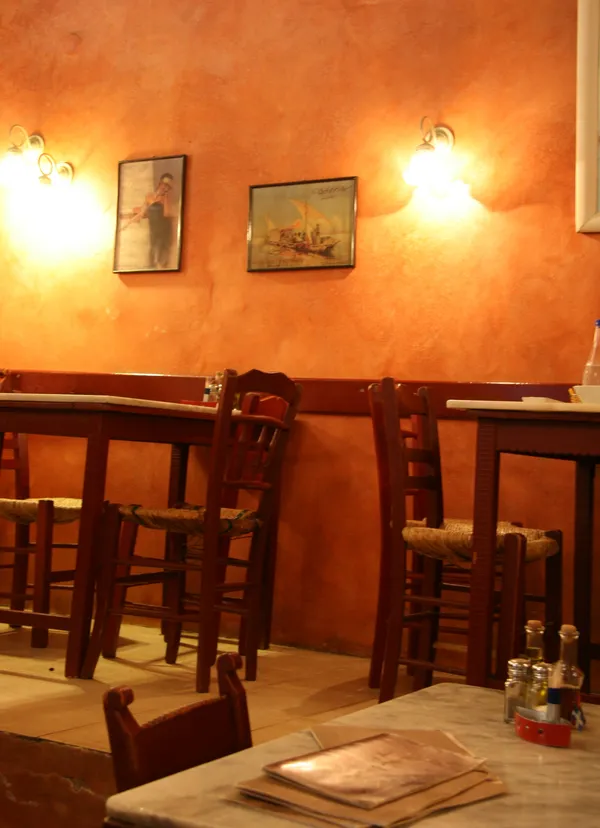
Everything else is gentler on the budget. Expect groceries around $220 to $320 per month for one person, and much less if you shop the weekly laiki (open-air market) where produce runs well below supermarket prices. Eating out is genuinely cheap by Western standards: a meal at a casual taverna or souvlaki spot lands near $14 to $21, while a proper mid-range dinner for two sits around $58 to $69. At Workhub, the city's first coworking space, a hot-desk day costs about $20 and a month about $332. Local bus fares are $1.50 to $2.50 a ride.
Add it up and a lean single-person month runs roughly $1,150 to $1,500, while a comfortable one with a central flat, regular dining out, and a coworking membership sits closer to $1,730 to $2,300. Budget for the top of that range if you are here in peak summer.
Where to Work
The anchor of the coworking scene is Workhub, the city's first dedicated coworking space, family-run and centrally located near the old town. It offers hot desks, dedicated desks, private offices, meeting rooms, fast WiFi, and free coffee, plus events that make it the easiest place to meet other remote workers. A hot desk costs about $20 a day, $90 a week or $332 a month, and members have 24-hour access on weekdays, so you can dip in for a week or settle in for a season. Beyond Workhub the scene is smaller, so it pays to check current listings before you arrive, as spaces open and close with demand.
Cafe-work culture exists but is casual. Plenty of laptop-friendly cafes dot the old town and the newer parts of the city, and Cretans are relaxed about a long coffee. That said, harbor-front cafes lean touristy and can be loud and pricey, so the quieter neighborhood spots away from the Venetian port are better for a focused morning. Home WiFi and mobile data are solid across the city, with fiber common in newer buildings, though older stone properties in the old town can be patchy. A local eSIM or SIM is a cheap, reliable backup for video calls.
Getting Around
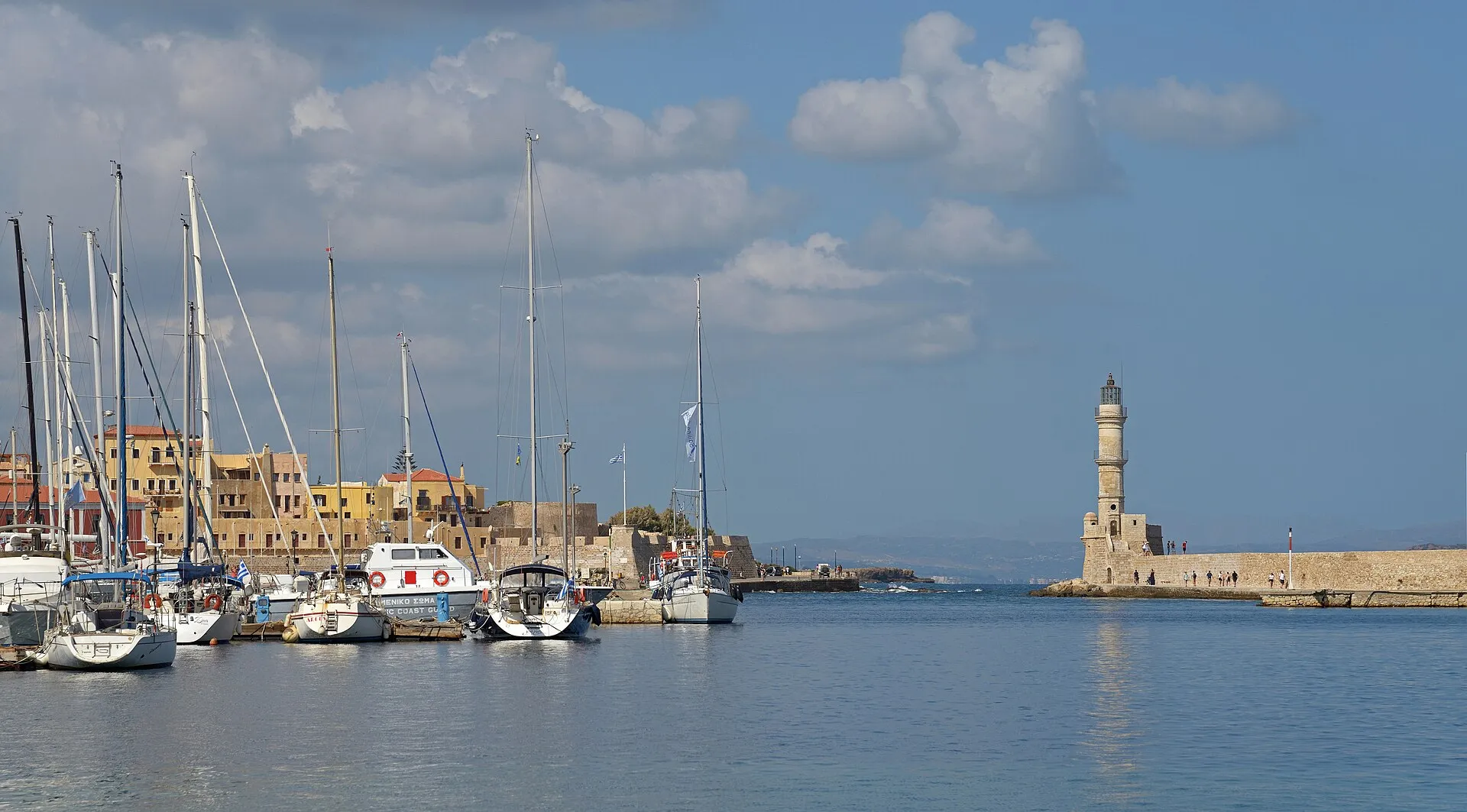
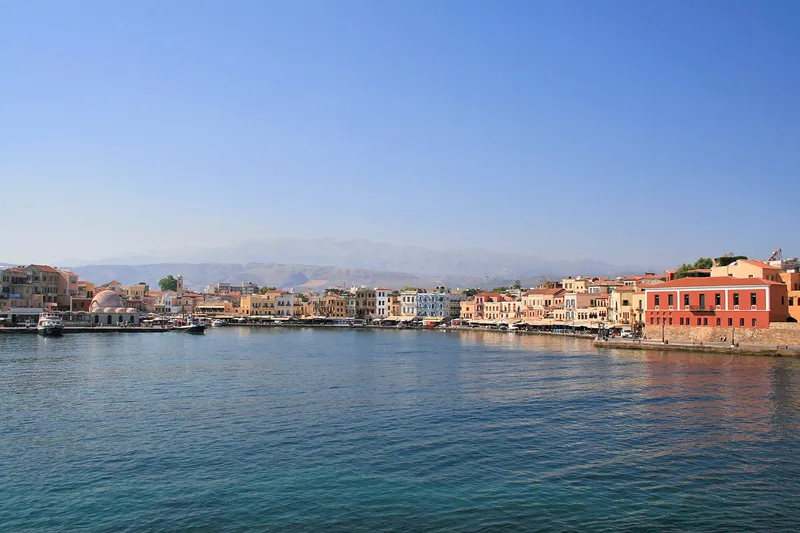
The old town is compact and made for walking. Its car-free lanes around the Venetian harbor mean you will cover most of daily life on foot, which is part of the appeal. For anything beyond the center, the local blue urban buses and the regional KTEL network do the job. KTEL Chania-Rethymno runs modern, air-conditioned coaches out to beaches, villages, and other towns, and it is cheap and reliable, though schedules thin out noticeably in winter.
A car is not essential for city living, but it transforms Crete. The island's best beaches, gorges (including Samaria), and mountain villages are far easier to reach with your own wheels, and off-season bus frequency makes a rental worth considering if you want to explore. In town, though, parking near the old town is a headache, so many residents skip the car for daily use and rent one for weekend trips.
Chania International Airport (CHQ) sits about 14 km east on the Akrotiri peninsula. A KTEL public bus links the airport to the central bus station near the old town for roughly $3 to $3.50, taking 30 to 40 minutes, though frequency is tied to flights and drops in winter. A taxi covers it in around 20 minutes. Note the airport is seasonal in feel: direct international routes multiply in summer and shrink sharply off-season, when you may connect through Athens.
Sorting transport? Book an airport transfer, or compare car rental on Auto Europe and QEEQ.
Visas and Staying Long-Term
If you hold a passport from a visa-exempt country such as the US, UK, Canada, or Australia, you can enter Greece and the wider Schengen Area for up to 90 days within any rolling 180-day period without a visa. That is enough for a long summer or a shoulder-season stint, and the 90 days are cumulative across all Schengen countries.
For a longer stay, Greece offers a dedicated digital nomad visa for non-EU remote workers whose income comes from outside Greece. It requires proof of stable remote income (recently set around $4,030 net per month, with higher thresholds for a spouse or children), grants an initial stay of up to one year, and is extendable. Greece also offers a special tax regime that can cut income tax by up to 50 percent for up to seven years for qualifying newcomers who transfer their tax residence and commit to staying. After that first year, a Digital Nomad Residence Permit of up to two years, renewable, can follow; working for Greek companies is not allowed. In summer Chania airport takes direct flights from Britain and other non-Schengen countries, so the Entry/Exit System enrolment happens in its own arrivals hall; in winter, as those routes thin out, most non-EU arrivals enrol in Athens and come on by domestic flight or overnight ferry.
Best Time to Visit
Chania has a Mediterranean climate: hot, dry summers and mild, wet winters. July and August are the hottest months, regularly topping 30C (86F) with almost no rain, while December through February are cool and rainy, averaging 10 to 15C (50 to 59F). It is one of the sunnier corners of Greece year-round.
For remote work, the shoulder seasons are the sweet spot. May, June, September, and October give you warm weather, swimmable sea, long-lease housing availability, and thinner crowds, all of which make daily life easier and cheaper. Peak July and August are beautiful but crowded, hot, and expensive. Winter is quiet and green, with the lowest rents and a slower, more local rhythm, but many seasonal businesses close and the city can feel sleepy.
Pros and Cons
- Pros: low cost of living by Western European standards
- A stunningly walkable old town and Venetian harbor
- Excellent, affordable food and legendary Cretan hospitality
- Reliable internet and a sunny, health-friendly outdoor lifestyle
- Easy beach and mountain access across a beautiful island
- Cons: heavy summer crowds and inflated peak-season rents
- Quiet, sometimes sleepy winters with seasonal closures
- A smaller nomad community than Athens or major hubs
- A car is close to essential for exploring the island
- Long-term housing is scarce and competitive in high season
Who Chania Is Best For
Chania suits remote workers who want island life over big-city buzz: people who value walkability, sea and mountains, good food, and a slower pace, and who do not need a large, always-on nomad scene. It is a strong fit for shoulder-season stays and for anyone happy to rent a car for weekend adventures. It works especially well if you can arrive off-peak and settle in on a year-round lease.
Skip it if you want a dense, year-round coworking and networking scene, a nightlife-heavy metropolis, or guaranteed cheap central housing in July. If you refuse to drive at all, or you need a buzzing community every month of the year, a larger hub like Athens or Thessaloniki will likely serve you better.