Cost of Living in Šibenik
Where this figure comes from. No cost survey covers Šibenik, so the $1,000 a month above is our own estimate rather than a measurement. On 416 of our 999 city guides the figure is built from a published Numbeo basket, a one-bedroom rent in the centre plus one person's monthly costs without rent, converted to USD; this city is not one of them. How we source everything.
Šibenik offers genuinely good value by Croatian coastal standards, sitting well below Split and Dubrovnik. A single remote worker can expect to spend roughly $1,000 to $1,800 per month depending on season, apartment quality and how much you eat out. Long-term rentals are far cheaper than short summer stays, so a lease signed in autumn or winter stretches your budget considerably. The old town commands a premium for its atmosphere, while the newer, flatter districts and nearby coastal towns are more affordable. Prices climb noticeably in July and August, when landlords favour holiday lets. Groceries, local wine and konoba meals are reasonable, though imported goods and dining on the riva cost more.
- Rent: roughly $500 to $1,000 for a one-bedroom, lower on longer leases
- Coffee: about $2 to $3 in a typical cafe
- Konoba dinner with wine: around $18 to $30 per person
- Monthly transit and local bus use: modest, well under $40
Where to Work in Šibenik
Croatian internet is reliable and fast, and Šibenik is no exception, with fibre common in apartments and decent wifi in most cafes and stays. The remote-work scene is small but present and slowly growing, so you will not find the dense coworking culture of Split or Zagreb, but you will find quiet, workable spots. The steep, stepped old town is beautiful yet impractical for hauling a laptop up and down alleys, while the newer parts of the city are flatter and easier to base a working routine around. Cafes along the seafront and in the modern districts are laptop-friendly outside peak lunch hours. For a scenic stay with dependable connectivity, it works well.
- Seafront and newer-town cafes suit casual work sessions
- A backup mobile data plan smooths over any patchy connections
Getting Around Šibenik
Šibenik's old town is a pedestrian labyrinth of steep stone alleys and stairways, so you explore the historic core entirely on foot and should pack sensible shoes. The city is compact and walkable overall, with local and intercity buses running along the coast. Split lies about an hour away by bus and Zadar a similar distance, making both easy day trips or transit hubs. Boats connect Šibenik to the Kornati islands for day excursions across the archipelago. Split Airport, roughly fifty minutes away, is the main air gateway. A rental car is genuinely useful if you want to reach Krka National Park's waterfalls easily or explore the wider Dalmatian coast at your own pace. Jadrolinija's small local ferries leave the riva all year for the inhabited islands of the archipelago, Zlarin, Prvić, Kaprije and Žirje. Zlarin, about half an hour out, is car-free, which makes it the easiest quiet swimming day of the week.
- Old town: walked on foot, steep alleys and many stairs
- Buses: about one hour to Split, similar to Zadar
- Boats: excursions to the Kornati islands
- Split Airport: roughly fifty minutes, the primary gateway
- A car helps for Krka National Park and coastal trips
Sorting transport? Book an airport transfer, or compare car rental on Auto Europe and QEEQ.
Visas for Šibenik
Croatia is part of the European Union and joined both the Schengen Area and the euro in 2023, which simplified travel and payments for visitors. Citizens of many countries, including the US, UK, Canada and Australia, can enter Schengen visa-free for up to 90 days within any 180-day period for tourism, and Šibenik falls under these standard rules. For longer stays, Croatia offers a digital-nomad residence permit aimed at remote workers employed by or running companies outside Croatia, which allows a stay beyond the 90-day Schengen limit. EU and EEA citizens have broader freedom of movement and residence. Where your flight came from matters more than which airport it lands at. A flight into Zadar or Split from Munich is an internal Schengen hop that nobody scans, while one from Dublin or Manchester sends a non-EU passport through the Entry/Exit System booths for fingerprints and a face image, since neither Ireland nor Britain is in Schengen.
- Schengen: 90 days within any 180-day window for many nationalities
- Croatia joined Schengen and adopted the euro in 2023
- A digital-nomad residence permit exists for longer remote-work stays
Best Time to Visit Šibenik
Late spring and September are the sweet spots for Šibenik, offering warm Mediterranean weather, swimmable sea and a calmer, more relaxed atmosphere without the peak-season crush. July and August bring the hottest days and the busiest streets, though Šibenik stays noticeably less mobbed than Split or Dubrovnik, so it remains a comfortable summer base. The fortress event calendar and outdoor life peak in these warm months. Winter is quiet and mild by northern European standards, but expect shorter hours and some seasonal closures among restaurants and tourist services. Shoulder seasons give you the best balance of pleasant weather, open venues, lower prices and easy access to Krka and the islands before or after the crowds arrive. The International Children's Festival, held in the city since 1958, takes over the old town's squares with theatre and workshops from late June into early July, worth knowing if you work from the centre and value quiet afternoons.
- Late spring and September: warm, calmer, ideal for a stay
- July and August: hot and busiest, but less crowded than the big hubs
- Winter: quiet and mild, with reduced hours and some closures
Pros and Cons of Šibenik
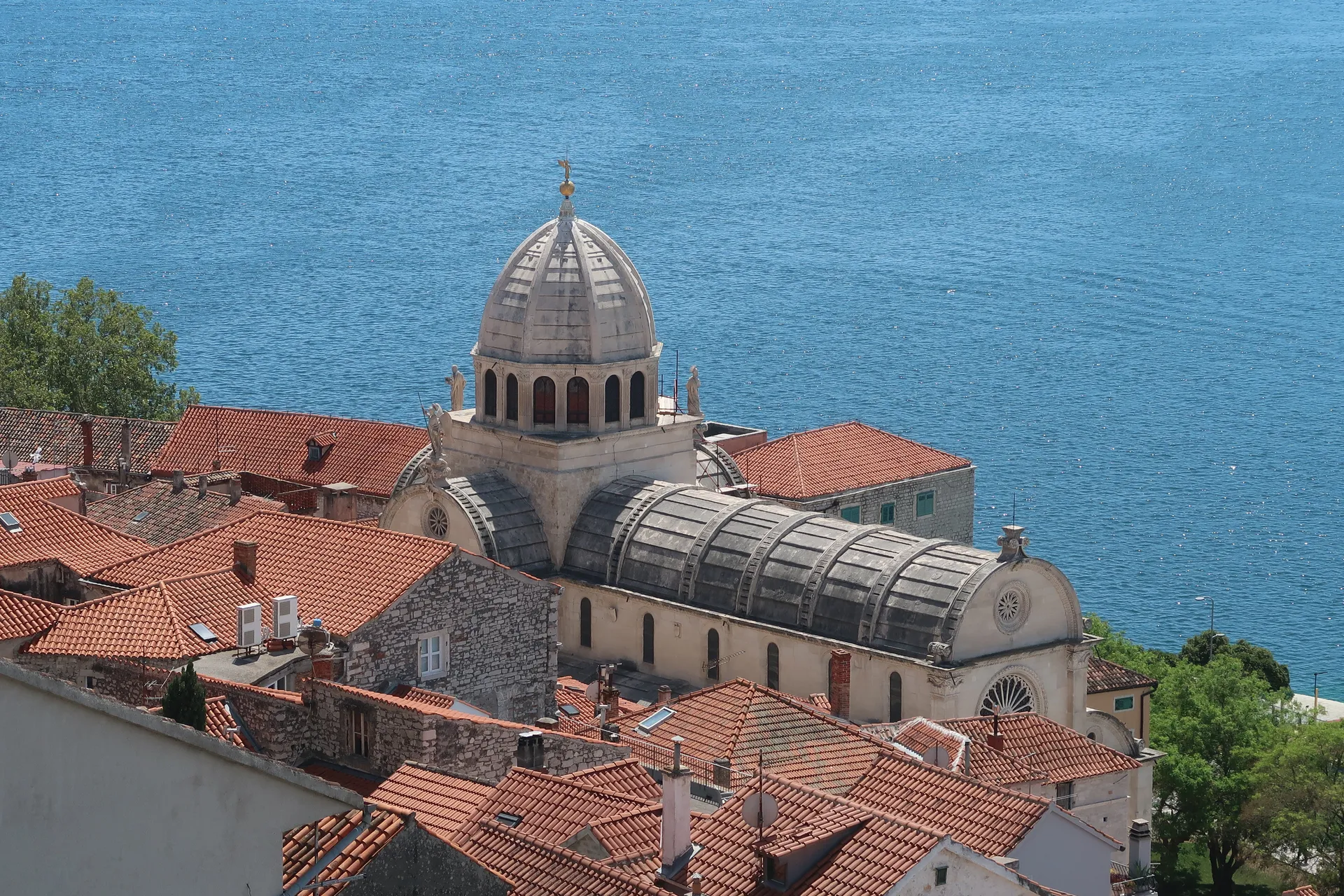
Šibenik rewards travellers who want atmosphere and authenticity over nightlife and hype. Its greatest strengths are a stunning stone old town crowned by the UNESCO-listed Cathedral of St James, genuine Dalmatian character, good value, strong safety and easy access to Krka's waterfalls and the Kornati islands. The internet is solid and the pace is refreshingly unhurried. The trade-offs are real: it is quieter and more seasonal than Split or Dubrovnik, the nomad community is small, and the steep stepped old town is charming but physically demanding. Nightlife and specialist services are limited compared with larger hubs. For the right traveller these are features rather than flaws, but go in knowing Šibenik is a calm, cultural coastal city rather than a buzzing scene. The city also holds a second World Heritage site that most visitors only see from a boat: St Nicholas Fortress, guarding the mouth of the channel, was listed in 2017 with the Venetian defence works of the Adriatic.
- Pros: UNESCO old town, good value, safety, nature, reliable internet
- Pros: calmer and less touristy than Split and Dubrovnik
- Cons: small community, seasonal, limited nightlife
- Cons: steep stepped old town, quieter off-season with closures
Who Šibenik Is For
Šibenik suits remote workers and travellers drawn to scenery, history and a slower coastal rhythm rather than a big social scene. It is ideal if you want a beautiful, walkable base for exploring Dalmatia, appreciate Mediterranean food and architecture, and value good internet with lower costs than the marquee cities. Think of it as a calmer alternative to Split or Dubrovnik, well suited to solo workers, couples and anyone craving an atmospheric cultural stay near national parks and islands. It is less ideal for those who need a lively nomad community, buzzing nightlife or year-round guaranteed services. Physically, be ready for stairs and hills in the old town. If a quiet, photogenic, authentically Croatian coastal life appeals, Šibenik delivers. Anyone picturing a swim beneath Krka's falls should know that swimming at Skradinski buk has been banned since 2021, so the park is for walking the boardwalks and the swimming happens in the sea.
- Great for: scenery lovers, culture seekers, calmer-coast fans
- Great for: solo workers and couples wanting good value near nature
- Less ideal for: nightlife seekers or those needing a big nomad scene