Cost of Living in Hvar
Where this figure comes from. No cost survey covers Hvar, so the $1,300 a month above is our own estimate rather than a measurement. On 416 of our 999 city guides the figure is built from a published Numbeo basket, a one-bedroom rent in the centre plus one person's monthly costs without rent, converted to USD; this city is not one of them. How we source everything.
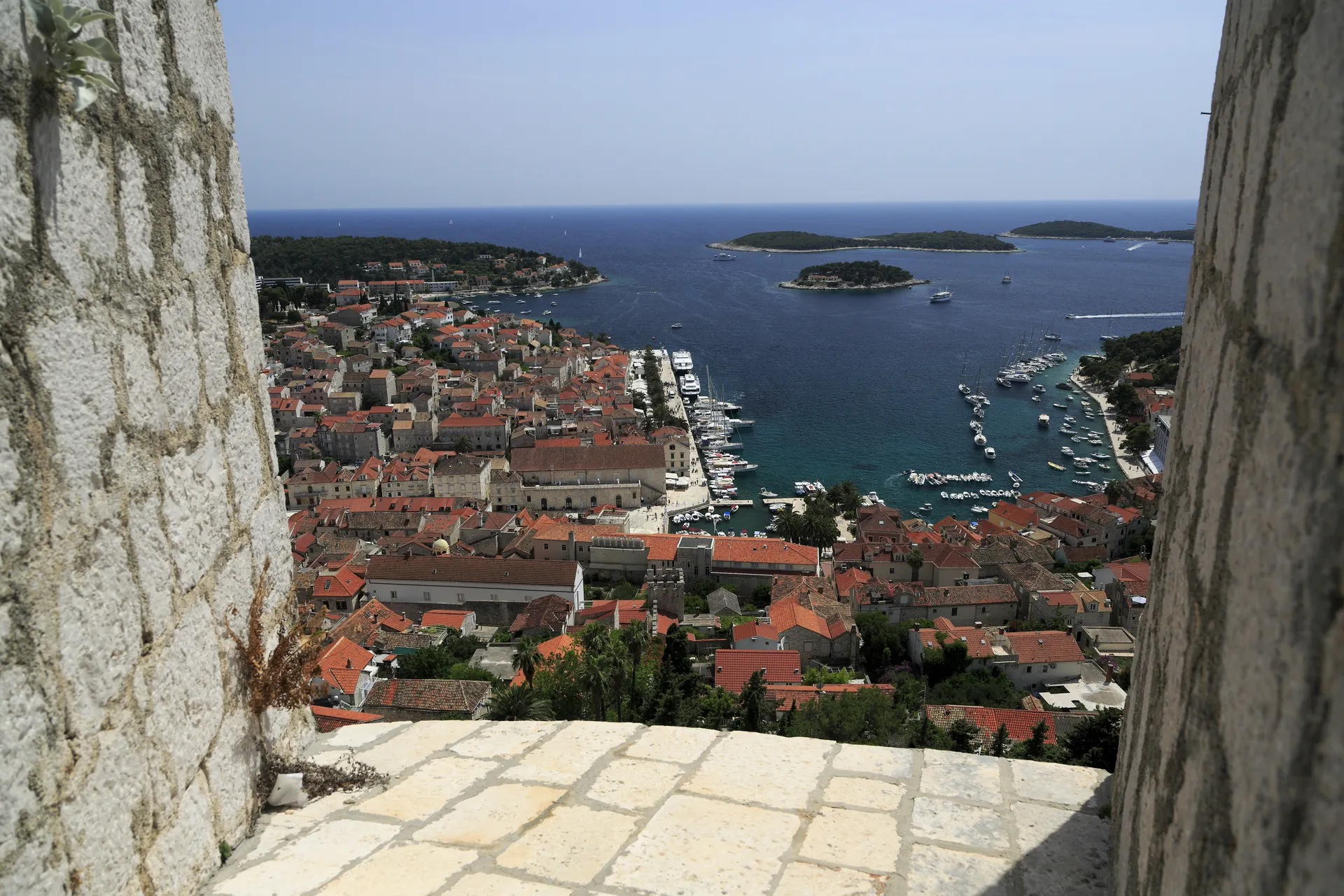
Hvar (Hvar Town) is one of the pricier bases on the Adriatic, and cost swings hard with the season. In peak July and August, harbour-front apartments, restaurants and drinks carry a glamour premium, and a solo nomad can easily spend toward the top of the range. In the shoulder months and winter, rates drop sharply and the town feels affordable again. A realistic monthly budget lands somewhere between $1,100 and $2,200 depending on when you visit and how you live. Groceries, local wine and konoba meals are reasonable; imported goods, cocktails and prime-season lodging are not. Food shopping runs a little above mainland prices, since nearly everything arrives on the car ferry, so anyone with a car can save by stocking up on the mainland. Off-season, a lease in Jelsa or on the north coast, across the hills, usually costs less than Hvar Town and comes with a quieter harbour.
- Off-season one-bedroom rental: roughly $500 to $800 per month
- Peak-summer short stays: often two to three times higher, book far ahead
- Konoba (tavern) dinner with local wine: around $20 to $35 per person
- Coffee on the square: about $2.50 to $4, more on the waterfront
- Weekly market groceries: cheaper than eating out, buy local produce and fish
Where to Work in Hvar
Croatia has solid, reliable internet, and Hvar is well connected for a small island town, so day-to-day remote work is comfortable in most apartments and cafes. What it lacks is dedicated infrastructure: there is no real coworking scene, so you will rely on your rental wifi, a mobile hotspot as backup, and laptop-friendly cafes during quieter hours. The town is genuinely set up for the Croatian digital-nomad visa, and the calm shoulder and winter months are by far the best for focused work, when cafes have space and the wifi is not shared with a peak-season crowd. In July and August the party energy and packed terraces make sustained deep work harder.
- Carry a local eSIM or SIM as a hotspot backup for calls
- Work mornings; cafes and the square get lively later in the day
- Shoulder season and winter are calmest and most productive
Getting Around Hvar
Hvar Town's historic core is car-free, so you get around on foot along marble lanes, stepped alleys and the harbour promenade. Cars are kept to the edges of town in car parks, and much of island life is walked or done by boat. Fast passenger catamarans link Hvar to Split in about an hour, with car ferries serving the island via Stari Grad, and further connections reach Korcula and Dubrovnik in season. Local taxi boats run out to the Pakleni Islands for swimming and beach days. Split airport on the mainland is the main gateway for flights. Come prepared for stairs, cobbles and a ferry-dependent rhythm. That car ferry from the mainland takes about two hours, and island buses timed to its arrivals make the run over the hills to Hvar Town, so a car is optional even for a long stay.
- Split to Hvar by fast catamaran: about one hour
- Car ferries dock at Stari Grad, not Hvar Town itself
- Taxi boats reach the Pakleni Islands in minutes
- Wear comfortable shoes; the old town is steps and marble
- Check off-season ferry timetables, which thin out considerably
Sorting transport? Book an airport transfer, or compare car rental on Auto Europe and QEEQ.
Visas for Hvar
Croatia is part of the European Union and joined the Schengen Area and adopted the euro in 2023, so the usual Schengen rules apply. Visa-exempt visitors, including US citizens, can generally stay up to 90 days within any 180-day period across the whole Schengen zone. For longer stays, Croatia offers a digital-nomad residence permit aimed at remote workers employed by or running companies outside Croatia, which allows a stay of up to 18 months without counting against the tourist limit. Requirements typically include proof of remote income, health insurance and accommodation. The seasonal catamaran on to Korčula and Dubrovnik never leaves Croatian waters, so it passes nothing the EU Entry/Exit System records. Driving the coast road to Dubrovnik through the Bosnian strip at Neum is different: that means two external Schengen crossings, each logged with your face and fingerprints, and the Pelješac bridge exists precisely to avoid them.
- Schengen short stay: up to 90 days in any 180
- Croatia joined Schengen and the euro in 2023
- Digital-nomad permit: up to 18 months for eligible remote workers
Best Time to Visit Hvar
Hvar is one of the sunniest spots in Europe, and timing your stay makes or breaks the experience. Late spring, from May into June, and September are the sweet spots: warm, sunny, sea still swimmable, prices calmer and the crowds thinner. July and August are hot, expensive and heavily party-focused, when the town fills with yachts, day-trippers and nightlife and quiet corners are scarce. Winter is very peaceful and beautiful in its own way, but many restaurants, bars and services close down and ferry schedules shrink, so it suits solitude-seekers more than social nomads. For a working stay, aim for the shoulder season. Lavender, the scent the island sells in every market stall, is harvested in June and early July, and the fields around Velo Grablje and Brusje are at their purple best in the weeks just before.
- May to June and September: ideal balance of weather and calm
- July to August: hottest, priciest and most crowded
- Winter: quiet and cheap, but many closures
- Shoulder season is best for combining work and coastal life
Pros and Cons of Hvar
Hvar (Hvar Town) is a stunning, sun-drenched island town with real history, a walkable car-free core and easy access to swimming, sailing and stellar Mediterranean scenery. Internet is reliable and the town is set up for nomads, which makes a shoulder-season stay genuinely lovely. The trade-offs are real: it is expensive by regional standards, intensely crowded and party-driven in peak summer, and noticeably quieter with seasonal closures off-season. Island life also means ferry dependence and limited services. Weigh these honestly before committing to a long stay. Hvar Town has also worked to tame its party image with fines for walking the streets in swimwear or drinking in public, which keeps the old town calmer than its reputation outside the peak weeks.
- Pro: gorgeous scenery, sun, history and a walkable old town
- Pro: reliable internet and a clear digital-nomad visa route
- Con: expensive and very crowded in July and August
- Con: strong seasonality with off-season closures
- Con: ferry-dependent island life and limited coworking
Who Hvar Is For
Hvar (Hvar Town) suits the nomad who wants a scenic, slower Mediterranean base and is willing to plan around the seasons. It rewards those who come in spring or autumn, work quiet mornings and spend afternoons swimming, sailing to the Pakleni Islands or wandering marble lanes and lavender-scented hills. It is a fine fit for couples, solo travelers who enjoy island calm, and remote workers who value beauty over big-city amenities. It is a weaker fit for anyone needing a bustling coworking community, a strict budget, or a large year-round social scene, or for those who dislike ferries, stairs and seasonal quiet. History lovers get one of the oldest farmed landscapes in Europe: on the Stari Grad Plain, the stone-walled field plots laid out by Greek colonists in the fourth century BC are still worked and listed by UNESCO.
- Great for shoulder-season stays focused on scenery and calm
- Good for couples and solo nomads who enjoy island life
- Less ideal for tight budgets or coworking-dependent workers
- Not for those wanting a big year-round social scene