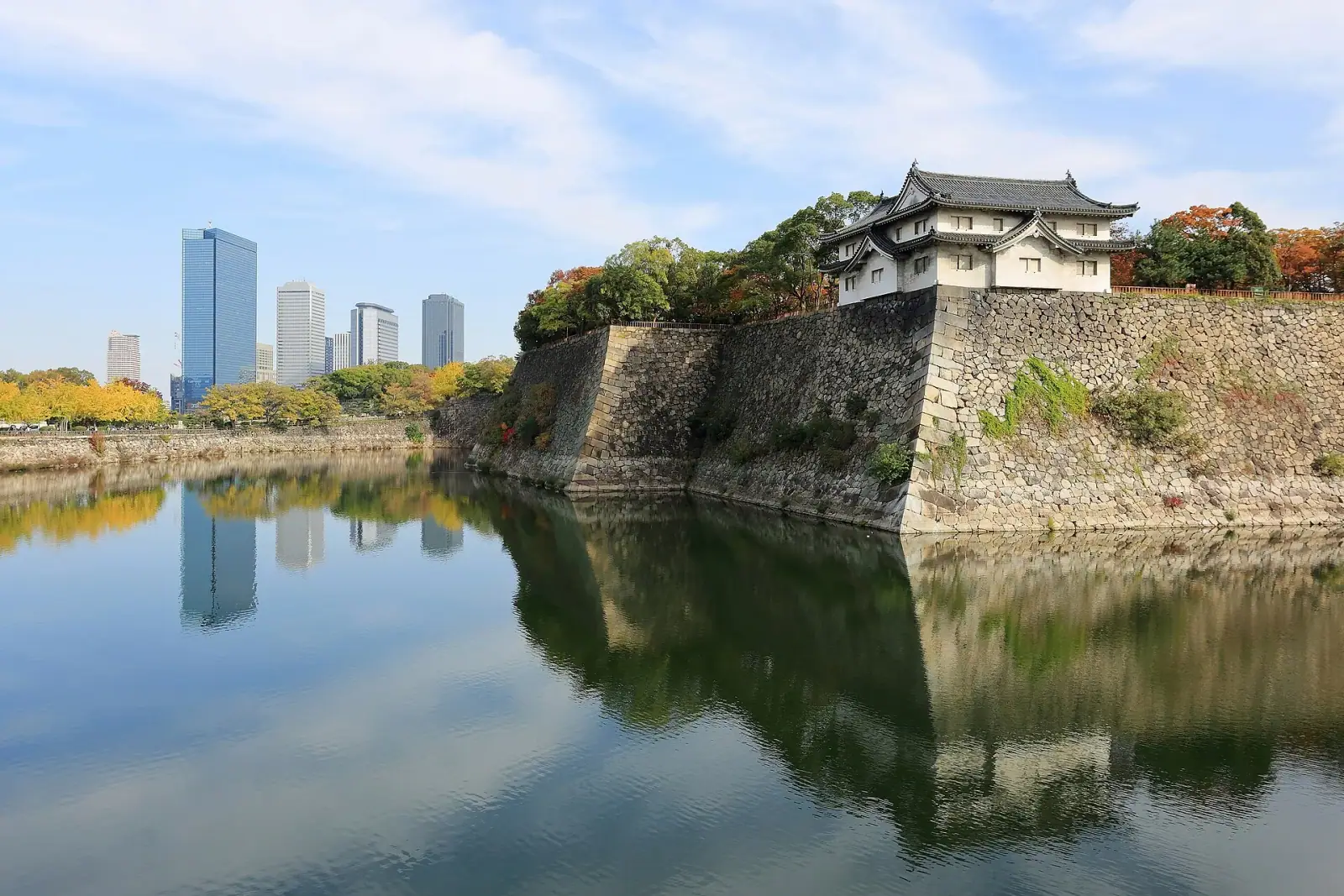
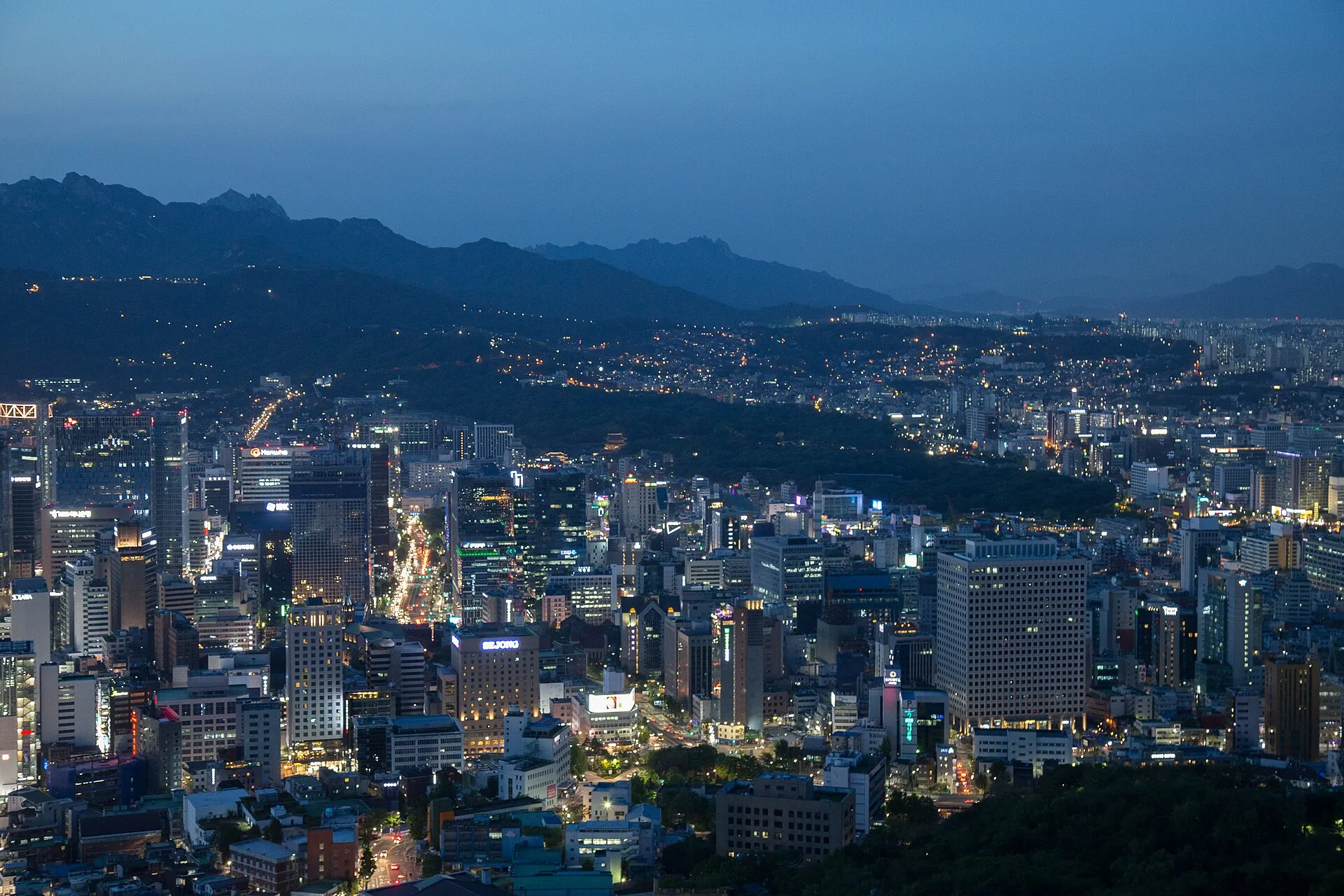
Osaka Seoul
Head to head
Osaka vs Seoul

Osaka vs Seoul: Which Is Better for Digital Nomads?

Overall: Osaka edges ahead, 8.3 to 8

A Tuesday in each city

Osaka has a word for itself, kuidaore, roughly "eat until you drop". Seoul has no single word for it, but at Gwangjang Market the answer is the same: a stool at a steaming counter, mung bean pancakes and a bowl of something red. Both are a flight of under two hours from each other, and both will feed you better than you deserve. So instead of comparing them on paper, walk through an ordinary working day.

Morning. In Seoul you could be in a converted factory in Seongsu by ten, on some of the fastest internet in the world, in a café that assumes you will stay all day. Osaka is less set up for this. There are coworking spaces around Umeda and Namba, and plenty of quiet coffee shops, but the laptop-all-day habit is not as settled, and some places will gently let you know it.

Lunch. Osaka wins this one on price and pleasure: a set lunch near the station, okonomiyaki cooked in front of you, and no need to explain yourself, because the plastic food in the window does it for you. In Seoul the meal will be just as good, though many restaurants are built around tables of two or more, and eating alone can take a little more nerve.

Seven in the evening. Down by the canal at Dotonbori, the crowds move under the giant mechanical crab and the takoyaki stalls. In Seoul you might be under the orange tent of a street stall with soju, or in Hongdae, where the night is only starting.

Midnight. Seoul is still going, and it can get you home: the subway reaches almost everywhere until around then, and taxis are cheap. Osaka has quietened, apart from Ura-Namba's narrow lanes of small bars, and your last train is something you need to think about.

The weekend is where Osaka catches up

From Osaka, Kyoto is less than half an hour away, and Nara, with its deer and its giant bronze Buddha, not much further. Temples become something you do on a free Saturday, without planning. Seoul's answer is closer to nature: Bukhansan rises inside the city limits, and you can be on a granite ridge by mid-morning using the subway. For the sea, Busan is two and a half hours on the fast train.

What decides it is the paperwork

Look at how long each country will have you. Japan's digital nomad visa lasts six months and cannot be extended, and it asks for a high income, about $5,260 a month. South Korea's workation visa asks for less, about $3,030, and can run for much longer. If you want to stay more than half a year, this may answer the question before anything else does. Our nomad visa page has the current conditions for both.

Renting pushes the same way only until you see the deposit. Monthly costs are close, around $3,200 in Osaka and around $3,000 in Seoul on our estimate, but a Korean landlord may want a very large sum up front, while a Japanese one may want key money you will not get back. Serviced flats avoid both, at a price.

The air is the one thing Seoul cannot fix: fine dust can make spring days properly unpleasant, and winters are much colder than Osaka's. Osaka's own problem arrives in August, when the heat and humidity make that walk to the station feel like a mistake.

If you are here for six months of food, trains and temples, go to Osaka. If you need to work online every day, and may want to stay on, Seoul was practically designed for you.

Osaka vs Seoul: side by side

All 13 categories we rate, each out of 10. Green is strong, amber is middling, red is weak.

OsakaSeoul
6 Climate 5
5 Cost of living 4
7 WiFi 9
8 Nightlife 9
5 Nature 5
9 Safety 9
10 Food 9
6 Community 6
4 English 6
7 Visa 7
9 Culture 9
9 Cleanliness 8
7 Air quality 4

Osaka and Seoul at a glance

829 kmapart in a straight line
Same timein January
$200a month less in Seoul
Population, urban areaOsaka11,294,000Seoul9,796,000
ElevationOsaka3 mSeoul34 m
Time zoneUTC+9in both
Nearest airportOsakaOsaka Itami International Airport (ITM), 11 kmSeoulSeoul Gimpo International Airport (GMP), 17 km
Main languageOsakaJapaneseSeoulKorean
CurrencyOsakaYen (¥, JPY)SeoulWon (₩, KRW)
PlugsOsakaType A/B, 100V / 50-60HzSeoulType C/F, 220V / 60Hz
Tap waterOsakaSafe to drinkSeoulSafe; locals often bottle
Emergency numberOsaka110Seoul112 / 119
TippingNo tippingin both
Ride-hailingOsakaGO, UberSeoulKakao T
In the Schengen areaNoin both

Population is the Natural Earth figure for the urban area around each city, elevation from the Copernicus height model, airports from OurAirports.

Where they differ most

The three biggest gaps between the two, in the words of each city guide.

Air quality

Osaka

Osaka's air quality is generally good, with PM2.5 levels typically around 8-12 micrograms per cubic metre, well below WHO guidelines. IQAir classifies most days as Good or Moderate, with February being the most polluted month due to continental dust from China.

Seoul

Air quality is Seoul's most significant environmental drawback. Yellow dust from Mongolia and northern China, combined with industrial particulate matter, creates poor air quality roughly every other day in March and April. PM2.5 levels can reach unhealthy thresholds for sensitive individuals. Autumn and summer see improvement.

Internet

Osaka

Osaka offers fast, ubiquitous internet. Speedtest's Global Index puts the median fixed broadband download in Osaka at 172 Mbps and mobile at 115 Mbps (August 2026). Free Wi-Fi is available at most train stations, major tourist areas, and convenience stores.

Seoul

Fast internet is a given in Seoul, at home and in coworking spaces. Speedtest's Global Index puts the median fixed broadband download in Seoul at 239 Mbps and mobile at 327 Mbps (August 2026). Study cafes and regular cafes offer reliable, fast WiFi with no throttling.

English

Osaka

English proficiency is moderate compared to global nomad hubs but workable for daily life. Transit signage, major tourist zones, and most coworking spaces are fully bilingual. Hotel and restaurant staff in tourist areas generally communicate in English. Outside Namba and Umeda, communication may require patience or translation apps.

Seoul

English proficiency varies widely. In tourist districts, coworking spaces, cafes in Hongdae and Itaewon, and with younger Koreans, English is workable. In everyday settings like local restaurants, markets, and outer neighborhoods, very little English is spoken. Navigation apps, translation tools, and basic Korean phrases go a long way.

From the score notes in the Osaka and Seoul guides, where each one is explained in full.

Month by month: the weather

Each bar runs from the average daily low to the average daily high. Rain is below.

OsakaSeoulScale runs from -5C to 34C, rain up to 414 mm
See the numbers
OsakaSeoul
Jan10C / 3C, 47 mm2C / -5C, 17 mm
Feb11C / 3C, 61 mm5C / -3C, 28 mm
Mar14C / 6C, 103 mm11C / 2C, 37 mm
Apr20C / 11C, 102 mm18C / 8C, 73 mm
May25C / 16C, 137 mm24C / 14C, 104 mm
Jun28C / 20C, 185 mm28C / 19C, 130 mm
Jul32C / 25C, 174 mm29C / 22C, 414 mm
Aug34C / 26C, 113 mm30C / 23C, 348 mm
Sep30C / 22C, 153 mm26C / 18C, 142 mm
Oct24C / 16C, 136 mm20C / 11C, 52 mm
Nov18C / 10C, 73 mm12C / 4C, 51 mm
Dec12C / 5C, 56 mm4C / -3C, 23 mm

Osaka: weather-station averages for 1991-2020. Seoul: weather-station averages for 1991-2020.

What a month costs

Osaka$3,200
Seoul$3,000

What residents pay

OsakaSeoul
$639 One-bedroom rent $633
$340 Groceries $404
$143 Eating out $153
$133 Utilities $130
$100 Local transport $49
$43 Home internet $30
$45 Phone $31

Our own estimate for a comfortable month for one remote worker, the same figure the city guides use. The lower lines are local prices: rent from the official statistics office named on each city guide, the rest from World Bank price levels.

Entry rules for common passports

Tourist entry on arrival. Every passport is in the visa finder, and remote-work visas are on the nomad visa page.

United States
Visa-free, 90 daysin both
United Kingdom
Visa-free, 90 daysin both
Germany
Visa-free, 90 daysin both
Canada
Visa-free, 90 daysOsaka
Visa-free, 180 daysSeoul
Australia
Visa-free, 90 daysin both
India
eVisain both

Where you would live and work

The areas people choose in each city, and some of the places they work from.

Osaka

Neighbourhoods

  • Namba/DotonboriOsaka's neon-lit food paradise
  • ShinsaibashiOsaka's premier shopping arcade
  • ShinsekaiOsaka's retro downtown soul
  • Umeda/KitaOsaka's modern business center
  • Tennoji/AbenoOsaka's southern gateway with views

Places to work

The DECKFUTRWORKSCommon Room NakatsuSHARE LOUNGE UmedaBrooklyn Roasting Company Kitahama
More on the Osaka guide →
Seoul

Neighbourhoods

  • ItaewonSeoul's international hub where English flows freely
  • HongdaeSeoul's creative heartbeat with unbeatable energy
  • GangnamSeoul's luxury district where business meets status
  • Yeonnam-dongSeoul's trendiest up-and-comer for creative nomads
  • MapoThe best balance of cost, convenience, and local charm

Places to work

FastFive GangnamWeWork HongdaeHive ArenaGoogle for Startups Campus SeoulAnthracite Coffee Hapjeong
More on the Seoul guide →

Services in a language you speak

Providers in our directory who work in a language other than the local one, from official registers, consular lists and the providers’ own websites.

Pharmacies
Estate agents
Translators
0Osaka
42Seoul
Tax advisers
25Osaka
0Seoul
Schools
0Osaka
16Seoul

Where each city wins

Osaka is stronger on

Air QualityClimateCost of LivingFoodCleanliness
Osaka guide →

Seoul is stronger on

WiFiEnglishNightlife
Seoul guide →

Add a third city in the comparison tool →

Frequently asked questions

Is Osaka or Seoul cheaper for digital nomads?

Seoul is the cheaper base, around $3,000 a month versus $3,200 in Osaka, a difference of about $200.

Which has better WiFi, Osaka or Seoul?

Seoul scores higher for WiFi (9/10 versus 7/10).

Which is safer, Osaka or Seoul?

Both rate 9/10 on safety.

Osaka or Seoul: which is better overall for remote work?

Osaka takes the overall Nomad Score (8.3/10 versus 8/10), though the right pick depends on what you value most.