Cost of Living in Shanghai
Where this figure comes from. No cost survey covers Shanghai, so the $1,800 a month above is our own estimate rather than a measurement. On 416 of our 999 city guides the figure is built from a published Numbeo basket, a one-bedroom rent in the centre plus one person's monthly costs without rent, converted to USD; this city is not one of them. How we source everything.
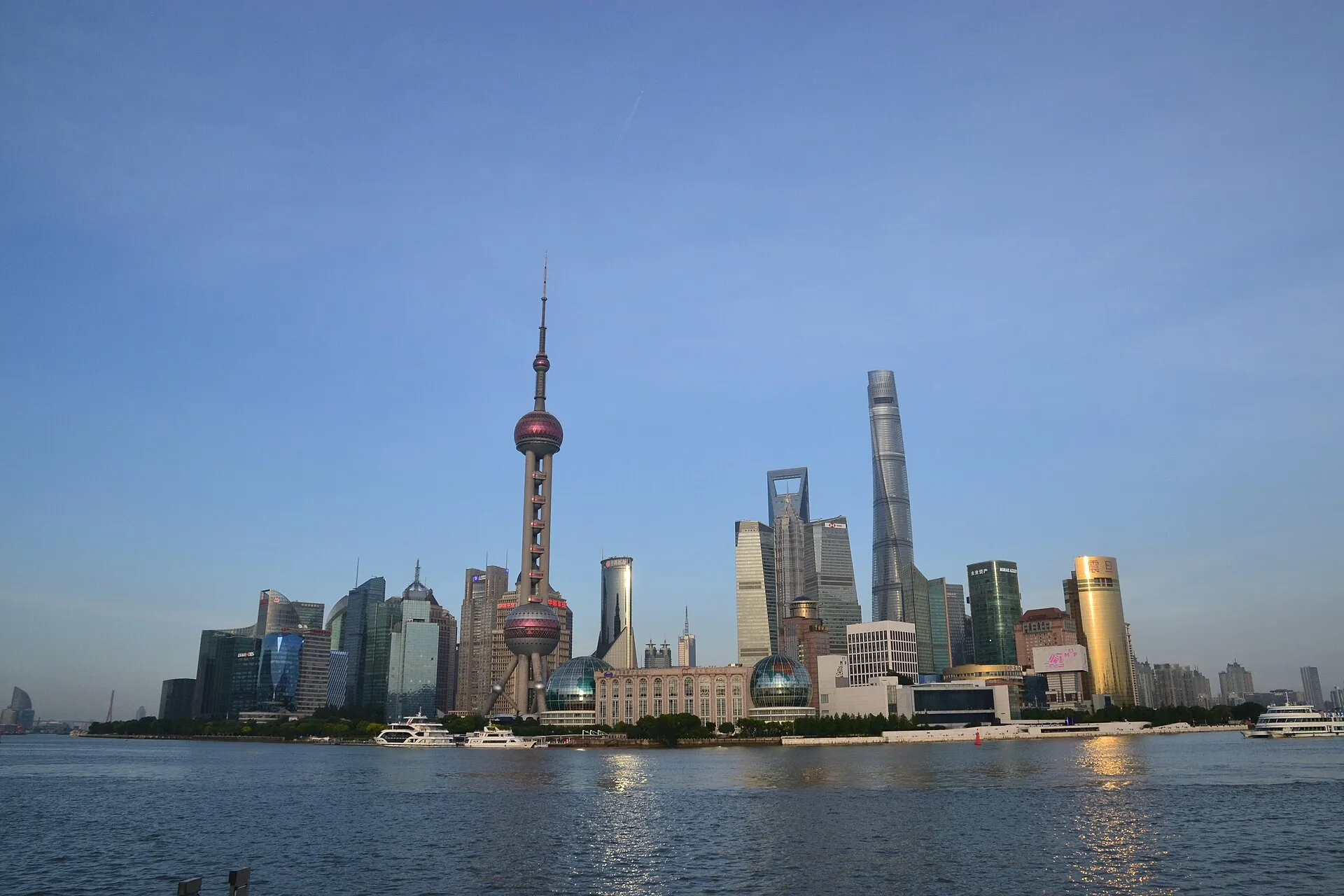
Shanghai is China's most expensive city and $1800 per month is a realistic single-person figure rather than a generous one. A furnished one-bedroom on a monthly lease in the former French Concession, Jing'an or Xuhui costs $750 to $1200; move out to Hongkou, Yangpu or beyond the Inner Ring and $500 to $700 buys the same space. Food splits sharply: local noodle shops, dumpling joints and canteens keep monthly spend near $250, while the international restaurant scene that makes Shanghai famous can double it. A data SIM with 30GB or more runs $10 to $18. Coworking hot desks are $150 to $280, the highest in mainland China. Utilities average $45 to $90, with summer air-conditioning and winter heating the swing factors. Metro and Didi together come to $30 to $50. Value verdict: costs are high by Chinese standards and modest by global ones, and Shanghai buys more genuine urban quality per dollar than any comparable city in East Asia.
Where to Work in Shanghai
The former French Concession is the default base, walkable and plane-tree shaded, with Jing'an offering a more polished version and Xuhui a quieter one. Coworking is mature here: WeWork holds numerous Shanghai buildings, Distrii and Kr Space run large domestic networks, and Naked Hub sites were absorbed into WeWork's portfolio. Independent cafe work is easy and accepted; the Seesaw and Manner chains are ubiquitous, and specialty roasters cluster around Anfu Lu, Yongkang Lu and Wukang Lu. Fibre broadband is fast and 5G coverage is excellent throughout the inner districts. The Great Firewall applies as it does nationwide, so a functioning VPN is a prerequisite for Google, Slack, WhatsApp and most Western SaaS, and reliability dips during major political events. Power supply is stable. The practical caveats are noise and seating: popular cafes are packed on weekends and sockets are scarce, so arrive before eleven.
Getting Around Shanghai
Shanghai's metro is among the world's largest, with twenty-plus lines, bilingual signage and fares of about $0.40 to $1.30. Buses cost around $0.30 but are slower. Didi handles ride-hailing; a typical inner-city trip is $4 to $12 and the app works in English with foreign cards linked through Alipay or WeChat Pay. Shared bikes from Meituan and Hellobike cost roughly $0.20 per half hour and suit the flat, dense inner districts perfectly. Shanghai is the most genuinely walkable major city in China, especially the French Concession, where the street grid is human-scaled. Pudong Airport connects by metro Line 2 for about $1 or by the Maglev in eight minutes for around $7; Hongqiao is on Lines 2 and 10 and doubles as the high-speed rail hub, putting Hangzhou within 50 minutes and Beijing within four and a half hours. No scooter or car is required. The maglev out to the eastern airport is the only commercial line of its kind running anywhere, reaching four hundred and thirty kilometres an hour for about a minute, and it is worth doing once even though the metro costs less and puts you closer to where you are going.
Sorting transport? Book an airport transfer, or compare car rental on Auto Europe and QEEQ.
Visas for Shanghai
China has no digital nomad visa, and no Chinese visa category covers remote work for a foreign employer, so remote work in Shanghai happens on tourist or business entries. Passport holders from most EU states, the UK, Canada, Australia, New Zealand, Japan and South Korea can enter visa-free for up to 30 days under the unilateral scheme China expanded through 2024 and 2025. American citizens remain excluded and need a standard L tourist visa, typically valid for 30 or 60 day stays, often on a ten-year multiple-entry sticker for US applicants. Shanghai is also a designated port for the 240-hour visa-free transit policy, which permits stays of up to ten days when continuing to a third country, a route many use to add a Shanghai leg between two other destinations. A single 30-day extension can be requested at the municipal exit-entry administration but approval is discretionary. Hotels register guests automatically; anyone in private accommodation must register at the local police station within 24 hours.
Best Time to Visit Shanghai
Shanghai is humid subtropical, and the shoulder seasons are the reason to come. October and early November are the standout window: dry, clear, highs near 22C, low humidity. Late March through May is nearly as good, though April and early June bring persistent drizzle. June and July deliver the meiyu plum rains, weeks of grey, sticky, near-constant humidity that locals dread more than the heat. July and August are the peak of summer, with highs above 35C, high humidity and typhoon risk that runs from July into September, occasionally closing the airport and flooding low streets. Winter, December to February, is not freezing but is damp, grey and poorly heated indoors, and feels colder than the 4C to 8C readings suggest. Chinese New Year empties the city for about a week and reopens it slowly. The Shanghai International Film Festival in June and the November import expo crowd hotels. The national holiday week at the start of October and the new year fortnight are when the entire country travels at once, and every train, flight and attraction books solid. The best weather of the year falls in the same week as the worst of the crowds, which is the trade to plan around. Booking either week a month ahead is already late.
Pros and Cons of Shanghai
Shanghai is the most livable large city in mainland China for a foreigner. The former French Concession offers tree-lined walkability that almost nowhere in Asia matches, the food scene spans street dumplings to genuinely world-class restaurants, the metro is vast and cheap, and personal safety is excellent at any hour. English is more widely spoken here than anywhere else in China, the international community is large and long-established, high-speed rail puts half the country within a day, and infrastructure from mobile payments to same-hour delivery simply works. The drawbacks are equally clear. Costs are the highest in the country and rents in the desirable inner districts have risen steadily. The Great Firewall still gates every Western work tool behind a VPN that can fail without warning. Summer is oppressively humid with typhoon disruption, winter is damp and badly heated, air quality has bad days, and the visa framework caps most visits at 30 to 60 days.
Who Shanghai Is For
Shanghai fits the nomad who wants a serious, fully functioning global city rather than a cheap one: high earners, consultants and founders with China-facing business, finance and design professionals, and anyone who values walkable streets, restaurant depth and an international social scene over a low burn rate. It is also the softest landing in China for a first visit, since English goes further and the expat infrastructure is decades old. Mandarin learners get a diverse, tolerant environment, though Beijing offers cleaner standard pronunciation. It suits poorly the budget nomad, since $1800 buys markedly more in Chiang Mai, Hanoi or Tbilisi, and anyone whose workflow depends on uninterrupted access to Google, Slack or Zoom without a VPN should think hard. Nomads chasing long visa runways, tropical weather, beaches or an outdoor lifestyle will find the 30-day tourist cap and the muggy summers frustrating.