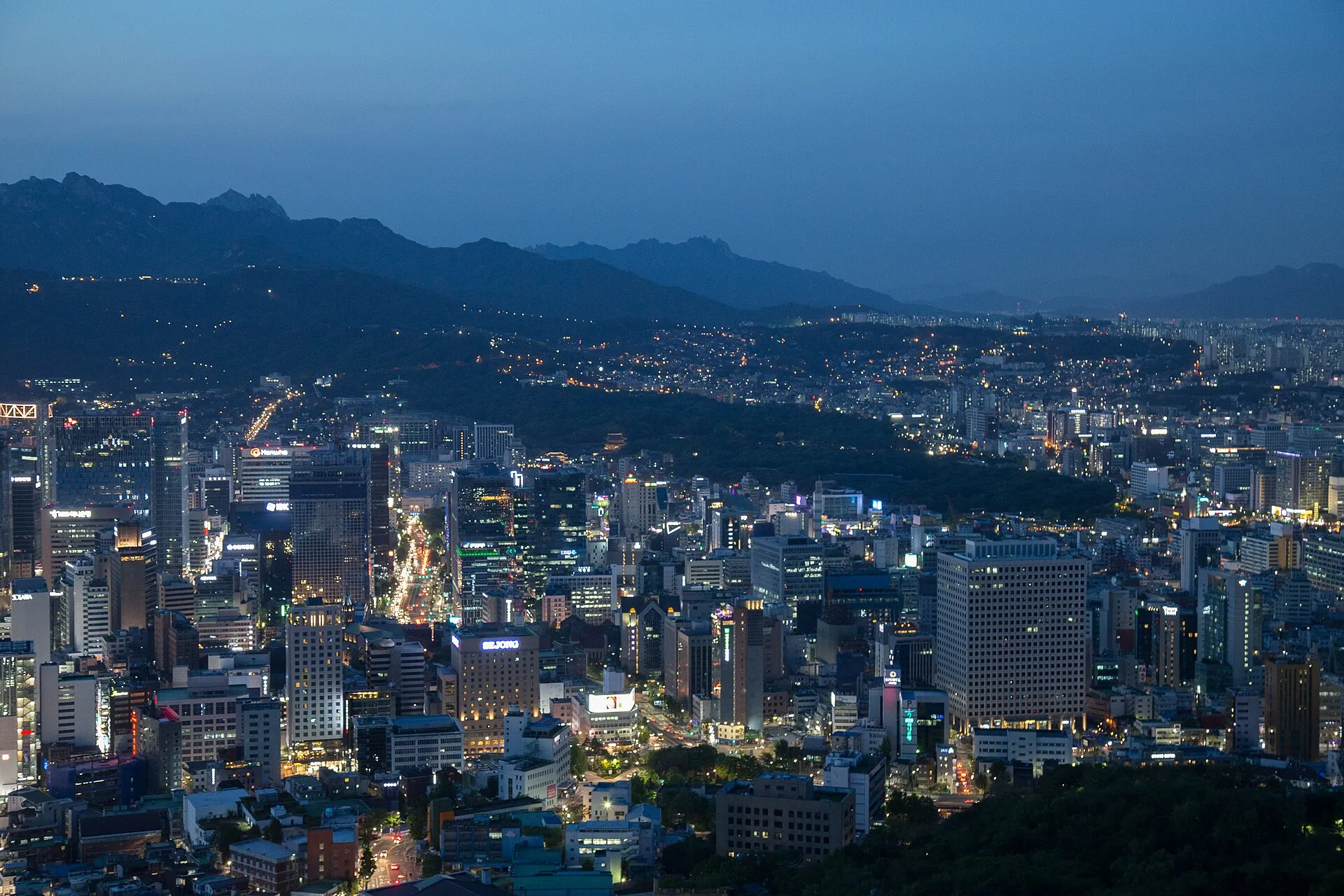
 Seoul
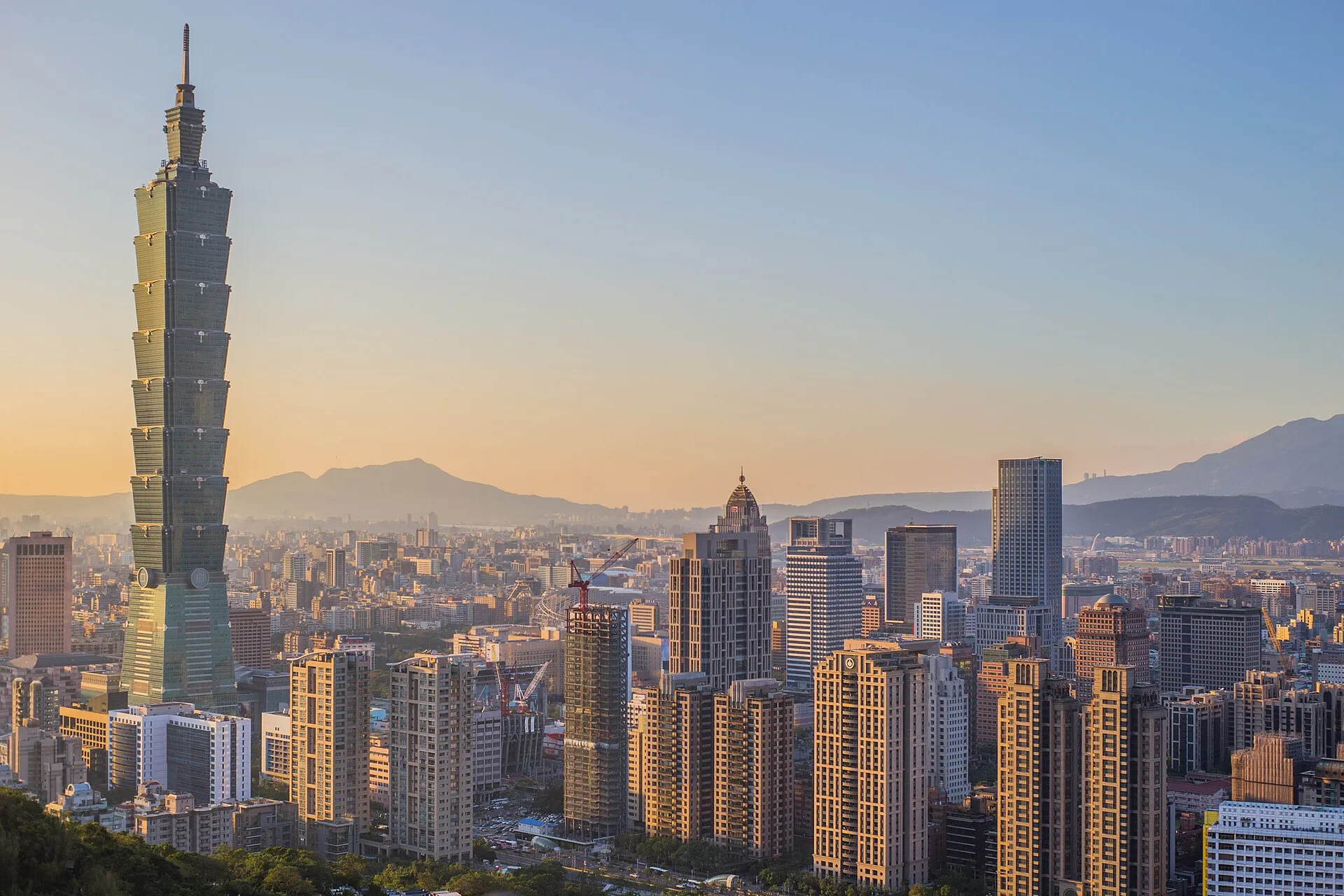
 Taipei
The best way to compare these cities is on a flight most visitors never hear about. Since 2012 a route has linked Gimpo and Songshan, the two old airports that stayed close in when the big international ones opened further out. You board at Gimpo, 15 kilometres from central Seoul and served by subway lines 5 and 9, and about two and a half hours later you come down inside Taipei, in a business district with a metro station at the terminal. For anyone choosing between them, that hop is the whole test, because it turns a move into something you can try within two months.
Two different metros
What you find at each end of that flight is the real difference. The Seoul network spreads across 24 lines and more than 1,300 kilometres, serving a capital region of about 26 million. It will take you from the cafés of Yeonnam towards the foot of Bukhansan, or out to towns you will never have reason to learn the names of. That reach has a cost: it lets you live anywhere, so you will end up spending your afternoons on it. Stay in Mapo and a meeting in Gangnam is a real trip.
Taipei's MRT has 118 stations on 138 kilometres, and it carries about two million people a day in a basin that was once a lake. Nobody eats or chews gum in the paid area, the Wenhu line's trains run without a driver, and a YouBike covers the last stretch from the station. From Da'an, you can walk through Da'an Forest Park to lunch and reach Raohe Night Market in the evening, with the dormant volcanoes of Yangmingshan and their hot springs close enough for an unplanned Saturday. Seoul gives you more city than you can ever use. Taipei gives you a city you can learn.
What the transit cannot carry for you
Getting into a flat is where these two part most sharply. In Korea even a monthly-rent lease normally starts with a large lump-sum deposit, in a system built around the even larger jeonse version. Taiwan caps the deposit by law at two months' rent. So a newcomer to Seoul tends to end up in a furnished short let or an officetel at a premium, while a newcomer to Taipei has a shot at an ordinary lease.
That explains something the headline figures hide. We estimate about $3,000 a month for a remote worker in Seoul and about $2,400 in Taipei. But local tenants pay less in Seoul, about $630 for a one-bedroom against $930, and more for everything else, about $850 against $590. Their totals nearly match. The $600 you save in Taipei comes largely from being able to live like a resident sooner.
Two more things to sort before you land. South Korea approved Google's request to export detailed map data only in February 2026, so install Naver Map and Kakao T anyway. And read the Korean visa carefully. The F-1-D, permanent since June 2026, sets its income floor by age and region, so living in Seoul rather than in the provinces lifts it from about $3,030 to about $4,550 a month if you are under 35, and to about $6,070 if you are older. Taiwan's Gold Card asks about $4,960 before tax on the salary route. Our visa table has the conditions.
The weather that stops the trains
In Seoul the calendar is the hard part. January nights average -5.5°C, spring brings yellow dust, and July brings over 400 millimetres of rain. The good months are short ones, May, June and October, and you plan around them.
Taipei rarely freezes you and rarely dries you out. Humidity stays around 70 percent or more, summer highs reach the mid-30s, and from June to October a typhoon can shut trains and flights for a day or two. Winters are grey and damp.
We lean towards Taipei for a first year, for its ease, and towards Seoul for anyone under 35 who wants a bigger scene and a harder city to finish. But you do not have to take our word for it. Book October in Seoul, when the city is at its best, and November in Taipei, when its worst heat is over. Fly the Gimpo route between them, and when the second month ends, notice which of those two small airports you would rather be flying back to.
 United States
 United Kingdom
 Germany
 Canada
 Australia
 India