
Seoul Busan
Head to head
Seoul vs Busan

Seoul vs Busan: Which Is Better for Digital Nomads?

Overall: Seoul edges ahead, 8 to 7.4

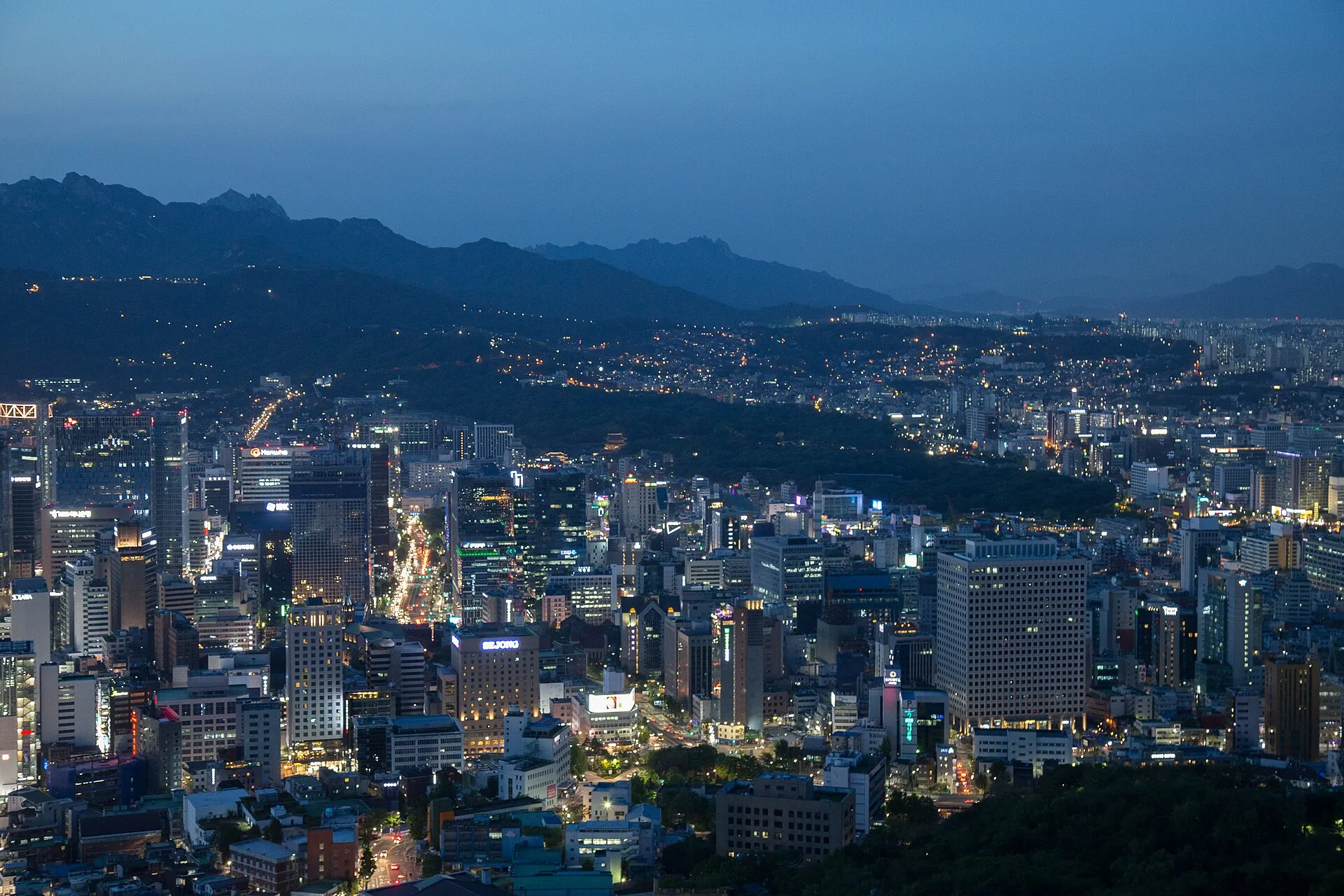
Go to Seoul. For a first long stay in Korea, that is our answer, and the reasons are short. About half the country lives in the capital region, and so does most of what you will want: the work, the English, the other foreigners, the flights. Seoul's 9.6 million people support a subway carrying around 7 million passengers a day and a district for every mood, from Itaewon, where you can get by entirely in English, to the converted factories of Seongsu. You will not run out of it.

Now for the case against, because it is much stronger than people assume.

The visa income test

South Korea's workation visa sets its income test by age and by region. The lowest bar, about $3,030 a month, is for people aged 18 to 34 living outside Seoul, Incheon and Gyeonggi. The highest, about $6,070, falls on those 35 and over, or families, inside that capital region. Busan is outside it. Our nomad visa page sets out the rule, and for a 30-year-old earning $3,500 it could make the choice alone.

Winter

A January day in Seoul peaks at around 2°C and falls to -5°C at night. In Busan it reaches 8°C and stays around freezing. Snow falls on about four days a year, and the sky is clear far more often than you would expect, with over 200 hours of sun in a typical January. If you have ever spent a Seoul winter dreading the walk to the subway, the two and a half hours on the KTX down the Gyeongbu line will look very short.

Rent

We put a remote worker's month at about $3,000 in Seoul and about $2,400 in Busan. Look underneath and the difference is mostly housing. A local tenant pays about $630 for a one-bedroom in Seoul and about $340 in Busan, while everything else costs the same $850 or so. A desk at Pathfinder Coworking starts from about $63 a month.

Busan's workcation programme

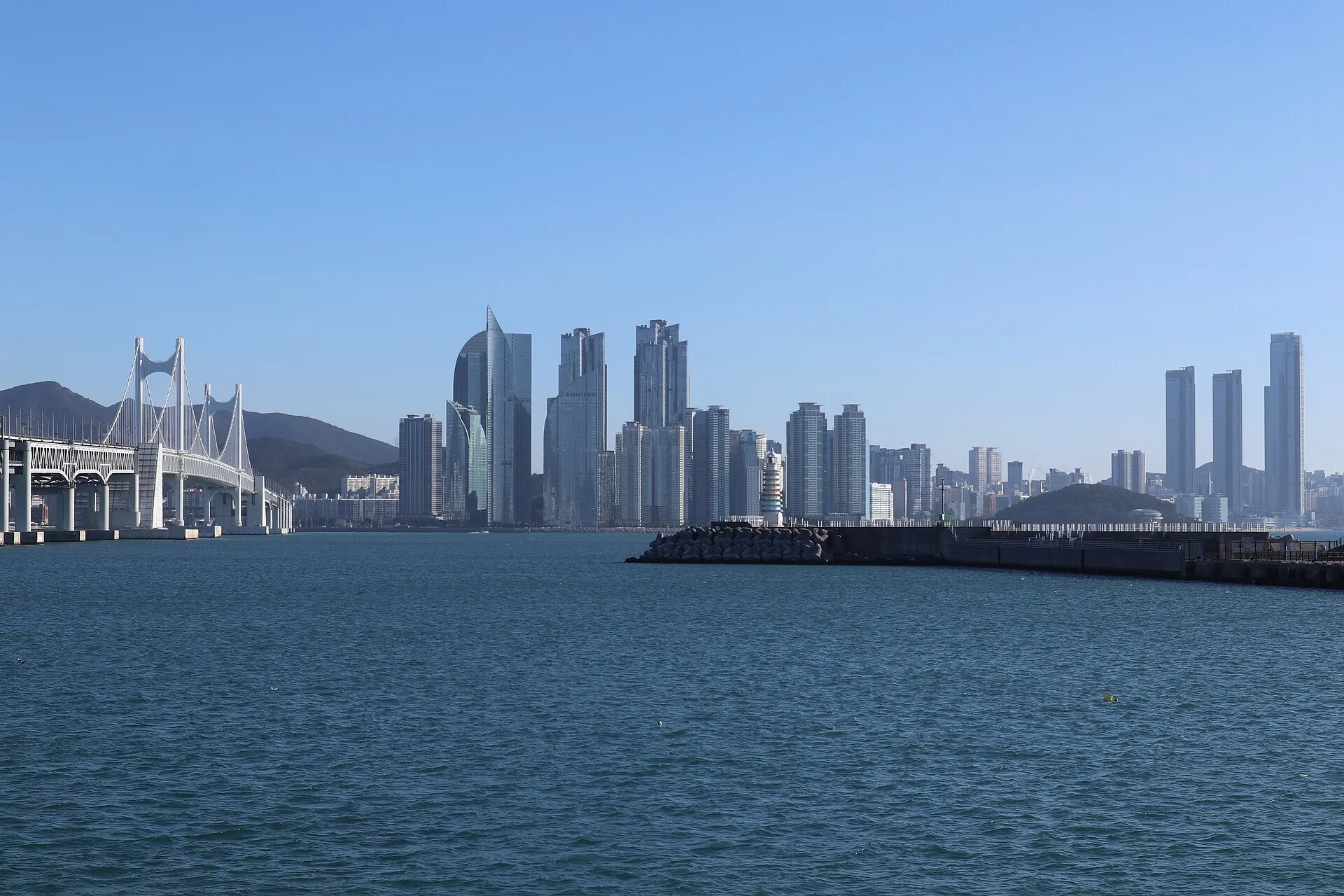
This argument is new. The city runs a workcation centre on the 24th floor of a hotel at Busan Station, with 50 workstations, and since May 2026 it has offered foreign remote workers discounted stays through Agoda. Add the ordinary pleasures. You could work in a Gwangalli café with the Gwangan Bridge lit up across the bay, buy lunch from the women of Jagalchi, who have traded on that waterfront since the years after the Korean War, and take the metro to Haeundae for a swim. The overnight ferry to Fukuoka takes about eleven and a half hours and turns any Friday into a trip abroad.

Where Seoul still wins

All of that is true, and we still say Seoul first, for reasons that show up after the first month. Busan's population is about 3.3 million and shrinking, and the foreign community is small. English is less common, too. The city's mountains split its districts into separate valleys, so your friend across town can be a long metro ride away. Its airport serves Tokyo, Osaka, Bangkok and Singapore well, but there is nothing direct to Europe.

So use the train. Spend your first season in Seoul, learn to read Hangul, set up your life and your bank account, and go down for the film festival in autumn. By then you will know if you need the capital's noise, or were only afraid of being without it.

Seoul vs Busan: side by side

All 13 categories we rate, each out of 10. Green is strong, amber is middling, red is weak.

SeoulBusan
5 Climate 6
4 Cost of living 5
9 WiFi 8
9 Nightlife 7
5 Nature 7
9 Safety 9
9 Food 9
6 Community 5
6 English 4
7 Visa 7
9 Culture 7
8 Cleanliness 8
4 Air quality 5

Seoul and Busan at a glance

325 kmapart in a straight line
Same timein January
$600a month less in Busan
Population, urban areaSeoul9,796,000Busan3,480,000
ElevationSeoul34 mBusan26 m
Time zoneUTC+9in both
Nearest airportSeoulSeoul Gimpo International Airport (GMP), 17 kmBusanGimhae International Airport (PUS), 13 km
Main languageKoreanin both
CurrencyWon (₩, KRW)in both
PlugsType C/F, 220V / 60Hzin both
Tap waterSafe; locals often bottlein both
Emergency number112 / 119in both
TippingNo tippingin both
Ride-hailingKakao Tin both
In the Schengen areaNoin both

Population is the Natural Earth figure for the urban area around each city, elevation from the Copernicus height model, airports from OurAirports.

Where they differ most

The three biggest gaps between the two, in the words of each city guide.

Nightlife

Seoul

Seoul has a serious and varied nightlife scene. Hongdae draws a young, creative crowd with indie bars, live music venues, and clubs open until dawn. Itaewon is the most foreigner-friendly district with international bars and underground club culture. Gangnam caters to a wealthier crowd.

Busan

Busan has an active nightlife centered on Gwangan and Haeundae. Gwangalli Beach's strip has craft beer bars, rooftop bars, and live music venues with views of the illuminated Diamond Bridge. Seomyeon is busier and louder, with clubs open until dawn. Haeundae caters more to tourists with international bars.

Nature

Seoul

Nature access in Seoul is better than most megacities. Bukhansan National Park sits within city limits and offers serious hiking. The Han River parks are popular for cycling, running, and picnics. Namsan provides a central green hill with city views.

Busan

Busan is unusually green and coastal for a major city. Haeundae and Gwangan beaches are metro-accessible. Taejongdae cliff park, Geumjeongsan fortress mountain, and Igidae coastal trail are all within easy reach.

English

Seoul

English proficiency varies widely. In tourist districts, coworking spaces, cafes in Hongdae and Itaewon, and with younger Koreans, English is workable. In everyday settings like local restaurants, markets, and outer neighborhoods, very little English is spoken. Navigation apps, translation tools, and basic Korean phrases go a long way.

Busan

English proficiency outside tourist areas is limited. Most locals in Seomyeon, Dongnae, and residential areas speak little to no English. Haeundae's beach strip and international restaurant zones are exceptions. Translation apps (Naver Papago is preferred locally over Google Translate) are essential for daily errands.

From the score notes in the Seoul and Busan guides, where each one is explained in full.

Month by month: the weather

Each bar runs from the average daily low to the average daily high. Rain is below.

SeoulBusanScale runs from -5C to 30C, rain up to 414 mm
See the numbers
SeoulBusan
Jan2C / -5C, 17 mm8C / 0C, 35 mm
Feb5C / -3C, 28 mm10C / 2C, 50 mm
Mar11C / 2C, 37 mm14C / 5C, 90 mm
Apr18C / 8C, 73 mm18C / 10C, 141 mm
May24C / 14C, 104 mm22C / 15C, 156 mm
Jun28C / 19C, 130 mm25C / 18C, 188 mm
Jul29C / 22C, 414 mm28C / 22C, 327 mm
Aug30C / 23C, 348 mm30C / 24C, 267 mm
Sep26C / 18C, 142 mm26C / 20C, 161 mm
Oct20C / 11C, 52 mm23C / 15C, 80 mm
Nov12C / 4C, 51 mm17C / 8C, 50 mm
Dec4C / -3C, 23 mm10C / 2C, 34 mm

Seoul: weather-station averages for 1991-2020. Busan: weather-station averages for 1991-2020.

What a month costs

Seoul$3,000
Busan$2,400

What residents pay

SeoulBusan
$633 One-bedroom rent $344
$404 Groceries $404
$153 Eating out $153
$130 Utilities $130
$49 Local transport $49
$30 Home internet $30
$31 Phone $31

Our own estimate for a comfortable month for one remote worker, the same figure the city guides use. The lower lines are local prices: rent from the official statistics office named on each city guide, the rest from World Bank price levels.

Entry rules for common passports

Tourist entry on arrival. Every passport is in the visa finder, and remote-work visas are on the nomad visa page.

United States
Visa-free, 90 daysin both
United Kingdom
Visa-free, 90 daysin both
Germany
Visa-free, 90 daysin both
Canada
Visa-free, 180 daysin both
Australia
Visa-free, 90 daysin both
India
eVisain both

Where you would live and work

The areas people choose in each city, and some of the places they work from.

Seoul

Neighbourhoods

  • ItaewonSeoul's international hub where English flows freely
  • HongdaeSeoul's creative heartbeat with unbeatable energy
  • GangnamSeoul's luxury district where business meets status
  • Yeonnam-dongSeoul's trendiest up-and-comer for creative nomads
  • MapoThe best balance of cost, convenience, and local charm

Places to work

FastFive GangnamWeWork HongdaeHive ArenaGoogle for Startups Campus SeoulAnthracite Coffee Hapjeong
More on the Seoul guide →
Busan

Neighbourhoods

  • HaeundaeBusan's iconic beach playground
  • SeomyeonBusan's urban commercial heart
  • Gamcheon Culture VillageBusan's colorful hillside art village
  • Nampo-dong/BIFF SquareBusan's traditional market district
  • GwangalliBusan's local beach with bridge views

Places to work

Pathfinder Coworking Busan National UniversityWeWork BIFCNomad WorkCoffee Smith CentumCoffee Sugamo Inn
More on the Busan guide →

Services in a language you speak

Providers in our directory who work in a language other than the local one, from official registers, consular lists and the providers’ own websites.

Pharmacies
Estate agents
Translators
Therapists
2Seoul
0Busan

Where each city wins

Seoul is stronger on

NightlifeEnglishCultureWiFiCommunity
Seoul guide →

Busan is stronger on

NatureClimateCost of LivingAir Quality
Busan guide →

Add a third city in the comparison tool →

Frequently asked questions

Is Seoul or Busan cheaper for digital nomads?

Busan is the cheaper base, around $2,400 a month versus $3,000 in Seoul, a difference of about $600.

Which has better WiFi, Seoul or Busan?

Seoul scores higher for WiFi (9/10 versus 8/10).

Which is safer, Seoul or Busan?

Both rate 9/10 on safety.

Seoul or Busan: which is better overall for remote work?

Seoul takes the overall Nomad Score (8/10 versus 7.4/10), though the right pick depends on what you value most.




