Cost of Living in Biarritz
Where this figure comes from. No cost survey covers Biarritz, so the $2,300 a month above is our own estimate rather than a measurement. On 416 of our 999 city guides the figure is built from a published Numbeo basket, a one-bedroom rent in the centre plus one person's monthly costs without rent, converted to USD; this city is not one of them. How we source everything.
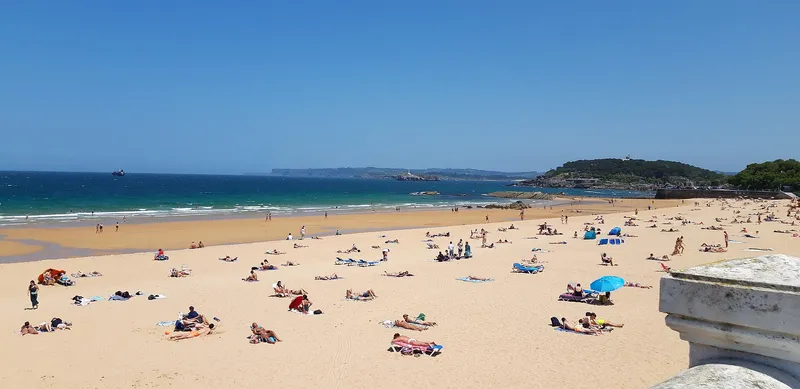
Budget roughly $2,300 a month as a solo remote worker in Biarritz, which makes it one of the more expensive places in this index and reflects a small resort town with a long-established wealthy clientele. A one-bedroom apartment near the centre or the Grande Plage runs about $1,000 to $1,400, and Anglet or Bayonne next door drop that to $750 to $1,000, which is what most people who work here actually do. Summer short-lets price out annual tenants, so a lease signed in autumn matters. Groceries land around $360 to $450. A formule lunch is $16 to $22, a dinner of Basque cooking with wine $35 to $55, and pintxos with a glass about $12. A tourist levy is charged per night on short stays and appears on every booking, which is standard along this coast. Every space in the centre is metered all year and the free ones vanish entirely from June, so a flat with a parking place attached is worth considerably more than the rent difference suggests. Utilities are modest in a mild climate, and the real seasonal cost is everything else: the same coffee, the same lunch and the same taxi all cost more in August than in February.
Where to Work in Biarritz
Biarritz and the wider Basque coast have a real remote-work presence, built partly on surfing and partly on French and Spanish professionals who moved out of the cities, and coworking supply is good for the size at roughly $180 to $300 a month, with more in Bayonne and Anglet. French internet is excellent and cheap, fibre is widespread, and mobile data is generous. Cafes along the Grande Plage and in Les Halles are comfortable, though in July and August seats are scarce. The three towns of Biarritz, Anglet and Bayonne run into one another and function as a single labour market, which widens the options considerably. The surf industry is a real employer along this coast, with board shaping, brand offices and schools, and it hires seasonally in a way that shapes the whole labour market between April and October. Out of season the working population drops and the desks free up. Anyone splitting work across the border should know that the two social security systems do not speak to each other, and that the paperwork for a cross-border arrangement is heavier than a twenty minute drive would suggest.
Getting Around Biarritz
Biarritz is small and walkable along its beaches and through the centre, with the Grande Plage, the Rocher de la Vierge and the port des Pêcheurs all within twenty minutes on foot. Buses connect the Basque coast towns frequently and cheaply, and the tram-bus line runs to Bayonne. Cycling along the coast is popular and largely flat. The railway at Biarritz and Bayonne connects to Bordeaux in about two hours and Paris in four and a half by TGV, and across the border to San Sebastián in about an hour by the Euskotren from Hendaye. Biarritz airport carries a good spread of French, British and Spanish routes for a town of 25,000.
Sorting transport? Book an airport transfer, or compare car rental on Auto Europe and QEEQ.
Visas for Biarritz
France is in the European Union and Schengen. EU and EEA citizens may live and work freely; most other Western passports get 90 days in any 180. There is no French digital nomad visa by name, but the VLS-TS visiteur long-stay visa is the practical route for remote workers with foreign income: it requires proof of resources, health insurance and accommodation, and does not permit working for French clients. The passeport talent covers founders, qualifying employees and researchers. Applications go through a French consulate abroad and are validated online on arrival. Being on the Spanish border, some people compare this with Spain's digital nomad visa, which is easier to obtain and cheaper to live under. Living on one side of the border and working with clients on the other raises no immigration question at all inside the free travel area, but it raises a tax residence question immediately, and the answer turns on where you sleep rather than where you invoice. The Spanish border is invisible; the one that counts for non-EU arrivals is passport control off the Stansted and Gatwick flights into Biarritz's small airport, where the Entry/Exit System now records a facial image and fingerprints instead of stamping. The Spanish route is cheaper to live under and the French one is easier to renew.
Best Time to Visit Biarritz
May, June, September and October are the best months in Biarritz: warm, the ocean workable, and the town busy without being overwhelmed. July and August are the French holiday season at full volume, when the population multiplies, parking becomes impossible and prices peak. Surfing is best in autumn, when Atlantic swells arrive with warm water and thinner crowds, and September and October are the months surfers plan around. Winter is mild, around 13 degrees, and wet, with big swells and a quiet town; the Basque coast catches Atlantic weather and rain is frequent from November to March. The town does not close in winter, unlike smaller resorts. The fetes at Bayonne at the end of July fill the whole conurbation for five days, with the crowd in white and red and very little sleep available anywhere within reach, which is either the reason to come or the week to be gone. The sea is at its warmest in September, a month after the crowds have thinned. The big swells arrive in winter, and the beaches that are crowded in August are empty and working properly by February.
Pros and Cons of Biarritz
Biarritz has one of the best combinations of surf, food and setting in Europe: Atlantic beaches in the middle of town, Basque cooking that stands with anything in France or Spain, the Pyrenees an hour inland and San Sebastián an hour south. It is well connected by air and rail for its size, has a genuine remote-work community, and stays open all year. It is expensive, and the gap between summer and winter in both price and atmosphere is a wide one. Housing is tight and short-lets dominate. It is a small town, so the professional network is limited, and while English is more common than inland, French carries daily life.
Who Biarritz Is For
Surfers, and anyone who wants Basque food and Atlantic coast enough to pay for them. French resort prices are the first filter and they are not gentle. What clears it is a coast where France and Spain sit within an hour of each other, and a remote-work crowd that already exists here instead of only in the big cities. It works for couples and for solo workers who are outdoors a lot. This is an expensive stretch of coast and a tight budget will not survive it, the professional network is thin outside surfing and hospitality, and the Atlantic decides the weather rather than the season. San Sebastián across the border is comparable and cheaper; Bayonne and Anglet are the same coast at lower rent. A winter lease signed in October is the arrangement that makes living here possible at all, since anything let by the week from June costs several times as much. Anyone arriving in August to test the place will be testing a different town from the one they would actually live in.
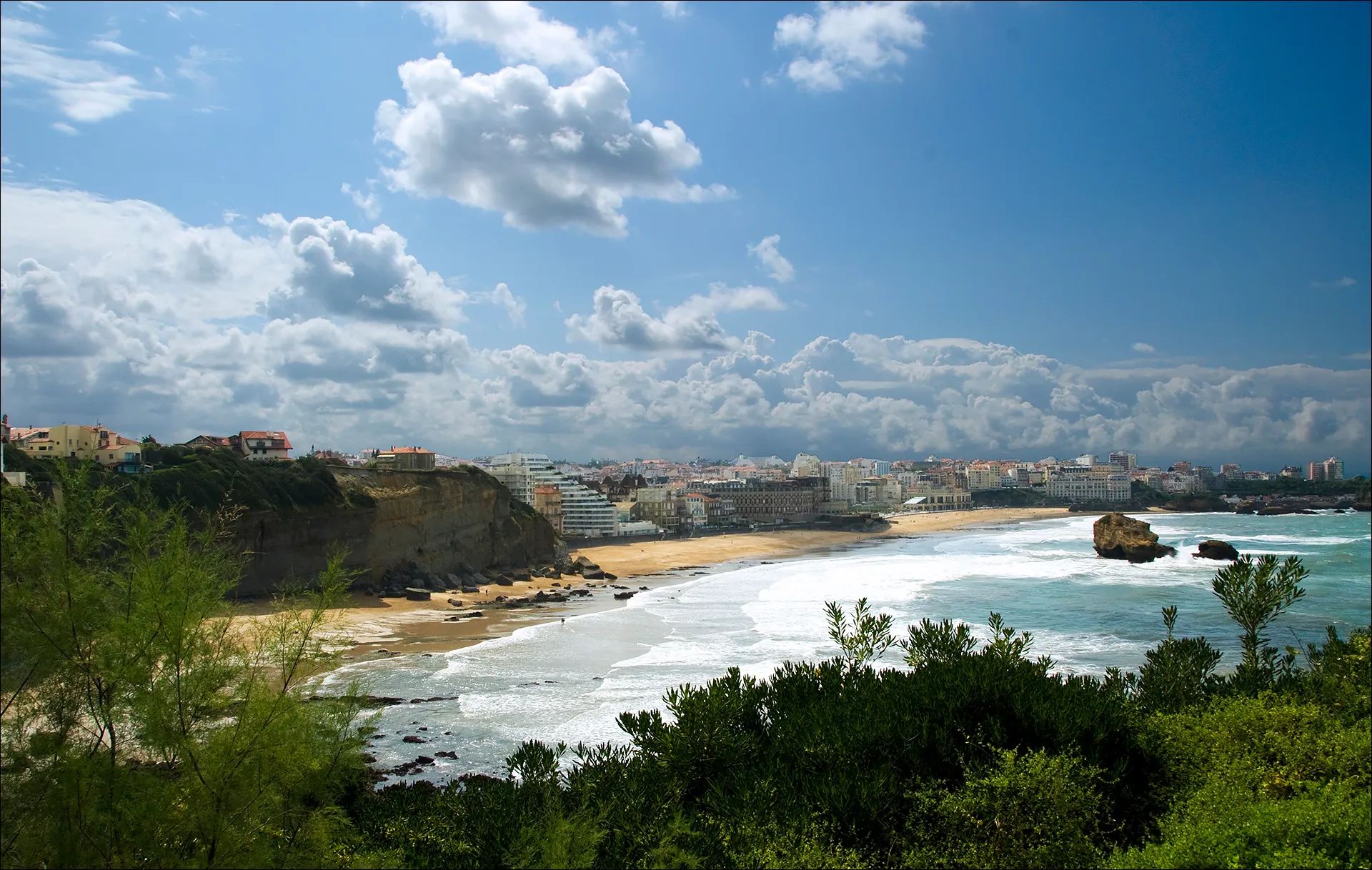 Photo: Nicolas G. Mertens. This picture is not in the public domain. If you want to use this picture outside of Wikipedia, please read the Licensing section just below. In particular, "You must give appropriate credit, provide a link to the license, and indicate if changes were made. You may do so in any reasonable manner, but not in any way that suggests the licensor endorses you or your use." Esta imagen no es de dominio público. Si desea utilizar esta imagen fuera de Wikipedia, lea la sección Licencias justo debajo. En particular, "Debe dar el crédito apropiado, proporcionar un enlace a la licencia e indicar si se realizaron cambios. Puede hacerlo de cualquier manera razonable, pero no de ninguna manera que sugiera que el licenciante lo respalda a usted o su uso." / Wikimedia Commons (CC BY-SA 4.0)