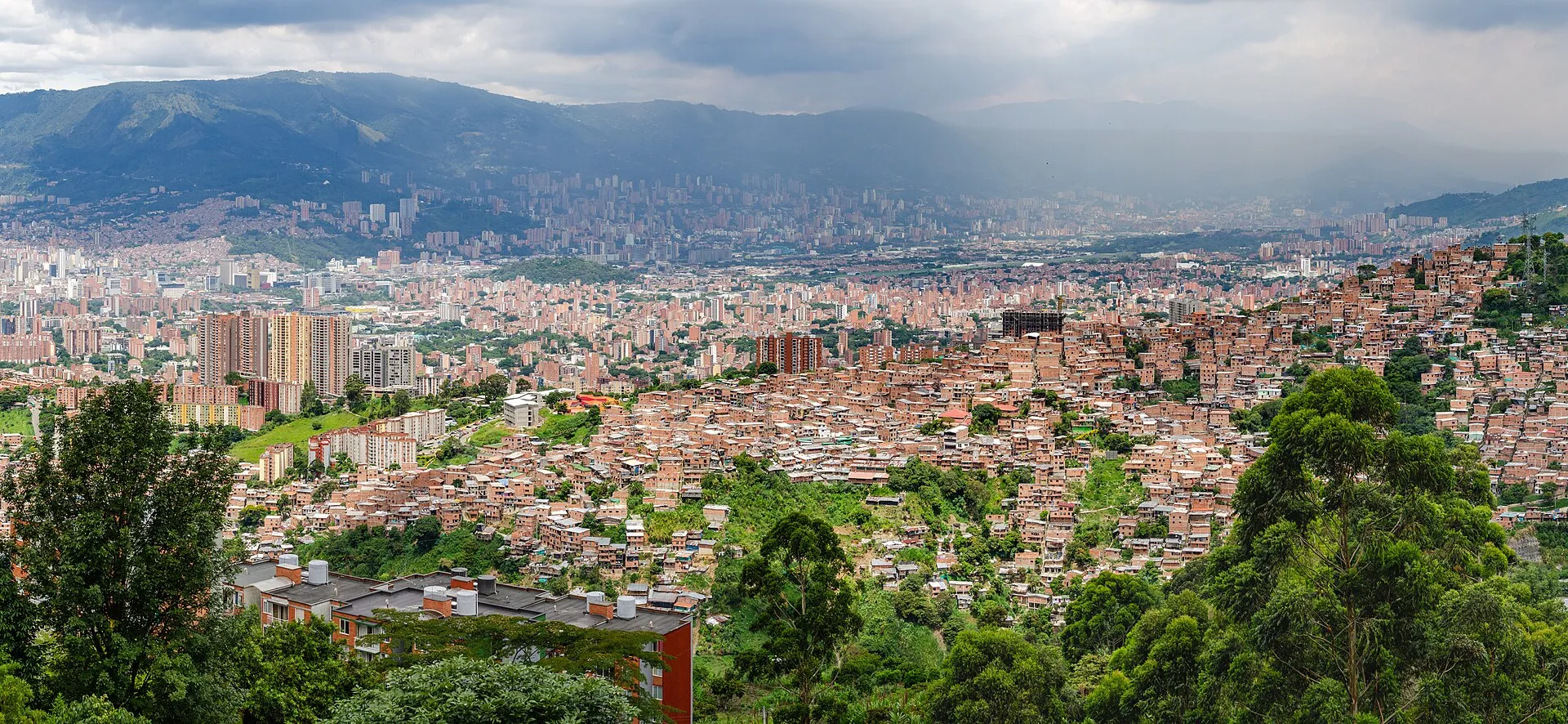
 Medellín
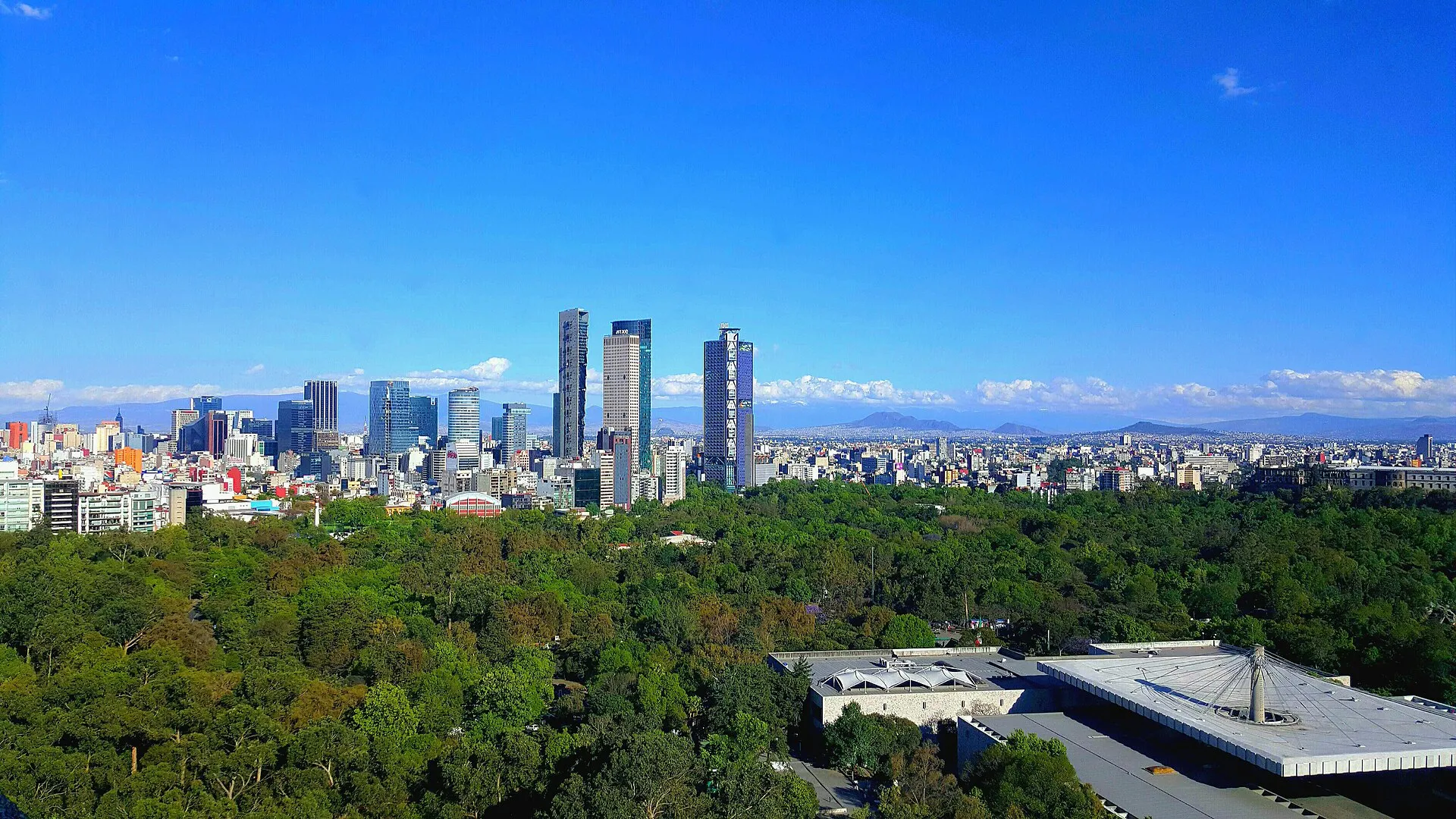
 Mexico City
 has a market named after Medellín, on Calle Medellín in Colonia Roma, and it may be the most useful place to think about this choice. Officially it is the Mercado Melchor Ocampo. After the 1985 earthquake, traders began bringing in goods from across Latin America, and today, among the chillies and the cardboard piñatas, you can buy arepa flour, arequipe, Sello Rojo coffee and a bottle of aguardiente antioqueño. So you could live in Mexico City and still eat a good part of Colombia, which says a lot about how much that city can hold.
Lunch
Both countries are at their best in the middle of the day, when the cheap set meal comes out. In Mexico City it is the comida corrida: first a thin soup, then a "dry soup" of rice or pasta, then a stew with beans and salsa, with an agua fresca beside you and maybe a small jelly to finish, served at its busiest around two o'clock in a family-run fonda. A sit-down neighbourhood lunch costs about $5 to $10.
In Medellín you will get the menú del día, for about $4.50 to $8, and sooner or later the bandeja paisa arrives on its oval tray: red beans cooked with pork, rice, ground meat, chicharrón, chorizo, a fried egg, ripe plantain, an arepa and a slice of avocado. Its reputation as an ancient mountain dish is a little overstated, as nobody seems to have written about it before 1950, but it is real country food, and you will want to do no work at all for the rest of the afternoon. Order it once for the story. You will not order it weekly.
Dinner
This is where the two cities come apart. Mexican cuisine has been on UNESCO's heritage list since 2010, and the capital is its great showcase. On almost any street there is a taco stand, a torta shop or someone selling something made of corn. The al pastor taco alone tells you how the place works: Lebanese immigrants brought shawarma to Mexico, their children in the capital swapped the bread for tortillas and the lamb for adobo-marinated pork, and now it turns on a trompo on street corners, served with diced pineapple. You could eat for a year in Roma, Condesa and Coyoacán and not repeat yourself.
Paisa food comes from a smaller, plainer tradition of beans, maize and pork. It is comforting and generous, and Provenza and Laureles have plenty of good modern kitchens, but if food is one of the top three reasons you travel, you will start planning trips out by the second month.
Climate, visas and budget
So why would anyone choose Medellín? Partly because lunch is not the only hour of the day. At about 1,495 metres, it holds roughly 28°C by day and 18°C at night in every month, while Mexico City, at 2,240 metres, swings from 21°C in January to 27°C in May, and drops to 8°C on winter nights. The air in Mexico City is also noticeably worse.
Then there is the paperwork, which may matter more than either dish. Colombia's nomad visa asks for about $1,640 a month and runs for up to two years. Mexico's temporary residence asks about $4,600, or a savings balance of about $77,500. Our nomad visa page has the detail. Our estimates of a monthly budget also favour Colombia, at about $1,800 against about $2,200. If you are earning $2,500, that settles it.
One warning belongs on Medellín's menu: in nightlife areas such as Parque Lleras, tourists have been drugged and robbed in hundreds of incidents a year, so watch your drink and your date. The Mexico City metro has its pickpockets at rush hour, which is a far smaller problem to plan around.
Anyone who can clear the Mexican income bar should go to Mexico City, and not only for the food. Everyone else will have a fine life in Laureles, with a cup of tinto and fair weather, and can fly up later for a week of serious eating. Start at the market on Calle Medellín.
 United States
 United Kingdom
 Germany
 Canada
 Australia
 India