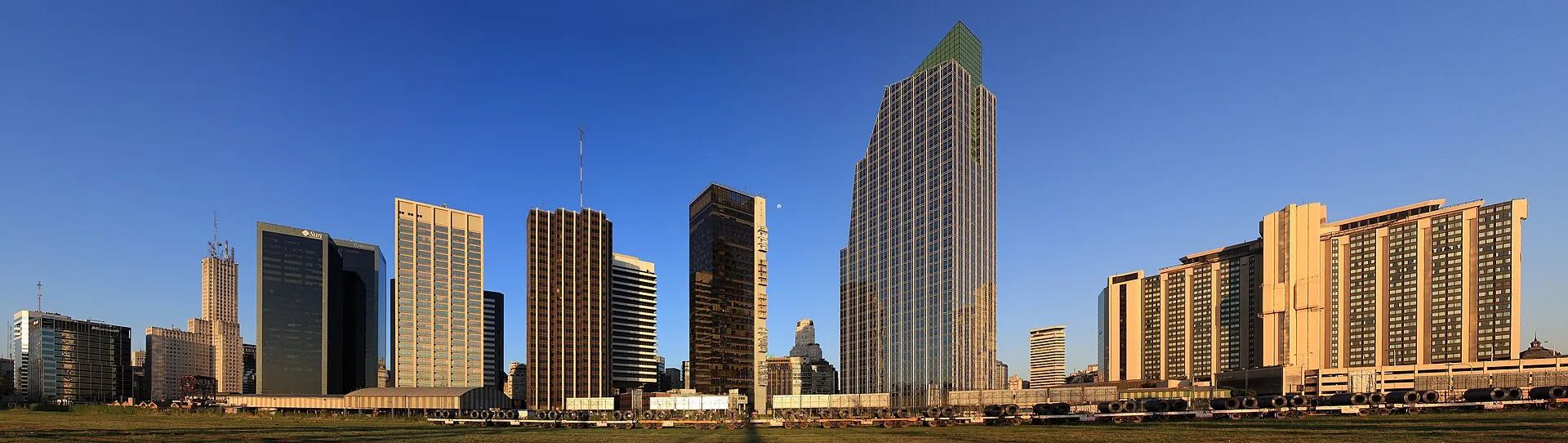
 Buenos Aires
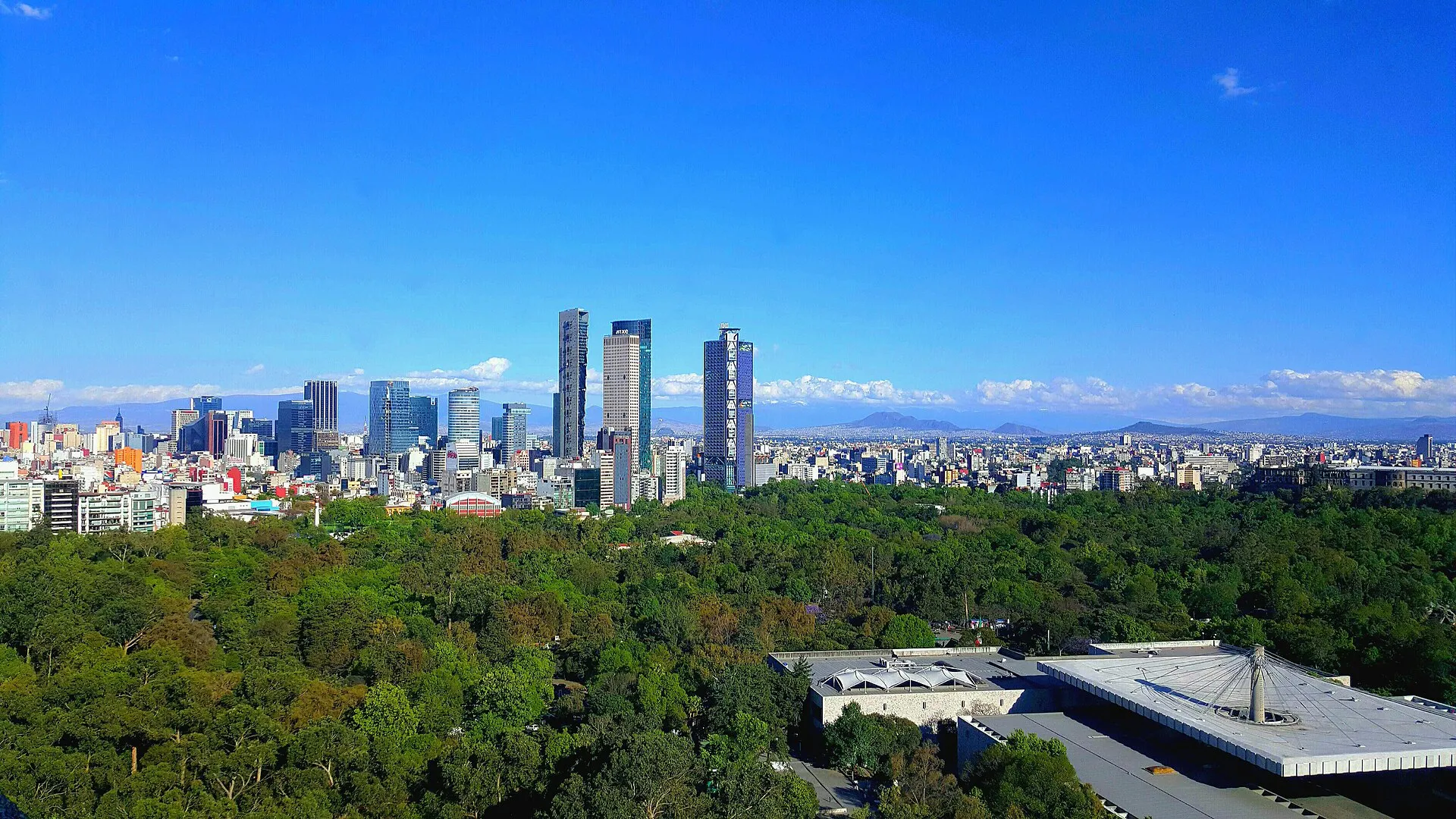
 Mexico City
Clocks in these two cities are always three hours apart, because neither changes them: Argentina stays at UTC-3 and Mexico gave up daylight saving in 2022. That sounds like trivia until you walk through a working day, because it decides when you are at your desk, when you eat and how much of the evening belongs to you. Say you have one fixed meeting a day, with a client at 10 in the morning in New York. Here is that day, in January, in both places at once.
6:00 in Mexico City, 9:00 in Buenos Aires. In Mexico City it is dark and cool, and you are 2,240 metres above the sea, which you may notice if you try to run around Parque México in your first week. In Buenos Aires you are up, and it is already hot and sticky on the leafy streets of Palermo, because this is the height of summer. Much of the city's middle class has gone to the coast, and some restaurants have shortened their hours. You could get three hours done before anyone needs you.
9:00 and 12:00: the meeting. This is what surprises people. For a New York client, the two cities are about equally good. Mexico City is an hour behind New York in winter and two in summer, and Buenos Aires is two ahead in winter and one in summer. The usual advice that Mexico City is on "American time" is only fully true of the West Coast, where it sits one or two hours ahead and Buenos Aires four or five. For London, it reverses completely: Buenos Aires has you three or four hours behind and most of a shared working day, and Mexico City six or seven.
13:00 and 16:00. Mexico City's big meal comes in the middle of the working day, and it is heavy, cheap and hard to refuse. In Buenos Aires a menú ejecutivo costs about what a coffee does back home, but you will have eaten it hours ago, and now you are heading towards something better.
14:00 and 17:00. Merienda. Around five, Buenos Aires stops for coffee or mate with medialunas, sweet and sticky from the glaze, and the old cafés fill with people who plainly intend to stay for a while. It gives you a second wind for the American afternoon.
17:00 and 20:00. Move this day to the wet season, roughly May to October, and this is when the sky usually opens over Mexico City after a bright morning. The downpour clears the air, so finish what you are doing and wait it out. Be ready also for the one sound you will never hear in Buenos Aires. More than 8,200 loudspeakers across the city carry the earthquake alert, and when they go off you leave the building, drill or no drill.
20:00 and 23:00. Tacos on a corner in Mexico City, then an early night, because when New York moves its clocks in March your first call moves to seven. In Buenos Aires you are possibly only now sitting down to steak, and you will not see your bed until long after midnight.
What that day costs
We estimate about $1,600 a month for it in Argentina and about $2,200 in Mexico. Treat the first number with more suspicion. Inflation there was still running at nearly 34% a year in mid-2026, and since the currency controls were loosened in April 2025 the old trick of changing dollars on the street at a far better rate has largely gone. Your dollars buy less each month unless the peso falls to match. Many landlords quote in dollars anyway, which at least makes the rent easy to plan for.
Mexico's costs are steadier, but the neighbourhoods carry a different tension. Protesters marched through Roma and Condesa in 2025 partly against foreign remote workers, so learn some Spanish and look in Santa María la Ribera instead. Your stay is also less certain. A Mexican officer may give you far fewer than 180 days, and our nomad visa page sets out the longer routes for both countries.
So open your calendar before you open a rental site. If your standing meeting is in San Francisco, or you need a direct flight home every month, Mexico City has already won. If it is in New York or anywhere in Europe, we would go to Buenos Aires, for the mornings and for five o'clock.
 United States
 United Kingdom
 Germany
 Canada
 Australia
 India