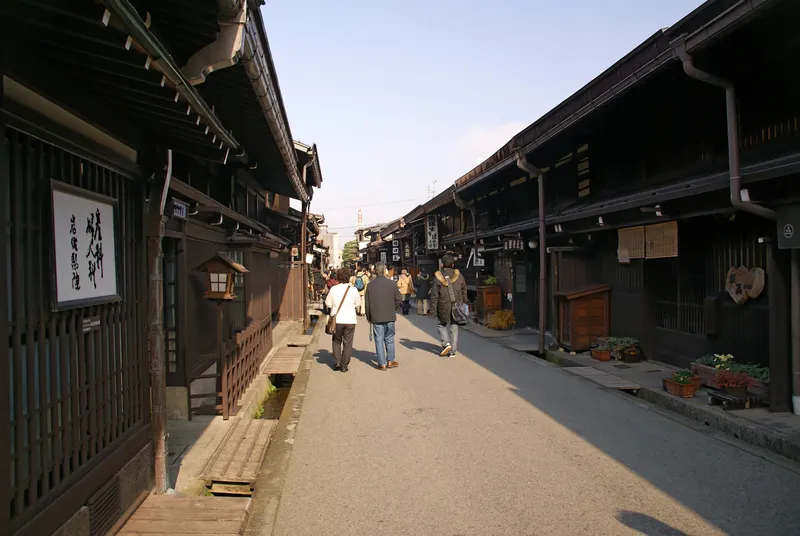
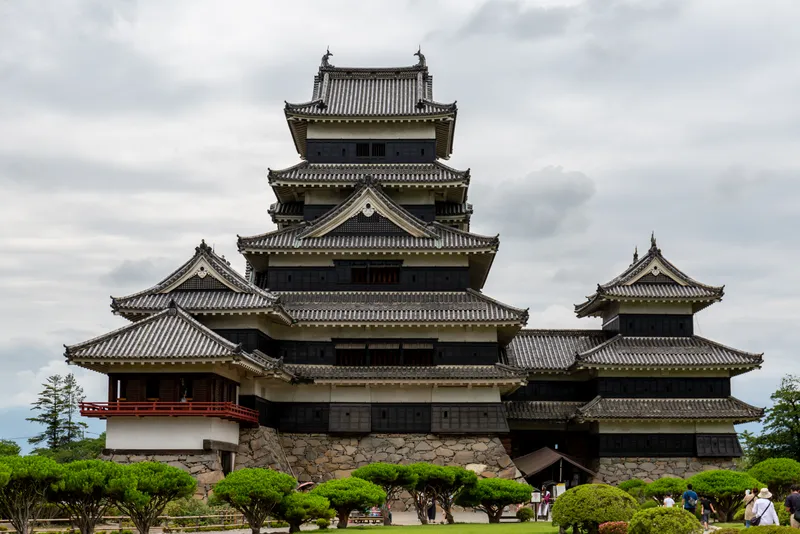
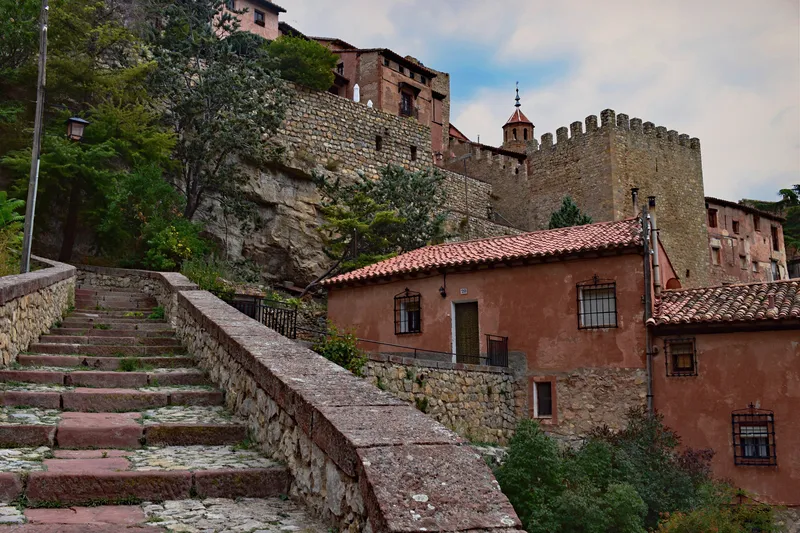
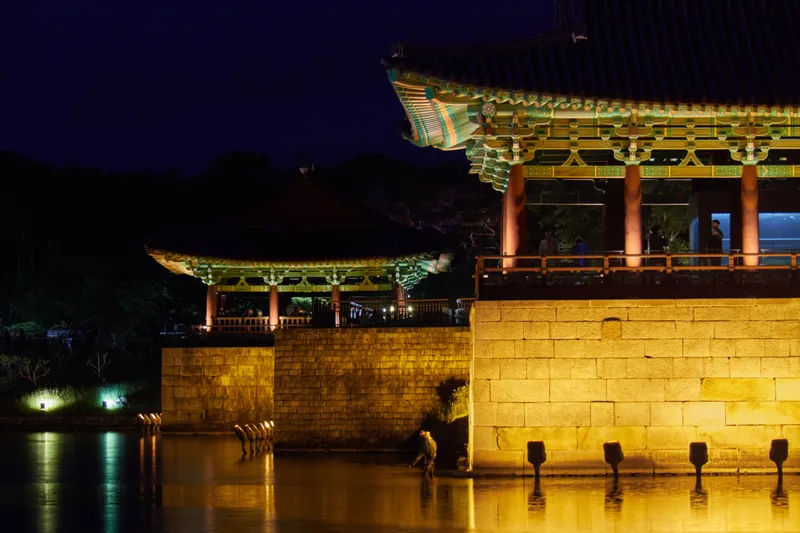
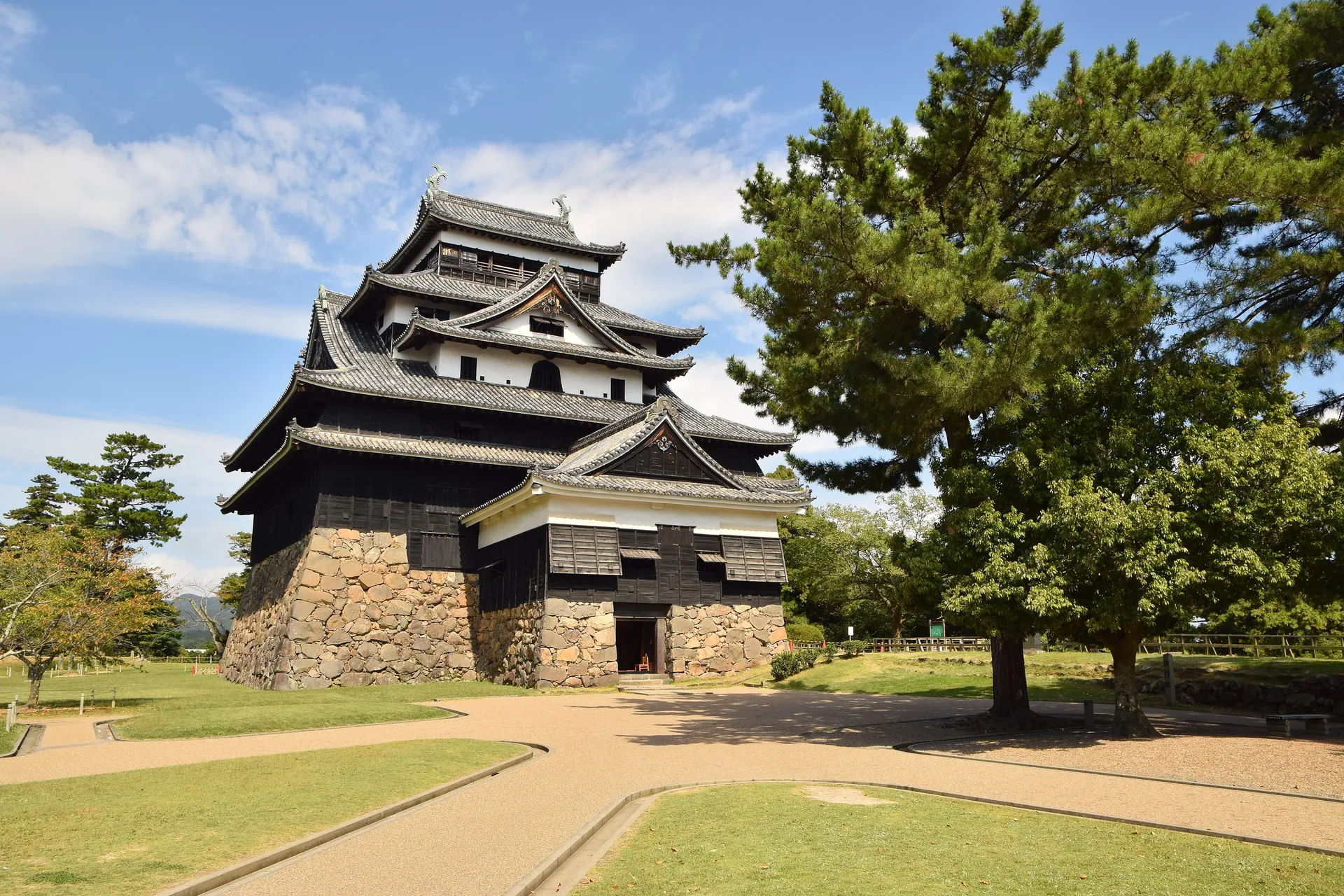
The original wooden keep of Matsue Castle, Shimane, Japan
Photo: Raita Futo / Wikimedia Commons (CC BY 2.0)
๐Ÿ‡ฏ๐Ÿ‡ต

Matsue

Japan

A castle town on the shore of Lake Shinji in Shimane, one of only a handful of Japanese cities to keep its original wooden castle, with samurai streets, tea culture and famous lake sunsets.

ยฅ1.300
Monthly Budget
--
Current Weather
Humid Subtropical
Climate Type
80 Mbps
Avg. WiFi Speed
9/10
Safety Score
500+
Active Nomads
--
Time Difference
0
Nomad Score

Setting Up as a Nomad in Matsue

A castle town on the shore of Lake Shinji in Shimane, one of only a handful of Japanese cities to keep its original wooden castle, with samurai streets, tea culture and famous lake sunsets. Plan on roughly $1,300 a month. Its strengths are safety and cleanliness, while the size of the nomad scene is where it scores lower.

Compare Matsue vs Kurashiki →

Nomad Facts at a Glance

The practical basics for Matsue, Japan

CurrencyYen (ยฅ, JPY)
LanguageJapanese
Plugs & powerType A/B ยท 100V / 50-60Hz
Tap waterSafe to drink
TippingNo tipping
Ride-hailingGO, Uber
Emergency110
Mobile dataeSIM: Airalo / Holafly
Driving sideLeft
Dialling code+81
Time zoneUTC+9
Best time to visitJul, Sep, Oct

Country-level guidance to get you oriented, not a substitute for checking locally. Numbers and norms can change; 112 reaches emergency services from most mobiles worldwide.

Category Breakdown

How Matsue scores across all 13 factors

Weather in Matsue

Monthly averages from 2019-2023 (Open-Meteo), and the best time to visit

Jan
Feb
13°
Mar
16°
Apr
22°
13°
May
25°
18°
Jun
28°
23°
Jul
30°
24°
Aug
26°
21°
Sep
20°
14°
Oct
16°
Nov
10°
Dec
Daily high & low (°C)Rainfall (mm/month)Best months to visit

The best time to visit Matsue for comfortable weather is Jul, Sep, Oct. The warmest month is Aug (around 30°C by day), and the wettest is Jul (about 327mm of rain).

Chasing good weather? See other cities that are warm in Jul, or plan a multi-city route around the seasons. Staying a while in Matsue? Check visa options, your time-zone overlap and how far your budget stretches, or find it on the world map.

Historical monthly averages, not a forecast. Source: Open-Meteo.

Best Neighborhoods in Matsue

Where to base yourself for the perfect nomad experience

Matsue Castle & Shiomi Nawate

$$
historic, quiet, atmospheric

Samurai-era streets beneath a National Treasure keep

The historic core, anchored by Matsue Castle's original wooden keep and the moat-side samurai residences of Shiomi Nawate. Narrow lanes, pine trees, and preserved merchant and samurai houses make this the city's most atmospheric walking district, home to Lafcadio Hearn's former residence and museum. Quiet after dark, but unmatched for daily immersion in castle-town history.

Best for: history lovers, slow mornings, photography, long-stay culture immersion
โœ“ Pros
  • Walk to a genuine National Treasure castle daily
  • Deep, tangible historical character
  • Peaceful, low-traffic streets
โœ— Cons
  • Limited dining and shopping options after early evening
  • Fewer modern apartments and cafes than the station area

Matsue Station Area

$$
practical, functional, moderately lively evenings

The practical base for transit, shopping, and cafes

The commercial and transit hub of the city, centered on JR Matsue Station with express trains toward Okayama and Yonago, the main bus terminal, and the highest concentration of hotels, supermarkets, and everyday services. The Kyobashi River nearby has a small izakaya and bar cluster. Less scenic than the castle or lake, but the most convenient base for daily errands and onward travel.

Best for: first-time visitors, transit convenience, remote workers wanting cafes and services nearby
โœ“ Pros
  • Best transit connections in the city
  • Most supermarkets, pharmacies, and services
  • Small but genuine izakaya nightlife along the river
โœ— Cons
  • Less scenic and more built-up than other areas
  • Can feel generic compared to the castle or lakefront

Lake Shinji Lakefront

$$
scenic, relaxed, sunset-oriented

Sunset views and the city's signature natural landmark

The shoreline promenade around Lake Shinji, including Shirakata Tenshu-kaku park, is where locals and visitors gather for the famous evening sunsets over the water toward the Shimane Peninsula. Lined with cafes, a few hotels, and cycling paths, it offers a calmer, more residential feel than the station area while staying an easy walk or bike ride from the castle district.

Best for: nature lovers, cyclists, anyone prioritizing daily lake views
โœ“ Pros
  • Free, world-class sunset views every clear evening
  • Excellent flat cycling and walking paths
  • A calmer, more residential pace
โœ— Cons
  • Fewer dining and shopping options directly on the shore
  • Winter lake winds can be cold and damp

Tamatsukuri Onsen

$$$
traditional, restorative, resort-like

A historic hot-spring town on Lake Shinji's southern shore

One of Japan's oldest hot-spring resorts, mentioned in eighth-century records, set on the southern edge of Lake Shinji about 20 minutes from central Matsue. Traditional ryokan line the Tamayu River, and the mineral waters are reputed for skin health. A slower, more resort-like alternative to the city center, popular for weekend relaxation rather than daily nomad life.

Best for: onsen retreats, weekend breaks, travelers wanting a quieter base outside the city core
โœ“ Pros
  • Historic, highly regarded hot springs
  • Peaceful riverside setting away from city bustle
  • Easy bus or train access to central Matsue
โœ— Cons
  • Not walkable to the castle or station area
  • Very limited English, cafes, or remote-work infrastructure

Cost of Living in Matsue

Matsue is not a cheap base, and honesty matters here: Japan overall has gotten pricier for foreign residents even as the yen (JPY) has weakened against the dollar and euro, and Matsue's small size means it lacks the budget-hostel and share-house ecosystem of Osaka or Fukuoka. A one-bedroom apartment near Matsue Station or the Lake Shinji shoreline runs roughly JPY 55,000-80,000 a month, with older or smaller units in the JPY 45,000 range. Add utilities (JPY 10,000-18,000, more in winter when heating runs long), a phone and home internet package (JPY 6,000-9,000 combined), and groceries for one person at JPY 35,000-50,000 a month if you cook mostly at home. Eating out is where Matsue is kinder to a budget: a bowl of Izumo soba or a shijimi (freshwater clam) miso set at a local shokudo is JPY 900-1,400, and a full dinner with drinks rarely exceeds JPY 3,500. Realistic all-in monthly budgets: around JPY 190,000-230,000 (roughly USD 1,300-1,550) for a lean single nomad, and JPY 280,000-350,000 for someone wanting a comfortable one-bedroom, occasional taxis, and regular restaurant meals. That is noticeably more than Southeast Asia and on par with or above many mid-tier Japanese cities, offset by the fact that Matsue has essentially no "nomad tax" markup since almost nobody is pricing goods for remote workers.

Where to Work in Matsue

There is no polished coworking scene here in the Bali or Chiang Mai sense. What Matsue offers instead is a handful of genuinely good cafes near Matsue Station and along the Kyobashi River with reliable wifi and long opening hours, plus a small city-backed coworking space aimed at local entrepreneurs that visiting remote workers can sometimes use for a day rate or short membership. Shimane Prefecture has been actively courting IT workers and remote-work migrants as part of a rural-revitalization push, so newer shared-office spaces have opened in and around the station area in recent years, though turnover is real and it is worth checking current hours before planning your day around one. Hotel business centers and the lobby lounges of mid-range hotels near the station are a reliable fallback. Mobile connectivity is excellent by any global standard: Japan's carrier networks (a local SIM or eSIM from Rakuten Mobile, IIJmio, or similar) give fast, stable 4G/5G that works as a dependable backup or primary connection almost anywhere in the city, including out toward Lake Shinji and the castle grounds.

Getting Around Matsue

Matsue is compact enough to explore on foot or by bicycle, and the flat lakeside terrain around Lake Shinji makes cycling genuinely pleasant, especially at sunset. The Lakeline Bus loops around the main sights, castle, samurai district, Shimane Art Museum, and Matsue Station, on a schedule aimed squarely at visitors and workable for daily errands too. Regular city buses cover the rest, though schedules thin out in the evening. For getting here or leaving, Matsue's own train station connects to limited-stop Yakumo and Super Oki express trains toward Okayama, Yonago, and onward to the Shinkansen network, a journey of roughly three hours to Osaka; there is no bullet train station in Matsue itself. Izumo Enmusubi Airport, about 30 minutes away by airport bus, has direct domestic flights to Tokyo Haneda in under 90 minutes and limited routes to Fukuoka and elsewhere, but essentially no direct international flights, so most overseas travelers connect through Tokyo, Osaka, or Fukuoka. A car is genuinely useful if you want to explore Izumo Taisha, the San-in coastline, or onsen towns beyond the bus routes, and rental cars are affordable and easy to arrange.

Visas for Matsue

Most Western passport holders (US, UK, EU/Schengen, Canada, Australia, and others) can enter Japan visa-free for up to 90 days for tourism or general purposes, which covers a short work-from-Matsue stint but is not a legal work visa and technically should not be used for ongoing client work performed for pay while in the country, a grey area many nomads navigate loosely but shouldn't assume is risk-free. Japan introduced a dedicated Digital Nomad Visa in 2024 allowing remote workers employed by or contracting with companies outside Japan to stay up to six months, provided they show a minimum annual income (commonly cited around JPY 10 million, roughly USD 68,000, so this rules out many freelancers and early-career remote workers), hold private health insurance, and are from one of the eligible visa-waiver countries. It is not renewable back-to-back from inside Japan, so it suits a defined stint rather than an open-ended base. Longer-term options (a Table 1 work visa tied to a Japanese employer, a spouse visa, or Japan's separate Startup or Highly Skilled Professional visas) exist but require sponsorship or specific qualifications and are not straightforward for someone simply choosing Matsue as a remote-work base.

Best Time to Visit Matsue

Matsue has four distinct seasons and sits on the Sea of Japan side, which matters: winters (December-February) are grey, damp, and frequently overcast with cold rain and occasional snow, a real contrast to the sunnier Pacific side of Japan, and this is the honest downside of choosing San-in as a base. Spring (April-May) is excellent, mild with cherry blossoms around the castle moat and comfortable working weather. Summer (June-August) brings a humid rainy season in June-July followed by hot, sticky months where lake breezes off Shinji help but air conditioning is essential. Autumn (October-November) is arguably the best window: crisp, dry, clear skies, and the season when Lake Shinji's famous sunsets, reflecting orange and red across the water toward the Shimane Peninsula, are at their most photographed and genuinely worth the hype. If grey winter skies would sink your mood or productivity, plan around them; if you don't mind quiet, moody weather, winter also means fewer visitors and lower accommodation demand.

Pros and Cons of Matsue

Pros: one of only twelve Japanese castles with its original wooden keep still standing, a National Treasure you can see daily rather than a reconstruction; the Shiomi Nawate samurai district and Lafcadio Hearn's former residence give real, walkable historical texture; Lake Shinji sunsets are a legitimate, free, daily highlight; the city is safe, clean, unhurried, and free of the overtourism crowding parts of Kyoto now struggle with; tea culture (Matsue is one of Japan's three great tea cities) and quality soba and shijimi-clam food are affordable, everyday pleasures. Cons: this is honestly an off-the-main-trail city, San-in gets a fraction of the visitors Kansai or Kanto do, which means fewer English speakers, fewer nomad peers, and services (banking, clinics, city offices) that mostly assume Japanese fluency; winters are grey and wet in a way that surprises people expecting "sunny Japan"; the coworking and remote-work infrastructure is thin and improvised rather than purpose-built; costs are meaningfully higher than Southeast Asia; and the small-city pace, appealing to some, will feel slow or isolating to anyone craving nightlife or a built-in expat scene.

Who Matsue Is For

Matsue suits a specific kind of nomad: someone who has already done the Tokyo or Osaka circuit and wants quieter, more traditional Japan without leaving the country's safety and infrastructure behind. It rewards people who enjoy self-directed exploration, history, tea ceremony, and slow evenings by a lake more than bars, meetups, and coworking small talk. Writers, researchers, and remote workers on a defined multi-month stint (the six-month digital nomad visa fits well) who want deep focus with minimal social distraction will thrive here. It is a poor fit for anyone who needs a built-in international community from day one, relies heavily on English in daily life, wants guaranteed sunny weather, or is watching a tight budget, since Matsue offers charm and calm rather than cheapness or convenience.
Where to Stay in Matsue

Top neighborhoods and accommodations for digital nomads

Browse apartments, aparthotels and hotels across Matsue. Compare prices and book a base that suits a remote-work stay.

See available stays in Matsue →

Affiliate link. See our disclosure.

Best Coworking Spaces

Where nomads get work done in Matsue

Starbucks Coffee Matsue Ekimae

cafe
Matsue Station

Reliable chain cafe steps from Matsue Station with steady wifi, ample seating, and long hours, a practical daily-laptop option near transit.

View on Maps →

Tully's Coffee Matsue Ichibangai

cafe
Matsue Station

Spacious branch in the station-front Ichibangai shopping strip, popular with students and remote workers for its outlets and quiet midday hours.

View on Maps →

Karakoro Art Studio Cafe

cafe
Kyobashi River

Cafe inside a restored former Bank of Japan building turned craft and art complex, a scenic, laptop-friendly spot near the samurai district.

View on Maps →

Doutor Coffee Shop Matsue Ekimae

cafe
Matsue Station

Budget-friendly chain cafe near the station, dependable wifi and a straightforward spot to settle in for a working morning or afternoon.

View on Maps →

Where to Eat & Drink

Best food and drink spots in Matsue

Yakumo-an

restaurant
Shiomi Nawate

Renowned Izumo soba restaurant set in a traditional building near the samurai district, famous for stacked warigo-soba served with rich dipping sauce.

View on Maps →

Kawakyo

restaurant
Kyobashi River

Long-running local restaurant near the Kyobashi River known for Matsue kyodo ryori, including Lake Shinji shijimi clam dishes and seasonal fish.

View on Maps →

Haneya Honten

restaurant
Matsue Station

Flagship branch of Matsue's famous Izumo soba chain, serving the region's dark, nutty buckwheat noodles in traditional lacquered bowls.

View on Maps →

Warakuen

restaurant
Lake Shinji

Established restaurant near the lake known for grilled eel and shijimi clam dishes, a comforting stop for classic San-in home cooking.

View on Maps →

Poppo Chaya

restaurant
Lake Shinji Lakefront

Casual lakeside eatery specializing in shijimi clam miso soup and simple set meals, best enjoyed with a view toward the Lake Shinji sunset.

View on Maps →

What Do Nomads Say?

Vote on how accurate these scores are based on your experience

Cities with a Similar Vibe to Matsue

Different places that score alike across our 13 categories, if you like Matsue, these tend to feel similar.

In the rankings

Where Matsue ranks

Matsue features in 1 of our 32 city rankings.

  1. 8Best on a tight budget

Frequently Asked Questions About Matsue

How much does it cost to live in Matsue as a digital nomad?

A comfortable nomad budget in Matsue is around

,300 a month, covering a furnished rental, food, coworking, and getting around. You can spend less by living outside the center and eating local, or more in the most popular neighborhoods.

Is the internet fast enough for remote work in Matsue?

Matsue rates 8 out of 10 for WiFi in our scoring, so connectivity is excellent for video calls and everyday remote work. A local SIM with a data plan is a smart backup for cafes, coworking, and travel days.

Is Matsue safe for digital nomads?

Matsue scores 9 out of 10 for safety in our ratings, which is excellent for solo travelers and long stays. Use the usual precautions with valuables and at night, and favor well-reviewed neighborhoods when you choose where to stay.

Is Matsue a good city for digital nomads overall?

Matsue stands out for safety and cleanliness among remote workers. With a typical budget near ,300 a month and a growing nomad scene, it is worth a look if those priorities match what you want from a base.