Cost of Living in Nelson
Where this figure comes from. No cost survey covers Nelson, so the $1,800 a month above is our own estimate rather than a measurement. On 416 of our 999 city guides the figure is built from a published Numbeo basket, a one-bedroom rent in the centre plus one person's monthly costs without rent, converted to USD; this city is not one of them. How we source everything.
Budget around $1,800 a month as a solo remote worker in Nelson, which sits below Auckland and Wellington while offering a comparable standard of life. A one-bedroom apartment runs roughly $950 to $1,300, with better value in Stoke and Richmond a short drive out. New Zealand grocery prices are high and imported goods more so, which is the single biggest adjustment for arrivals from Europe or Asia. A coffee is about $4, a restaurant dinner around $28. The town is small enough that transport costs little. Summer accommodation prices rise noticeably as domestic holidaymakers arrive for the Abel Tasman. Fibre runs about $55 to $75 a month and a coworking desk $150 to $250. Running a car costs $250 to $400 monthly with petrol near $2.20 a litre, and it is genuinely unavoidable if the national parks are the reason you came. Rates and water are usually included in a rental here but should be confirmed, since the practice varies between landlords in a way it does not in the larger cities. Richmond and Stoke run noticeably below the centre for the same space and put the Great Taste Trail closer, which is the trade most cyclists here make.
Where to Work in Nelson
Nelson has a small coworking presence serving its creative and technology sector, which is larger than the town's size suggests thanks to a long-standing arts and craft economy and a growing group of remote workers. Fibre is widely available and reliable, with speeds and pricing typical of New Zealand, which is good rather than exceptional. Mobile coverage is solid across the town and weakens quickly in the national parks. Cafes along Trafalgar Street and Hardy Street are comfortable places to work. As everywhere in New Zealand, confirm what a lease includes before arriving, since connections are arranged per property. New Zealand sits twelve or thirteen hours ahead of GMT depending on daylight saving, which makes European work a night shift and puts a Nelson morning against the American west coast's previous afternoon. That asymmetry decides who can realistically base here more than anything about the town. The regional economy runs on seafood, forestry and hops rather than on services, so a remote worker here is almost always working with people somewhere else.
Getting Around Nelson
Nelson is compact and flat around the centre, with the cathedral steps, the market and the waterfront all within a few minutes on foot. A local bus service covers Richmond and Stoke, and the Great Taste Trail runs a long, largely flat cycle route through orchards and along the coast. Beyond the town a car matters: Abel Tasman, Kahurangi and the Marlborough Sounds are all reachable in an hour or two and public transport does not serve them. The airport has domestic connections to Auckland and Wellington. There is no rail. Cycling is genuinely practical here in a way it is not in most New Zealand towns. Water taxis from Kaiteriteri and Marahau are how most people access the Abel Tasman track, dropping walkers at one bay and collecting them from another, which turns a five-day tramp into a day out. The Great Taste Trail runs about 200 kilometres in a loop and is largely flat and sealed. The Marlborough Sounds and Picton, where the inter-island ferry docks, are about two hours east by road along the Queen Charlotte Drive.
Sorting transport? Book an airport transfer, or compare car rental on Auto Europe and QEEQ.
Visas for Nelson
New Zealand clarified in 2025 that visitors may work remotely for a foreign employer while on a visitor visa, which changed the practical position for nomads considerably. Most Western nationals obtain an NZeTA and receive up to three months on arrival, extendable in some circumstances to a maximum of nine months in an eighteen-month period. Working Holiday visas are available by nationality and age and permit twelve months with full work rights. Longer stays go through the accredited employer route or the skilled residence pathway. The NZeTA is requested before boarding rather than on arrival and airlines check it at the gate. The 2025 clarification settled what a visitor may do while here rather than how long they may stay, so the three-month grant and its extension ceiling remain the real constraint.
Best Time to Visit Nelson
December to April is the reward for coming here, with long dry spells, warm days in the low to mid twenties and the sea warm enough to swim. Nelson records among the highest sunshine hours in the country and the summer weather is genuinely reliable by New Zealand standards. February and March are the best months, when the Abel Tasman crowds thin and the weather holds. Winter from June to August is mild with highs around thirteen, frosty mornings inland and clear settled days more often than the west coast gets. Rain is moderate and spread across the year. Nelson and neighbouring Blenheim compete each year for the country's sunshine record, both regularly clearing 2,400 hours, which is the statistic the region markets itself on and one of the few such claims that holds up. The Abel Tasman track books out for December and January months ahead, since hut and campsite numbers are capped and enforced.
Pros and Cons of Nelson
Nelson combines the sunniest weather in New Zealand with immediate access to three national parks, a working arts scene and a small town that is genuinely pleasant to live in. Abel Tasman's golden beaches are an hour up the coast and Kahurangi is behind. The town is small and quiet, there is no nomad community, and New Zealand's cost of groceries and its distance from everywhere are permanent facts of life. Getting anywhere beyond the region needs a car or a flight. For anyone who wants a city, this is not one. Nelson also claims the geographic centre of New Zealand, marked by a monument on a hill above the town, and while the calculation is contested the walk up it is the best short view in the district. The Saturday market on Montgomery Square has run for forty years and is where the region's growers, potters and glassblowers actually sell, rather than a tourist arrangement.
Who Nelson Is For
A life organised around the outdoors with real services attached: trampers, kayakers, cyclists and anyone drawn to the national parks on the doorstep. Without a residence permit or a working holiday visa, none of the rest of this is practical. It suits creative freelancers, given the town's arts economy. An international community, a nightlife and anybody to be professionally useful to are all absent from a town this far down the map, and everything beyond the streets themselves assumes a car that somebody is willing to buy and run. Anyone considering a winter arrival should know that the town empties and the weather, while mild, is grey for weeks at a time. Craft and design are where this town stops being small. Ceramics, glass and jewellery have been made here long enough to support a working community of makers rather than a tourist market, and somebody arriving in that trade will find colleagues instead of gift shops. Queenstown is the comparison people make, and Nelson is cheaper, sunnier, far quieter and has no mountains worth skiing.
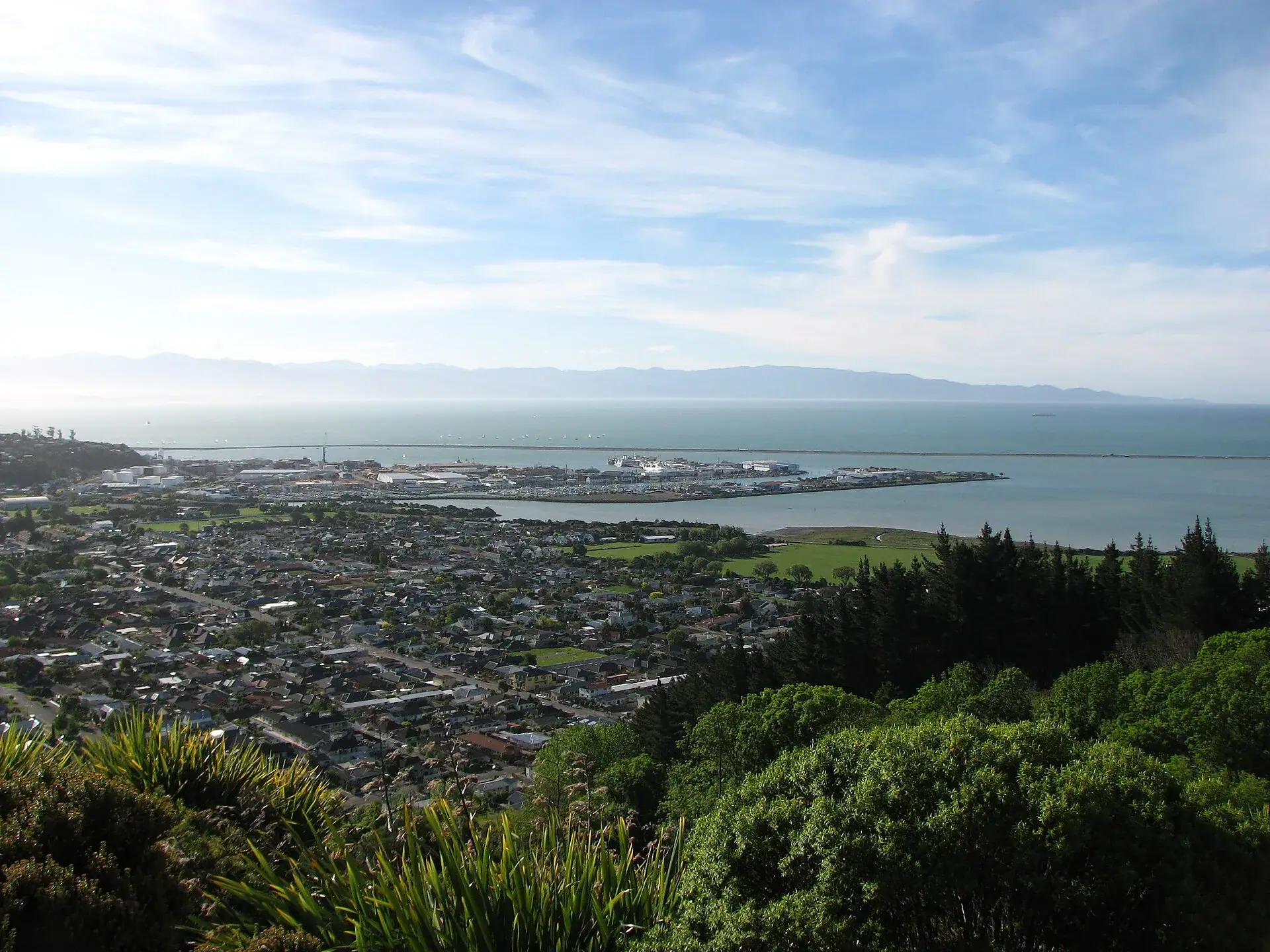 Photo: Markus Koljonen (Dilaudid) / Wikimedia Commons (CC BY-SA 3.0)