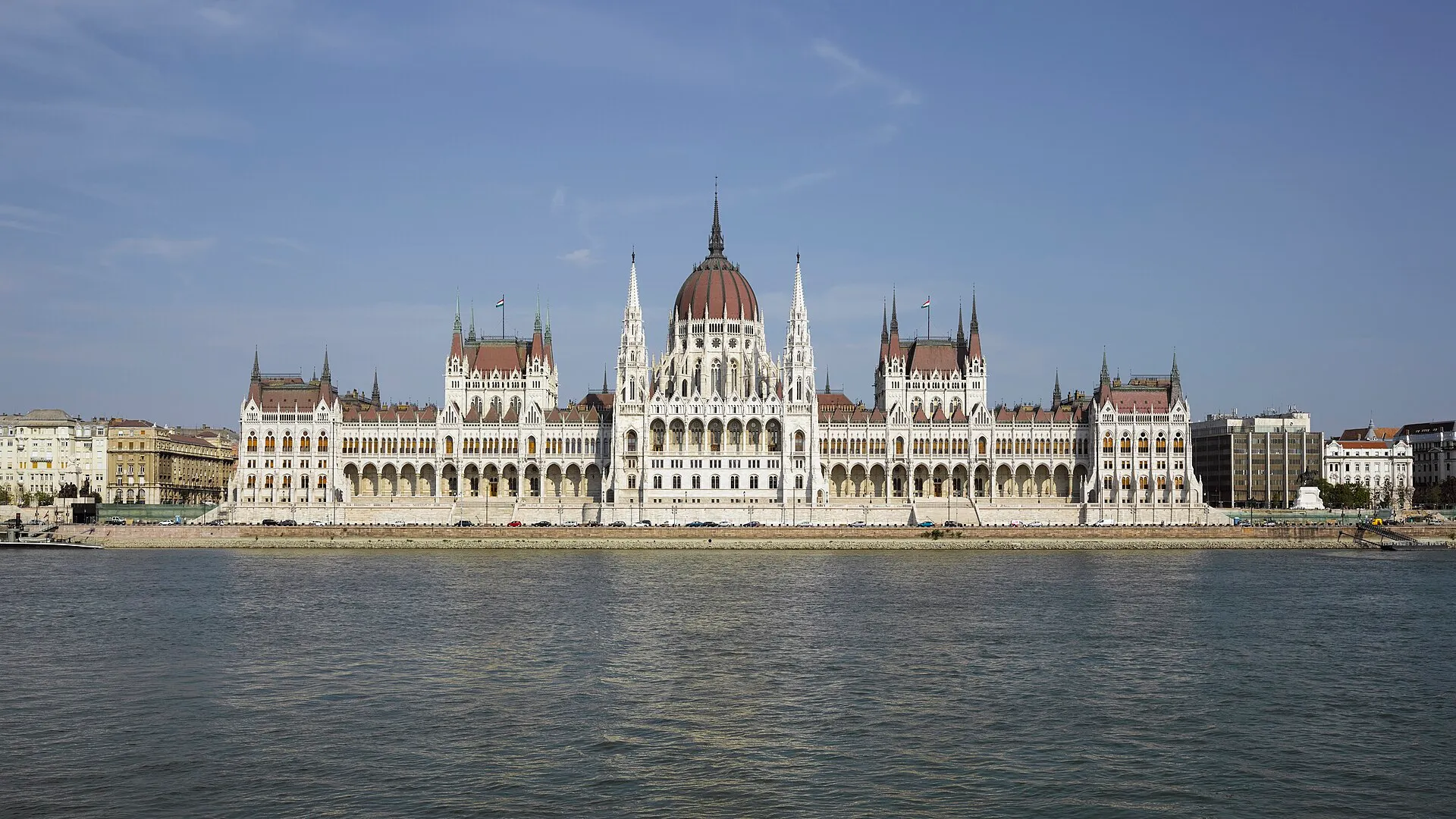
 Budapest
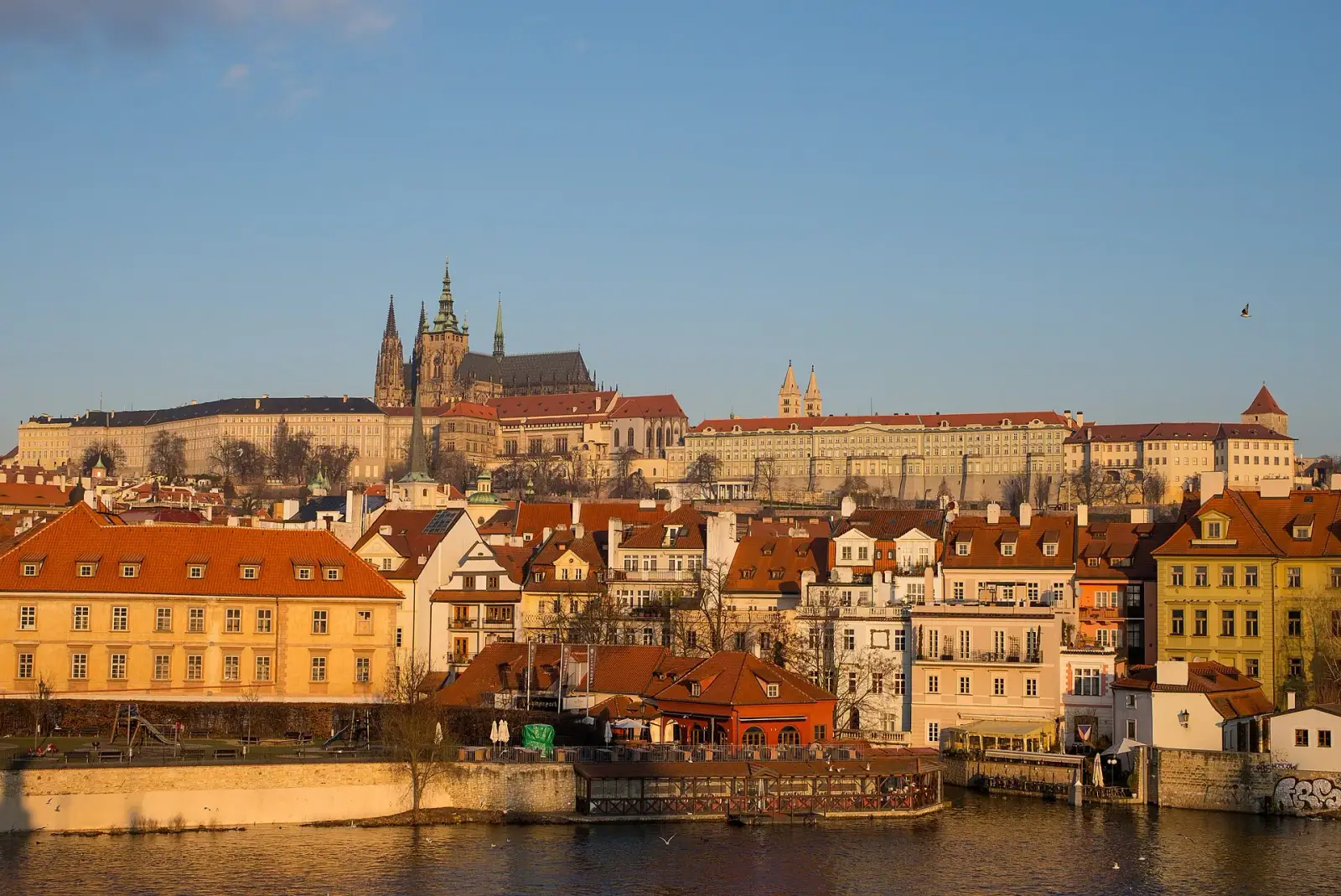
 Prague
Order goulash in Budapest and a bowl of soup arrives. Order it in Prague and you get a stew, thick and dark, with sliced bread dumplings to drag through it. The Czechs borrowed the word and changed the dish, and what they call guláš is closer to the Hungarian pörkölt. That small difference is a fair guide to everything else, so take this comparison one course at a time.
Soup
Lunch in Hungary traditionally starts with soup and is still treated as the main meal of the day, somewhere between noon and two. The best place to see how seriously is the Great Market Hall, opened in 1897 under a roof of coloured Zsolnay tiles. Paprika and sausage fill the ground floor, the basement has the pickle stalls and the fishmongers, and the upper gallery is for eating. Look for lángos, Hungary's famous street food, a fried flatbread with garlic, sour cream and cheese that you should try once and possibly not twice in one week. The hall does not open on Sundays, a detail you learn only once.
Prague also opens with soup, usually garlic, cabbage or potato, but soup there is a preamble. Nobody crosses a city for it.
The main course
The Czech answer is svíčková: marinated beef under a sauce of carrot, parsley root and celeriac, with dumplings, cranberry compote and a slice of lemon. It is very good, and it is also close to the top of the range. Below it sit fried cheese with tartar sauce and many, many dumplings, which come with most meals. By week six in Vinohrady, you may be looking for a salad.
Hungarian cooking has more edge. Paprika arrived with the Ottomans in the 16th century, first as a medicine, and it gives the pörkölt and the stuffed cabbage a heat and colour the Czech kitchen does not try for. We prefer eating in Budapest. It is the clearest win on this page.
Something to drink
Here the score reverses. Pale lager as the world knows it began in Plzeň in 1842, and Czechs are still at the top of the world's tables for beer drunk per head. U Fleků in Prague has poured its dark beer since 1499. Žižkov, the cheapest of the districts foreigners tend to choose, is full of them.
Budapest drinks in a stranger setting. Its ruin bars, with Szimpla Kert as the pioneer, took over abandoned buildings in the old Jewish Quarter in the early 2000s, and they are now so central to the city's nightlife that they shape where you should rent. District VII is noisy at weekends. Next door, District VI banned private short-term rentals outright from January 2026, after Hungary's Supreme Court upheld the local decree, so a listing there that looks too easy deserves a second look. A flat on a monthly lease is unaffected, and that may be the better street to sleep on anyway.
Afterwards, Budapest offers something Prague has no answer to: about 125 thermal springs, some reaching 58°C. On a January evening of 5°C you can sit outdoors in hot water at Széchenyi, which does more for the winter than any cuisine.
The bill
By our reckoning you will spend around $2,200 a month in Budapest and around $2,600 in Prague. Getting around Prague does soften that gap a little: a monthly pass for its three metro lines and the rest of the network is about $25.
The bigger cost may be paperwork. Hungary's White Card asks about $3,450 a month after tax and can be renewed only once. The Czech programme asks about $3,510, but it is open only to citizens of 13 countries and only for IT or marketing work. That shuts out plenty of people who clear the income easily, and the nomad visa page gives the conditions for both.
Older advice about Hungary's politics also needs updating. Viktor Orbán's Fidesz lost its majority in April 2026, and Péter Magyar now governs with two thirds of the seats. It is too early to say what that will change for a foreign resident.
So go to Budapest. It costs less, it feeds you better, and it gets you through the winter. Prague is the place for those who qualify for its programme, want the quieter and more orderly streets of Vinohrady or Karlín, and consider a good lager to be most of a dinner.
 United States
 United Kingdom
 Germany
 Canada
 Australia
 India