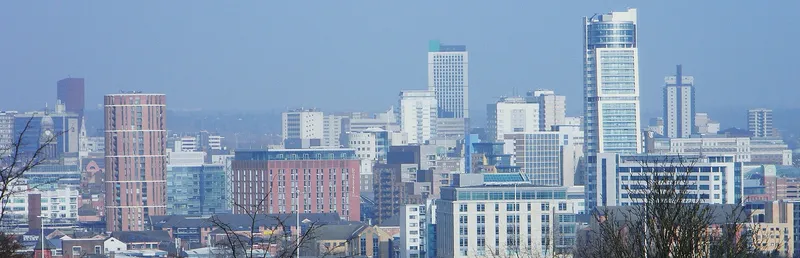
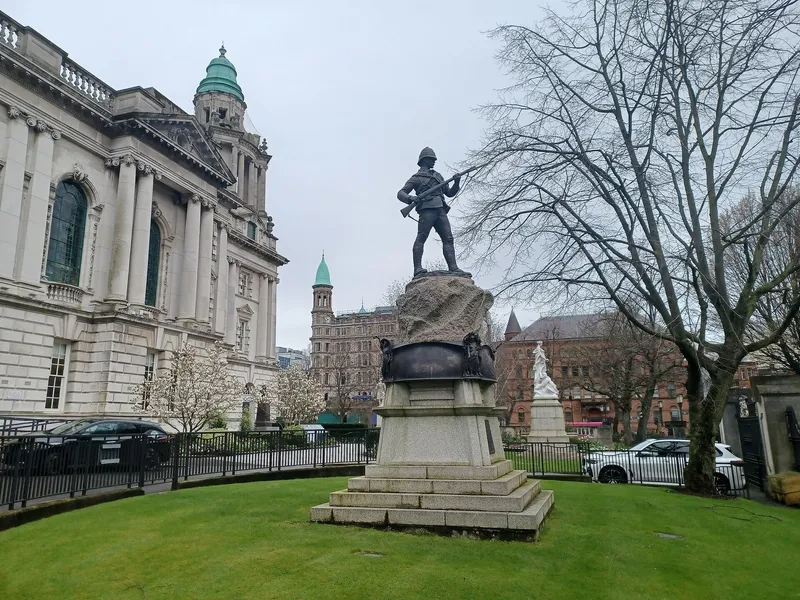
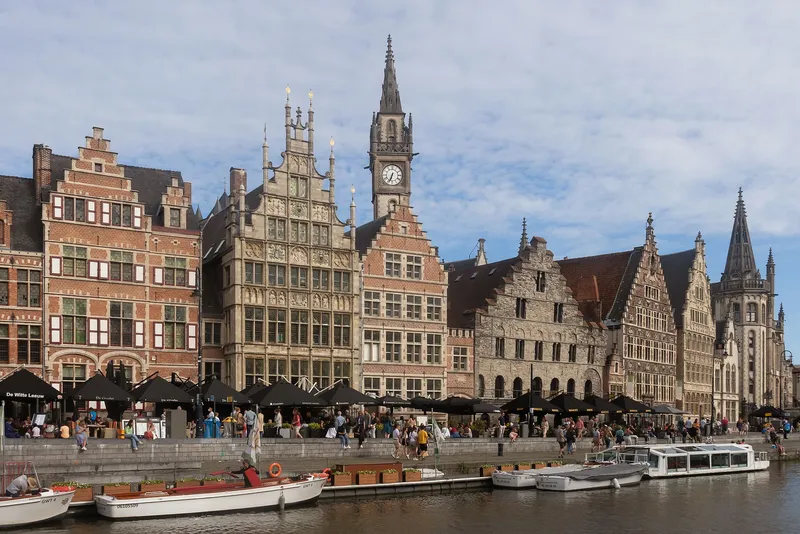
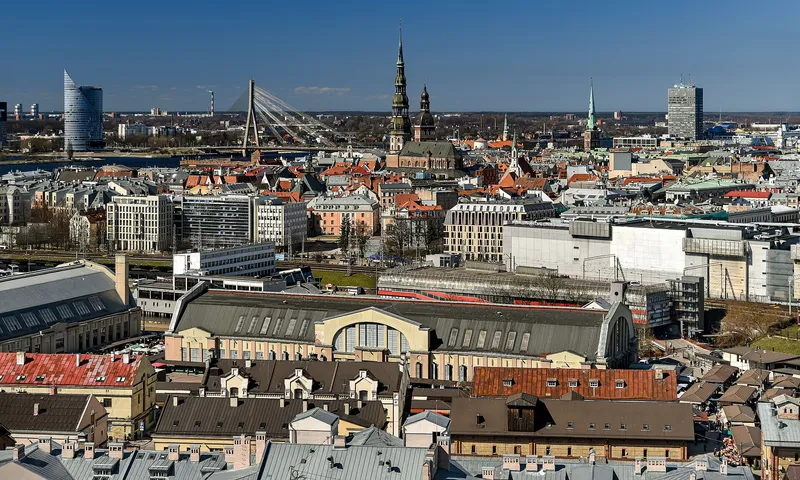
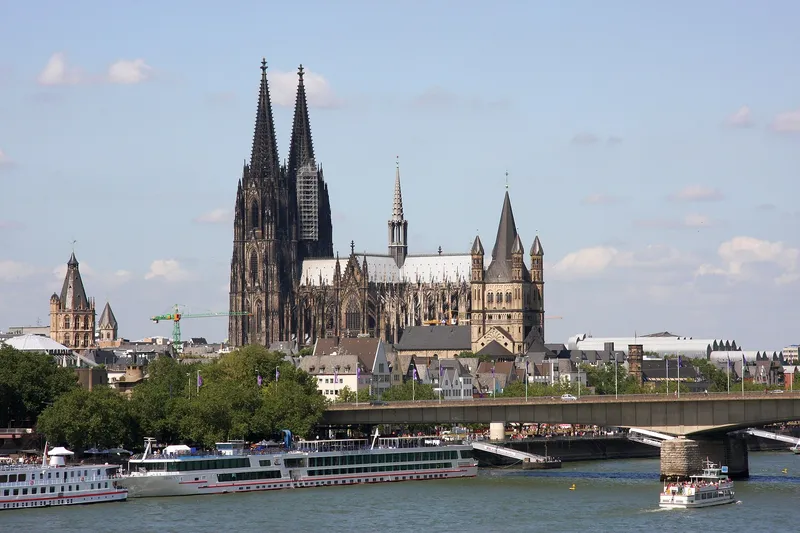
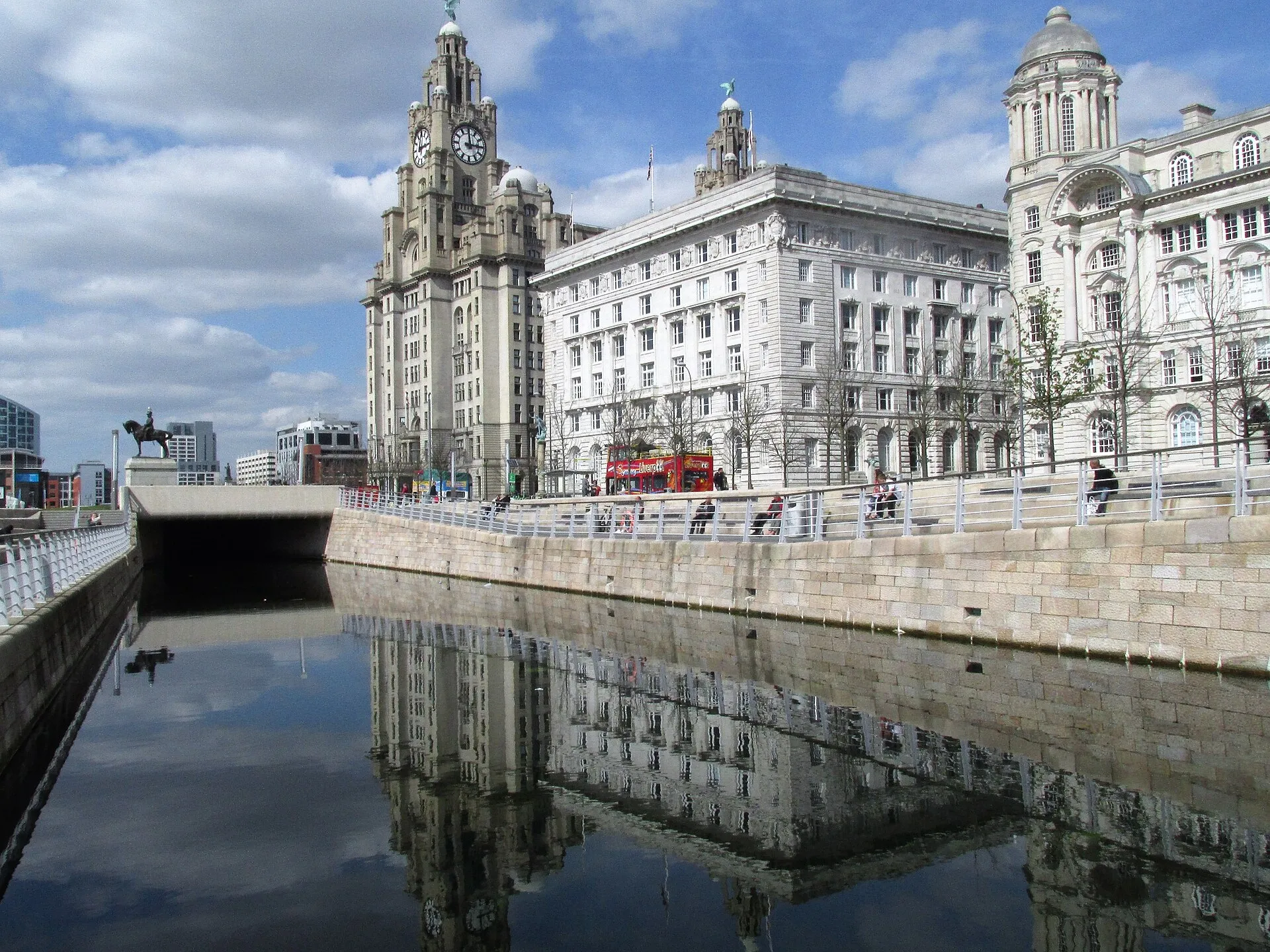
The Royal Liver Building and the Three Graces on Liverpool's Pier Head waterfront
Photo: Joan Sanders / Wikimedia Commons (CC BY-SA 4.0)
United Kingdom flag

Liverpool

United Kingdom

The Beatles' hometown, a proud, affordable northern port with a revived waterfront, football obsession and a razor-sharp sense of humor.

$2,200
Monthly Budget
--
Current Weather
Oceanic
Climate Type
7/10
WiFi Score
6/10
Safety Score
UTC+0
Timezone
0
Nomad Score

Setting Up as a Nomad in Liverpool

The Beatles' hometown, a proud, affordable northern port with a revived waterfront, football obsession and a razor-sharp sense of humor. For remote workers, Liverpool leans on English and culture, with a typical budget near $2,200 a month. The main trade-off is visa access.

Nomad Facts at a Glance

The practical basics for Liverpool, United Kingdom

CurrencyPound (£, GBP)
LanguageEnglish
Plugs & powerType G · 230V / 50Hz
Tap waterSafe to drink
TippingRound up or 10-12.5%
Ride-hailingUber, Bolt
Emergency999 / 112
Mobile dataeSIM: Airalo / Holafly
Driving sideLeft
Dialling code+44
Time zoneUTC+0
Best time to visitJun, Jul, Aug

Country-level guidance to get you oriented, not a substitute for checking locally. Numbers and norms can change; 112 reaches emergency services from most mobiles worldwide.

Category Breakdown

How Liverpool scores across all 13 factors

Liverpool's Nomad Score is 7.6 out of 10, from 13 category ratings (each out of 10): Climate 5, Cost of Living 6, WiFi 7, Nightlife 8, Nature 5, Safety 6, Food 7, Nomad Community 6, English 10, Visa Ease 6, Culture 9, Cleanliness 6, Air Quality 7.

Weather in Liverpool

30-year monthly averages (1991-2020) from a local weather station, and the best time to visit

8°
3°
Jan
8°
3°
Feb
10°
4°
Mar
13°
6°
Apr
16°
8°
May
18°
11°
Jun
20°
14°
Jul
20°
14°
Aug
18°
11°
Sep
14°
9°
Oct
11°
6°
Nov
8°
3°
Dec
Daily high & low (°C)Rainfall (mm/month)Best months to visit

The best time to visit Liverpool for comfortable weather is Jun, Jul, Aug. The warmest month is Jul (around 20°C by day), and the wettest is Dec (about 92mm of rain).

Chasing good weather? See other cities that are warm in Jun, or plan a multi-city route around the seasons, or search flights when you are ready to move. Staying a while in Liverpool? Check visa options, your time-zone overlap and how far your budget stretches, or find it on the world map.

Climate normals for 1991-2020 measured at the Crosby weather station, 11 km away. Historical averages, not a forecast. Source: WMO climate normals, published by NOAA NCEI.

Best Neighborhoods in Liverpool

Where to base yourself for the perfect nomad experience

City Centre and Ropewalks

$$$
Central & Walkable

Warehouse conversions between Bold Street and Duke Street

The grid of former rope-making streets now filled with independent shops on Bold Street, bars along Seel Street and loft flats in converted warehouses. Everything from Lime Street station to the docks is a walk away, and the area keeps a steady supply of short-let apartments.

Best for: Nomads who want to land, walk everywhere and never think about transport.
Pros
  • Walk to station, docks, shops and bars
  • Bold Street is the city's best independent strip
  • Plenty of serviced short-let flats
Cons
  • Loud until late on weekend nights
  • Flats are small with little storage
  • Streets get messy after closing time

Baltic Triangle

$$$
Creative & Industrial

Old warehouses turned into studios, breweries and coworking

A former industrial quarter south of the centre now holding creative agencies, coworking spaces, breweries, street food yards and music venues in raw brick warehouses. New apartment blocks have filled the gaps. It is where Liverpool's freelancers and tech workers actually spend their days.

Best for: Freelancers and founders who want coworking and a creative crowd on the doorstep.
Pros
  • Densest cluster of coworking and studios
  • Good food halls, breweries and gigs
  • Ten minute walk into the centre
Cons
  • Club nights make weekends genuinely loud
  • Still patchy, with car parks and building sites
  • Few everyday shops or supermarkets

Georgian Quarter

$$$
Historic & Refined

Hope Street terraces between the two cathedrals

Liverpool's handsomest streets, a grid of Georgian townhouses running from the Anglican Cathedral to the Metropolitan, with Hope Street's restaurants, the Philharmonic Hall and the university at the edges. Flats are usually conversions inside period houses, and the centre is ten minutes downhill.

Best for: Nomads who want period character and good restaurants without leaving the centre.
Pros
  • Beautiful, quiet Georgian streets
  • Strong restaurant and theatre scene on Hope Street
  • Walking distance to the city centre
Cons
  • Period conversions can be draughty and dear to heat
  • Student flats push up noise near the university
  • Street parking is difficult and permit-controlled

Sefton Park and Aigburth

$$$
Leafy & Residential

Leafy south Liverpool around a Victorian park

The area circling Sefton Park's 200 acres of meadow, lake and palm house, spilling into Lark Lane's cafes and bars and the Victorian villas of Aigburth. It attracts professionals and families, and the riverside path at Otterspool is a short walk further south.

Best for: Longer-stay workers who want green space, cafes and calm streets.
Pros
  • Huge park for runs and breaks
  • Lark Lane packed with independent cafes
  • Quiet, safe residential streets
Cons
  • Twenty-five minute bus into the centre
  • Higher rents than most of the city
  • Limited late transport back at night

Wavertree

$
Local & Cheap

Cheap terraces east of the centre with a huge playing field

An ordinary residential district of Victorian terraces around Picton Road and High Street, with Wavertree Playground, a retail park and the Liverpool Science Park nearby. Rents sit well below the centre and buses run constantly along Smithdown Road into town.

Best for: Budget nomads staying a month or more who are happy to bus into town.
Pros
  • Some of the cheapest rents in the city
  • Frequent buses along Smithdown Road
  • Big green playing fields and cheap gyms
Cons
  • Little to do in the evenings locally
  • Some streets are rundown with visible neglect
  • Petty crime rates above the city average

Cost of Living in Liverpool

Where this figure comes from. No cost survey covers Liverpool, so the $2,200 a month above is our own estimate rather than a measurement. On 416 of our 999 city guides the figure is built from a published Numbeo basket, a one-bedroom rent in the centre plus one person's monthly costs without rent, converted to USD; this city is not one of them. How we source everything.

Liverpool is one of the more affordable major UK cities, and these are editorial estimates in USD. A one-bedroom flat in or near the centre (the Baltic Triangle, Ropewalks, city core) runs roughly $900 to $1,150 a month, dropping to around $700 to $900 in areas further out. Groceries for one come to about $300, and eating out is reasonable, with a casual meal around $15 to $22 and a pint near $5 to $6. A monthly public transport pass is roughly $75 to $90 covering buses and the local Merseyrail trains. A coworking hot desk sits near $150 to $220 a month. Add utilities, council tax if you are on a longer let, and a phone plan, and a comfortable solo month lands close to $2,200. Living centrally and car-free keeps things simple, and Liverpool generally undercuts London and Manchester on rent. The city licenses private landlords across most of its wards, which is unusual in this country and means a legitimate let carries a licence number you can check before handing over a deposit. Older terraced housing here is cheap to rent and expensive to heat, and those two facts belong in the same calculation.

Where to Work in Liverpool

Liverpool has a lively, design-led coworking scene concentrated in the Baltic Triangle, the city's creative and digital quarter packed with studios, cafes and flexible desk space, with more options around the business district. Wifi and home broadband are reliable, with fibre widely available and strong speeds across the centre. Cafe-work culture is well established: independent coffee shops in the Baltic Triangle, Ropewalks and near the universities are used to laptop workers, and there are plenty of spots to settle in for a few hours. English is obviously the working language, which keeps everything frictionless. The student population, driven by several large universities, keeps cafes and casual workspaces busy and affordable. Caveats are minor: popular cafes can get loud and full during term time and on match days, and the very cheapest coworking may lack the polish of larger corporate hubs, but options are plentiful for the city's size.

Getting Around Liverpool

Liverpool is compact and very walkable, and you can cover the centre, the waterfront and the Baltic Triangle comfortably on foot. Public transport is good for a UK regional city: frequent buses plus the Merseyrail electric train network, one of the better local rail systems in the country, link the centre with the wider Merseyside area and across the river to the Wirral. A monthly pass runs roughly $75 to $90. Uber and traditional black cabs both operate widely. Liverpool John Lennon Airport is about a 25 to 35 minute drive or bus ride from the centre and focuses on UK and European budget routes; for long-haul you will usually use Manchester, under an hour away by train. You do not need a car to live here, and central parking and traffic make one more hassle than help for everyday nomad life. Two road tunnels run under the river and both are tolled in each direction, which is why the train through the third one is what most people actually use. A ferry crosses to the far bank as well, kept running as much for the view and the song as for the handful of commuters still aboard it.

Sorting transport? Book an airport transfer, or compare car rental on Auto Europe and QEEQ.

Visas for Liverpool

The UK has no digital nomad visa. Visitors from the US, EU, Canada, Australia and many other countries can enter visa-free as standard visitors for up to six months, while others apply for a standard visitor visa; from 2025 many visa-exempt travellers also need an ETA (electronic travel authorisation) obtained in advance, which costs $27. Crucially, UK visitor rules were updated to permit remote working: you may carry out your normal job for an employer based outside the UK while visiting, provided remote work is not the main purpose of your trip. What you cannot do is work for a UK company, take up UK employment, or provide services to UK-based clients as if in the local labour market. There is no route to extend a visit into long-term residence on this basis.

Best Time to Visit Liverpool

Liverpool has a mild, damp maritime climate with no real extremes, so you trade cold winters for a lot of grey, wet days. The best window is May through September, when days are longest, temperatures are pleasantly warm rather than hot, and the waterfront, parks and outdoor events come alive; June to August is the reliable peak. Spring and early autumn are decent too, though changeable. Winter, from November through February, is not bitterly cold but is dark, wet and windy, with short daylight and frequent rain blowing in off the Irish Sea, which some find flattening over time. Rain is possible in any month, so a waterproof is essential year-round. If you dislike gloom, avoid the deep winter and aim for late spring to early autumn. There is no snowy-city drama here, just the classic UK pattern of mild, damp and often overcast. Two clubs play in this city, and a home match at either fills the trains, the hotels and the centre, so a room booked on the wrong weekend costs double what it should. The horse racing in April does the same on a larger scale, and it is the one week when the whole city dresses up.

Pros and Cons of Liverpool

Pros: Liverpool offers genuine character, a famous music and football culture, a striking UNESCO-linked waterfront and a warm, sociable local scene, all at rents well below London. It is compact, walkable, English-speaking and well connected by rail, with a creative coworking hub in the Baltic Triangle and a big student population that keeps nightlife and cafes buzzing and affordable. Cons: the weather is often grey, wet and windy, especially in winter, and the short daylight can wear on you. As a regional city it lacks London's scale of international flights and the very largest nomad community, and you will route long-haul trips through Manchester. Some areas feel rough around the edges, and match days and stag or hen crowds can make the centre rowdy. For value, friendliness and culture it punches well above its size, but do not expect sunshine or a huge global-nomad scene.

Who Liverpool Is For

Budget-conscious arrivals who want an affordable, characterful UK base with genuine warmth, music and football culture, and an easygoing, sociable atmosphere, are the ones who stay. A walkable English-speaking city with a real creative community and good rail links, none of it polished and none of it prestigious, is the accurate description. Solo remote workers do well out of the cafes and the coworking in the Baltic Triangle, and out of a student crowd that is easy to fall in with. Football and music fans will feel especially at home. Sunshine is not reliable, the city has never been a nomad hub, and long-haul flights mean Manchester rather than the airport down the road. The grey damp stretches are long, and they are not a rumour put about by southerners. Come for value, culture and a welcoming vibe; look elsewhere if warmth and a big global scene are your priorities.
Where to Stay in Liverpool

Top neighborhoods and accommodations for digital nomads

Browse apartments, aparthotels and hotels across Liverpool. Compare prices and book a base that suits a remote-work stay.

See available stays in Liverpool →

Affiliate link. See our disclosure.

Best Coworking Spaces

Where nomads get work done in Liverpool

Bold Street Coffee

Specialty coffee
Bold Street, Ropewalks

The city's best known independent coffee bar, a long standing freelancer base on Bold Street with strong brunch and steady wifi.

View on Maps →

Moose Coffee

Brunch cafe
Dale Street, city centre

North American style brunch house near the business district, busy at weekends but workable on weekday mornings with fast service.

View on Maps →

Lovelocks Coffee Shop

Independent cafe
Old Haymarket, city centre

Community minded independent near the tunnel entrance, quiet enough for calls with a garden courtyard and generous table time.

View on Maps →

Rococo Coffee House

First floor cafe
Lord Street, city centre

First floor coffee house overlooking Lord Street, with armchairs, window tables and enough space for a long working afternoon.

View on Maps →

Leaf on Bold Street

Tea shop and cafe
Bold Street, Ropewalks

Large loft style tea shop and all day kitchen, the most reliable central spot when you need a big table for hours.

View on Maps →

Mother Espresso

Specialty coffee
Wood Street, Ropewalks

Compact Wood Street espresso bar with excellent coffee and pastries, best for short focused sessions between meetings in the centre.

View on Maps →

Where to Eat & Drink

Best food and drink spots in Liverpool

Maray

Middle Eastern small plates
Bold Street, Ropewalks

Middle Eastern influenced small plates built around the famous disco cauliflower, shared dinners landing near $30 a head.

View on Maps →

Belzan

Modern British bistro
Smithdown Road

Smithdown Road neighbourhood bistro with a changing seasonal menu and excellent value set lunches, a genuine local rather than tourist stop.

View on Maps →

The Art School Restaurant

Fine dining
Georgian Quarter

Liverpool's flagship tasting menu restaurant in a glass roofed Georgian Quarter room, the city's choice for a serious celebration dinner.

View on Maps →

Baltic Market

Street food hall
Baltic Triangle

Warehouse street food market in the Baltic Triangle, a dozen independent traders with most plates under $12 and long bar hours.

View on Maps →

Lunya

Catalan deli restaurant
Hanover Street, city centre

Catalan deli and restaurant serving tapas and cured meats, with a shop downstairs and sharing dinners around $25.

View on Maps →

Buyers Club

Bar and kitchen
Hardman Street

Bar, courtyard and kitchen on Hardman Street with rotating guest chefs, good beer and live music through the evening.

View on Maps →

Cities with a Similar Vibe to Liverpool

Different places that score alike across our 13 categories, if you like Liverpool, these tend to feel similar.

In the rankings

Liverpool in our rankings

  1. Best cities in Europe→

A comfortable solo budget in Liverpool is about $2,200/mo, on the pricier side for a nomad base.

Frequently Asked Questions About Liverpool

How much does it cost to live in Liverpool as a digital nomad?

A comfortable nomad budget in Liverpool is around $2,200 a month, covering a furnished rental, food, coworking, and getting around. You can spend less by living outside the center and eating local, or more in the most popular neighborhoods.

Is the internet fast enough for remote work in Liverpool?

Liverpool rates 7 out of 10 for WiFi in our scoring, so connectivity is good for video calls and everyday remote work. A local SIM with a data plan is a smart backup for cafes, coworking, and travel days.

Is Liverpool safe for digital nomads?

Liverpool scores 6 out of 10 for safety in our ratings, which is average for solo travelers and long stays. Use the usual precautions with valuables and at night, and favor well-reviewed neighborhoods when you choose where to stay.

Is Liverpool a good city for digital nomads overall?

Liverpool stands out for widely spoken English and culture among remote workers. With a typical budget near $2,200 a month and a growing nomad scene, it is worth a look if those priorities match what you want from a base.