Cost of Living in Telč
Where this figure comes from. No cost survey covers Telč, so the $1,000 a month above is our own estimate rather than a measurement. On 416 of our 999 city guides the figure is built from a published Numbeo basket, a one-bedroom rent in the centre plus one person's monthly costs without rent, converted to USD; this city is not one of them. How we source everything.
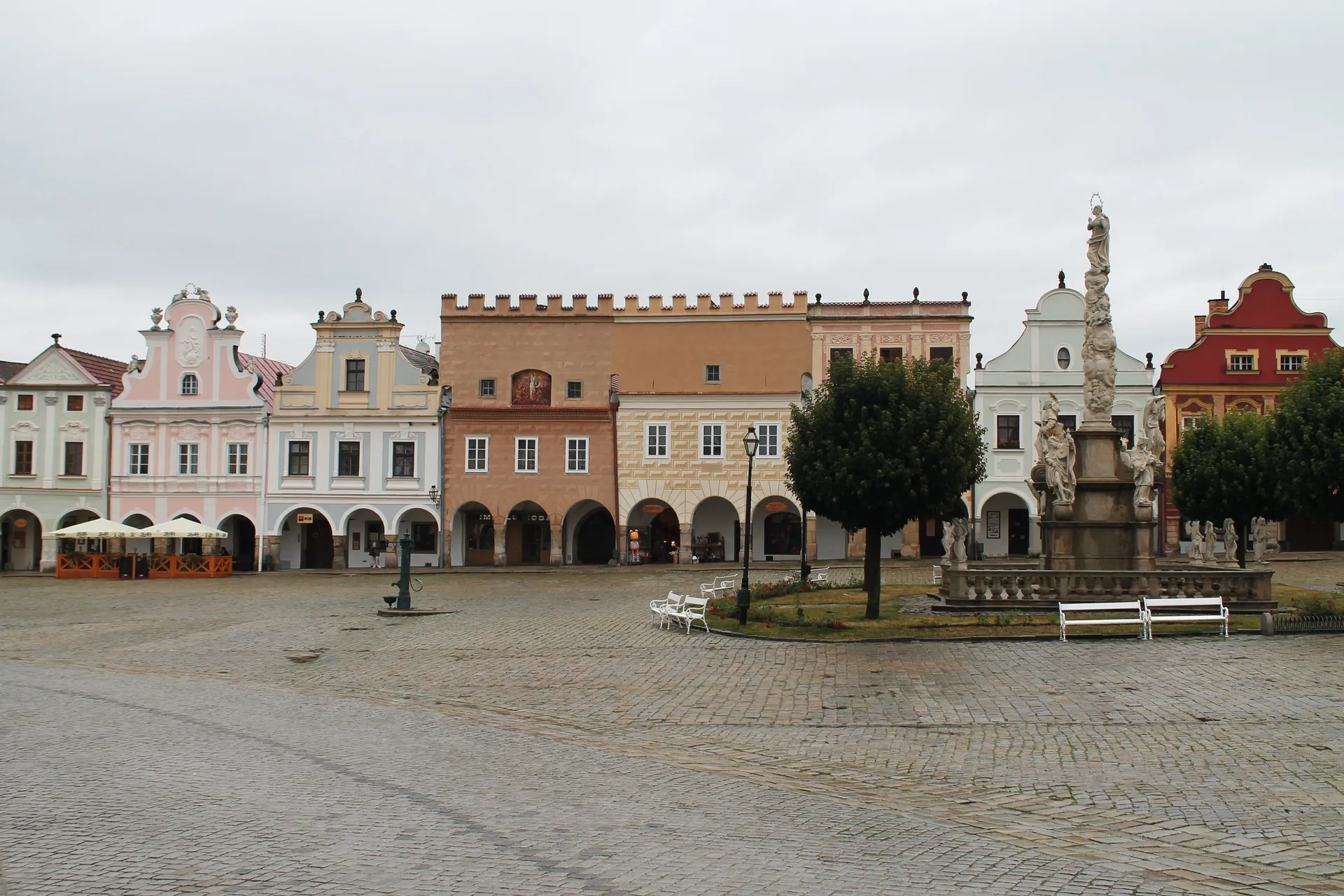
Telč is one of the cheapest places you can plant yourself in the Czech Republic. A one-bedroom apartment near the historic square runs roughly $430 to $620 a month, and that is before you even look at the cheaper streets a short walk from the center. Groceries at the local Albert or Coop supermarket, plus the small farmers market on the square, keep a weekly food bill low, and a sit-down lunch menu (denni menu) at a local restaurant typically costs $7 to $10. Eating out every night in Prague would strain a budget; doing it in Telč barely dents one. Coffee, beer and utilities are all priced for a small Moravian town, not a capital city, so a modest but comfortable single-person budget lands around $1,190 to $1,660 a month, including rent. The tradeoff for this affordability is obvious: there is very little to spend money on after groceries, rent and the occasional pastry from the bakery on the square.
Where to Work in Telč
Plan your workdays around one plain absence: the town has nowhere built for shared work, not even a small coworking room. There is no WeWork equivalent, no hot-desk operation, nothing built for remote workers. What you get instead is a handful of cafes around namesti Zachariase z Hradce with decent wifi and enough tables to park a laptop for a few hours, plus the quiet of your own rented apartment, which is honestly where most remote workers here end up doing the bulk of their focused work. Wifi in apartments and cafes is generally reliable, since Czech broadband infrastructure is solid even in small towns, and mobile data from Czech carriers works well as a backup. If you need a real office environment with meeting rooms and a community of other remote workers, you will need to travel to Jihlava (about 30 minutes away) or, better, Brno (roughly 1.5 hours), which has a proper coworking scene. Telč works well for people who want to hole up and write, code or plan in peace, not for people who need daily collaborative energy.
Getting Around Telč
The town itself is entirely walkable, small enough that you can cross it end to end in about fifteen minutes, and the historic core is pedestrian-friendly with cobbled streets. You will not need a car, and in fact a car is more of a liability than a help inside the old town. For getting elsewhere, regional buses connect Telč to Jihlava in about 30 to 40 minutes and to Trebic in a similar window, both useful for bigger grocery runs, medical appointments or a change of scenery. Direct buses also run to Brno (around 1.5 to 2 hours) and, less frequently, to Prague (roughly 2.5 to 3 hours), so weekend trips to either city are entirely doable without a car. Telč does have two small stations on the slow regional line south to Slavonice, but any faster train means a change along the way, so in practice the coach is how most people come and go. If you plan to explore the wider Vysocina and South Moravia region on your own schedule, renting a car for occasional trips is worth it, but daily life in town needs nothing but your own two feet.
Sorting transport? Book an airport transfer, or compare car rental on Auto Europe and QEEQ.
Visas for Telč
The Czech Republic is a full Schengen member, so most nomads from the US, UK, Canada, Australia and similar passport countries can enter visa-free and stay up to 90 days within any 180-day period, counted across the entire Schengen zone, not just Czechia. That is plenty for a slow, quiet stint in Telč but not a long-term solution. For a longer stay, the Czech Republic offers a Zivnostensky list (trade license) route that some freelancers use to base themselves in the country legally, along with a more recent digital nomad visa option aimed at remote workers and contractors, both of which require paperwork filed through a Czech consulate or the Foreign Police and are easier to arrange with a Prague-based lawyer than to do solo from a small town. Because Telč has no immigration office of its own, any visa or residency administration means a trip to Jihlava or further, so factor that into your planning if you intend to stay past the 90-day mark. The drive south to Slavonice and over into Austria crosses a border with no booth, since it is internal to Schengen; the Entry/Exit System enrolled you once, at whichever external border you first crossed, usually the airport you flew into, and records you again only when you leave the area altogether.
Best Time to Visit Telč
Late spring through early autumn, roughly May to September, is when Telč is at its best: warm days in the low-to-mid 20s Celsius, long evenings for sitting by the fishponds, and the pastel facades on the square glowing in the light. July and August bring the most tourists, since Telč is a popular day-trip destination for visitors touring South Moravia, so the square can feel genuinely crowded with tour groups for a few hours around midday even though the town empties out again by evening. Shoulder months like May, June and September offer the same good weather with far fewer people. Winters are a different story: cold, grey, and often snowy, with temperatures regularly below freezing from December through February, and the town's tourist infrastructure, such as it is, largely shuts down. If you come for winter, come knowing you are choosing hibernation-mode quiet, not postcard charm. Prázdniny v Telči, a long-running music festival, fills the late-summer calendar with concerts, so for those weeks music rather than coach tours sets the pace of the place.
Pros and Cons of Telč
The pros are real: Telč is stunning, a genuine UNESCO World Heritage town with one of the most beautiful squares in Central Europe, and living inside that beauty every day for a fraction of Prague's cost is a rare thing. It is safe, clean, unhurried, and easy to get your bearings in within a day. The cons are equally real and worth stating plainly. This is a town of about 5,000 people with almost no nightlife, a thin dining scene once you have tried the handful of restaurants on the square, no coworking infrastructure, and a remote-worker community that is essentially nonexistent. English is spoken at tourist-facing businesses but far less reliably once you step off that path. Days can feel very long and very quiet, especially outside the summer season, and anyone craving spontaneity, variety or a packed social calendar will feel that absence quickly.
Who Telč Is For
Telč suits a specific kind of nomad: someone who wants a deliberate, low-cost, low-stimulation month or two to focus on deep work, writing, or simply decompressing, and who is comfortable being mostly alone. It is a good fit for a couple, a solo worker who has already spent time in busier hubs and wants contrast, or anyone using it as a quiet home base for exploring the wider Vysocina and South Moravia countryside. It is a poor fit for anyone chasing a coworking community, an active nightlife, or a steady stream of new people to meet, and it is not a place to arrive without a plan for how you will fill your own days. Think of Telč as a peaceful retreat you visit deliberately, not a nomad hub you stumble into.