Cost of Living in Plzeň
Real market data
Source: Numbeo · September 2026
$1,500/moSolo nomad1-bed centre + living costs
$2,090/moCoupleshared 1-bed + costs
$1,470/moLean / localcheaper area + costs
- 1-bed rent, city centre$760Kč15,882
- 1-bed rent, outside centre$720Kč15,225
- Monthly costs excl. rent (1 person)$740Kč15,591
- Meal, inexpensive restaurant$12Kč250
- Monthly transit pass$29Kč600
- Buy price, per m² (centre)$5,240Kč110,143
Prices are from Numbeo (September 2026), converted to USD at $1 = Kč21.02 (01 Aug 2026). The monthly living-costs figure is our transparent one-person basket, groceries, a few meals out, utilities, phone, internet, transport and essentials, priced from those figures. Solo adds central rent; couple and lean are estimates from the same numbers.
Budget roughly $1,500 a month as a solo remote worker in Plzeň, which buys Czech city living at a clear discount to Prague. A one-bedroom apartment near the historic centre runs about $450 to $620, and the panel-block districts a tram ride out drop that to $340 to $450. Groceries land around $220 to $280. A pub lunch with a beer is $7 to $9, a restaurant dinner $17 to $24, and half a litre of Pilsner Urquell, brewed a few hundred metres away, is about $1.60 and often cheaper than water. A monthly transit pass is roughly $18. Utilities add $90 to $160, more through the winter. The deposit norm is two months' rent on top of the first month, and an agency fee of a further month is common on the open market, so a flat costs three or four months up front before anything else. Health cover is compulsory for a residence permit and non-EU applicants have to hold a comprehensive policy from a licensed Czech provider, which adds something in the region of $80 to $130 monthly and is not negotiable. Heating dominates the winter bill, since most panel blocks run on district heat billed through the building.
Where to Work in Plzeň
Plzeň has a modest coworking scene, with desks at roughly $90 to $150 a month, serving a local engineering and software sector that grew up around Škoda and the University of West Bohemia. The university's 10,000 or so students support a good supply of laptop-tolerant cafes around náměstí Republiky and the streets running off it. Czech fixed-line internet is fast and inexpensive, and mobile data is reliable. English is reasonably common among students and engineers and thinner elsewhere. Prague is an hour away by bus for anything the city cannot supply, which in practice means a larger professional network rather than better infrastructure. Škoda in Plzeň is not the car company. Emil Škoda's works here built locomotives, turbines and armaments, and the businesses surviving on that site still do heavy engineering and transport equipment, while Škoda Auto is a separate firm two hours away. Getting that distinction right matters when reading a job listing or introducing yourself. The university carries the region's computer science and law faculties, and its research park on the eastern edge is where the software work concentrates rather than in the centre.
Getting Around Plzeň
Plzeň is compact, and the historic centre inside the old moat ring is walkable in fifteen minutes. Beyond it, trams, trolleybuses and buses cover the city on one ticket, with a monthly pass around $18 and singles under a dollar. The network is old, dense and reliable. Cycling works well on the flat river valleys. The main railway station puts Prague at an hour and ten minutes and Munich at about four, on a line that also runs to Nuremberg, which makes the Bavarian border genuinely close. There is no passenger airport; Prague is 90 minutes by bus and is the practical gateway for anything international. The brewery cellars run nine kilometres under the city and are open on the tour, and separately the medieval merchant tunnels beneath the old town form one of the longest such systems in central Europe, with about eight hundred metres of it walkable. Above ground the trolleybus network has been in continuous operation since 1941, among the oldest anywhere still running, which is part of why the transport feels denser than the city's size warrants.
Sorting transport? Book an airport transfer, or compare car rental on Auto Europe and QEEQ.
Visas for Plzeň
The Czech Republic is in the European Union and the Schengen area, so EU and EEA citizens may live and work here after registering, and most other Western passports get 90 days in any 180. Since 2023 the Czech Republic has run a digital nomad visa for highly skilled non-EU remote workers from a defined list of countries, granting up to a year, and it is one of the more usable schemes in central Europe. Outside it, the long-standing živnostenský list, the Czech trade licence, remains the route most freelancers take, though it involves real bureaucracy and is best handled with a local accountant. Applications are made at consulates abroad rather than in-country. The trade licence is cheap to obtain and expensive to misunderstand: it makes you self-employed under Czech law, which means monthly social and health contributions at a legal minimum regardless of what you earned, plus an annual return and a state data box used to serve documents. Anything delivered to that box counts as received whether you opened it or not, which is the trap that catches newcomers rather than the paperwork itself.
Best Time to Visit Plzeň
May to September is the comfortable window, with warm days in the low to mid twenties and long evenings. Plzeň is not a tourist city, so summer brings no real crush; the exception is the Pilsner Fest in early October, which fills the town. September and early October are excellent: warm, clear, and with the university back in session. Autumn turns grey and wet through November. Winter, December to February, is cold and often below freezing with occasional snow, and the short days are the main thing to plan for. The Christmas market on náměstí Republiky is small and pleasant, and far less crowded than anything in Prague. The first weekend of May belongs to the Liberation Festival, which marks Patton's Third Army reaching the city in 1945 while the rest of the country waited for the Red Army. The anniversary was unmentionable for forty years and is now the largest thing in the local calendar, with American veterans, period vehicles and a convoy through the streets. It is also the one weekend when a room here is genuinely hard to find.
Pros and Cons of Plzeň
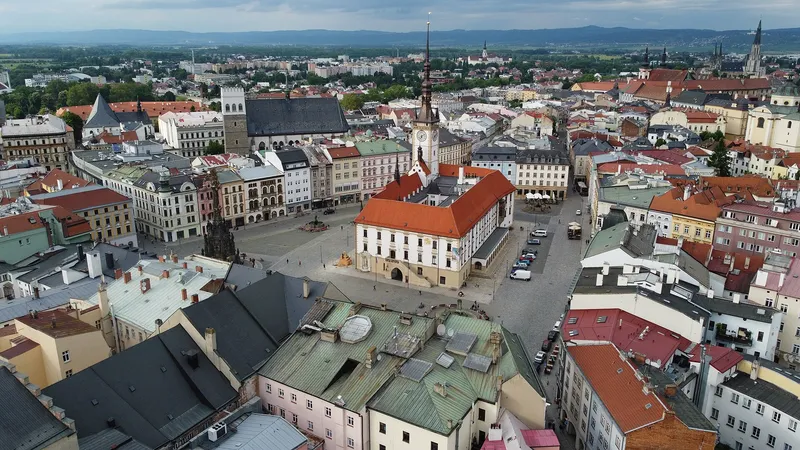
Plzeň offers Czech quality of life at roughly two-thirds of Prague's cost, with a Gothic square, the world's most consequential brewery, a technical university and an hour's train to the capital. Beer is cheap and excellent, the city is safe and walkable, and the internet is fast. The Šumava national park and the German border are both within reach. The city is industrial in character and not at all conventionally beautiful outside its centre. The international community is very small and there is no nomad scene. English runs out quickly. Winters are long and grey, and the absence of an airport means every international trip starts with a bus to Prague. The Great Synagogue here is the third largest in the world, built in 1893 for a community that numbered thousands and now serves a few dozen, which is the plainest statement of what happened to this city that you will find anywhere in it. The cathedral on the main square carries the tallest church spire in the country at a hundred and two metres.
Who Plzeň Is For
Central European living with real infrastructure and a lower bill than Prague, provided you supply your own social life. Most people arrive on a Czech trade licence or the nomad visa beside it. Beyond the paperwork, the city has an engineering and software sector with real employers in it, and the brewery that gave the pilsner its name. Couples and quiet solo workers do best. No established foreign community exists here, the weather is central European rather than warm, every flight begins with a bus to Prague, and the city expects to be lived in rather than to entertain. Prague costs half as much again and answers all of those; Brno is the middle option. It suits an engineer more than the cost argument alone suggests, since the turbine, rail and industrial automation work here is long-established rather than a satellite office that could move. Anyone intending to learn Czech will get there faster here than in Prague, since the shortage of English does the teaching and the university runs proper courses. Somebody arriving for the beer and expecting a theme park about it will be disappointed: the brewery is a working plant in an industrial district and the town around it is getting on with something else.
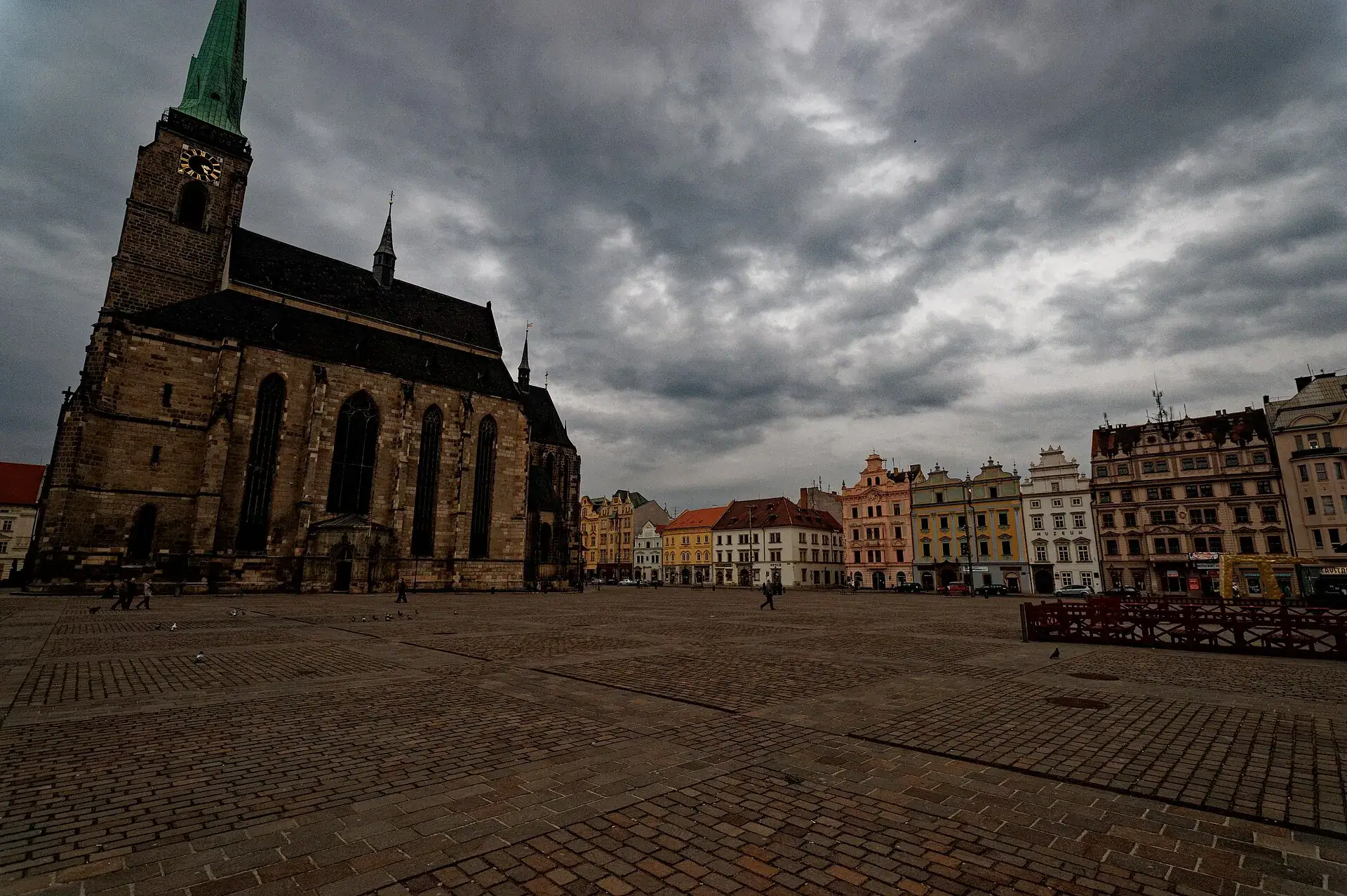 Photo: Txllxt TxllxT / Wikimedia Commons (CC BY-SA 4.0)