Cost of Living in Koyasan
Where this figure comes from. No cost survey covers Koyasan, so the $1,300 a month above is our own estimate rather than a measurement. On 416 of our 999 city guides the figure is built from a published Numbeo basket, a one-bedroom rent in the centre plus one person's monthly costs without rent, converted to USD; this city is not one of them. How we source everything.
Koyasan sits in the mid range for Japan, and most visitors experience it as a short, immersive stay rather than a monthly base. A realistic budget lands somewhere between $1,200 and $2,200 a month, though few nomads stay that long. The defining cost is shukubo, temple lodging, which typically bundles a room, a vegetarian shojin ryori dinner and breakfast, and access to morning prayers. Nightly rates are higher than a business hotel in Osaka because you are paying for atmosphere, food, and heritage. Groceries and simple cafe meals are affordable, but options are limited on a small mountain plateau. There is no nightlife spending to speak of, few shops, and little to buy beyond incense, crafts, and temple mementos, so daily variable costs stay low once lodging is settled.
- Shukubo temple stay with two meals: roughly $70 to $180 per person per night.
- Simple cafe lunch or goma tofu set: about $8 to $16.
- Nankai train plus cablecar from Osaka: around $10 to $12 each way.
- Local plateau bus day pass: a few dollars.
Where to Work in Koyasan
Koyasan exists for prayer and pilgrimage, and a laptop arriving on the cablecar is a guest in that routine rather than the reason the town runs. There is no coworking space, no startup scene, and no buzzing laptop cafe culture. That said, connectivity is workable. Many temple lodgings now offer wifi that is fine for email, writing, and light video calls, and a handful of cafes and the visitor center have usable connections. The real value here is the setting. Working a quiet morning from a tatami room after dawn prayers, with cedar forest outside the shoji screens, is a memorable and grounding experience. Expect simplicity rather than infrastructure, and treat any focused work as a bonus rather than the plan. If you depend on reliable heavy bandwidth or long client calls, base yourself in Osaka and visit Koyasan for a contemplative stretch instead.
- Some shukubo offer decent wifi in common areas.
- A few town cafes are laptop-tolerant during quiet hours.
- Carry a mobile hotspot or eSIM as a reliable backup.
- Plan calls around morning prayers and early temple quiet time.
Getting Around Koyasan
Koyasan is refreshingly car-free in spirit and easy to navigate. The town itself is compact and walkable, strung along a single main plateau road with temples, shops, and lodgings within an easy stroll. Local buses run the length of the plateau and are handy for reaching the Okunoin cemetery entrance or the Daimon gate at the far ends, especially with luggage or in cold weather. Getting here is part of the experience: take the Nankai Koya line train from Osaka to Gokurakubashi, then ride the steep cablecar funicular up the mountainside, and finally a short bus into town. The whole journey from central Osaka takes roughly two hours. You do not need a car, and honestly a car adds little on such a small, pedestrian-scaled mountain settlement. The cablecar is not the only way up. The Choishi-michi, the original pilgrim route, climbs about 22 km from Jison-in temple, a 25-minute walk from Kudoyama station, past 180 stone markers set one cho, about 109 m, apart. It takes six and a half to eight hours at a steady pace, and arriving on foot at the plateau's great western gate the way pilgrims did is the strongest case for booking a second night.
- Walking covers most of the town center comfortably.
- Plateau buses connect Okunoin, the town, and the Daimon gate.
- Nankai train to Gokurakubashi, then the cablecar up the mountain.
- Around two hours door to door from central Osaka.
Sorting transport? Book an airport transfer, or compare car rental on Auto Europe and QEEQ.
Visas for Koyasan
Koyasan follows Japan's national entry rules, so there is nothing town-specific to arrange. Many nationalities, including citizens of the US, UK, EU countries, Canada, and Australia, receive visa-exempt short-stay entry of up to 90 days on arrival, which comfortably covers a temple stay or a longer mountain retreat. For stays beyond that window, Japan offers longer-term routes, and a digital-nomad visa framework has been introduced for eligible higher-income remote workers on a defined multi-month basis. Koyasan's remote, small-town nature means you will not find immigration services on the mountain. The waiver is granted as Temporary Visitor status on a landing sticker in the passport, which records the date of entry and the period allowed, and the ninety days run from that date wherever in Japan you landed.
- Common visa-exempt short stay: up to 90 days for many passports.
- Longer stays require an appropriate visa arranged in advance.
- A digital-nomad visa route exists for eligible remote workers.
Best Time to Visit Koyasan
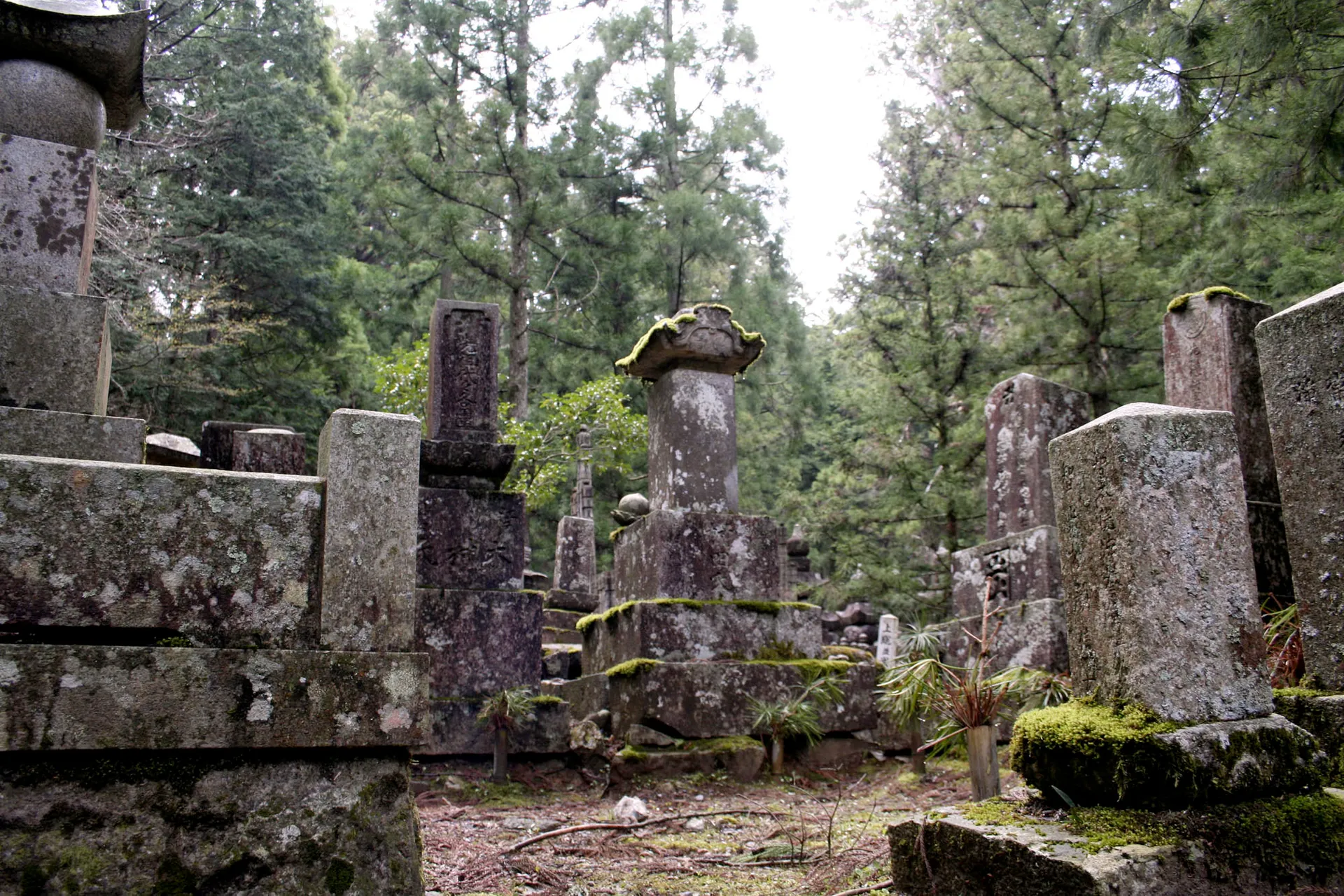
Koyasan rewards visitors year round, and the season sets the entire mood. Autumn is the showpiece: through October and November the koyo foliage turns the temple grounds and cedar avenues into blazing color, and it is deservedly the busiest window. Late spring is gentle and green, with mild days ideal for slow walking. Summer is a genuine mountain escape, cool and lush at 800 meters while the lowlands swelter, making it a quiet favorite for heat-weary travelers. Winter is cold and often snowy, deeply atmospheric and hushed, though some services and lodgings scale back and access can be affected. Whatever the season, save the Okunoin cemetery for dawn or after dark, when the lantern-lit cedar avenues toward Kobo Daishi's mausoleum feel truly otherworldly.
- Autumn (October to November): peak koyo foliage, most beautiful and busiest.
- Late spring: mild, green, and comfortable for walking.
- Summer: cool, lush relief from lowland heat.
- Winter: snowy, atmospheric, and quiet, with reduced services.
Pros and Cons of Koyasan
Koyasan is one of Japan's most extraordinary places, but it is emphatically not a conventional nomad hub, and knowing the trade-offs prevents disappointment. On the plus side you get world-class spiritual heritage, the unforgettable Okunoin cemetery, serene cedar-forest surroundings, superb safety, spotless streets, clean mountain air, and the rare chance to sleep in a working temple and eat exquisite shojin ryori. The flip side is real: the nomad community is tiny to nonexistent, nightlife is essentially zero, the climate runs cool to cold, and the contemplative pace can feel isolating if you crave energy or variety. Practical infrastructure for remote work is thin. This is a destination that gives enormously to those seeking depth and calm, and frustrates anyone expecting a lively, well-connected base.
- Pros: profound heritage, Okunoin, forest serenity, safety, cleanliness, clean air, temple lodging and cuisine.
- Cons: near-zero nightlife, tiny community, cool-to-cold climate, limited work infrastructure.
- Best appreciated as a short, immersive stay rather than a long base.
Who Koyasan Is For
Koyasan is for the traveler who wants to go inward. It suits nomads and slow travelers seeking a short, deeply cultural and spiritual reset: people happy to trade nightlife and networking for dawn prayers, forest silence, and long reflective walks among centuries-old cedars and lanterns. It is ideal for a mid-trip pause, a writing or thinking retreat, a mindful few days between busier Japanese cities, or anyone drawn to Buddhist tradition and heritage. It is a poor fit for those who need a buzzing social scene, dependable high-speed work infrastructure, warm weather, or endless dining and entertainment options. Come for a handful of nights, stay in a shukubo, eat the shojin ryori, and let the mountain slow you down. Then carry the calm back to a livelier base like Osaka. Okunoin deserves an unhurried hour of its own: the 2 km path through the cedars passes more than 200,000 graves, from feudal lords to company memorials, and at its end monks still carry meals to Kobo Daishi's mausoleum twice a day, in the belief that he sits in eternal meditation rather than death.
- Great for: spiritual seekers, culture lovers, slow travelers, and short retreats.
- Great for: a mindful pause between busier Japanese cities.
- Not for: nightlife seekers, heavy remote workers, or those wanting warmth and variety.