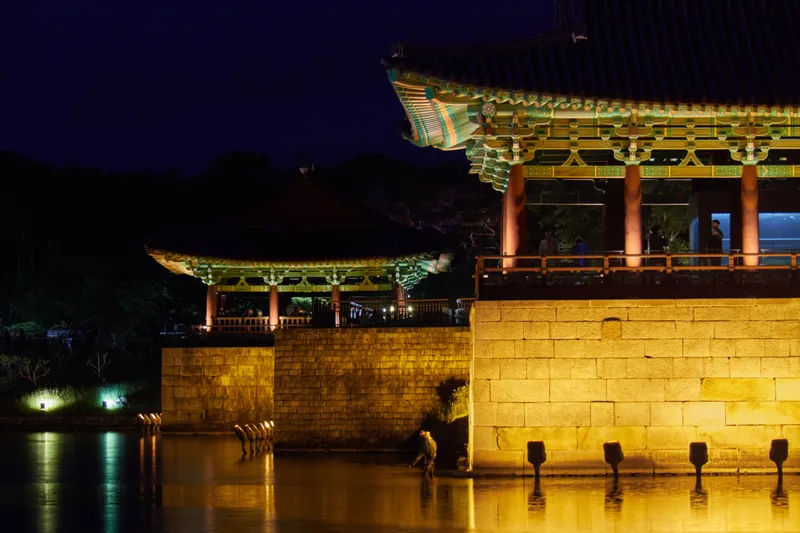
Cost of Living in Nara
Where this figure comes from. No cost survey covers Nara, so the $1,500 a month above is our own estimate rather than a measurement. On 416 of our 999 city guides the figure is built from a published Numbeo basket, a one-bedroom rent in the centre plus one person's monthly costs without rent, converted to USD; this city is not one of them. How we source everything.
Nara is one of the more affordable bases in the Kansai region, offering lower rents than nearby Osaka or Kyoto while keeping you within easy reach of both. A single nomad can expect to spend roughly $1,300 to $1,800 a month, depending on how central your flat is and how often you eat out. A small furnished apartment near Kintetsu Nara station sits at the higher end, while sharehouses and older units farther out are cheaper. Groceries, convenience stores and casual noodle shops keep daily costs modest, and the excellent train network means you rarely need a car. These figures are editorial estimates rather than surveyed averages, so treat them as a rough planning guide. The reason rent is low here is that this is a commuter city, and saying so explains most of the rest. A very large share of working residents leave the prefecture every morning for the two big cities next door, a higher rate of out-commuting than anywhere else in Japan, so the place empties on a weekday and the housing stock is priced against a salary earned somewhere else. For a remote worker that is close to ideal: dormitory-town rent without the dormitory-town commute. The catch arrives in the evening, when the city everybody left has not got a great deal waiting for them.
- Rent for a small furnished flat: roughly $650 to $950 a month
- Monthly groceries and cooking at home: around $300 to $400
- Eating out and casual dining: budget $250 to $400
- Local transport, SIM and utilities: about $150 to $250
Where to Work in Nara
Nara is a quiet, focused place to get work done, and its internet is fast and reliable across the city. Dedicated coworking spaces are fewer than in Osaka, so many nomads work from their apartment, a rented sharehouse desk, or one of the calm cafes clustered around Kintetsu Nara and JR Nara stations. Chain and independent cafes near Naramachi offer good coffee and quiet corners, though some ask that you keep laptop sessions short at peak times. The main public library and a handful of community spaces provide additional seating. For heavier collaboration, an express train puts you in central Osaka in around forty-five minutes, so a coworking day trip is entirely practical. Which station you settle near decides more than which neighbourhood you pick. The private railway's terminus sits right at the edge of the old city and reaches Namba in about three quarters of an hour; the national-network station is a walk further south and slower into town, but it is the one that carries on to everywhere else. Commuters here overwhelmingly use the first. If a coworking day in the city is going to be a weekly habit rather than an occasional trip, that difference is worth paying rent for.
Getting Around Nara
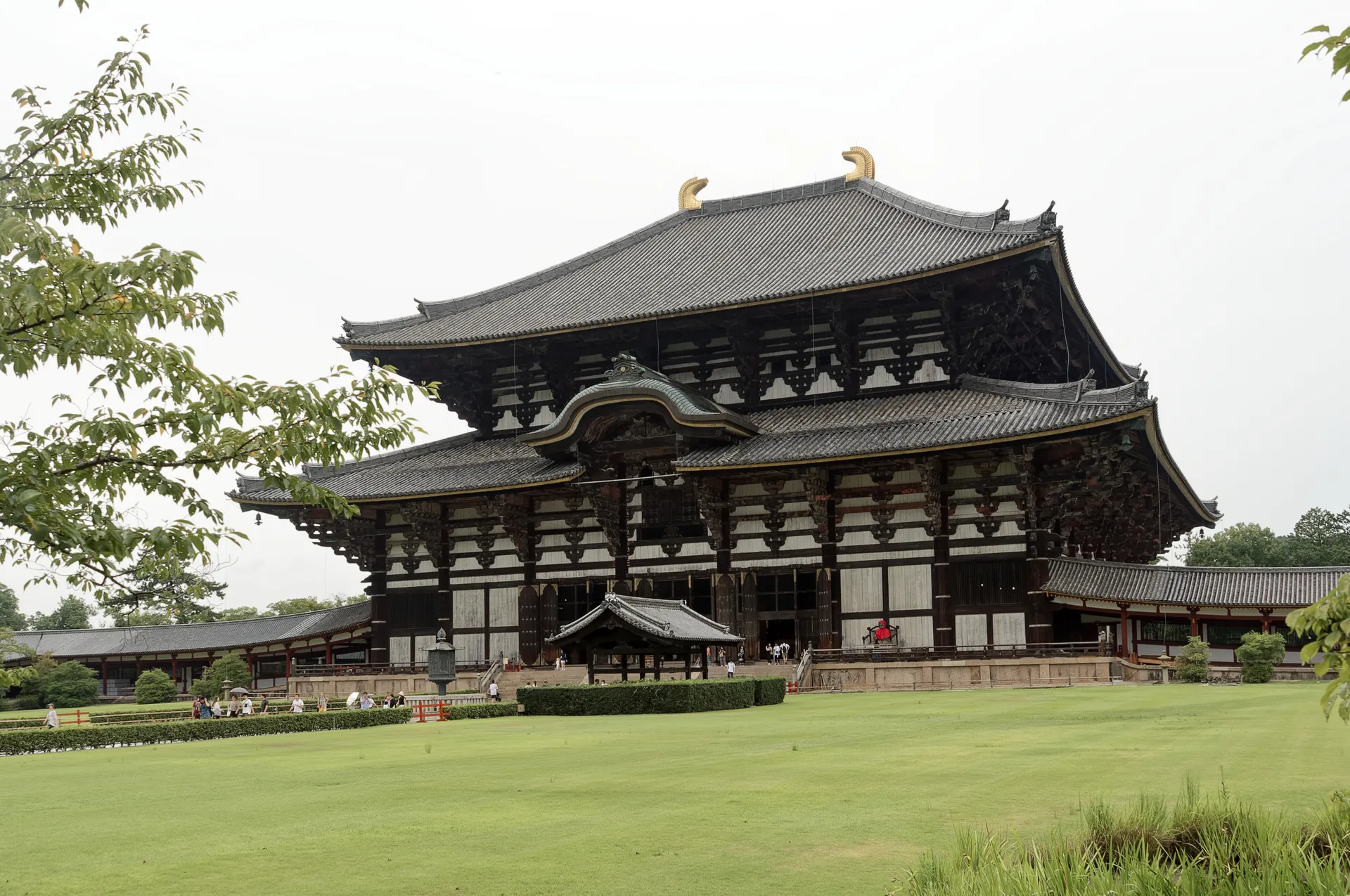
Nara is compact and wonderfully walkable, with most of its famous temples, shrines and the deer-filled Nara Park within a gentle stroll of the two central stations. Kintetsu Nara station sits closest to the historic core, while JR Nara is a short walk south and useful for regional lines. Local buses loop past the main sights for visitors who prefer to ride, and bicycles are popular for exploring flatter neighbourhoods. You rarely need a car here. For wider trips, frequent trains connect Nara to Osaka and Kyoto in roughly forty-five minutes each, making the city a calm home base for exploring the whole Kansai region without the crowds. The deer need a warning the photographs do not carry. Well over a thousand of them roam the park and the streets around it; they are wild animals protected as a national natural monument rather than a managed herd, and the prefecture logs between a hundred and fifty and two hundred injuries a year from bites, butting and people being knocked down, around four in five of them foreign visitors and almost all while feeding. Buy the official crackers, hand them over rather than holding them up for a photograph, and give the stags room in autumn. They also have right of way on the roads.
Sorting transport? Book an airport transfer, or compare car rental on Auto Europe and QEEQ.
Visas for Nara
Japan grants visa-free short stays to many nationalities, typically up to ninety days for tourism, which suits nomads wanting to test the waters before committing. In 2024 Japan also launched a digital nomad visa allowing eligible remote workers from certain countries to stay for about six months, subject to income and health-insurance requirements. This scheme is not renewable in the same way as some longer visas, so plan your dates carefully. Nara itself has no separate residency rules; you enter through Japan's national system and simply choose the city as your base. The digital nomad visa is real but narrow, and the numbers decide whether it is relevant. It runs six months, it cannot be renewed, and reapplying means waiting six months outside the country, so it suits one long stay rather than a base. The income test is a flat ten million yen a year, about $63,080, which is not pegged to a Japanese wage and so does not drift. Private medical cover to the same figure is required alongside it. Eligibility is limited to roughly fifty countries that both hold a tax treaty with Japan and already have visa-free entry.
Best Time to Visit Nara
Nara has a humid subtropical climate with four distinct seasons, and spring and autumn are the clear highlights. Late March into April brings cherry blossom across Nara Park, while November delivers vivid autumn foliage around the temples and gardens, both drawing more visitors. Summers run hot and humid, with July and August often sticky and prone to rain, so indoor work and early-morning sightseeing help. Winters are cool rather than harsh, with crisp, clear days ideal for quiet temple visits and fewer crowds. If you want the gentlest weather and the most photogenic scenery, aim for April or November, but book accommodation early as these are the busiest windows. Omizutori is older than almost anything else you could put in a diary. The water-drawing rite at Todaiji's Nigatsudo hall runs through the first fortnight of March and has been performed every year without a break for more than twelve centuries, with burning cedar torches carried along the balcony after dark. In January the dead grass on Wakakusayama is set alight in a single evening and the whole hillside burns above the city. Both are free, both are crowded, and both are better reasons to be here in an unfashionable month than the blossom is in April.
Pros and Cons of Nara
Nara suits nomads who value calm, safety and culture over nightlife and buzz. It is spotlessly clean, extremely safe and steeped in history, with world-class temples and free-roaming deer on your doorstep, plus fast internet and quick trains to Osaka and Kyoto. The trade-offs are a quiet social scene, a small international community and limited English, which can make settling in slower for newcomers. Evenings wind down early, so those craving lively bars or a large expat network may find it sleepy. For the right person, though, Nara offers a serene, affordable and deeply rewarding base in the heart of the Kansai region. Inside Japan this place is quietly famous for something awkward: nobody stays the night. It takes enormous visitor numbers and records among the lowest overnight stay rates of any prefecture, because the two bigger cities are each under an hour away and the standard itinerary is a half day. For a resident the effect cuts both ways. The daytime crowds in the park are severe, and by seven in the evening the place is genuinely empty, restaurants included. If you want somewhere that hands its streets back each evening, that is the offer; if you want a city that does something after dark, this is not a small flaw but the defining one.
- Pros: very safe and spotless; rich history and temples; fast internet; affordable rents; quick trains to Osaka and Kyoto
- Cons: quiet nightlife; small nomad community; limited English; busy and crowded in peak seasons
Who Nara Is For
Nara is best for focused, independent remote workers who want a peaceful, beautiful base rather than a party scene or a large ready-made social circle. History lovers, culture seekers and anyone who enjoys slow mornings among temples, gardens and gentle deer will feel at home. It rewards those comfortable with a little language friction, since English is limited, and who appreciate cleanliness, order and genuine safety. Couples and solo travellers looking for calm, plus digital nomads who want cheaper rent while staying close to Osaka and Kyoto, will find it ideal. It is less suited to those needing nightlife, a big expat community or constant high-energy buzz. Take a year rather than a season if you can, because the thing this city does best is repetition: the same walk through the park in four different seasons is most of the argument for living here. Live west or south of the centre rather than beside the park, where the rent reflects the view and the deer are a nightly presence rather than a charming one. Keep a rail pass and use the bigger cities deliberately, one evening a week, rather than drifting into resenting the quiet. And if you need a social circle handed to you, take the metropolis instead and visit on Sundays.