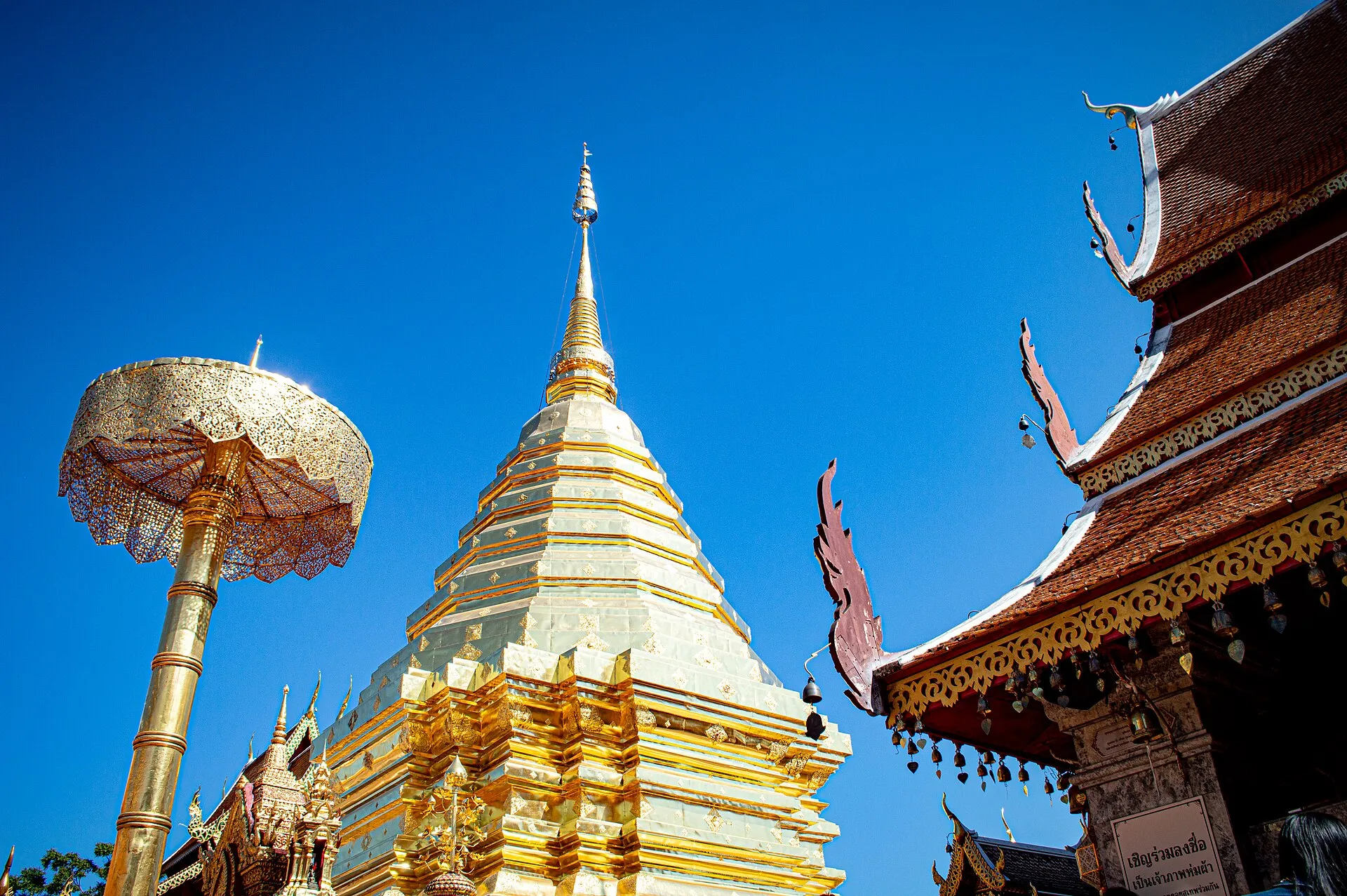
 Chiang Mai
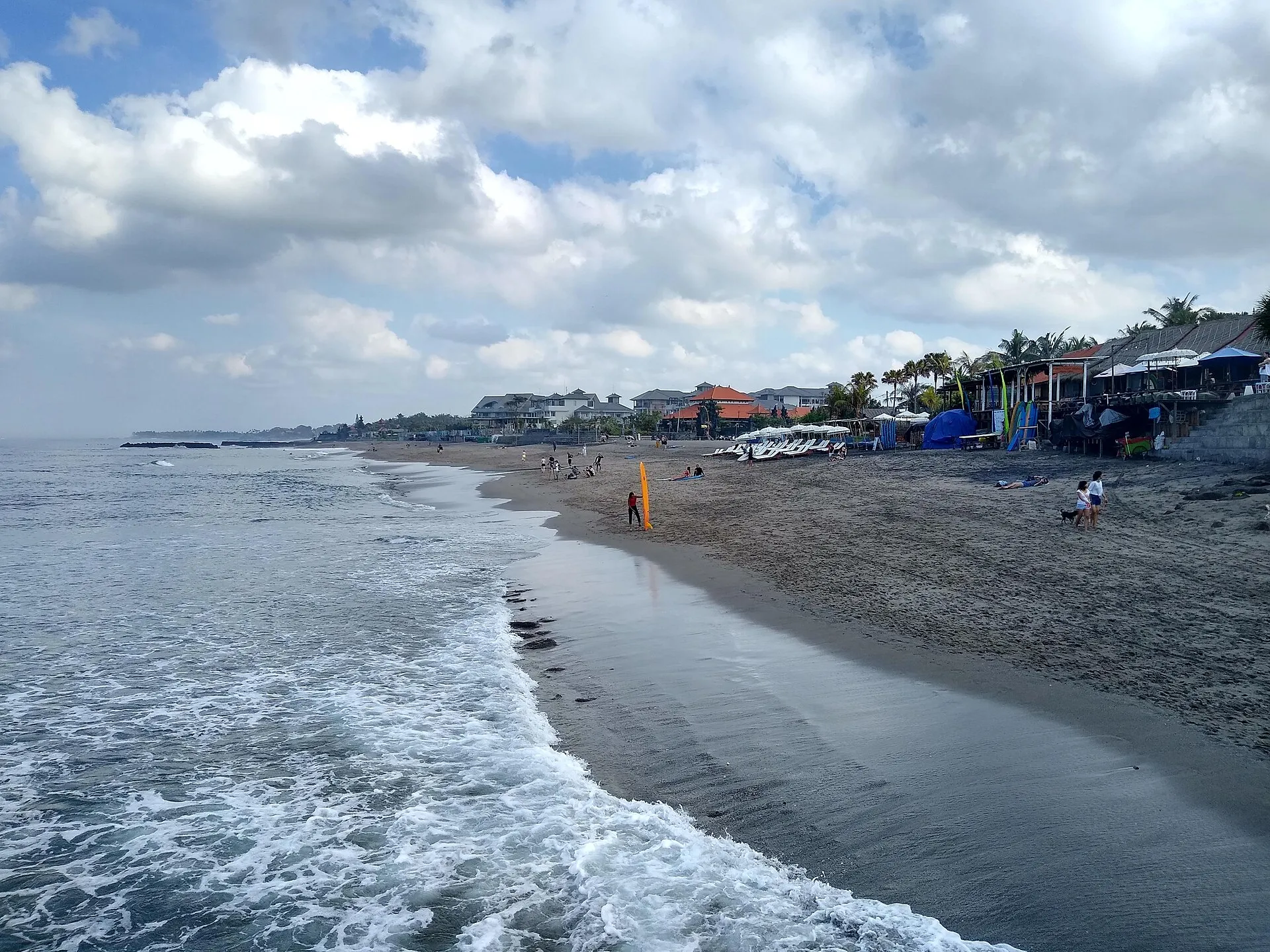
 Canggu
Any place looks like a community in its high season. To find out what you would be moving to, ask who is still there on a wet Tuesday when the visitors have gone.
In Chiang Mai the answer is easy, and it has very little to do with you. The urban area holds about 1.2 million people. Chiang Mai University alone has more than 38,000 students, with its main campus between the city and Doi Suthep. The city's Northern Thai speakers, its 117 temples in the central district, and the teaching hospital at Suan Dok were all doing their work long before coworking arrived, and they carry on when the foreigners fly out. More Chinese residents have settled here since 2022, and Japanese long-stayers come for healthcare. You are one small part of a real regional capital, founded in 1296, and in the green, rainy months from May to October, when the air is clean and the crowds thin out, it is perhaps at its most likeable. The empty stretch is February to April, and it is empty for a bad reason: smoke, which we cover in Chiang Mai vs Bangkok.
Canggu between November and March
The registered population of Canggu was just 5,375 in 2016, on about five square kilometres, and by 2023 the area counted 324 registered hotels and lodgings. So the off-season answer is different: a good share of what you see in July is not there in February, and the place was not built for the people left over.
The wet season runs from about November to March, heaviest in December and January. Showers are often short. But the surf that brought you is at its least predictable, the narrow lanes around Jalan Raya Canggu drain poorly, and rain brings the rubbish with it. Trash tides reach Bali's southwest beaches from late November or December until around April, hitting Kuta and Jimbaran worst and Canggu only now and then, but one rainy night in 2025 left Pererenan, next door, so buried that a cleanup crew hauled off about 444 kilograms in a day.
Some long-stayers do sit out the rain, and they are easy to meet. Our concern is what kind of place lies underneath them. The village's own residents mostly run small, low-margin businesses while outsiders own the profitable ones, and some say it is no longer a good place to raise a family, because of noise, drunk tourists and insecurity.
The Balinese calendar
And yet the most interesting days in Canggu come in the quiet months, and they belong to the people who were there first. Around Galungan, on 13 January 2027, tall bamboo penjor bend over the roads with offerings hanging from their tips. On the evening before Nyepi, which falls on 9 March 2027, villages parade monstrous ogoh-ogoh effigies and usually burn them. Then the entire island shuts for 24 hours: the airport closes, nobody may go on the beach or street, and patrols enforce it. A Swiss tourist was jailed for a year in 2026 for leaving his hotel and mocking the holiday. Stock your fridge and clear your calendar. A day of total silence, in a place this loud, may be the thing you remember most.
Money and permission
We estimate about $1,600 a month for Chiang Mai and about $2,200 for Canggu. The rules for staying differ more than that. Thailand's DTV, on our visa page, wants savings of about $14,950 and proof of your remote work, and allows 180 days per entry over five years, although since 31 August 2026 you must apply in a country where you are a citizen or permanent resident. Indonesia's E33G remote worker visa wants $60,000 a year in income, and lasts one year. Someone with modest earnings and a bit of money saved can do Chiang Mai, while Canggu on that visa is for higher earners.
We lean towards Chiang Mai for anyone staying beyond a season, since it is a city that would keep going without you, and you can leave while the smoke lasts. But make your own test of this. Book your first trip to Canggu for January, when you can see the place on an ordinary rainy day. July sells itself, and it will tell you nothing.
 United States
 United Kingdom
 Germany
 Canada
 Australia
 India