Cost of Living in Mawlamyine
Where this figure comes from. No cost survey covers Mawlamyine, so the $550 a month above is our own estimate rather than a measurement. On 416 of our 999 city guides the figure is built from a published Numbeo basket, a one-bedroom rent in the centre plus one person's monthly costs without rent, converted to USD; this city is not one of them. How we source everything.
Budget around $550 a month, which is very low even by Myanmar's standards. A one-bedroom runs roughly $120 to $300. Market produce is cheap and Mon State grows a great deal of its own food, so fruit, fish and vegetables cost very little. Restaurant meals are inexpensive and Mon cooking is one of the best regional cuisines in the country. Imported goods are expensive and sometimes simply unavailable. Utilities are cheap but the supply is the problem rather than the price. The kyat has been extremely volatile since 2021 and the gap between official and market rates is wide. The banking position matters more than the prices do. International cards are largely unusable, transfers into the country are difficult under sanctions and restrictions, and most foreigners operate entirely on cash brought in and changed locally, which is a security question as much as a logistical one. Notes are inspected closely and anything marked or folded can be refused outright. Generator fuel is the household cost that has risen most, since the cheap electricity in the tariff is not the electricity that is actually available.
Where to Work in Mawlamyine
Connectivity is poor and the reason is political rather than technical. Myanmar's military authorities have imposed sustained internet restrictions since 2021, including shutdowns, VPN blocking and throttling, and Mon State has been affected along with the rest of the country. Fibre exists in Mawlamyine and mobile data works, but neither can be relied on and the interruptions are deliberate rather than accidental. Power cuts are frequent and prolonged, with generators standard in any business. There is no coworking. The time zone is six and a half hours ahead of GMT. Anyone considering remote work here should treat the connection as unavailable rather than unreliable and plan accordingly. There is a further dimension that no bandwidth figure captures. A cybersecurity law passed in 2025 criminalises unauthorised use of a VPN, which shifts the question from whether a connection works to whether the means of restoring it carries legal risk, and that risk falls hardest on residents rather than on visitors. For anyone weighing this town as a place to work from, the honest position is that the constraint is not infrastructure that might improve but policy that may not.
Getting Around Mawlamyine
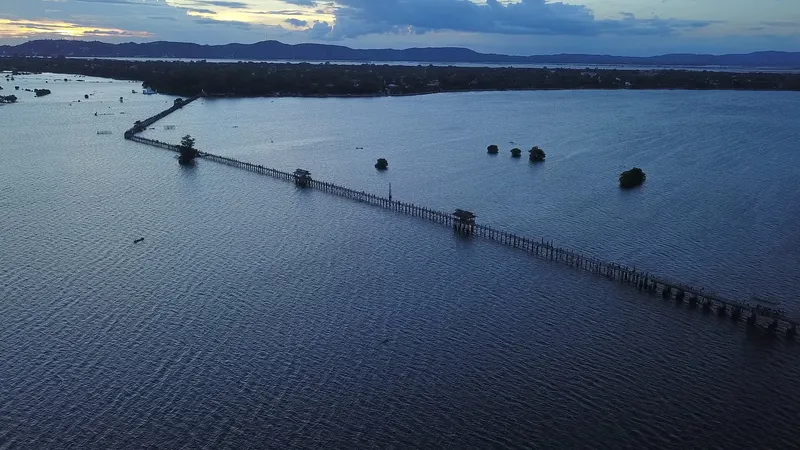
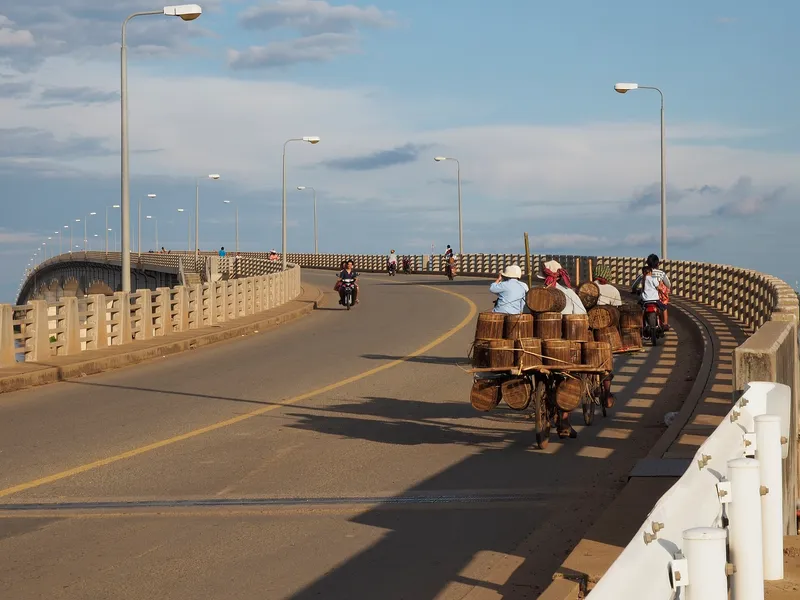
Mawlamyine is walkable along the riverfront and up to the pagoda ridge, and trishaws and motorbike taxis cover the rest very cheaply. The town sits on the east bank of the Thanlwin at one of the widest river mouths in Myanmar, with Bilu Kyun, the large island opposite, reached by ferry and worth a day for its craft villages. Buses run north to Yangon in six or seven hours and south towards Dawei and the Thai border at Myawaddy. The railway line north crosses the Thanlwin bridge, one of the longest in the country. The airport has limited domestic service and schedules change without much notice. Overland travel is what has changed most since 2021. Roads in the southeast pass through areas affected by the conflict, checkpoints are common, and routes that were routine for years now close and reopen without notice, so any journey needs local confirmation on the day rather than a timetable. The trains are very slow even by regional standards and the ride is rough, which is part of their charm in ordinary times and a poor bet when nothing about a schedule can be relied on.
Sorting transport? Book an airport transfer, or compare car rental on Auto Europe and QEEQ.
Visas for Mawlamyine
Myanmar requires a visa of almost every nationality, obtained through the e-visa system in advance, with twenty eight days the standard tourist grant and extensions difficult. There is no remote work visa. The more important point is not procedural: most Western governments advise against all or all but essential travel to Myanmar following the 2021 coup and the conflict since, and insurance is likely to be void against that advice. Conscription was introduced in 2024. Entry and internal travel restrictions change frequently and some regions are closed entirely. Read current government advice before making any plan involving this country. Most consulates have sharply reduced their presence, so the assistance a traveller would normally expect in an emergency may not exist in practice. And a policy voided by government advice does not merely decline to cover a cancelled flight; it declines to cover medical evacuation, which in this part of the country would be the expensive part. Dual nationals of Myanmar carry additional exposure, including under the conscription law, and should take specific advice.
Best Time to Visit Mawlamyine
November to February is the cool dry season and the only comfortable window, at around thirty degrees with low humidity. March to May is very hot and reaches the high thirties. The southwest monsoon from June to October is exceptional here: Mon State is among the wettest parts of Myanmar and Mawlamyine receives close to five metres of rain in a normal year, which makes half the year genuinely difficult to move around in. The Thanlwin runs high and brown through the monsoon. Thadingyut, the festival of lights in October, is the year's biggest celebration and marks the end of Buddhist Lent. The monsoon compounds everything else here rather than simply being wet. Power failures increase, roads flood, and the river crossings that make ordinary movement possible become unreliable, so the season that is merely inconvenient elsewhere is the one that most restricts what is possible. April is the hottest month and holds Thingyan, the water festival marking the new year, though its scale has been much reduced since 2021 in a country where public celebration has itself become a political question.
Pros and Cons of Mawlamyine
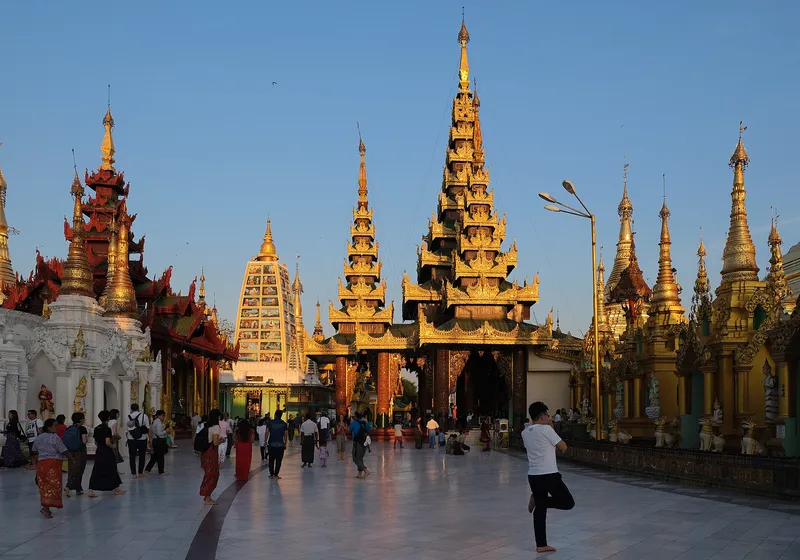
Mawlamyine is a beautiful and almost unvisited colonial river town, with the Kyaikthanlan Pagoda on the ridge that Kipling wrote about, Mon culture that is distinct from the Burmese majority, the enormous reclining Buddha at Win Sein Taw Ya nearby, and prices that are among the lowest anywhere in Asia. The obstacle is the country, not the town: the 2021 coup, the conflict since, the deliberate internet restrictions, the currency instability and the travel advice against going at all. Medical care is limited. This is a place to understand and to watch rather than one to plan a stay in at present. The remaining problem is ethical rather than practical. Tourist spending in Myanmar is difficult to direct: hotels, transport and permits often route money to entities connected with the military, and organisations working on the country have argued both that visitors sustain ordinary livelihoods and that the revenue helps sustain the administration. There is no clean answer to that, and anyone who does travel should at least know which side of the argument they are choosing rather than discover it afterwards.
Who Mawlamyine Is For
A working reason to be in Myanmar, in humanitarian work, journalism or academic research on Mon State, or a long history in the country and informed decisions about risk. The colonial-era town is far more intact here than in Yangon, which has spent thirty years rebuilding over its own version of the same thing. Remote work cannot be planned around a connection the state interrupts at will. Beyond that, most governments advise against travel here, and anybody going anyway should understand exactly what that does to their insurance and to what a consulate would be able to do for them if it came to that. The recommendation this guide would actually make is to keep the place in mind rather than book it. Mawlamyine has been one of the most rewarding towns in Southeast Asia for the traveller who reached it, and it will be again, and nothing about that argues for going now. Anyone whose interest is Mon culture can find a great deal of it in the diaspora communities across the border in Thailand, which are reachable, safe and welcoming, and which is where a good many people from this region now live.
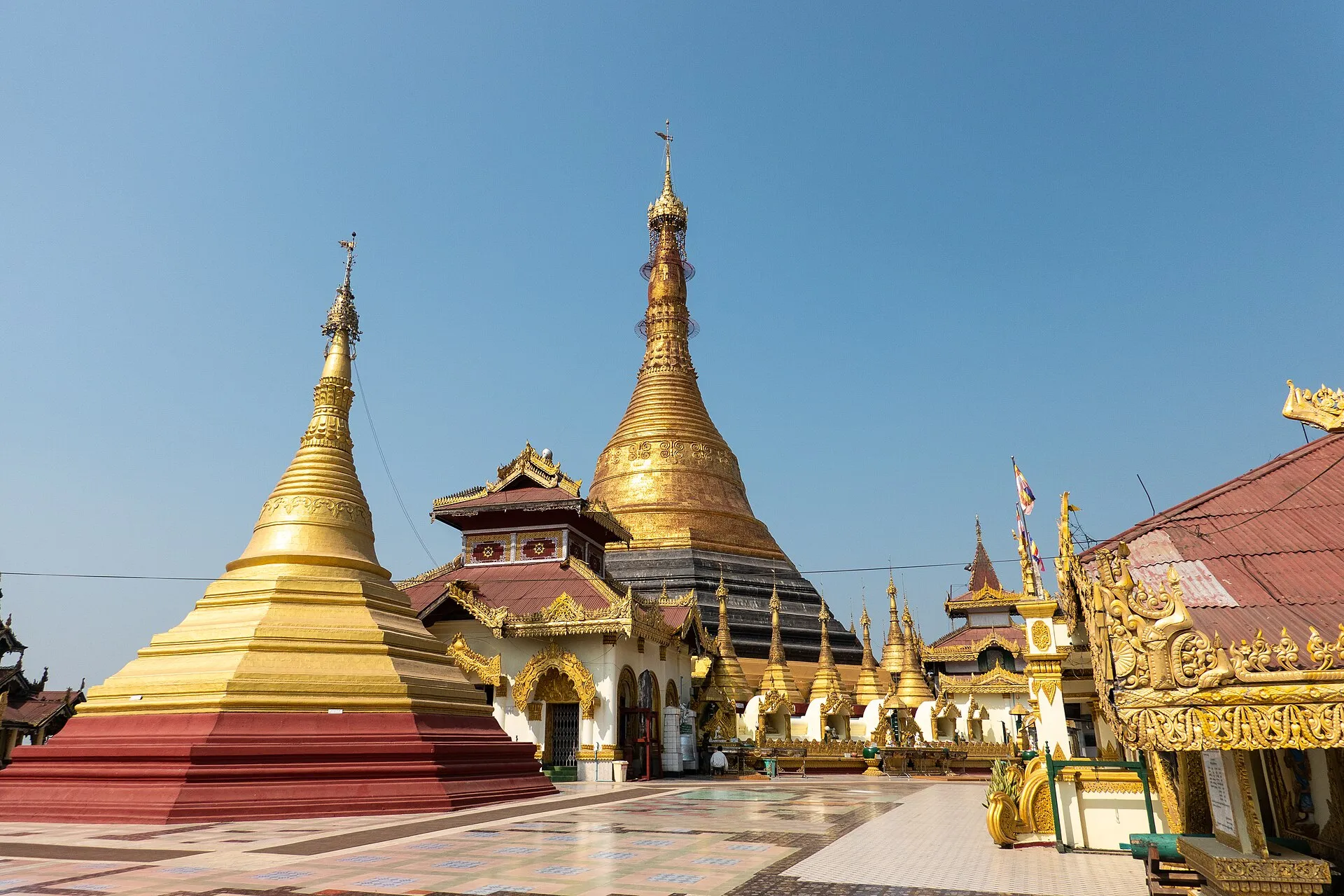 Photo: PsamatheM / Wikimedia Commons (CC BY-SA 4.0)