 Chiang Mai
 Bali
Nomad forums have been repeating the same story about these two for over a decade. Chiang Mai is the sleepy, cheap temple town where you go to get your head down, and you leave for a few weeks when the smoke comes. Bali is the beach: rice fields, surf, a sunset every evening. Almost every clause of that needs correcting, and the corrections change where you should go.
The beach
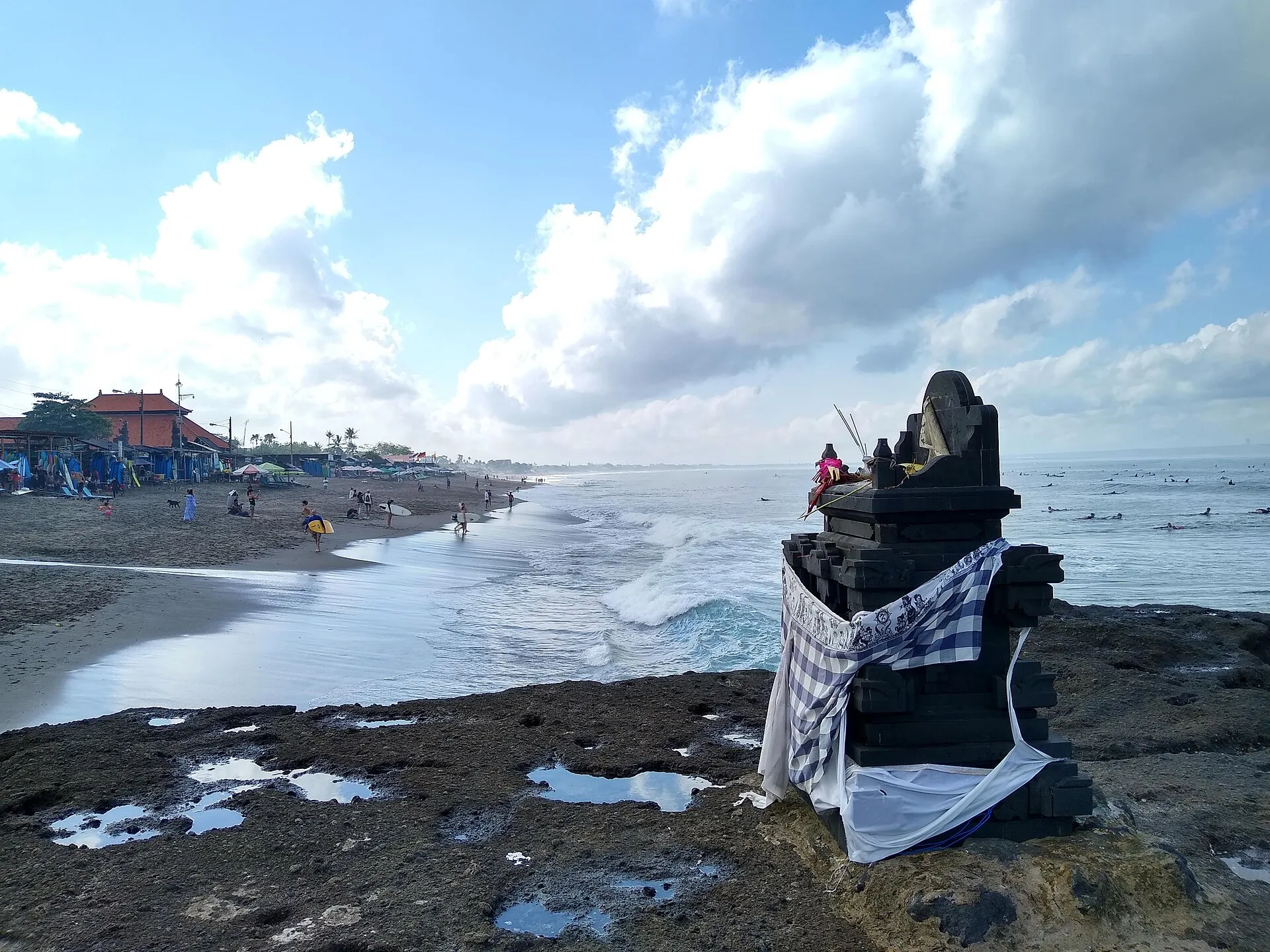
Bali for a remote worker nearly always means Canggu, which does have ten kilometres of coast and nine named beaches, Batu Bolong, Echo and Berawa among them. It is a fine place for a longboard. It is a poor place for a swim, though, and calm-water swimmers are better off across the island at Sanur. Batu Bolong was found contaminated with E. coli in 2022, and drainage and waste systems have not kept pace with building.
Then there is the rainy season, when monsoon currents and river floods push rubbish onto the west-facing beaches. It hits Kedonganan and Kuta hardest and Canggu less, but Canggu still gets it. In February this year a major cleanup began after criticism from President Prabowo himself, and in March fresh piles were washing up at Kedonganan regardless.
The rice fields
The fields you saw in the photographs have largely given way to villas, hotels, restaurants and bars. The subak irrigation system behind Bali's terraces is real and more than a thousand years old, and it is UNESCO-listed for good reason, but the famous terraces are inland, around Ubud. What you will get in Canggu is Jalan Raya Canggu, often at a standstill, and the Jalan Anggrek shortcut, a narrow lane that every scooter rider has also discovered. Plan your day around it. Coworking spaces and cafés here are very good, so you can work near your flat and leave the road alone.
The sleepy town
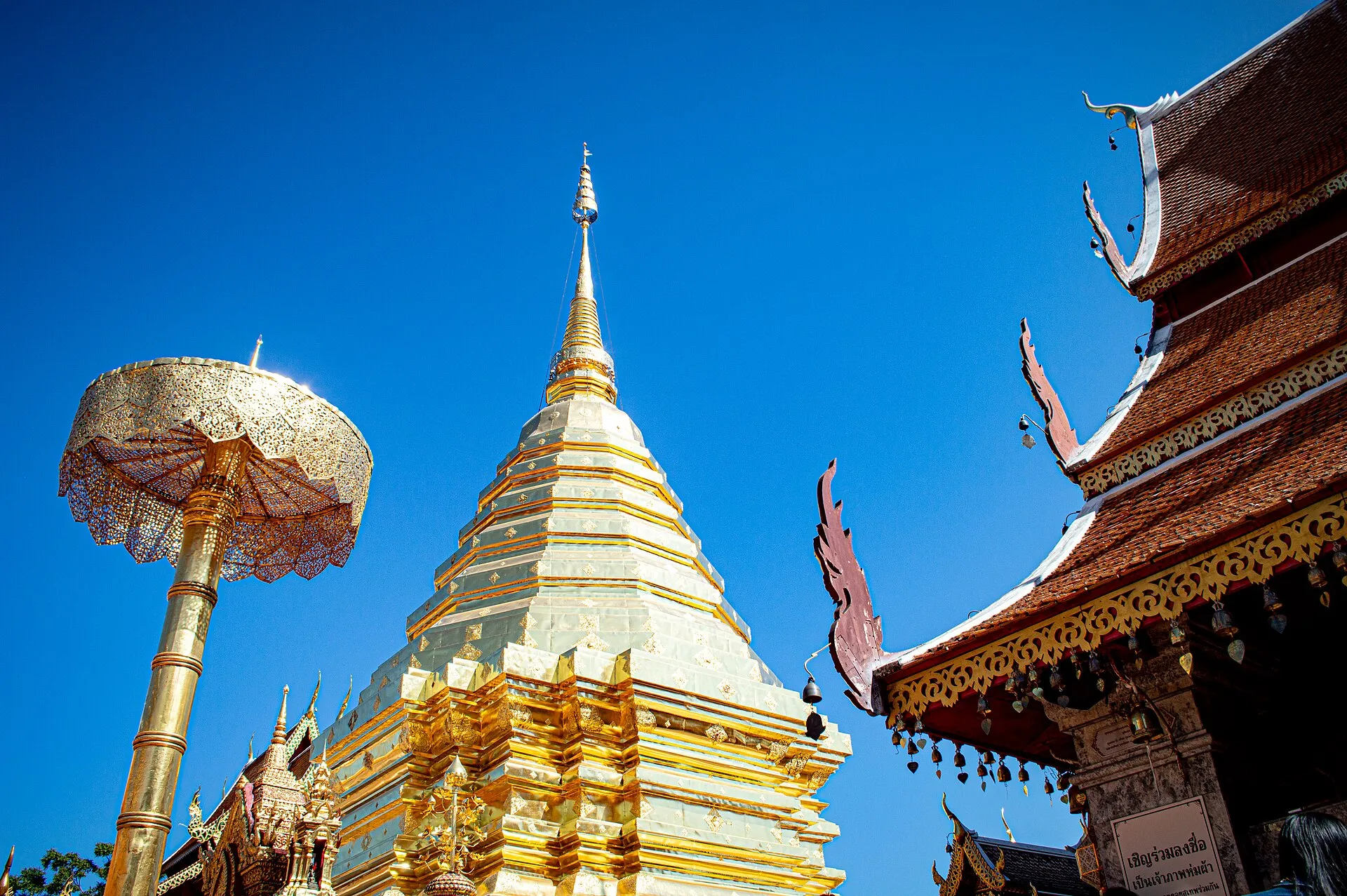
Chiang Mai is the one that gets undersold. The municipality is small at 127,000 people, which is where the sleepy idea comes from, but the urban area holds about 1.2 million, Thailand's second largest. There is a university hospital, around 50 flights a day from Bangkok, and an airport planning for 20 million passengers a year. You could work in Nimman, ride a red songthaew down to the old city's moat, where geese were released at the gates last year, and spend Sunday evening on Rachadamnoen Road once it closes to traffic for the Walking Street market. Doi Suthep rises straight behind all this, and the road to its temple is a morning trip.
The smoke
This myth is the dangerous one, because "a few weeks" is too kind. Air quality is often poor from December to April, with March generally counted the worst month to be there. PM2.5 reached 183 µg/m³ in 2018, against a WHO guideline of 25. Do not plan to tough it out with a mask, and do not book a year's lease without accounting for those months. We would treat Chiang Mai as a city to leave by February.
Bali's bad season is easier on the lungs and harder on everything else. Canggu's January brings about 396 millimetres of rain, far more than Chiang Mai sees in its wettest month, August, at 234.
Price and paperwork
On price, the story holds up: we put a month at about $1,600 in Chiang Mai and about $2,000 in Bali.
Paperwork favours Thailand too. The Destination Thailand Visa asks for about $14,950 in the bank and runs five years at 180 days per entry, and since 31 August 2026 you apply in a country where you hold citizenship or permanent residence. Indonesia's visa on arrival costs about $30 and gives you 30 days, extendable once for another 30, so a long stay in Bali means sorting out something more substantial early. Our visa page compares the options.
Bali also has one day that no other island offers. On Nyepi, the Balinese day of silence, everyone stays indoors for 24 hours, the only airport closes, and tourists are confined to their hotels. A Swiss visitor was jailed for a year this year for leaving his and mocking it online. Observe it and you get a very dark, very quiet night, and no working day at all.
The month the story leaves out
We would pick Chiang Mai for work, from November to January, and Canggu from May to September, when it is drier. That leaves a hole the story never mentions: in March, Chiang Mai is at its smokiest while Bali is still wet and clearing its beaches. Before you sign anything in either place, decide where you will be in March.
 United States
 United Kingdom
 Germany
 Canada
 Australia
 India