 Budapest
 Belgrade
Follow the river south
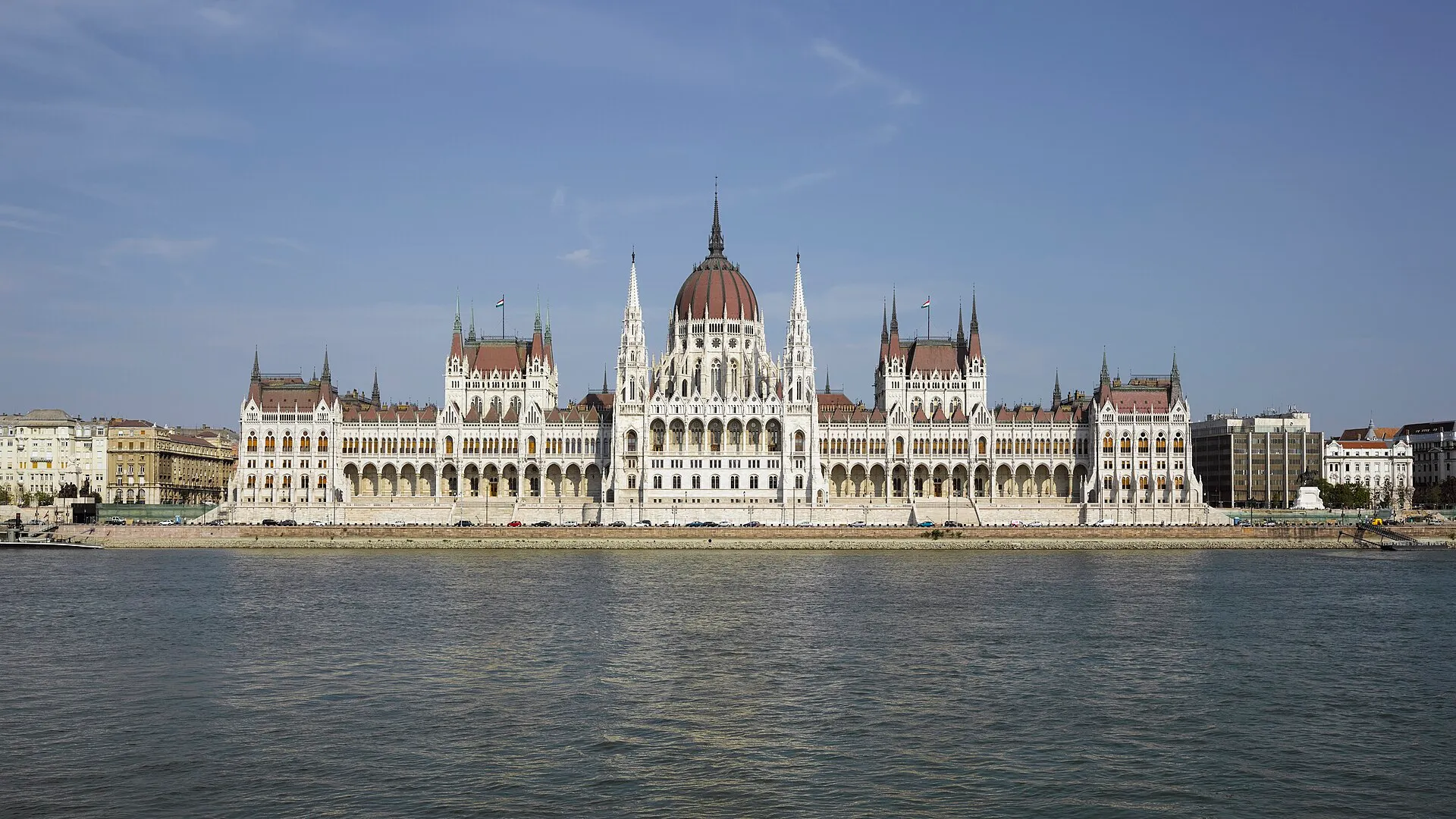
The Danube passes through both of these cities, and it does a very different job in each. In Budapest, it is the main view: the neo-Gothic Parliament on one bank, the castle on the other, trams running along the embankment, and everything arranged as if for a photograph. It is one of the most self-consciously beautiful cities in Europe, and it was built that way, by an empire that wanted to impress Vienna.
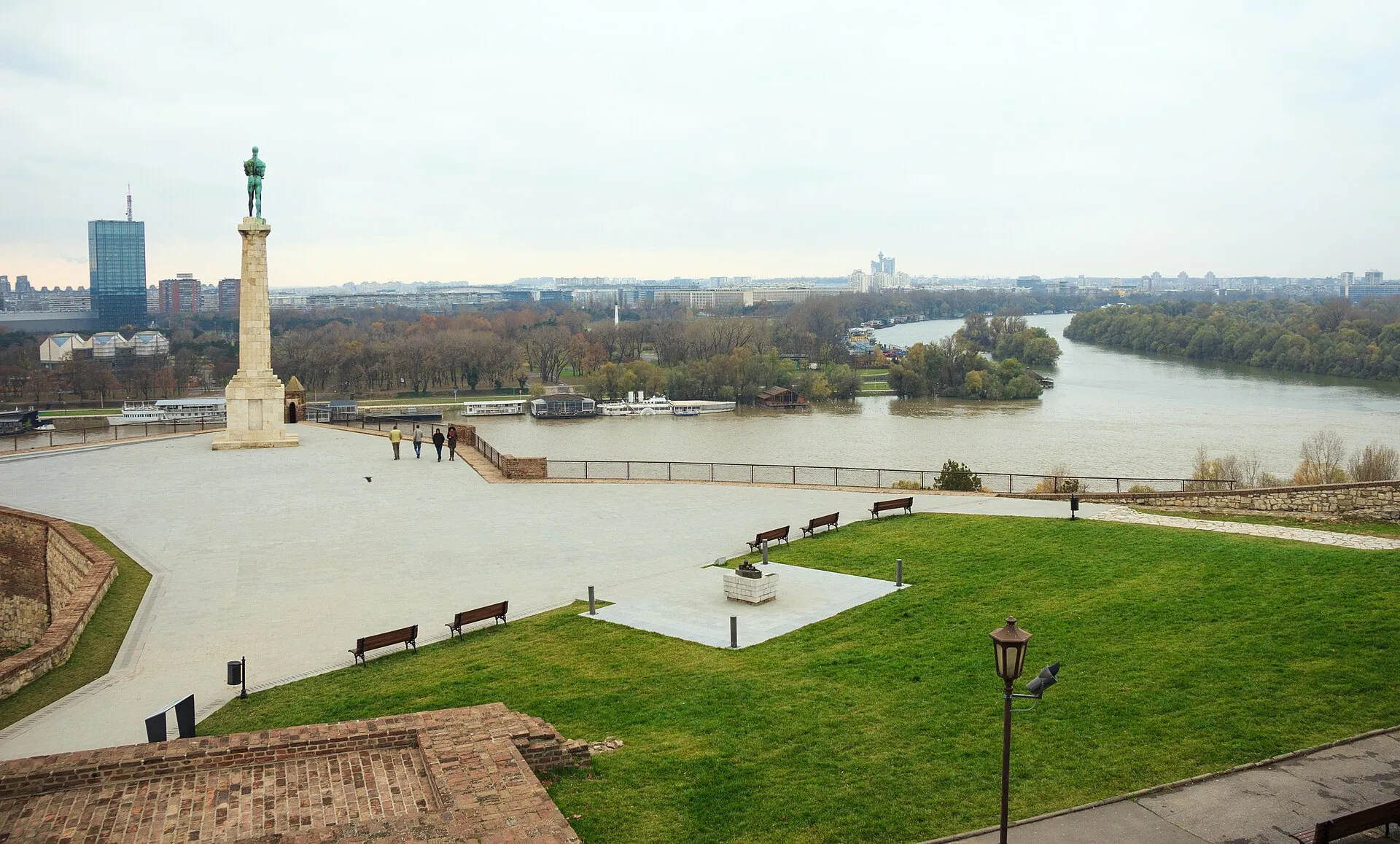
A few hundred kilometres downstream, at Belgrade, nobody has arranged anything. The Sava joins the Danube below the walls of Kalemegdan, a fortress fought over so many times that the city has been razed again and again, and the architecture shows it, with Ottoman, Yugoslav and glass-tower Belgrade Waterfront jumbled together. The river here is for using. Moored along the banks are the splavovi, floating clubs and restaurants that stay loud until morning in summer.
That is most of the comparison, really. One city looks better and the other is more fun to be surprised by.
A night out says a lot
Budapest has turned its decay into a famous product. The ruin bars of the old Jewish Quarter began in abandoned buildings, and Szimpla Kert still has that junk-shop charm, along with stag parties and a Sunday farmers' market. It is great, and you will share it with a lot of people carrying wheeled suitcases. In Belgrade you are likelier to be out with Serbs, in a kafana with a live band, or at a river club at 3 a.m. on a weekday. Be warned that smoking indoors is still common.
The border matters more than the bars
Hungary is in the EU and the Schengen area. Serbia is in neither, and that is a large part of why so many people come. Non-EU visitors who have used up their 90 Schengen days can sit out the wait in Belgrade, then return. The city took in a big wave of arrivals from Russia after 2022, which brought new cafés and coworking spaces along with much higher rents around Vračar and Dorćol.
By our estimate you will pay around $2,200 a month in Budapest and around $1,700 in Belgrade. That $500 pays for real things: reliable public transport, thermal baths such as Széchenyi and Gellért, cheap flights across Europe, and the protections of EU membership. Belgrade's daily life is rougher, with heavy traffic and poor winter air, and Serbia is in the middle of a political turn: the student movement that took to the streets in late 2024 won the parliamentary election of October 2026.
Neither language will come quickly, though Hungarian is in a class of its own. Serbian, at least, has relatives you may already know.
A first-timer in this part of Europe should start in Budapest, spend a season soaking in the baths, then take a trip down to Belgrade. Some will come back. Others will stay, and tell you with some pride that they never really liked Budapest in the first place.
 United States
 United Kingdom
 Germany
 Canada
 Australia
 India