Cost of Living in Zilina
Real market data
Source: Numbeo · June 2026
$1,230/moSolo nomad1-bed centre + living costs
$1,730/moCoupleshared 1-bed + costs
$1,130/moLean / localcheaper area + costs
- 1-bed rent, city centre$600€520
- 1-bed rent, outside centre$500€437
- Monthly costs excl. rent (1 person)$630€546
- Meal, inexpensive restaurant$10€9
- Monthly transit pass$23€20
- Buy price, per m² (centre)$3,450€3,000
Prices are from Numbeo (June 2026), converted to USD at $1 = €0.87 (01 Aug 2026). The monthly living-costs figure is our transparent one-person basket, groceries, a few meals out, utilities, phone, internet, transport and essentials, priced from those figures. Solo adds central rent; couple and lean are estimates from the same numbers.
Budget around $1,230 a month. A one-bedroom runs roughly $320 to $550, below Bratislava and comparable with the other Slovak regional cities. Market produce is cheap and Slovak food is hearty and inexpensive, with bryndzove halusky, the sheep cheese dumplings, as the national dish. Eating out is very reasonable. Utilities are moderate and heating runs through a cold mountain winter. Slovakia uses the euro, which makes it more expensive than Poland or Hungary next door for the same quality of life. Anyone comparing with Poland across the border should note that Slovakia's euro pricing makes it noticeably more expensive than Zakopane or Krakow for the same standard. Rajecke Teplice, fifteen kilometres south, is a working spa town rather than a resort, and the Slovak health system still sends patients there on prescription, which is why a day at the thermal baths costs a fraction of the Austrian or Hungarian equivalent. That pattern repeats across the country: spa treatment, dentistry and physiotherapy are priced for a domestic market rather than a medical tourism one, and the quality is why Austrians drive over the border for it.
Where to Work in Zilina
Connectivity is good. Slovakia has extensive fibre in the cities at reasonable prices, comprehensive mobile coverage and reliable power. There is a coworking presence helped by the University of Zilina, which has a strong transport and logistics faculty, and by an automotive sector: the Kia plant outside the city is one of Slovakia's largest employers and the country produces more cars per head than anywhere in the world. The time zone is central European. The Kia plant at Teplicka is the company's only factory in Europe, which is why the supplier network around the city is denser than its size suggests and why so much local engineering work sits inside Korean-owned firms. The university here began as a railway college and moved to Zilina in the 1960s, which is why its transport and logistics faculty is the strongest in the country and why the city sits at the centre of Slovak freight thinking as much as Slovak car making. For a foreigner the useful consequence is that technical English here runs ahead of general English: engineers and researchers will hold a conversation that a shopkeeper will not.
Getting Around Zilina
Zilina is compact and walkable around Marianske namestie, the arcaded square at its centre, with buses and trolleybuses covering the rest. The railway station is a major junction on the line between Bratislava and Kosice, with Bratislava about two and a half hours away and Krakow around four. Zilina airport is minimal, so Krakow, Vienna and Bratislava are the practical connections. The Mala Fatra national park begins about fifteen kilometres east and is where the walking is. Anyone heading into the Mala Fatra should use the buses to Terchova, which run frequently in season and drop walkers at the start of the Janosikove diery route. Cicmany, forty kilometres south, is the village whose houses are painted with white geometric patterns over dark timber, a decoration that began as protection for the wood and became a national motif, worn now on the Slovak football shirt. Vlkolinec, an hour east, is a UNESCO-listed wooden village of the same tradition without the paint. Both are reachable by bus with patience or by car in under an hour, and both are the argument for having a car here rather than relying on the trains.
Sorting transport? Book an airport transfer, or compare car rental on Auto Europe and QEEQ.
Visas for Zilina
Slovakia is in the European Union and the Schengen area, so European Union and EEA citizens may live and work here without a permit, registering residence with the foreign police. Everyone else needs a Schengen visa for short stays or a temporary residence permit for longer ones, with employment, business and self-employment among the grounds. There is no digital nomad visa. Slovak administration is slower and more paper-based than the Czech equivalent, and having documents officially translated is generally required. Anyone dealing with Slovak administration should expect to need officially translated and sometimes apostilled documents, which takes longer than most people budget for. The self-employment route is the one most foreigners here take, and Slovakia calls it zivnost. It grants a temporary residence permit on the basis of a trade licence, requires a business plan and proof of funds held in a Slovak account, and takes months rather than weeks. The apostille requirement bites hardest at this stage, because a degree certificate or a criminal record check from home needs legalising in the issuing country before a Slovak office will look at it, and that is a process to begin before leaving rather than after arriving. The borders with Poland and Czechia, each within an hour, are internal, so a Beskydy weekend on either side still spends Schengen days.
Best Time to Visit Zilina
May to September is the comfortable window, with July around twenty three degrees and the Mala Fatra at its best. The Janosikove diery gorge, with its ladders and chains through a series of waterfalls, is the region's signature walk and is at its best in late spring when the water is high. Winter from December to March is cold and snowy, with skiing at Vratna in the Mala Fatra twenty minutes away and the Low Tatras within ninety. Autumn colour in the beech forests is excellent. Snow reliability in the lower Mala Fatra is not what it was and the runs increasingly lean on snowmaking, so February is a safer bet than December for anyone coming specifically to ski. The Vah valley funnels weather along it, so the city often sits under low cloud while the ridges above the Mala Fatra are in sun, and a morning that looks unpromising from the square can be entirely different an hour up. Locals check the webcams at Vratna rather than the forecast for the town. The inversion runs the other way in winter, when the valley holds cold air and smog for days while the tops stay clear.
Pros and Cons of Zilina
Zilina is worth it for where it sits: Mala Fatra fifteen kilometres east, the Low Tatras and the High Tatras within two hours, and some of the best value mountain access anywhere in Europe. The arcaded square is genuinely handsome and the costs are low. Slovakia's castles, including Strecno directly above the road out of the city, are everywhere. It is a small city with not much on, an automotive economy that dominates the region, and very little English spoken outside the university. Slovakia claims more castles and manor houses per head than any other country, and this corner is where that stops being a statistic: Strecno, Budatin at the river confluence, Lietava and Hricov are all inside half an hour. Budatin holds the museum of the drotari, the tinkers of this region who walked across Europe repairing pots with wire and in some cases ended up founding factories abroad. It is a small museum about a large diaspora.
Who Zilina Is For
Hikers, climbers and skiers above all, since the Slovak mountains offer Alpine terrain at a fraction of Alpine prices and the Mala Fatra is on the doorstep. It suits engineers in the automotive sector, which is the region's economic base. Euro-zone residency at genuinely low cost is the administrative reason to be here. Eighty thousand people make a town rather than a city, the administration expects Slovak and does not bend, and no international community exists here for a newcomer to arrive into. Slovak folk culture is close by and genuinely alive. Terchova up the valley is the home of the Janosik legend and hosts one of the country's largest folk music festivals every summer, which fills the place for a week. Anyone set on learning a Slavic language will move faster here than in Prague or Bratislava, because English thins out beyond the university and the car plants and daily life runs in Slovak whether you are ready or not. It suits a climber specifically rather than a walker: the Mala Fatra has real limestone and the Tatras are two hours away with genuine alpine routes. Anybody wanting a city should take the train to Bratislava or Krakow, both of which are closer than the map makes them feel.
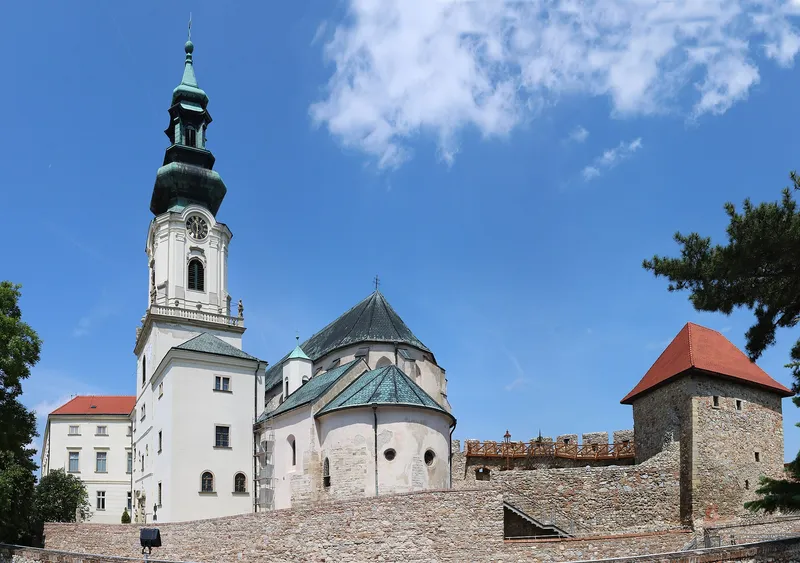
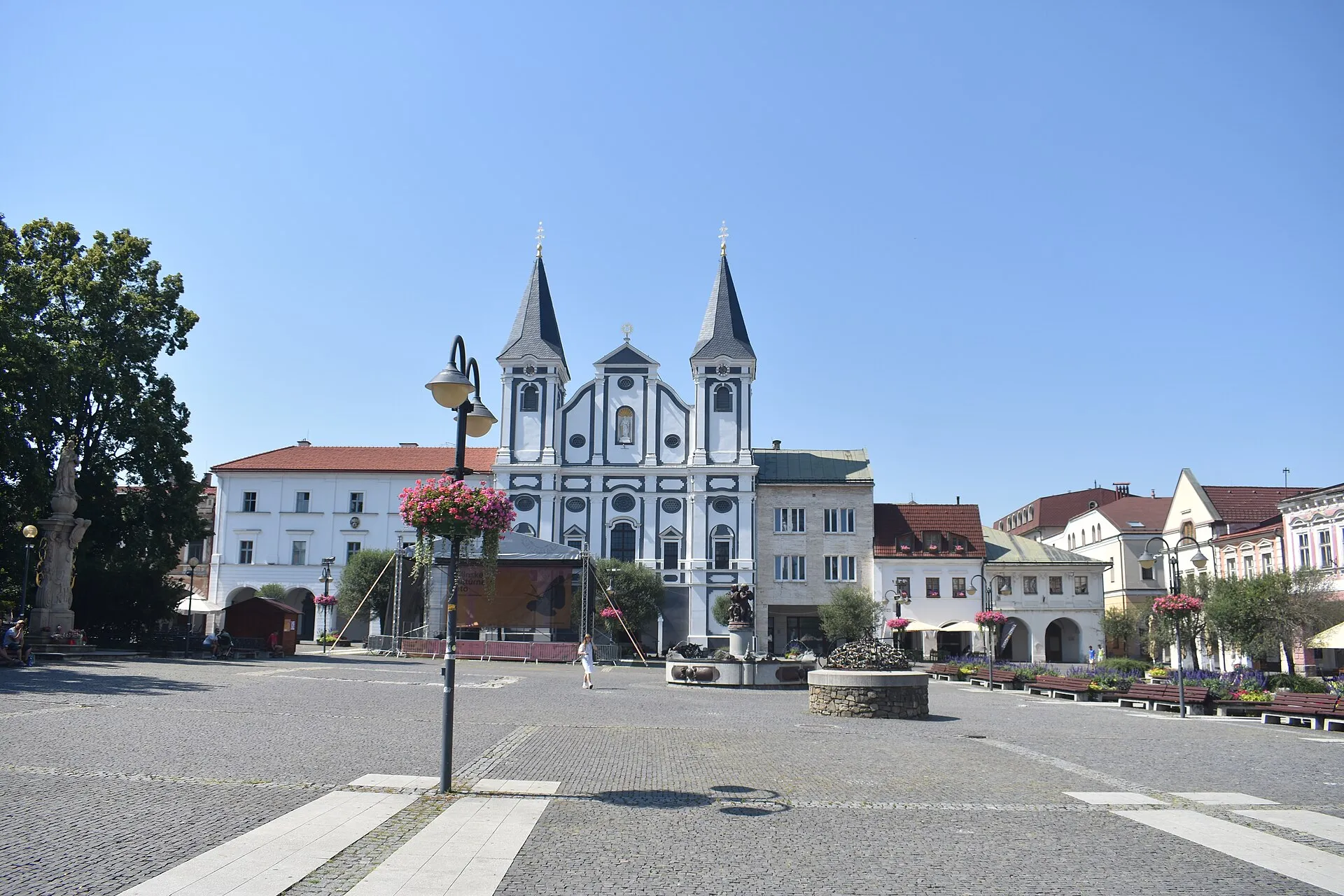 Photo: Oto Zapletal / Wikimedia Commons (CC BY 4.0)