Cost of Living in Miskolc
Real market data
Source: Numbeo · August 2026
$1,020/moSolo nomad1-bed centre + living costs
$1,500/moCoupleshared 1-bed + costs
$950/moLean / localcheaper area + costs
- 1-bed rent, city centre$430Ft135,000
- 1-bed rent, outside centre$350Ft110,600
- Monthly costs excl. rent (1 person)$600Ft188,432
- Meal, inexpensive restaurant$9Ft3,000
- Monthly transit pass$28Ft9,000
- Buy price, per m² (centre)$2,250Ft710,000
Prices are from Numbeo (August 2026), converted to USD at $1 = Ft315.83 (01 Aug 2026). The monthly living-costs figure is our transparent one-person basket, groceries, a few meals out, utilities, phone, internet, transport and essentials, priced from those figures. Solo adds central rent; couple and lean are estimates from the same numbers.
Budget around $1,020 a month, which makes Miskolc among the cheapest cities in the European Union. A one-bedroom runs roughly $220 to $400, a fraction of Budapest and among the lowest in Hungary. Market produce is very cheap and the Tokaj wine region is an hour east, which means good wine costs very little here. Eating out is inexpensive. Utilities are moderate and heating runs through a continental winter. Hungary uses the forint rather than the euro, and its weakness against the euro has made the country noticeably cheaper for foreign earners. Hungary levies a flat fifteen per cent personal income tax, the lowest headline rate in the European Union, which matters to anyone who becomes tax resident here rather than merely staying. Small businesses had access to a simplified regime called KATA that was drastically narrowed in 2022, so any advice written before then is out of date and worth ignoring. Rents are usually agreed for a year with two months' deposit, and the university intake tightens the market each September while the summer is the easier time to look.
Where to Work in Miskolc
Connectivity is good. Hungary has extensive fibre at reasonable prices, comprehensive mobile coverage and reliable power. There is a small coworking presence helped by the University of Miskolc, which has an engineering tradition going back to the region's mining and metallurgy. The time zone is central European. Hungarian administration is slow and heavily bureaucratic, and the language is genuinely difficult and unrelated to anything around it, which makes daily paperwork harder here than in most of the region. Anyone applying for the White Card should note that it requires proof of foreign income above the threshold and that Hungary checks the employment relationship carefully. Kosice sits about ninety minutes north across the Slovak border, which gives this corner of Hungary a second city, a second airport and a euro economy within reach, and residents use all three. The steel works that built Miskolc closed in stages and the replacement employment is lighter engineering and services, so the local job market is thinner than the university's engineering tradition would suggest. None of that matters to someone arriving with an income already attached, and the low costs are the whole argument.
Getting Around Miskolc
Miskolc is spread along a valley with the centre walkable and a tram network covering the length of it, which is unusual for a Hungarian city of this size and works well. Buses reach the outer districts. Trains reach Budapest in about two hours. The Lillafured narrow gauge forest railway runs from the city into the Bukk hills and is a genuine local institution. Debrecen and Budapest airports are the practical air connections, at ninety minutes and two hours respectively. It ends at a waterfall and a neo-renaissance hotel built into the hillside, which is a strange and rather grand thing to find at the far end of a forest line. The tram is genuinely useful rather than ornamental, running the length of the valley on a single line that connects most of what a resident needs, and a monthly pass costs very little. Driving in Hungary requires a motorway vignette bought electronically by registration number rather than a windscreen sticker, and the fines for missing one are automatic. The road east to Tokaj is straightforward, which matters more than the timetable to anyone who came for the wine.
Sorting transport? Book an airport transfer, or compare car rental on Auto Europe and QEEQ.
Visas for Miskolc
Hungary is in the European Union and the Schengen area, so European Union and EEA citizens may live and work here without a permit, registering residence within ninety days. Everyone else needs a Schengen visa for short stays or a residence permit for longer ones. Hungary introduced a White Card in 2022, a digital nomad residence permit for non-European nationals working remotely for a foreign employer above an income threshold, valid for a year and renewable once, which is among the more straightforward such schemes in the region. Anyone applying should allow several months, since Hungarian immigration processing has slowed considerably and the requirements have been revised more than once recently. The White Card has a limitation that its name obscures: it does not lead anywhere. Years spent on it build no claim to permanent residence, and family members cannot join you on it, so it is a year, renewed once, and then a different arrangement or a departure. Anyone intending to settle should look instead at employment or business routes from the start. Hungary also requires an address card, registered at the local government office, before most other administration will proceed. Fly London to Košice and the Entry/Exit System check happens at that Slovak airport; the ninety-minute drive south into Hungary crosses no border post.
Best Time to Visit Miskolc
May to September is the comfortable window, with July around twenty five degrees and the Bukk hills at their best for walking. September and October bring the Tokaj harvest, which is the region's event. Winter from December to February is cold, often around freezing, with the region's usual air quality problem from domestic heating. The Miskolctapolca cave bath is best in winter, when thermal water at thirty degrees inside a limestone cave system is a genuinely good idea. Anyone visiting the cave bath should go on a weekday, since the Hungarian weekend crowd fills the passages and the water is genuinely warm rather than hot. Winter here has a compensation that the temperature hides: the Bukk holds snow well and there is skiing at Bankut above the city, modest by Alpine standards and perfectly serviceable for a weekend. Spring comes late and the beech forests above the town are at their best in early May. The Kaláka folk festival at Diosgyor castle in July is the city's largest cultural event and fills the reconstructed fortress for several days.
Pros and Cons of Miskolc
The cave bath at Miskolctapolca has no equivalent anywhere in Europe: natural thermal water fills a limestone cave system that people swim through, and the Bukk national park stands directly above the city, with Tokaj an hour to the east. Costs are among the lowest in the European Union and Hungary's White Card is available. The city lost its steel industry and a third of its population with it, the decline is visible in parts, and the language stays difficult however long you end up staying. Diosgyor castle in the west of the city was also a favourite of King Louis the Great and later a dower house for Hungarian queens, and it has been substantially reconstructed. Miskolc has one of Hungary's largest Roma populations and the city has struggled with segregation and with the politics around it for decades, which is a real part of the place and something residents will discuss openly if asked rather than a hidden fact. Healthcare runs through the county hospital, with Debrecen and Budapest holding the specialist centres. The city is safe in ordinary terms and the decline it is known for is economic rather than a matter of personal risk.
Who Miskolc Is For
The lowest possible cost inside the European Union, particularly for White Card holders from outside it. It suits walkers and cavers, given the Bukk and its extensive cave systems. It suits wine people, since Tokaj is an hour away and is one of the world's oldest classified wine regions. Foreigners here amount to a handful of academics, Hungarian is unavoidable for daily paperwork and it is not a language anybody picks up in passing, and the city has been shrinking since the steelworks closed rather than prospering. The Aggtelek caves are an hour north. The Baradla system runs for twenty five kilometres and carries on under the Slovak border, and the whole of it holds a UNESCO listing. Anyone choosing a Hungarian base outside Budapest should weigh Debrecen, which is larger and has the country's second university and an airport, Pecs, which is prettier and warmer, and this city, which is cheaper than either and closer to real hills. It suits someone who wants a project done, a language learned or a book finished at the lowest cost the bloc allows. It will disappoint anyone expecting the city itself to supply a social life.
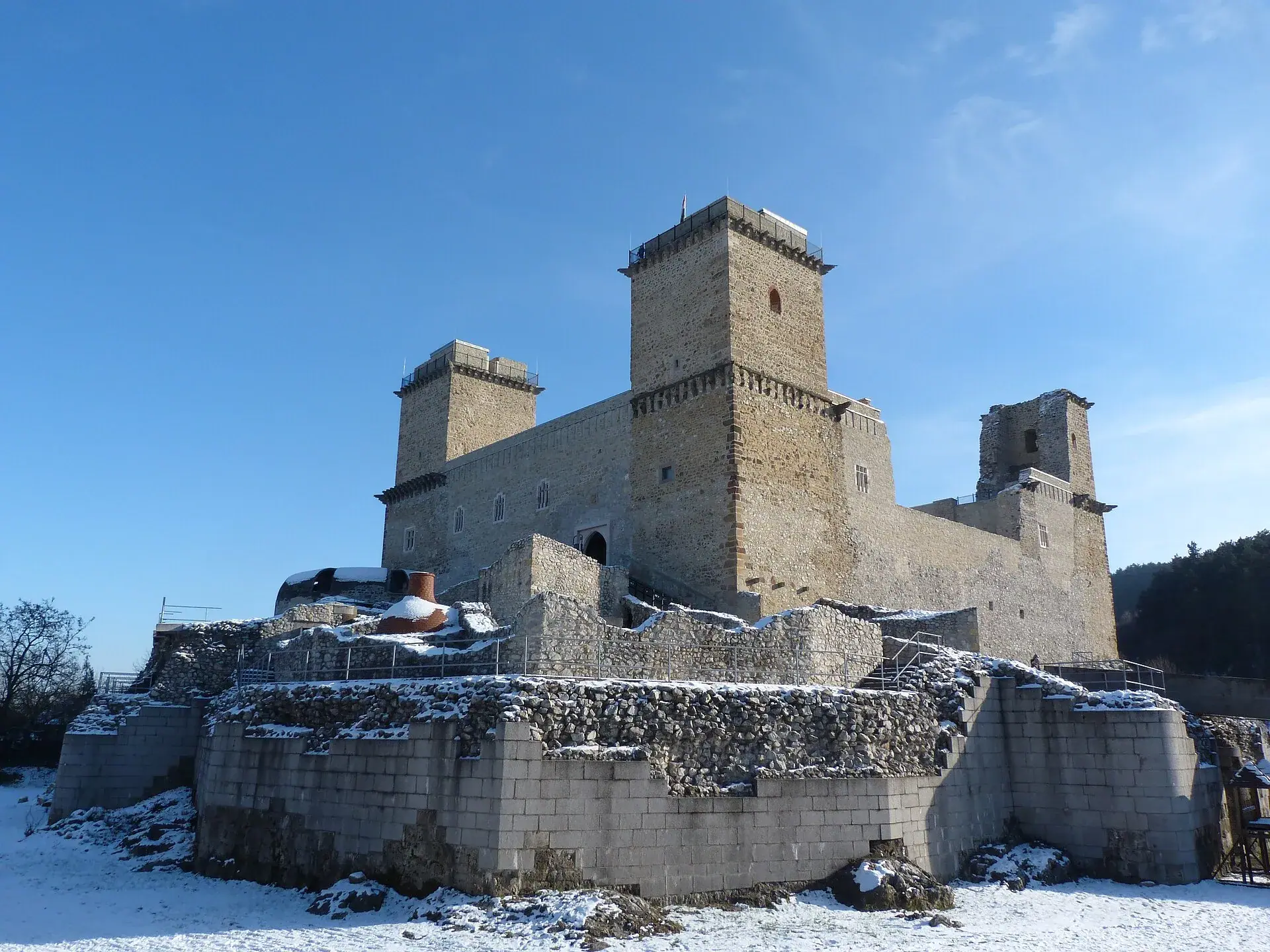 Photo: Derzsi Elekes Andor / Wikimedia Commons (CC BY-SA 4.0)