Cost of Living in Debrecen
Real market data
Source: Numbeo · September 2026
$1,260/moSolo nomad1-bed centre + living costs
$1,750/moCoupleshared 1-bed + costs
$1,100/moLean / localcheaper area + costs
- 1-bed rent, city centre$640Ft200,556
- 1-bed rent, outside centre$480Ft152,222
- Monthly costs excl. rent (1 person)$620Ft196,474
- Meal, inexpensive restaurant$14Ft4,500
- Monthly transit pass$27Ft8,575
- Buy price, per m² (centre)$3,060Ft968,000
Prices are from Numbeo (September 2026), converted to USD at $1 = Ft315.83 (01 Aug 2026). The monthly living-costs figure is our transparent one-person basket, groceries, a few meals out, utilities, phone, internet, transport and essentials, priced from those figures. Solo adds central rent; couple and lean are estimates from the same numbers.
Budget roughly $1,260 a month as a solo remote worker in Debrecen, which makes Hungary's second city one of the cheapest places to live in the European Union. A one-bedroom apartment near the centre or the university runs about $280 to $400, and the panel districts drop that to $220 to $300. Groceries land around $180 to $230, with the covered market cheaper than the supermarkets for produce. A menu lunch is $5 to $7, a restaurant dinner with wine $14 to $20, and Hungarian wine is good and inexpensive. A monthly transit pass is about $14. Utilities add $80 to $150, more in the continental winter. Student demand tightens the market every September. Household energy is capped up to a set volume and charged at the market rate above it, so a badly insulated flat with two people in it can cross the line in midwinter and watch the bill multiply rather than merely rise. Ask what the previous tenant used before signing anything. The currency is not the euro and has moved a long way in recent years, which works in favour of anyone earning abroad and is the quiet reason the numbers here look as low as they do.
Where to Work in Debrecen
Debrecen is a university city of roughly 30,000 students and has a growing technology and manufacturing sector, including a large BMW plant now coming online, which has drawn services in behind it. Coworking exists in a modest way at roughly $80 to $130 a month, mostly connected to the university's innovation ecosystem. Most people work from home or from the cafes around Piac utca and the university quarter. Hungarian internet is genuinely good: fibre is widespread, fast and cheap. English is common among students and in the international medical programmes and much thinner elsewhere, so expect Hungarian signage and menus and a certain amount of translation-app work. A very large battery plant is being built on the edge of the city alongside the car factory, and it has become the dominant local argument, over water use, over air quality and over who the jobs are actually for. Whatever the outcome, it has already pulled construction labour, suppliers and housing demand in from a wide radius. For anyone renting, the practical consequence is a market tighter than the city's size would predict, and landlords who now have industrial tenants to compare you against.
Getting Around Debrecen
Debrecen is flat and laid out around one long main street, Piac utca, running from the railway station to the Great Reformed Church, and the centre is comfortably walkable. Trams, trolleybuses and buses cover the rest cheaply, with a monthly pass around $14; the tram line out to the Nagyerdő forest park and the university is the one most people use. Cycling is easy on the flat and the city has been adding lanes. The railway station connects to Budapest in about two and a half to three hours. Debrecen International Airport is 5km from the centre and has grown considerably, with a useful spread of European budget routes, which is a real advantage for a city this size. Hajdúszoboszló, the spa town on the main line west, is about fifteen minutes away by train, close enough for a soak after work. Regional trains also reach the village of Hortobágy, at the gate of the puszta national park, in roughly an hour, which turns the plain into a half-day trip without a car.
Sorting transport? Book an airport transfer, or compare car rental on Auto Europe and QEEQ.
Visas for Debrecen
Hungary is in the European Union and the Schengen area, so EU and EEA citizens may live and work here after registering an address, and most other Western passports get 90 days in any 180. Hungary's White Card, introduced in 2022, is a residence permit built specifically for non-EU remote workers earning above a threshold from foreign sources, and it remains one of the few purpose-made schemes in the region; the requirements have been revised since launch. Other routes are employment, study at the university's English-language medical and business programmes, or family reunification. The remote worker permit comes with a sting: years held on it are disregarded when permanent residence is assessed, and it cannot be swapped for another category without leaving and starting again, so it buys a stay and not a path. A new immigration act took effect in 2024 and closed or narrowed several older routes, which is why guidance written before that year is unreliable and why the consulate pages are the only source worth trusting. An address card is issued when a residence is registered, and it is the document counters ask for, more often than the passport itself. Romania joined Schengen fully in January 2025, so the road to Oradea crosses no Entry/Exit System checkpoint; the nearest external frontier is now the Ukrainian one.
Best Time to Visit Debrecen
May, June and September are the best months in Debrecen: warm, bright and with the city at its most active. Summer is hot and dry, regularly into the low thirties on the Great Plain, and the student population disappears, which empties the city and briefly loosens the rental market. The Flower Carnival on 20 August is the year's biggest event and fills the centre. Autumn is long and pleasant through October. Winter is properly continental, cold and often below freezing from December to February, with grey skies more often than snow. The academic year from late September brings the city fully back to life and is when it feels most like a city. Thermal water is why the cold months here are more bearable than the sky suggests: the baths in the forest park run all year and a grey afternoon spent outdoors in hot water is a normal local habit rather than a treat. Out on the plain the summer produces genuine mirages, shimmering false lakes that have their own name in the language and are part of the region's picture of itself. Spring arrives abruptly, with two or three weeks standing in for the whole season.
Pros and Cons of Debrecen
Debrecen offers European Union living at close to the cheapest price available, with a real university, a growing industrial and technology base, an airport with genuine budget connections and a flat, walkable, tram-served centre. Hungarian internet is fast and cheap, the food is good, and the Hortobágy puszta and the Nagyerdő forest are both close. The Great Plain is flat and the landscape is very much an acquired taste. Winters are cold and grey, summers can be uncomfortably hot. There is essentially no international community and no nomad scene. Hungarian is difficult and English is limited outside the university. Budapest is three hours away by train, which is far enough to matter. The Déri Museum holds Munkácsy's Christ trilogy, three canvases of about four metres by six that the painter never saw hung together and that have shared one room here only since 1995. Kossuth proclaimed the country's independence in 1849 inside the Reformed church that closes the main square, which gives that square more weight than its looks suggest.
Who Debrecen Is For
Spending very little inside the European Union, and making your own social arrangements while you do it. The Hungarian White Card brings in some, and the medical and science degrees taught here in English bring in the rest, whether to study or to teach. It is a working city and not a scenic one, and that suits some people exactly. The airport makes it more practical than its size suggests. Couples are fine, and focused solo work is what the city is quietly good at. Hungarian is the working language and English gets a visitor only as far as the university gates. The Great Plain offers neither mountains nor a coast, and such foreigners as there are came for a degree and leave with it. Budapest has all of that at roughly double the rent.
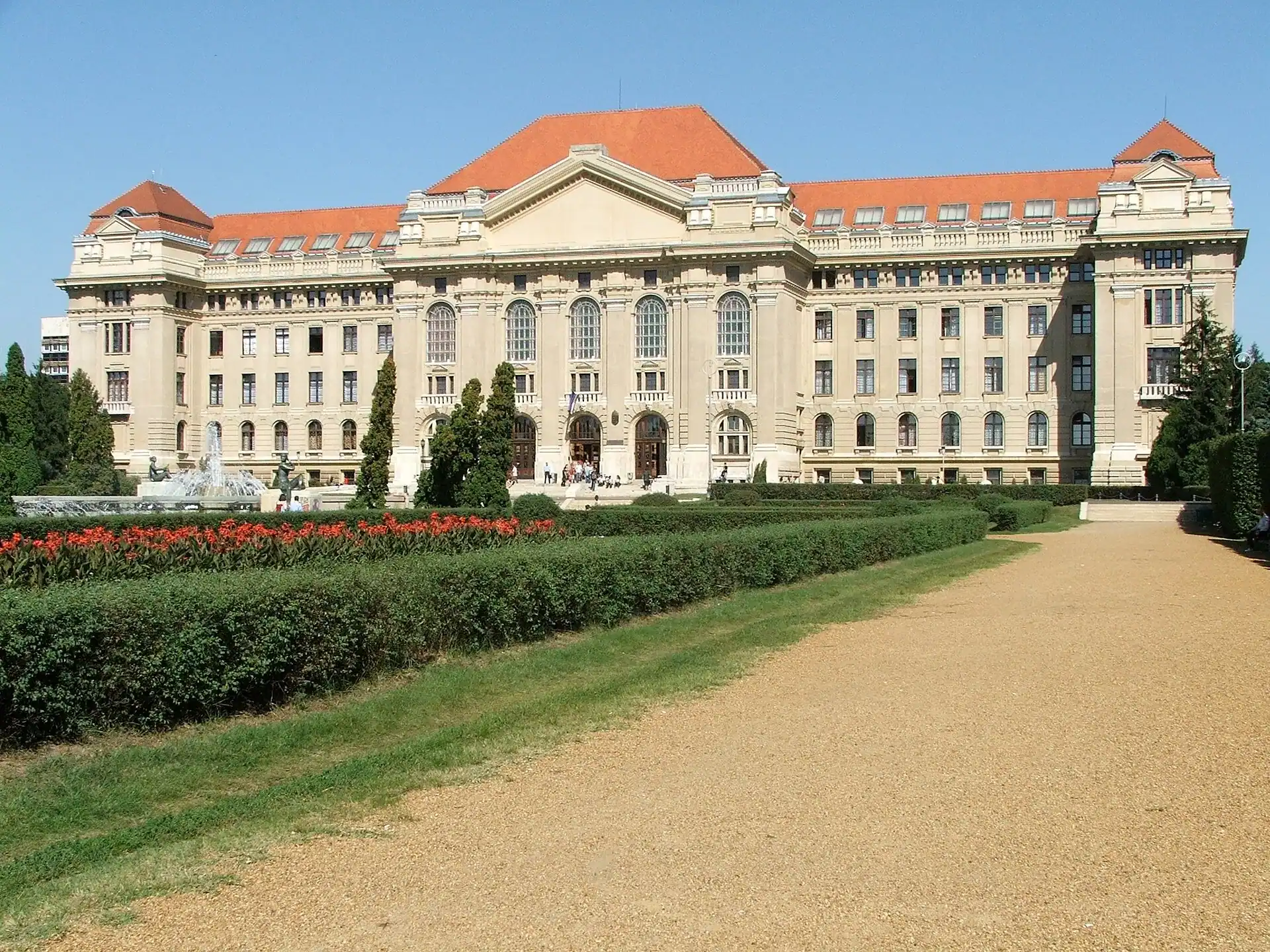 Photo: Björn Láczay / Wikimedia Commons (CC BY 2.0)