Cost of Living in Konstanz
Where this figure comes from. No cost survey covers Konstanz, so the $1,950 a month above is our own estimate rather than a measurement. On 416 of our 999 city guides the figure is built from a published Numbeo basket, a one-bedroom rent in the centre plus one person's monthly costs without rent, converted to USD; this city is not one of them. How we source everything.
Budget around $1,950 a month, which makes Konstanz among the more expensive German cities. A one-bedroom runs roughly $900 to $1,400, driven up by the lake position, a large student population and by Swiss shoppers and commuters, since the border runs through the edge of the city. Groceries are German prices, which are noticeably cheaper than Swiss ones and attract weekend traffic from across the line. Eating out is expensive. Utilities run through a mild lakeside winter. The student market makes small flats genuinely hard to find. Anyone comparing with Switzerland should note that Kreuzlingen next door costs roughly double for a comparable flat, which is why so many Swiss residents shop on this side. The city publishes a rent index that sets what a comparable flat may legally be charged, so a tenant who suspects an asking price is above it has a real mechanism rather than a grievance. Sublets covering a semester abroad are how a great many people find their first address here, and they are advertised on university boards rather than on the portals. Resident parking permits inside the walls are rationed street by street and priced to discourage a car altogether, which is one reason so many households here keep none.
Where to Work in Konstanz
Connectivity is good. Fibre coverage is reasonable, mobile service is comprehensive and power is entirely reliable, with the added quirk that phones near the border frequently roam onto Swiss networks, which can produce charges if the plan does not cover it. There is a coworking presence helped by the University of Konstanz, which is one of Germany's designated elite universities. The time zone is central European. The Anmeldung registration within two weeks is mandatory as everywhere in Germany. Anyone with a German phone contract should check the roaming terms, since the Swiss networks reach well across the border and the charges are not always covered. Working on the far side of the line needs a frontier worker permit rather than a residence one, and the pay is then divided between two tax authorities under a treaty that assigns each a fixed share, a sum worth having done before any offer is signed. Thousands of people here do precisely that, and the wage gap is why. An applied sciences school shares the city with the research university and turns out engineers who mostly stay in the region, which sustains a technical labour market well beyond what the population would predict.
Getting Around Konstanz
Konstanz is flat and small and works best on a bicycle, with the old town, the harbour and the university all within reach. The Swiss town of Kreuzlingen begins at the end of a residential street, and crossing takes seconds. Ferries run across the lake to Meersburg and around it to Lindau and Bregenz. Trains reach Zurich in about seventy minutes and Stuttgart in two and a half hours. Zurich Airport is the practical international connection at ninety minutes. Anyone cycling the Bodensee-Radweg should allow four or five days for the full circuit, which crosses Germany, Switzerland and Austria and uses the ferries in places. The car ferry across the lake runs through the night as well as the day, and it counts as part of the road rather than as an excursion, which is why the queue at two in the morning is made of people going home. Bicycle theft is the local hazard and a serious lock is a normal purchase rather than a precaution. The station on the far side of the border puts a second national rail network within a five minute walk, and its timetable is worth checking alongside the domestic one for anything heading south.
Sorting transport? Book an airport transfer, or compare car rental on Auto Europe and QEEQ.
Visas for Konstanz
Germany is in the European Union and the Schengen area, so European Union and EEA citizens may live and work here without a permit, subject to the Anmeldung. Everyone else needs a Schengen visa or a residence permit, with the EU Blue Card the main skilled route. Switzerland is in Schengen but not the European Union, so crossing to Kreuzlingen involves no passport check while customs rules still apply, and the value limits on goods brought back are enforced more often than people expect. Shopping here is a Swiss habit as much as a German one: residents come over to buy cheaply and reclaim German sales tax on the way home, which is why the supermarkets fill on a Saturday and why the queue at the window is for stamps rather than searches. Arriving through Zurich Airport means the EU Entry/Exit System enrolment, fingerprints and a face image, happens before you reach Germany at all, since the system runs there too as part of Schengen, so days on both shores of the lake land on one count and a walk over the border never pauses it.
Best Time to Visit Konstanz
May to September is the season, with July around twenty three degrees and the Bodensee warm enough to swim in from June, which is the point of being here. The lake shore fills with Germans, Swiss and Austrians through the summer. Winter from December to February is mild for Germany but often foggy, with the lake generating a persistent grey that sits for weeks. The Bodensee has frozen over completely only a handful of times in recorded history, most recently in 1963. Anyone here in February should look at the Fasnacht, which in this corner of Germany and Switzerland is the older Alemannic version with wooden masks rather than the Rhineland one. The lake night festival in August closes the waterfront and puts a firework display over the water that draws a crowd from three countries, and every bed for miles around is taken that weekend. Swimming carries on well past the point the air stops feeling like summer, because the water holds its heat into the autumn. The tulip and rhododendron seasons on the flower island run in succession from early spring, so the island is worth a separate visit at each, and an annual pass costs less than three days out.
Pros and Cons of Konstanz
The medieval old town came through the war entirely intact, because the city kept its lights burning through the blackout so that Allied bombers would take it for neutral Switzerland next door, and the trick worked exactly as intended. Add a swimmable lake, an elite university, and Switzerland at the end of the street. The cost is inflated by the Swiss border, the student housing market is genuinely difficult to get into, and the winter fog settles on the lake and does not lift for weeks at a time. The city also hosted the Council of Constance between 1414 and 1418, which ended the papal schism and is the only papal election ever held north of the Alps.
Who Konstanz Is For
Swimmers, sailors and cyclists, since the Bodensee cycle route circles the whole lake through three countries and is among the best in Europe. It suits academics and students given the university. Swiss proximity at German prices is the arrangement, and the border runs along the edge of the city. The student market absorbs almost everything that comes up, so arriving without accommodation arranged is a genuine problem rather than an inconvenience. Prices here also run high for Germany, which a modest budget will discover in the first week. The Mainau flower island sits out in the lake, reached on foot across a bridge, and a Swedish aristocratic family runs the whole of it as a botanical garden to this day.
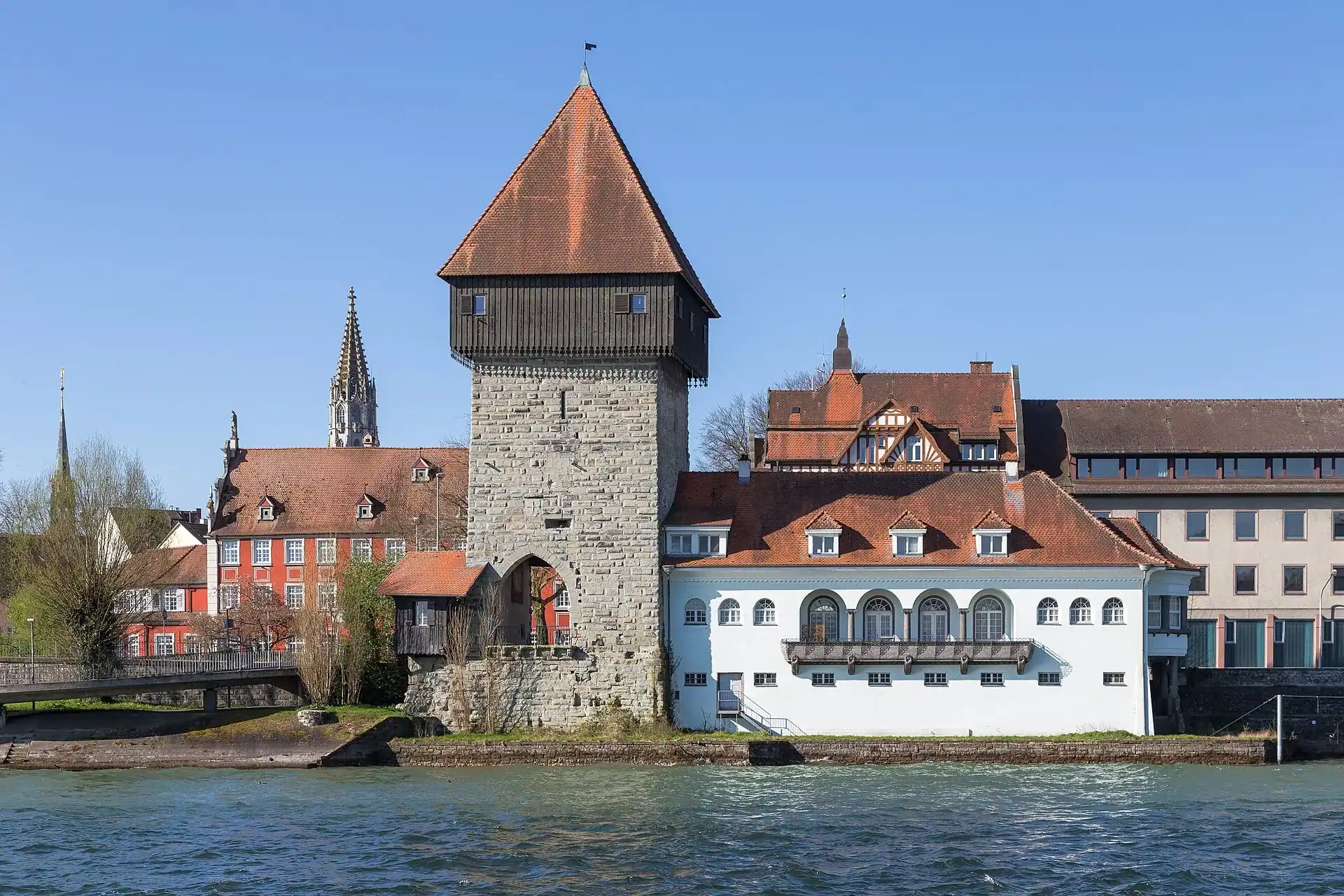 Photo: JoachimKohler-HB / Wikimedia Commons (CC BY-SA 4.0)