Cost of Living in Tallinn
Real market data
Source: Numbeo · August 2026
$1,710/moSolo nomad1-bed centre + living costs
$2,420/moCoupleshared 1-bed + costs
$1,490/moLean / localcheaper area + costs
- 1-bed rent, city centre$830€721
- 1-bed rent, outside centre$610€526
- Monthly costs excl. rent (1 person)$880€768
- Meal, inexpensive restaurant$18€16
- Monthly transit pass$35€30
- Buy price, per m² (centre)$4,860€4,224
Prices are from Numbeo (August 2026), converted to USD at $1 = €0.87 (01 Aug 2026). The monthly living-costs figure is our transparent one-person basket, groceries, a few meals out, utilities, phone, internet, transport and essentials, priced from those figures. Solo adds central rent; couple and lean are estimates from the same numbers.
Tallinn is more affordable than Western Europe but no longer cheap, and rents have been climbing steadily. A one-bedroom apartment in the center runs roughly $805 to $1,090 per month, while similar apartments in outer districts like Mustamae or Lasnamae drop to around $635 to $805. Expect utilities to add a real bite in winter: heating pushes the combined bill to $230 or more ($215+) in the coldest months. Note that most landlords charge a broker fee of roughly one month's rent, and the market moves fast, so it helps to be in the city when you search.
Here is a rough monthly picture for one person:
- Rent (central 1BR): $805 to $1,090
- Rent (cheaper district): $635 to $805
- Groceries: $290 to $405
- Eating out (a few times a week): a lunch menu outside the Old Town runs about $12 to $14, a casual dinner around $29 to $40
- Coworking hot desk: $175 to $230 per month, or roughly $29 to $35 for a day pass
- Local transport: effectively free if you register as a Tallinn resident, otherwise a single ticket is about $2.50
All in, a single nomad renting a central apartment and mixing home cooking with regular meals out should budget somewhere around $1,730 to $2,530 per month. You can trim that meaningfully by living outside the center and cooking more.
Where to Work
Estonia is one of the most digitally advanced countries in the world, and the internet reflects that. Connections are fast, cheap, and reliable almost everywhere, and public WiFi is widespread. You will rarely fight for a signal here.
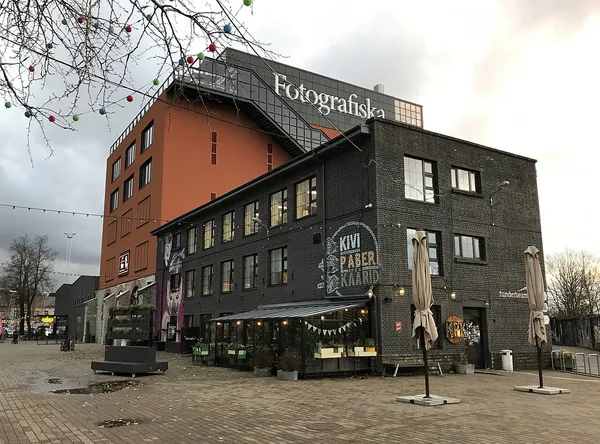
For coworking, Tallinn punches above its size. Lift99 in the Telliskivi Creative City is the best-known startup and founder hub, with a busy events calendar and hot desks, fixed desks, and team rooms. Workland operates several central locations (Maakri and Vabaduse are convenient), with day passes and flexible multi-day passes. Spring Hub offers a community feel with a silent zone and a cafe lounge, and Palo Alto Club is a smaller, cozier option with call booths and meeting rooms. There are dozens more across the city, so it is worth trying a day pass or two before committing.
Cafe-work culture is relaxed and common, especially in Telliskivi and the Kalamaja area, where laptop-friendly spots with good coffee are easy to find. In the Old Town you will find fewer dedicated work cafes and more tourist traffic, so most remote workers gravitate to the creative districts just outside the medieval core.
Getting Around
Tallinn is compact and easy to navigate. The tram, bus, and trolley network is efficient and increasingly modern, with new low-floor trams and a fleet moving away from diesel. If you register as a resident of Tallinn, public transport is free, one of the city's genuine perks. Non-residents pay about $2.50 per single ride, easily bought with a QR ticket or the Uhiskaart transit card.
The medieval Old Town is small and entirely walkable, and much of the central city can be crossed on foot in 20 to 30 minutes. Cycling and e-scooters are also popular in the warmer months.
Getting to and from the airport is refreshingly simple. Tallinn Airport (TLL) sits only about 4 km from the Old Town, and tram line 4 runs directly to the terminal, taking roughly 15 to 20 minutes into the center. A taxi or rideshare is cheap and quick as well, usually well under $17.
Sorting transport? Book an airport transfer, or compare car rental on Auto Europe and QEEQ.
Visas and Staying Long-Term
For most Western visitors, Estonia is part of the Schengen Area, so you can typically stay visa-free for up to 90 days within any 180-day period. That covers a lot of nomads for a season without any paperwork.
If you want to stay longer, Estonia was one of the first countries to launch a dedicated Digital Nomad Visa, introduced in 2020. It lets eligible remote workers live in Estonia for up to a year, provided you work location-independently for an employer or clients based outside Estonia and meet a minimum income threshold (about $5,180 net per month, based on your average over the six months before applying). You will also need valid health insurance covering the Schengen area.
Do not confuse the visa with e-Residency. E-Residency is a digital identity that lets you register and run an Estonian company and sign documents online from anywhere. It is not a residence permit, it does not grant the right to live in Estonia, and it carries no travel rights. It is a business tool, not an immigration status.
Best Time to Visit
Tallinn is a city of dramatic seasonal contrast. Winters are cold, snowy, and above all dark: in December, daylight shrinks to barely six hours, and the sun sits low even at midday. If short days and long grey stretches weigh on you, the deep winter here is a real challenge, and many nomads find it isolating.
Summers are the reward. From roughly late May into July, the white nights arrive and it barely gets fully dark, with up to 18 or 19 hours of daylight and mild, pleasant temperatures around 20 to 21 C. The city comes alive with terraces, festivals, and long bright evenings.
For remote work, the sweet spot is May through September, when the weather is kind, the days are long, and energy runs high. If you come in winter, plan for it: good indoor routines, a coworking membership, and a tolerance for cold and dark go a long way.
Pros and Cons
Pros:
- World-class digital infrastructure with fast, cheap, reliable internet
- Free public transport for registered residents
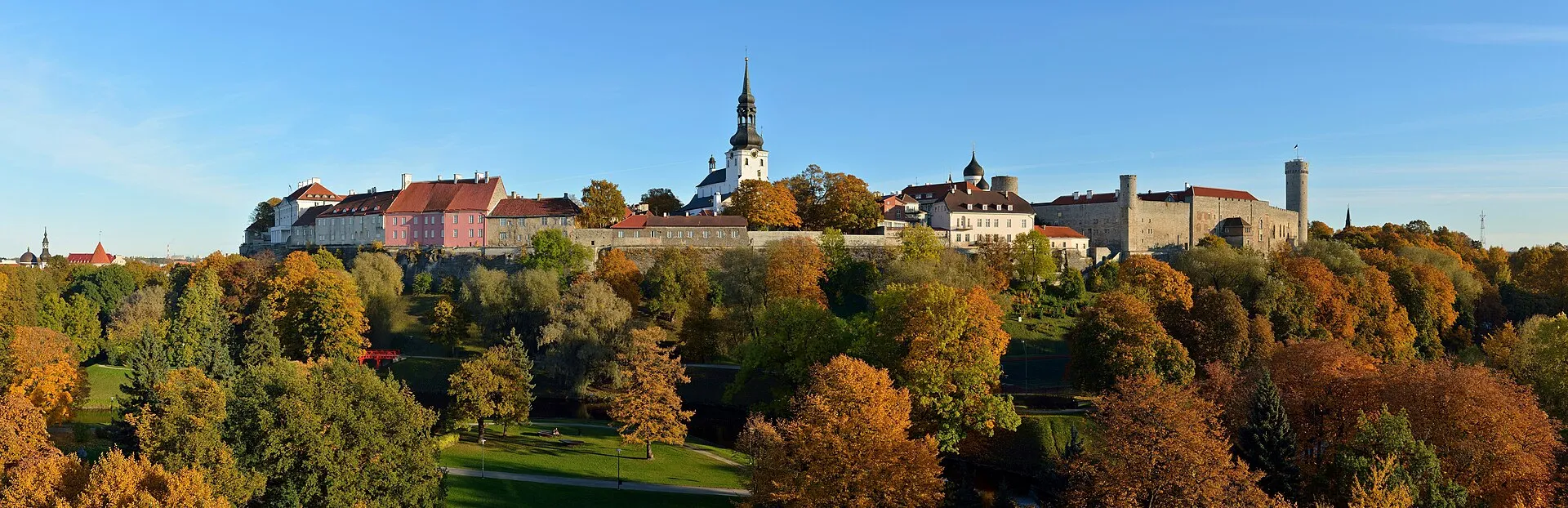
- Compact, safe, walkable city with a beautiful Old Town
- Strong coworking and startup scene for its size
- A pioneering digital nomad visa and e-Residency for online business
- More affordable than most of Western Europe
Cons:
- Long, cold, very dark winters that are hard on many people
- A small city that can feel quiet, especially off-season
- Rents are rising and no longer a bargain
- Estonian is difficult, though English is widely spoken
- Fewer big-city amenities and a smaller nomad community than major hubs
Who Tallinn Is Best For
Tallinn suits remote workers who value fast internet, digital convenience, and a calm, safe base over nightlife and scale. If you run an online business, the e-Residency ecosystem is a genuine draw, and founders will find a real startup community here. It is a great fit for people who like tidy, efficient, Nordic-adjacent cities and do not mind a slower pace.
It is a harder sell if you need constant sun, a large and buzzing nomad crowd, or big-city variety year-round. Anyone prone to seasonal low mood should think carefully about winter, or plan to visit in the bright half of the year. Come for the long summer days and the digital-first lifestyle, and Tallinn is one of the easiest cities in Europe to work from.