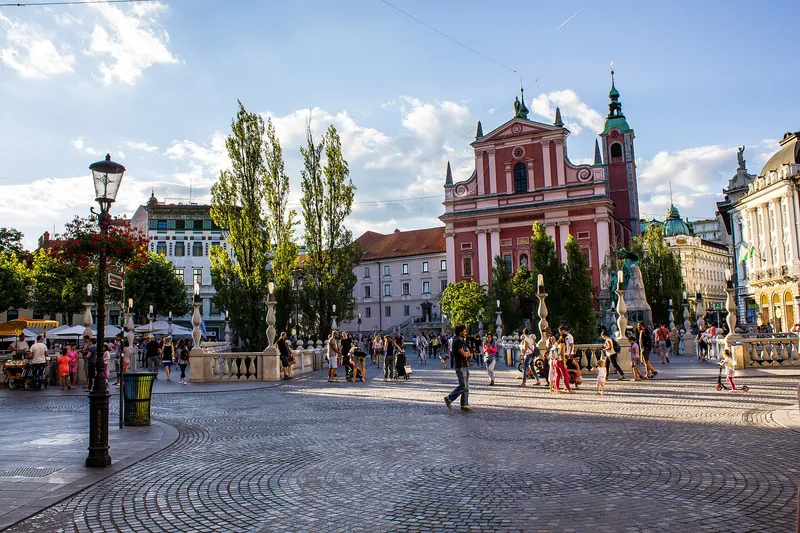
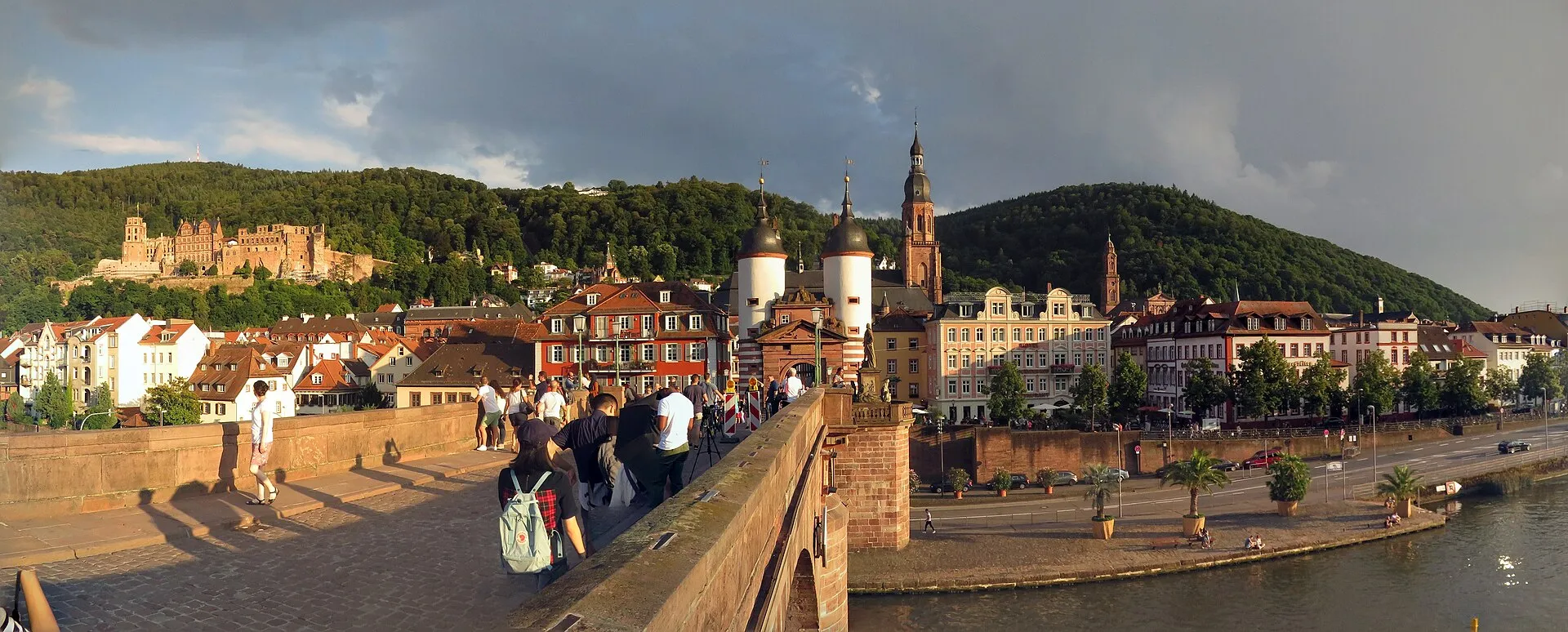
Heidelberg old town panorama from the Alte Brücke, with castle on the hill and church steeples
Photo: Donarreiskoffer / Wikimedia Commons (CC BY-SA 4.0)
Germany flag

Heidelberg

Germany

Experience romantic castle town with Germany's oldest university and intellectual energy.

€2.900
Monthly Budget
--
Current Weather
Continental
Climate Type
70 Mbps
Avg. WiFi Speed
9/10
Safety Score
2,000+
Active Nomads
--
Time Difference
Scroll
0
Nomad Score

A Remote Worker's Guide to Heidelberg

Experience romantic castle town with Germany's oldest university and intellectual energy. What pulls nomads here is safety, backed by English and culture. Budget around $2,900 a month. Cost is the weak spot.

Compare Heidelberg vs Stuttgart →

Category Breakdown

How Heidelberg scores across all 13 factors

Weather in Heidelberg

Monthly averages from 2019-2023 (Open-Meteo), and the best time to visit

Jan
Feb
12°
Mar
15°
Apr
19°
May
25°
15°
Jun
26°
15°
Jul
25°
16°
Aug
22°
12°
Sep
16°
Oct
Nov
Dec
Daily high & low (°C)Rainfall (mm/month)Best months to visit

The best time to visit Heidelberg for comfortable weather is Jun, Jul, Aug. The warmest month is Jul (around 26°C by day), and the wettest is Dec (about 102mm of rain).

Chasing good weather? See other cities that are warm in Jun, or plan a multi-city route around the seasons. Staying a while in Heidelberg? Check visa options, your time-zone overlap and how far your budget stretches, or find it on the world map.

Historical monthly averages, not a forecast. Source: Open-Meteo.

Best Neighborhoods in Heidelberg

Where to base yourself for the perfect nomad experience

Altstadt (Old Town)

$$$
Historic & Romantic

Baroque beauty beneath the castle

Heidelberg's Altstadt is German romanticism perfected - baroque buildings, Hauptstraße pedestrian zone, castle views. Where philosophers walked and poets dreamed.

Best for: Romantics, history lovers, and architecture enthusiasts
✓ Pros
  • Stunning architecture
  • Castle views
  • Great restaurants
  • Walkable
✗ Cons
  • Very touristy
  • Expensive
  • Crowded summers

Neuenheim

$$
Academic & Lively

University quarter across the river

Neuenheim is Heidelberg's academic heart - university campus, student cafés, intellectual atmosphere. Where Germany's oldest university shapes daily life.

Best for: Students, academics, and young travelers
✓ Pros
  • University atmosphere
  • Good cafés
  • Affordable dining
  • River views
✗ Cons
  • Student housing
  • Quiet in breaks
  • Limited nightlife

Bergheim

$
Alternative & Local

Alternative quarter with local character

Bergheim offers Heidelberg's alternative side - independent shops, student bars, more affordable living. Where locals live beyond the tourist trail.

Best for: Budget travelers, local seekers, and alternative crowd
✓ Pros
  • Affordable
  • Local atmosphere
  • Good bars
  • Less touristy
✗ Cons
  • Basic area
  • Far from old town
  • Limited attractions

Philosophenweg Area

$
Scenic & Contemplative

Hillside walks with panoramic views

The Philosophers' Walk climbs the north bank - panoramic old town views, gardens, contemplative atmosphere. Where Heidelberg's intellectuals found inspiration.

Best for: Walkers, philosophers, and view seekers
✓ Pros
  • Incredible views
  • Peaceful walks
  • Historic path
  • Gardens
✗ Cons
  • Steep climb
  • No amenities
  • Weather dependent

Schloss (Castle) Area

$$
Historic & Romantic

Romantic ruins above the city

Heidelberg Castle is Germany's most romantic ruin - Renaissance palace, world's largest wine barrel, terraced gardens. The city's defining landmark.

Best for: History lovers, romantics, and photographers
✓ Pros
  • Iconic castle
  • Great views
  • Historic depth
  • Beautiful gardens
✗ Cons
  • Tourist crowds
  • Entry fees
  • Steep access

Cost of Living in Heidelberg

Heidelberg sits in the mid-range for German cities. It is significantly cheaper than Munich or Frankfurt, but not as cheap as Leipzig or Dresden. Expect to spend roughly 1,800-2,800 EUR (1,950-3,050 USD) per month as a solo digital nomad, depending on how centrally you live and how often you dine out.

  • Rent, 1-bedroom in Altstadt or Bergheim: 1,000-1,500 EUR (1,080-1,630 USD)
  • Rent, 1-bedroom in Neuenheim, Handschuhsheim, or Kirchheim: 650-950 EUR (700-1,030 USD)
  • Groceries (cooking at home): 280-380 EUR (300-410 USD)
  • Eating out, inexpensive restaurant: 12-18 EUR per meal; budget around 350-500 EUR (380-540 USD) if you eat out often
  • Coworking hot-desk (dedicated spaces): 80-220 EUR per month depending on the space and contract length; day passes run 26-35 EUR
  • Local public transport monthly pass: 58-63 EUR (63-68 USD)
  • Mobile broadband or home internet: 30-49 EUR (32-53 USD)

A realistic monthly total lands around 1,800 EUR (1,950 USD) on a careful budget and closer to 2,600-2,800 EUR (2,820-3,050 USD) living comfortably in the centre. Short-term furnished rentals cost more, as most long-term leases require a registered address and German bureaucracy takes time to navigate.

Where to Work

Heidelberg has a handful of solid coworking options. Tink Tank operates two locations: Landfried near the main train station (Bergheimer Str. 147) and Campbell in the south (Am Paradeplatz 20). Both offer flexible day passes and monthly memberships, community events, and 24/7 access for members. Rivvers Coworking at Am Bahnbetriebswerk 5 is a larger, modern space with 475 square metres of workspace, fast WiFi, and day passes from around 29 EUR. Regus has a presence on Rudolf-Diesel-Str. with professional setups suited to client calls and focused work.

Cafe-work culture is real but selective. Mildner's (Bergheimer Str. 81a) has reliable WiFi and plenty of outlets and is a local favourite for half-day work sessions. Cafe Nomad Weststadt (officially nomad-heidelberg.de) on Bahnhofstrasse draws a steady laptop crowd with strong WiFi and vegan-friendly food. Coffee Nerd (Rohrbacher Str. 9) is popular with students and freelancers for its specialty roasts and calm vibe, though seating is limited. Cafe Bergheim 41 has a quieter upstairs area that works well for focused hours.

WiFi in cafes is generally fast enough for video calls, but coworking spaces are the more reliable bet for consistent speeds. Heidelberg University's widespread student population means the city normalises laptop work in public settings more than many German cities of similar size.

Getting Around

The city centre is compact and very walkable. The Altstadt pedestrian zone and the Neckar riverbanks are easy to cover on foot or by bicycle. Heidelberg has an active cycling culture and dedicated bike lanes throughout.

For longer trips within the city, trams and buses cover all major areas. A monthly pass costs 58-63 EUR and covers the Heidelberg Verkehrsverbund (HVV) network. The main train station (Heidelberg Hbf) sits in the Weststadt district, about a 20-25 minute walk or a short tram ride from the Altstadt.

Getting to Frankfurt Airport (FRA) is straightforward: take a regional train via Mannheim to Frankfurt Hbf, then S-Bahn to the airport, or catch a direct regional express. Total journey time is around 60-80 minutes and costs 12-30 EUR each way depending on the ticket. There is no direct S-Bahn link, so you change trains at least once. Stuttgart Airport (STR) is about 75 minutes away by regional train and bus combination. Heidelberg itself has no airport.

Visas and Staying Long-Term

Schengen rules apply. Citizens of the US, Canada, Australia, the UK, and most other Western countries can enter Germany visa-free for up to 90 days within any 180-day period. There is no dedicated digital nomad visa for Germany, but Germany does offer a freelance or self-employed visa (Freiberufler/Selbstandiger) for those who qualify, typically writers, designers, developers, and consultants. This route requires demonstrating clients, sufficient income, and health insurance. Processing takes 2-4 months and is handled at the local Auslanderamt (immigration office). The visa is initially granted for up to 3 years with possible extensions. Always verify current requirements with the official German Federal Foreign Office or your nearest German consulate before travel.

Best Time to Visit

Heidelberg's most liveable window for remote workers is April through October. Spring (April and May) brings mild temperatures around 11-17 degrees C, minimal tourist crowds, and pleasant conditions for exploring between work sessions. Early summer (June) hits a sweet spot: warm days, long daylight hours, and the city's outdoor cafe culture in full swing before peak tourist season arrives.

July and August are the hottest and busiest months. Temperatures reach 25-26 degrees C and the Altstadt fills with tourists, making cafe seats harder to find. These months still work fine for nomads who stick to coworking spaces. September offers a comfortable drop in crowds with lingering warm weather.

November through February is grey, cold (3-5 degrees C), and wet, with limited outdoor appeal. The city stays functional and coworking spaces are quiet, which some nomads prefer for heads-down productivity, but it is not an inspiring time to be in a new place.

Pros and Cons

  • Pro: Exceptionally safe and low-crime by European standards
  • Pro: Compact, walkable, and cyclist-friendly city layout
  • Pro: Strong university culture means English is widely spoken, especially among younger residents
  • Pro: Excellent nature access: Neckar River, forested hills, and Odenwald day hikes right from the city
  • Pro: Well-connected by train to Frankfurt (60 min), Mannheim, Stuttgart, and beyond
  • Pro: Good coworking infrastructure relative to the city's size
  • Con: Rent is high relative to most mid-size German cities, driven by university demand
  • Con: Finding long-term furnished accommodation is competitive and requires advance planning
  • Con: The Altstadt becomes tourist-saturated in summer, impacting cafe work options
  • Con: Relatively small nomad community compared to Berlin, Hamburg, or Munich
  • Con: No direct airport connection; Frankfurt Airport is the nearest major hub
  • Con: German bureaucracy for longer stays (visa, registration) can be slow and paper-heavy

Who Heidelberg Is Best For

Heidelberg suits nomads who want a high quality of life in a manageable city rather than a buzzing metropolis. If you value safety, walkability, access to nature, and a genuinely beautiful historic setting without the noise and cost of Berlin or Munich, Heidelberg delivers. It works especially well for people on slower travel who can settle in for a month or two, take advantage of coworking memberships, and explore the surrounding Neckar valley on weekends.

It also appeals to academic professionals or freelancers in tech and life sciences, given the city's strong university and research ecosystem. The English-speaking environment is notably good, and the international student community creates an open and cosmopolitan atmosphere despite the city's modest size.

Skip it if you need a large nomad tribe, constant networking events, or a wide selection of coworking options. It is also a poor fit if your budget is tight: rent competes with bigger German cities, and short-term accommodation options are limited. If you are chasing nightlife or a city that never sleeps, look at Mannheim nearby or head to Berlin.
Where to Stay in Heidelberg

Top neighborhoods and accommodations for digital nomads

Staycity Aparthotels Heidelberg

Aparthotel
Weststadt

Fully equipped kitchen apartments with desks, steps from the Altstadt and two co-working spaces within a 4-minute walk.

Check availability →

SUYTES Business Studios

Serviced apartments
Bahnstadt

Studio apartments with full kitchens and balconies, a 10-minute walk from the main station and tram links to the Altstadt.

Check availability →

Bergheim 41

Boutique hotel
Bergheim

Contemporary design hotel in the Altes Hallenbad building with a rooftop terrace, 10 minutes on foot from the Altstadt.

Check availability →

Arthotel Heidelberg

Hotel
Altstadt

Four-star boutique hotel in the heart of the old town beside the university, rated 9.0 on Booking.com with a rooftop terrace.

Check availability →

Steffi's Hostel Heidelberg

Hostel
Bergheim

Eco-friendly family-run hostel metres from the main station with free WiFi, private rooms, and easy tram access to the Altstadt.

Check availability →

Browse apartments, aparthotels and hotels across Heidelberg. Compare prices and book a base that suits a remote-work stay.

See available stays in Heidelberg →

Affiliate link. See our disclosure.

Best Coworking Spaces

Where nomads get work done in Heidelberg

Tink Tank Landfried

Coworking space
Bergheim

Community-focused coworking near the main train station with flexible memberships, meeting rooms, and regular networking events.

Visit website →

Rivvers Coworking Heidelberg Betriebswerk

Coworking space
Bahnstadt

Modern 475-square-metre workspace with fast WiFi, bike storage, free coffee, phone booths, and day passes from 29 EUR.

Visit website →

Regus Heidelberg

Coworking space
Bergheim

Professional flexible workspace on Rudolf-Diesel-Strasse with private offices, hot desks, meeting rooms, and business-grade internet.

Visit website →

Mildner's

Laptop-friendly cafe
Bergheim

Well-loved cafe with reliable high-speed WiFi, plenty of outlets, relaxed atmosphere, and quality coffee popular with local freelancers.

View on Maps →

Cafe Nomad Weststadt

Laptop-friendly cafe
Weststadt

Hip specialty coffee shop with strong WiFi, ample seating, and a vegan-friendly menu that draws a regular laptop-working crowd.

Visit website →

Coffee Nerd

Specialty coffee cafe
Weststadt

Specialty roaster cafe with house-roasted Scandinavian beans, strong WiFi, and a calm environment popular with students and freelancers.

View on Maps →

Where to Eat & Drink

Best food and drink spots in Heidelberg

Weinstube Schnitzelbank

German regional
Altstadt

Historic wine tavern dating to 1882 serving regional Pfälzer dishes, house schnitzel, and local wine in the heart of the old town.

Visit website →

Gasthaus Zum Roten Ochsen

Traditional German
Altstadt

One of Heidelberg's most storied student taverns, open since 1703, serving home-style German cooking with braised dishes and local beer.

Visit website →

Vetter's Alt Heidelberger Brauhaus

Brewpub
Altstadt

Beloved Altstadt brewpub facing the Old Bridge, pouring house-brewed beers alongside hearty German mains in a rustic historic interior.

Visit website →

Wirtshaus zum Nepomuk

German gastropub
Altstadt

18th-century townhouse tavern near the Old Bridge with fresh trout, schnitzel, and seasonal German dishes in a cosy wood-panelled setting.

Visit website →

Schwarzer Walfisch

Cafe-bar
Weststadt

Heidelberg's iconic breakfast and brunch spot under a glass roof that transitions into a lively bar in the evening with a global-influenced menu.

View on Maps →

Cafe Bergheim 41

Cafe-restaurant
Bergheim

Spacious neighbourhood cafe with a quiet upstairs area, high-speed WiFi, and a full food menu suited to long working lunches.

View on Maps →

What Do Nomads Say?

Vote on how accurate these scores are based on your experience

Cities with a Similar Vibe to Heidelberg

Different places that score alike across our 13 categories, if you like Heidelberg, these tend to feel similar.

Frequently Asked Questions About Heidelberg

How much does it cost to live in Heidelberg as a digital nomad?

Budget roughly $2,900 a month in Heidelberg for a furnished place, food, coworking, and transport. The most popular central areas cost more; suburbs and local spots cost noticeably less.

Is the internet fast enough for remote work in Heidelberg?

Heidelberg rates 7 out of 10 for WiFi in our scoring, so it handles video calls and daily remote work good. Carry a local SIM with data as a backup for cafes and travel days.

Is Heidelberg safe for digital nomads?

Our safety score for Heidelberg is 9/10, excellent for nomads. As anywhere, watch your belongings, favor busier streets after dark, and research neighborhoods before you book.

Is Heidelberg a good city for digital nomads overall?

Heidelberg stands out for safety and English among remote workers. With a typical budget near $2,900 a month and a growing nomad scene, it suits anyone whose priorities line up with those strengths.