Cost of Living in Helsinki
Real market data
Source: Numbeo · Jul 2026
$2,410/moSolo nomad1-bed centre + living costs
$3,340/moCoupleshared 1-bed + costs
$2,070/moLean / localcheaper area + costs
- 1-bed rent, city centre$1,250€1,090
- 1-bed rent, outside centre$910€793
- Monthly costs excl. rent (1 person)$1,160€1,006
- Meal, inexpensive restaurant$18€16
- Monthly transit pass$83€72
- Buy price, per m² (centre)$9,890€8,594
Prices are from Numbeo (Jul 2026), converted to USD at $1 = €0.87 (01 Aug 2026). The monthly living-costs figure is our transparent one-person basket, groceries, a few meals out, utilities, phone, internet, transport and essentials, priced from those figures. Solo adds central rent; couple and lean are estimates from the same numbers. The guide below quotes its own monthly range, which is a different measurement rather than a competing one: this table prices a defined basket at the figures above, while that range is a judgement about how somebody actually lives here.
Helsinki is one of the more expensive cities in Europe for digital nomads. You will need a solid monthly income to live comfortably here. The good news: costs are predictable and there are few hidden surprises.
- Rent, central (Kamppi, Eira, Punavuori): $1,090-1,500/month. Furnished short-term apartments run higher, often $1,380-1,840.
- Rent, cheaper areas (Kallio, Pasila, Arabianranta): $865-1,090/month. Kallio is popular with younger locals and has a strong neighborhood feel.
- Groceries: $255-345/month cooking at home with a balanced diet. Finnish supermarkets like S-market and K-market are solid value.
- Eating out: A casual lunch runs $14-21; dinner at a mid-range spot is $23-46 per person. Expect $460-690/month if you eat out regularly.
- Coworking hot-desk: $230-405/month, or $23-35 per day pass. Dedicated desks run $345-575/month depending on the space.
- Local transport: $83/month for an unlimited monthly pass covering tram, metro, bus, and ferry within the city zones.
- Total realistic range: $2,300-3,220/month for a comfortable solo nomad life, depending on whether you rent centrally and how often you eat out.
Where to Work
Helsinki has a handful of strong coworking options and a reasonable cafe-work culture, though you should not expect the same density of laptop-friendly spots you find in Lisbon or Chiang Mai.
Coworking Spaces
MOW Mothership in Kaartinkaupunki is the flagship independent space: a six-floor 1950s brick building with flexible desks, 17 meeting rooms, phone booths, a nap room, and weekly events. Maria 01 at Lapinlahdenkatu 16 in Kamppi is a large startup campus in a former hospital, best suited to founders and early-stage teams. VALO Hotel and Work on Mannerheimintie 109 offers well-designed day-pass coworking with reliable 24/7 access for members.
Cafe Work Culture
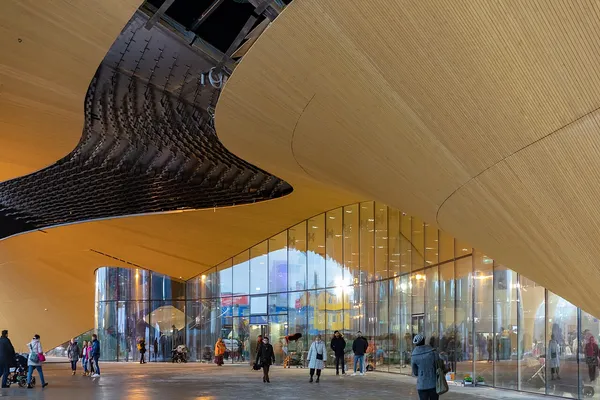
Cafes tolerate laptop workers better than in some Nordic cities, but most expect you to order regularly. Kaffa Roastery in Punavuori is a genuine specialty roastery with strong wifi and a reputation as one of the most work-friendly spots in the city. Robert's Coffee has several central locations with good wifi and a clear tolerance for working guests. Chain locations like Espresso House are reliably fast and plug-friendly. For free workspace, Oodi, the Helsinki Central Library next to the train station, has free wifi, adjustable standing desks, bookable quiet rooms, and is open seven days a week until 10pm.
WiFi Situation
Finland's broadband infrastructure is very good. Cafe and coworking wifi is reliably fast. Home internet for an apartment runs about $26/month for 100+ Mbps fiber. You will not struggle with connectivity in Helsinki.
Getting Around
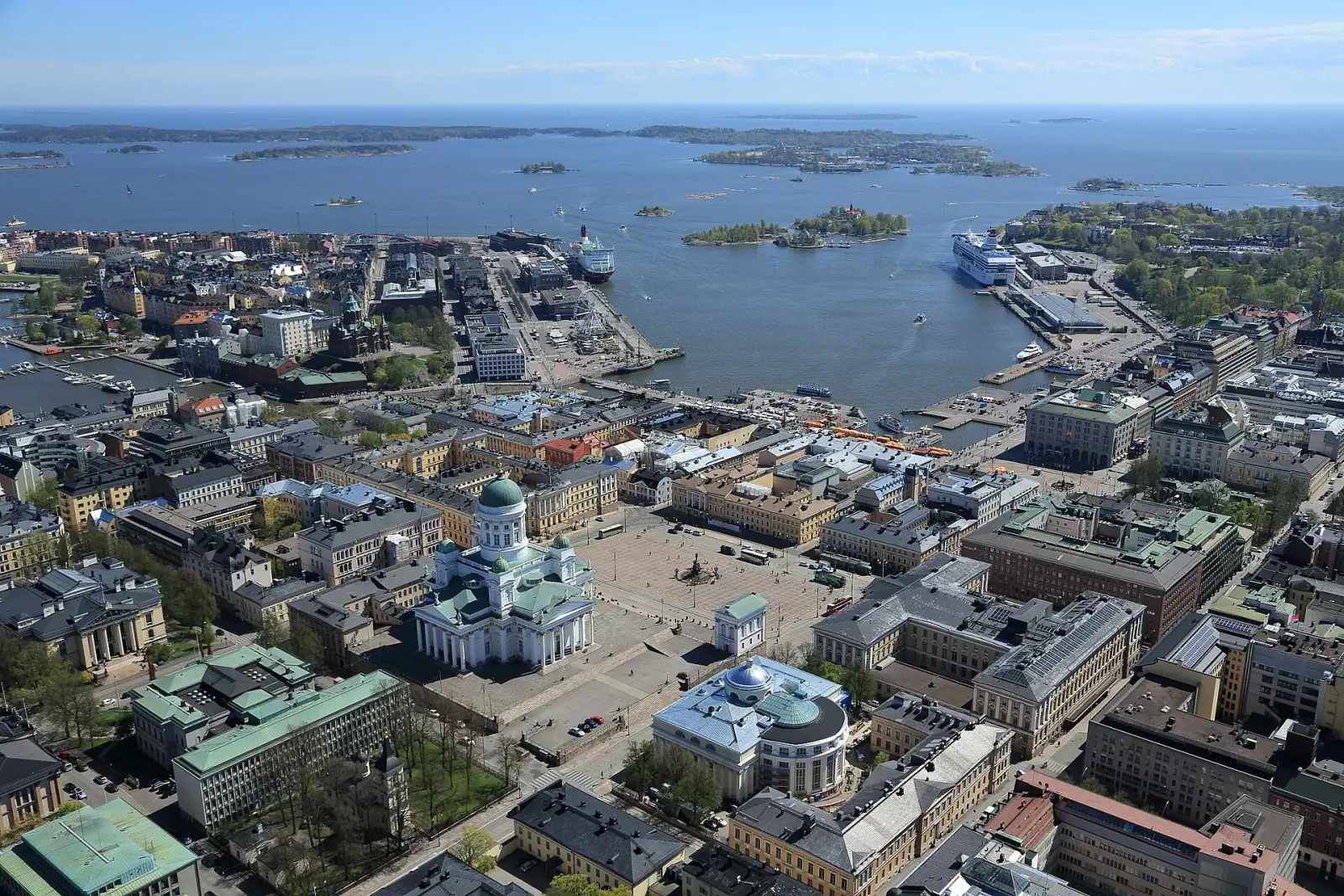
Helsinki is compact and easy to navigate. The city center is genuinely walkable: you can cross the central peninsula on foot in under 30 minutes. Cycling is popular and well-supported, with dedicated lanes and a city bike scheme (HSL Fillarit) running from spring through autumn.
Public transport is excellent. A single monthly pass ($83) covers trams, metro, buses, and the ferry to Suomenlinna. Trams are the backbone of the city center. The metro extends east toward Itakeskus and west toward Espoo. Transport runs until around 2am on most routes.
Airport: Helsinki-Vantaa is 18 km north of the city. The Ring Rail Line connects the airport to the city center in about 30 minutes, with trains running every 10 minutes during peak hours. A single ticket costs about $4.50. Taxis and rideshares are reliable but cost $46-69 for the same journey.
Sorting transport? Book an airport transfer, or compare car rental on Auto Europe and QEEQ.
Visas and Staying Long-Term
Finland is part of the Schengen Area. Citizens of the US, Canada, Australia, UK, and most other Western countries can enter visa-free for up to 90 days in any 180-day period across the whole Schengen zone. This is not specific to Finland: your 90 days are shared with every other Schengen country you visit in the same period.
Finland does not offer a dedicated digital nomad visa. The most viable long-term option for self-employed nomads is a self-employed person's residence permit, which requires demonstrating a viable business, sufficient income, and other documentation. It is initially granted for one year and can be extended. Finnish immigration authorities process these on a case-by-case basis and the threshold is not low.
EU and EEA citizens can live and work in Finland freely. For everyone else, stays beyond 90 days go through the Finnish Immigration Service (Migri) at migri.fi.
Best Time to Visit
For remote work comfort, the best window is May through September. Summers are mild with long daylight hours: in June the sun barely sets, giving you genuine energy and motivation to explore after work. July and August are the warmest months (average highs around 21-23 C / 70-73 F), though July is also peak tourism and prices for accommodation rise.
May and September offer a good balance: pleasant temperatures, fewer tourists, and all venues are fully open. The light is still generous in September and autumn colors in places like Kaivopuisto park are genuinely beautiful.
Winter (November through February) is cold, dark, and long. Average January temperatures hover around -5 to -8 C (18-23 F) with only a few hours of daylight. Some nomads find this a productive period with zero social distractions, but the darkness is real and affects mood. If you go in winter, invest in a daylight lamp and get outside during the brief midday light.
Spring (March to April) is unpredictable: cold with occasional sun. Snow is possible through March. Avoid if you want outdoor life.
Pros and Cons
- Extremely safe city with very low crime
- Fast, reliable infrastructure: internet, transport, healthcare, everything works
- High English fluency across all age groups and service workers
- Clean and well-organized with excellent air quality
- Strong food scene mixing modern Nordic cooking with international options
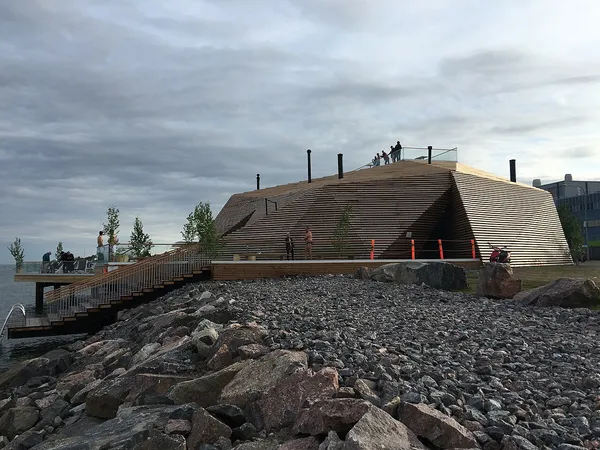
- Sauna culture is genuine and accessible, including public saunas like Loyly and Allas Sea Pool
- Nature is close: islands, forests, and sea swimming are all within reach
- High cost of living: one of the pricier Schengen cities for nomads
- Dark winters with very limited daylight from November through February
- No dedicated nomad visa: you are capped at 90 Schengen days unless you pursue a residence permit
- Small nomad community relative to hubs like Lisbon, Berlin, or Amsterdam
- Finns can be socially reserved: making local friends takes time and effort
- Eating out is expensive: dining costs add up quickly
Who Helsinki Is Best For
Helsinki rewards nomads who earn well in their home currency, value safety and reliability above all else, and prefer a quieter, more introspective city over a buzzing social scene. If you want to focus, get work done, and have genuine access to nature and a high-quality food scene without chaos, Helsinki delivers consistently.
It suits Scandinavian culture enthusiasts, those on a visa-free Schengen trip who want to experience Northern Europe at its most functional, and remote workers who can absorb $2,530-3,220/month without financial stress. The summer months are particularly good for anyone who wants long evenings, cycling, and outdoor cafes after a productive workday.
Skip Helsinki if you are on a tight budget, relying on a large expat nomad social circle, or sensitive to dark winters and planning a winter stay. It also makes little sense as a long-term base unless you can sort a residence permit: the 90-day Schengen cap will push you out. For nomads who want a vibrant, affordable, English-friendly base in Europe, cities like Lisbon, Tallinn, or Prague offer more for less.