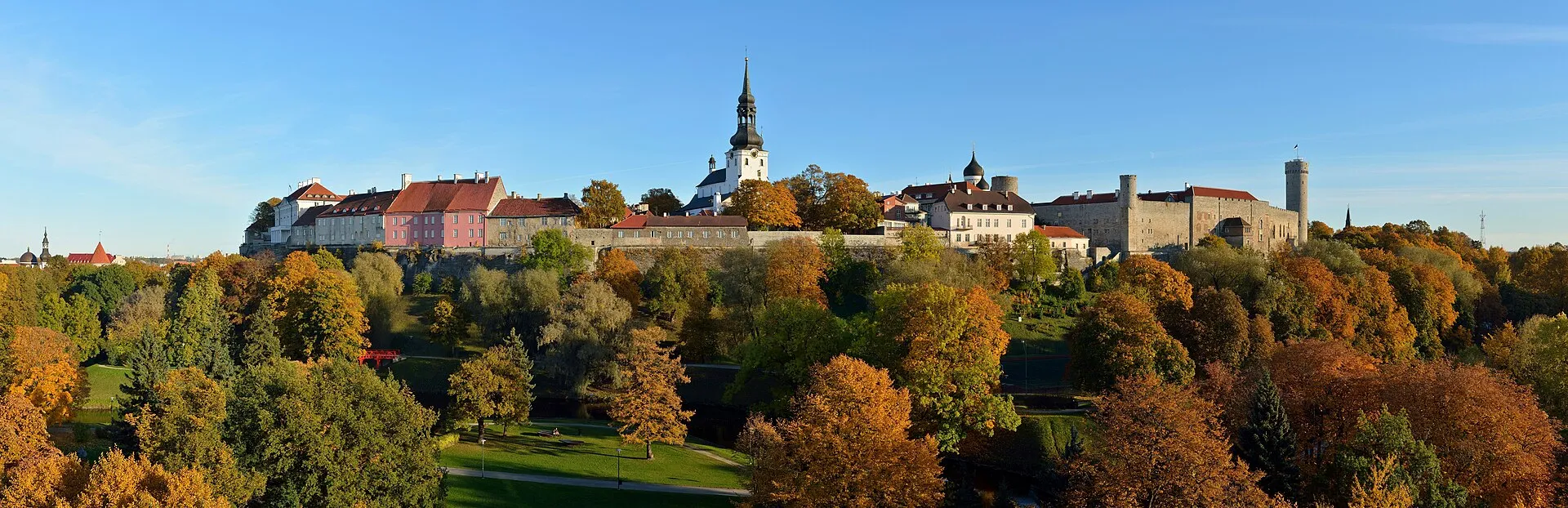
 Tallinn
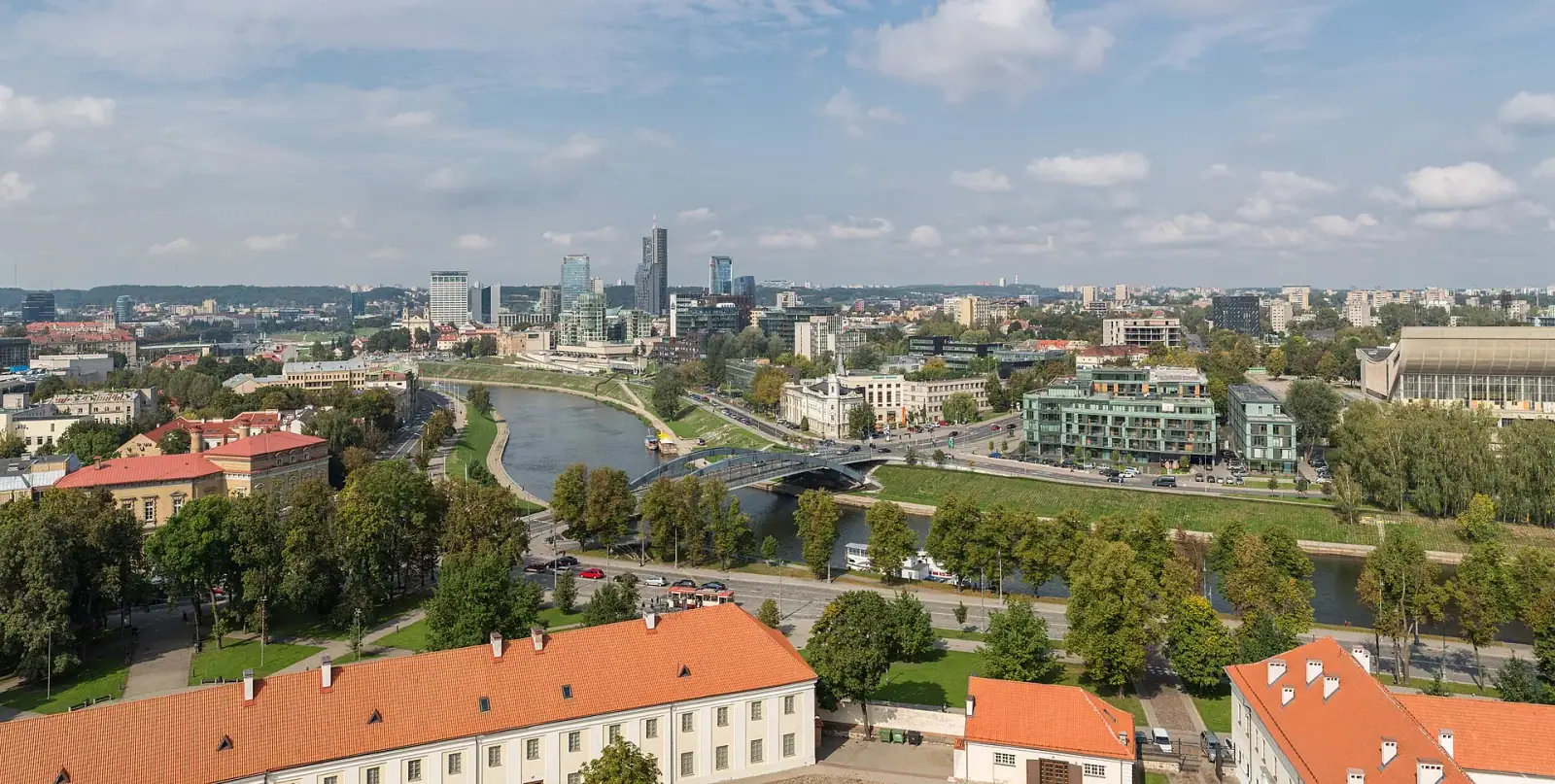
 Vilnius
Kalamaja is Estonian for "fish house". Žvėrynas is Lithuanian for "the menagerie". Both are wooden-house neighbourhoods just outside the old centre of a Baltic capital, and both have become desirable addresses. If you want a short way to understand how Tallinn and Vilnius differ, those two names will do it: one place was built around work on the sea, the other around a duke's hunting.
From the 14th century, the people of Kalamaja were fishers, fishmongers and boat builders on the coast northwest of the walls. In 1870 the railway to St Petersburg arrived, factories sprang up around Balti jaam, and the workers were housed in the colourful timber buildings that give the district its looks today. The factories have since been turned over to a new trade. Telliskivi Creative City fills a former railway works with about 300 companies, a dozen restaurants and the Fotografiska gallery, and the old rail embankment became a walking route called the Culture Kilometre. Walk it to the sea and you reach the Seaplane Harbour and Patarei, a sea fortress turned prison.
Skype and Bolt started here. Ferries to Helsinki, 83 kilometres away, take from about two hours and sail several times a day, so a client meeting in Finland is a day trip with a sea view. Kalamaja is also the easy answer to where to live, because the cafés, the coworking and the crowd you came for are all a short walk away.
Žvėrynas began as a forest reserve under Grand Duke Vytautas, then became a private hunting ground of the Radziwiłł family, who kept wild animals there. The Neris wraps around it on three sides. In the 1890s it turned into a resort, and over a hundred wooden cottages and villas from that time survive among embassies, an Orthodox church, and the city's only Karaite kenesa. Across a footbridge lies Vingis Park, where some 30,000 singers and dancers gather for the national song festival every four years.
And that is Vilnius more generally: inland, leafy and in no hurry. Green space covers nearly 69 percent of the city, a remarkable figure for a capital of over 600,000, which is also a good deal bigger than Tallinn at around 450,000. The difference from Kalamaja is that Žvėrynas is too quiet for a newcomer. It has little dining and calm evenings, so you would do better in the baroque Old Town or across the Vilnia in Užupis, and save the villas for year two. Fintech has brought plenty of young professionals here too.
What the names leave out
Darkness, for one. At the winter solstice Tallinn gets a little over six hours of daylight, and Vilnius, about five degrees further south, gets about an hour more. An hour matters more than you would think in December. Going south buys you nothing on cold: Vilnius averages -3.9°C in January, about what Tallinn manages in February.
The border is another. Vilnius sits close to Belarus, and in late 2025 its airport was shut on several occasions by balloons carrying smuggled cigarettes over the frontier.
Money and permission
Our estimate for a comfortable month is around $2,400 in Tallinn and around $1,800 in Vilnius, and that $600 is the strongest argument Vilnius has. Tallinn's public transport is free, though only for registered residents, so a short stay gets no benefit. If you are from outside the EU, Estonia has a route in: its digital nomad visa runs for a year, but it asks for about $5,180 a month net, across each of the six months before you apply. That is more than twice what we think you need to live there, which tells you who the visa is meant for.
If your business touches Finland or you need salt air to think, pay for Tallinn and take the fish house. Everyone else should begin in Vilnius, for the savings, the trees and that extra hour of December light.
 United States
 United Kingdom
 Germany
 Canada
 Australia
 India