 Florianópolis
You have probably heard two warnings by now: São Paulo will take your phone, and Florianópolis will bore you by June. The budgets are nearly identical, so you cannot use money to break the tie. Take the warnings one at a time.
Will São Paulo really take my phone?
There is a fair chance, if you are careless, and less chance than there used to be. The city recorded 26,758 phone robberies in the first half of 2026, down almost 15% on a year earlier, and that is still a phone taken by force about every ten minutes. Here is the part to think about before you pick a flat: Pinheiros, one of the areas foreign workers most like, went against the trend, with phone crime up over 20%. It is a lovely place to live, full of bars and restaurants, and thieves know who is looking at a map on the pavement.
So you adapt. Walk with the phone away, step inside a shop to call your ride, carry an old handset and keep your banking apps off it. If you know that you cannot keep that up, or the idea of it spoils your evening, you have your answer.
Florianópolis asks far less of you. It is calmer than most big Brazilian cities.
Will Florianópolis really bore me?
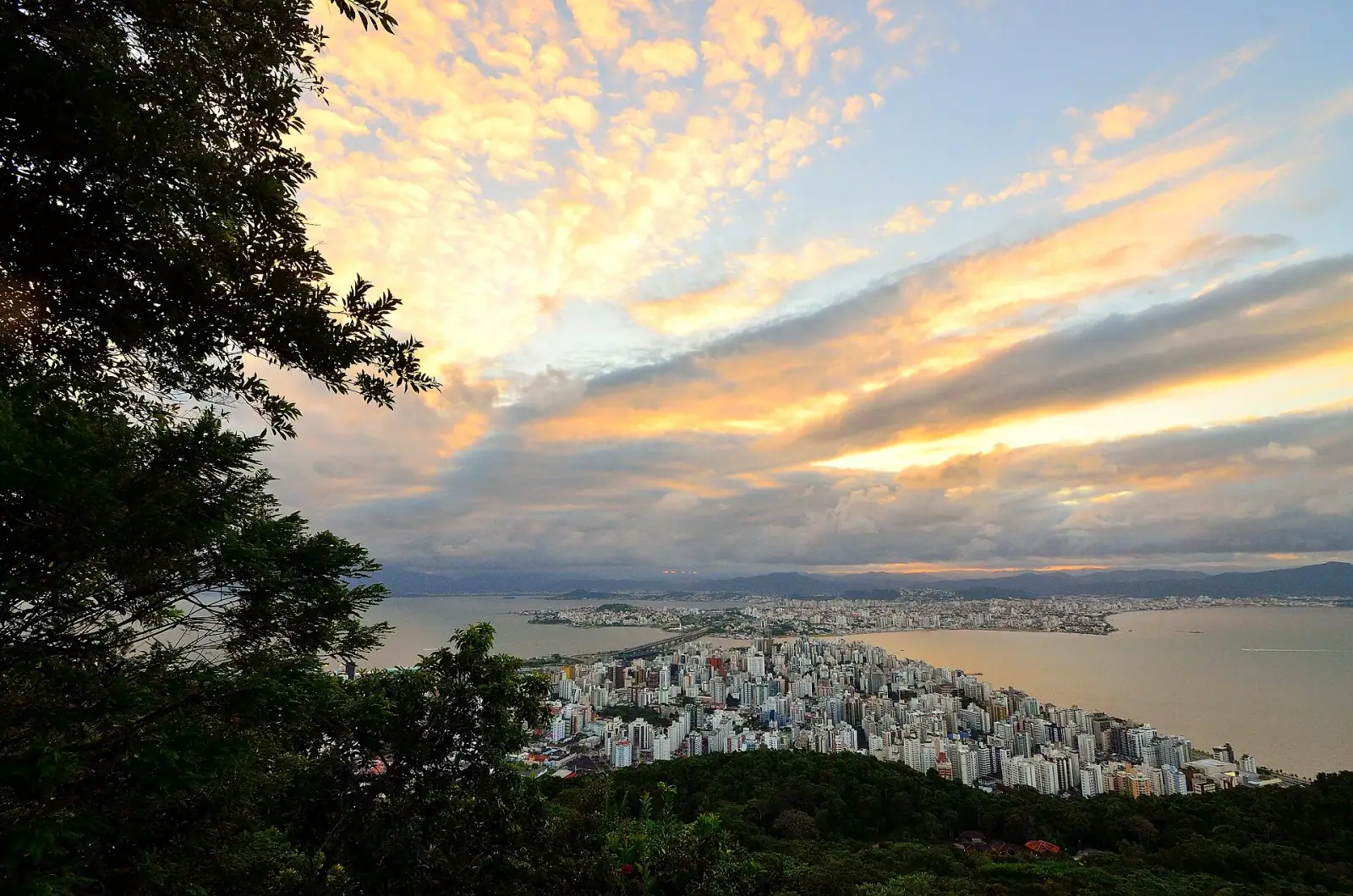
That depends on the calendar. From December to March you will be fighting for space on the island: Brazilians on holiday, full beaches, and a jam from the Lagoa hill to the end of Avenida das Rendeiras. From April to August it is at its most workable and very much quieter, with days of 18 to 26°C, and you can have a beach like Joaquina or Praia Mole mostly to yourself and to the surfers who go there in any weather. If you need company on a Tuesday in July, there is a real tech community to find you, and in Ribeirão da Ilha you can walk past rows of houses left by Azorean settlers and eat oysters in the district that farms more of them than any other in Brazil.
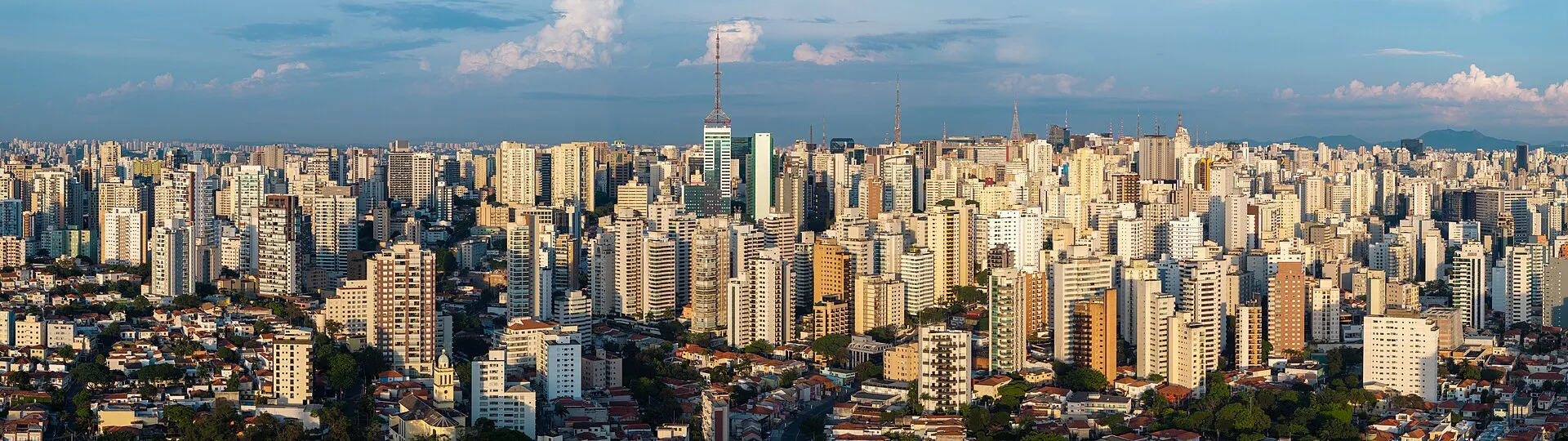
What you will miss after three months is scale. The city has about half a million people, and you will start recognising them. São Paulo has almost twelve million. You could spend every Sunday for a year on Avenida Paulista and at the antique fair under the raised floor of MASP, or eat your way through Liberdade, in the city that counts itself home to the world's largest Japanese diaspora, and you would not exhaust it. You would also make the kind of work contacts that a small island cannot offer. If your job relies on meeting people face to face, this is decisive.
Can I have both?
Yes, and we think that is the actual solution. The two are joined by frequent flights on Gol and LATAM to both Congonhas and Guarulhos, taking about 90 minutes. Live on the island and use São Paulo the way you might use a business trip. Stay a week in Pinheiros every month or two, with your phone in your bag, then come back.
Money does not stand in the way. We put Florianópolis at around $2,000 a month and São Paulo a touch higher at $2,200, a gap small enough to spend on the flights. Budget for rides on the island, because it is long and the buses are slow.
The one practical trap is summer. Brazil's biggest holiday months push up the island's prices and fill its roads just as São Paulo gets its heaviest rain. Do not sign a lease on the island in December. Arrive in April, when the crowds have left after Carnival and rents have dropped, and stay through August. If the big city still pulls at you after that, try its dry months of June to August the following year. A tourist stay will not cover all this, so read up on the digital nomad visa, which asks for $1,500 a month of foreign income or $18,000 in savings, on our nomad visa page.
Book the island first. A month will tell you if it bores you, and São Paulo will still be there, about an hour and a half away.
 United States
 United Kingdom
 Germany
 Canada
 Australia
 India