Cost of Living in Paraty
Where this figure comes from. No cost survey covers Paraty, so the $1,000 a month above is our own estimate rather than a measurement. On 416 of our 999 city guides the figure is built from a published Numbeo basket, a one-bedroom rent in the centre plus one person's monthly costs without rent, converted to USD; this city is not one of them. How we source everything.
Paraty is an affordable base by Western standards, though prices climb sharply in the Brazilian summer and on holidays when tourists arrive. A modest monthly budget of roughly $800 to $1,300 is realistic for a longer-stay nomad who cooks at home and avoids the priciest waterfront restaurants. Rents are lower than in Rio or Sao Paulo, but the small size of the town limits choice, and short-term holiday lets can cost far more than a monthly deal negotiated directly. Boat trips, tours and imported goods add up quickly, so the biggest savings come from living like a resident rather than a visitor. Something structural shapes the rental market here. The historic centre floods on the highest tides by design, because the streets were built to let the sea in and wash them, so ground-floor storage is not a thing and the cheapest rooms in the old town are the ones that deal with water several times a month. Landlords know this and price accordingly. Outside the centre, in the newer neighbourhoods up the hill, the same money buys twice the space and a dry floor. Also budget for boats, since almost everything worth doing here involves one.
- Monthly budget: roughly $800 to $1,300 for a longer stay.
- Rent is cheaper than Rio or Sao Paulo, but choice is limited in a small town.
- Cooking at home and shopping at local markets cuts costs sharply.
- Boat tours, waterfront dining and holiday-season lets are the main budget-busters.
Where to Work in Paraty
Paraty has no dedicated coworking scene to speak of, so most remote workers set up in their accommodation or in one of the town's cafes and pousadas. Internet is generally adequate for email, browsing and standard calls, but it can be modest and occasionally patchy, so a Brazilian mobile SIM with a data plan is a sensible backup for video meetings. Cafes around the old town and along the newer streets offer pleasant spots for a few hours of work, though the historic centre's charm and foot traffic can be distracting. The clock is the quiet advantage here. This coast sits three hours behind Greenwich, so a European afternoon falls in your morning and an American morning in your midday, which means both markets are reachable inside one ordinary working day and very few places manage that. The local constraint is different: the old town has no vehicles and thick colonial walls, so a router on the far side of a house is a dead zone, and the humidity is hard on equipment left out. A dehumidifier bag in the laptop case is a cheap habit here.
Getting Around Paraty
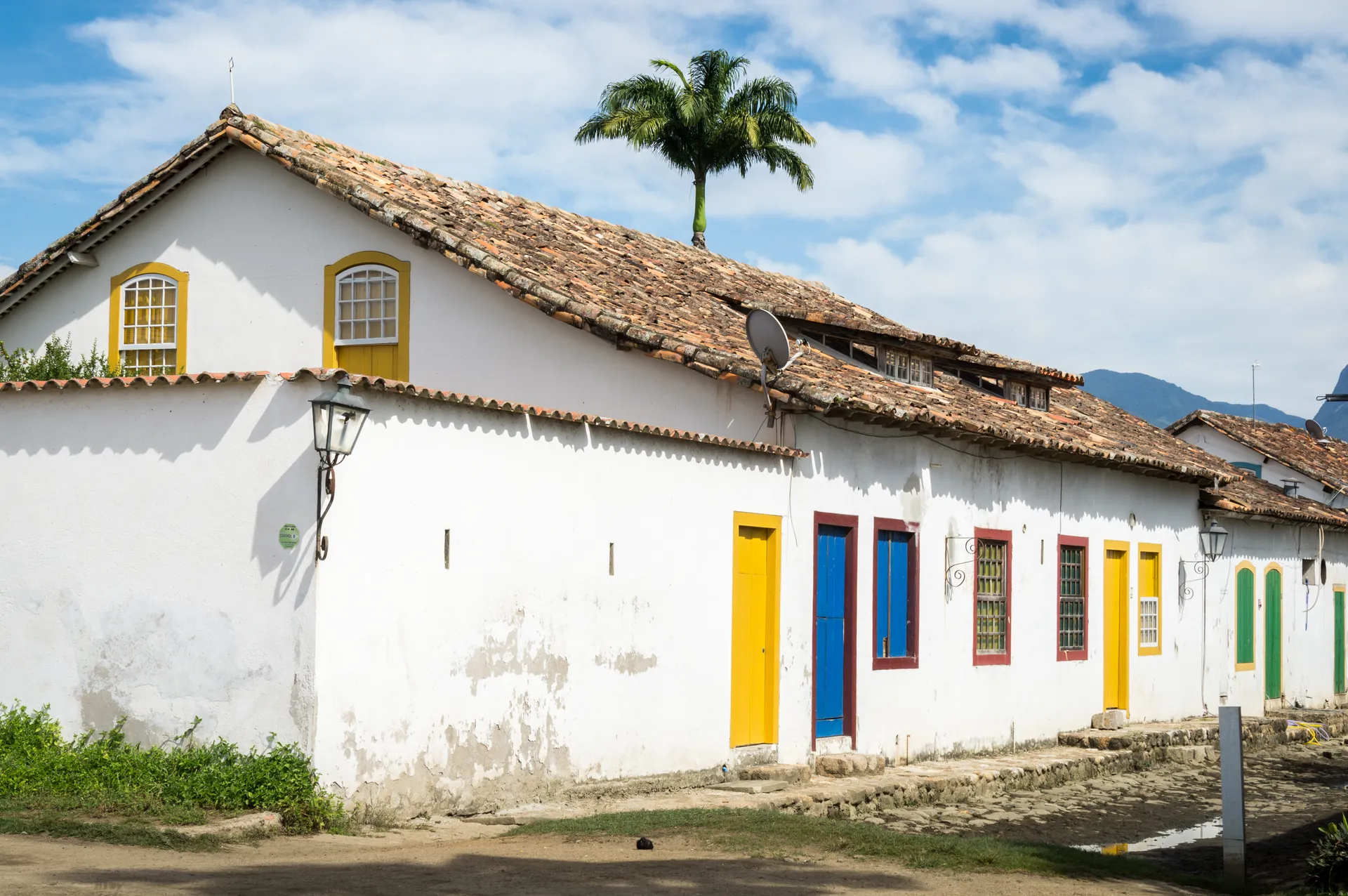
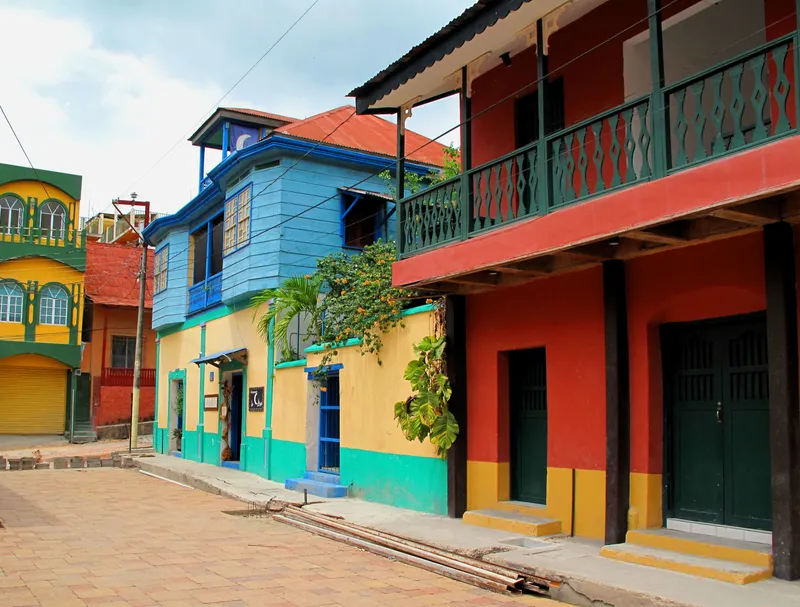
The UNESCO old town is compact and entirely walkable, which is just as well because its irregular pe de moleque cobblestones and the famous tidal flooding make cars impractical there. Bring comfortable, sturdy shoes and expect uneven footing. Beyond the centre, the wider town spreads along the coast, and buses or taxis connect the outlying beaches and neighbourhoods. Many of Paraty's greatest attractions, the dozens of islands and quiet beaches, are reached only by boat, so schooner tours and water taxis are part of daily life. Inland waterfalls and cachaca distilleries usually require a car, a tour or a bus along the mountain road. The mountain road inland deserves a warning of its own. It climbs from sea level into the range in a series of hairpins, it is frequently in cloud, and landslides close it after heavy rain, which happens several times a season; the bus takes it slowly for a reason. Anyone driving it should do so in daylight. On the water, the schooner tours all leave at roughly the same hour and visit roughly the same four stops; hiring a small boat with a local skipper for the day costs about the same split between four people and goes where you ask.
Sorting transport? Book an airport transfer, or compare car rental on Auto Europe and QEEQ.
Visas for Paraty
Paraty follows Brazil's national entry rules, so there is nothing town-specific to arrange. Many nationalities, including most Europeans, receive 90 days on arrival as tourists, and this can often be extended for a further period through the Federal Police, taking the total towards 180 days in a year. Brazil also offers a digital-nomad visa for longer stays, which requires proof of remote income and is arranged through a consulate. For most short and medium visits, the standard tourist entry is the simplest and most common route. A health requirement is specific to this stretch of coast. The Atlantic forest behind the town is within the area where yellow fever vaccination is recommended, and although nothing is checked on arrival from most countries, some onward destinations will ask for the certificate if you have been here. The vaccine takes ten days to become effective, so it is a decision for before the flight rather than after. On the paperwork itself, an extension has to be requested while the first period is still running, and the office that handles it is in the larger town along the coast rather than here.
Best Time to Visit Paraty
Paraty has a hot, very wet tropical climate, so timing matters. The Brazilian summer, roughly December to March, brings the warmest seas and liveliest atmosphere, but also the heaviest rain, the biggest crowds and the highest prices. The cooler, drier months from around April to September are more comfortable for walking and exploring, with fewer tourists and better value on accommodation. The famous FLIP literary festival draws a large crowd for a few days each year and books out the town well in advance. For a calmer, more affordable base, aim for the shoulder months and avoid Brazilian public holidays. The tidal flooding is predictable and worth planning around rather than fearing. It happens on the highest tides around the full and new moons, the water comes up through the streets for an hour or two and goes out again, and the locals call it the town washing itself. Tide tables are published, and the photographs everyone wants, of the church reflected in a flooded street, come from exactly those hours. On rainfall, this is one of the wettest stretches of the whole country, so a month in the wet season means rain most days rather than the occasional afternoon storm.
Pros and Cons of Paraty
Paraty is a genuinely beautiful and atmospheric place, but it is a small colonial tourist town rather than an established nomad hub, and that shapes the experience. The setting, culture and access to nature are outstanding, yet the practicalities of remote work, connectivity and a limited community are real trade-offs. As with anywhere in Brazil, take normal safety precautions, keep valuables discreet and stay aware at night. Weigh the scenery and slow pace against the lack of infrastructure before deciding whether it suits a working stay or a shorter, restorative visit. The history under this town explains the architecture and is usually left out of the description. This was the port through which the gold of the interior left for Portugal, carried down that mountain road by enslaved people, and the wealth that built the churches and the merchant houses came from that trade and from the sugar and cachaca that followed it. The town was then bypassed and forgotten for a century and a half, which is precisely why it survives intact. A visitor who knows that reads the same streets differently, and it is a better reason to walk them than the postcard is.
- Pros: stunning UNESCO old town, rainforest, islands and beaches; rich culture and festivals; affordable; safe and walkable centre; relaxed pace.
- Cons: modest and sometimes patchy internet; no real coworking or big nomad community; limited English; very rainy; touristy and pricier in high season.
Who Paraty Is For
Paraty suits the nomad who prizes scenery, culture and calm over nightlife, networking and fast infrastructure. It is a wonderful base for anyone drawn to Atlantic rainforest, island-hopping by boat, waterfalls, colonial architecture and a slower creative rhythm, and it rewards those happy to speak a little Portuguese. It is a poor fit if you need a buzzing coworking scene, a large ready-made community, a lively bar culture or rock-solid connectivity for constant video calls. Think of Paraty as a scenic nature-and-culture retreat rather than a productivity hub, ideal for a focused, restorative stint rather than a long-term big-city replacement. About two months is right, taken between April and September when the rain eases and the crowds thin. Take a place outside the historic centre and walk in, which costs less, stays dry and is quieter at night when the bars in the old town are going. Pick up enough Portuguese to negotiate a boat and a rent, because both are done in person here and neither happens in English. And treat the literary festival week either as the reason to come or as the week to be elsewhere; the town has no middle setting for it.