Cost of Living in Stavanger
Real market data
Source: Numbeo · August 2026
$2,850/moSolo nomad1-bed centre + living costs
$3,780/moCoupleshared 1-bed + costs
$2,530/moLean / localcheaper area + costs
- 1-bed rent, city centre$1,690kr16,025
- 1-bed rent, outside centre$1,370kr13,029
- Monthly costs excl. rent (1 person)$1,160kr11,035
- Meal, inexpensive restaurant$25kr239
- Monthly transit pass$82kr780
- Buy price, per m² (centre)$6,170kr58,609
Prices are from Numbeo (August 2026), converted to USD at $1 = kr9.49 (01 Aug 2026). The monthly living-costs figure is our transparent one-person basket, groceries, a few meals out, utilities, phone, internet, transport and essentials, priced from those figures. Solo adds central rent; couple and lean are estimates from the same numbers. The guide below quotes its own monthly range, which is a different measurement rather than a competing one: this table prices a defined basket at the figures above, while that range is a judgement about how somebody actually lives here.
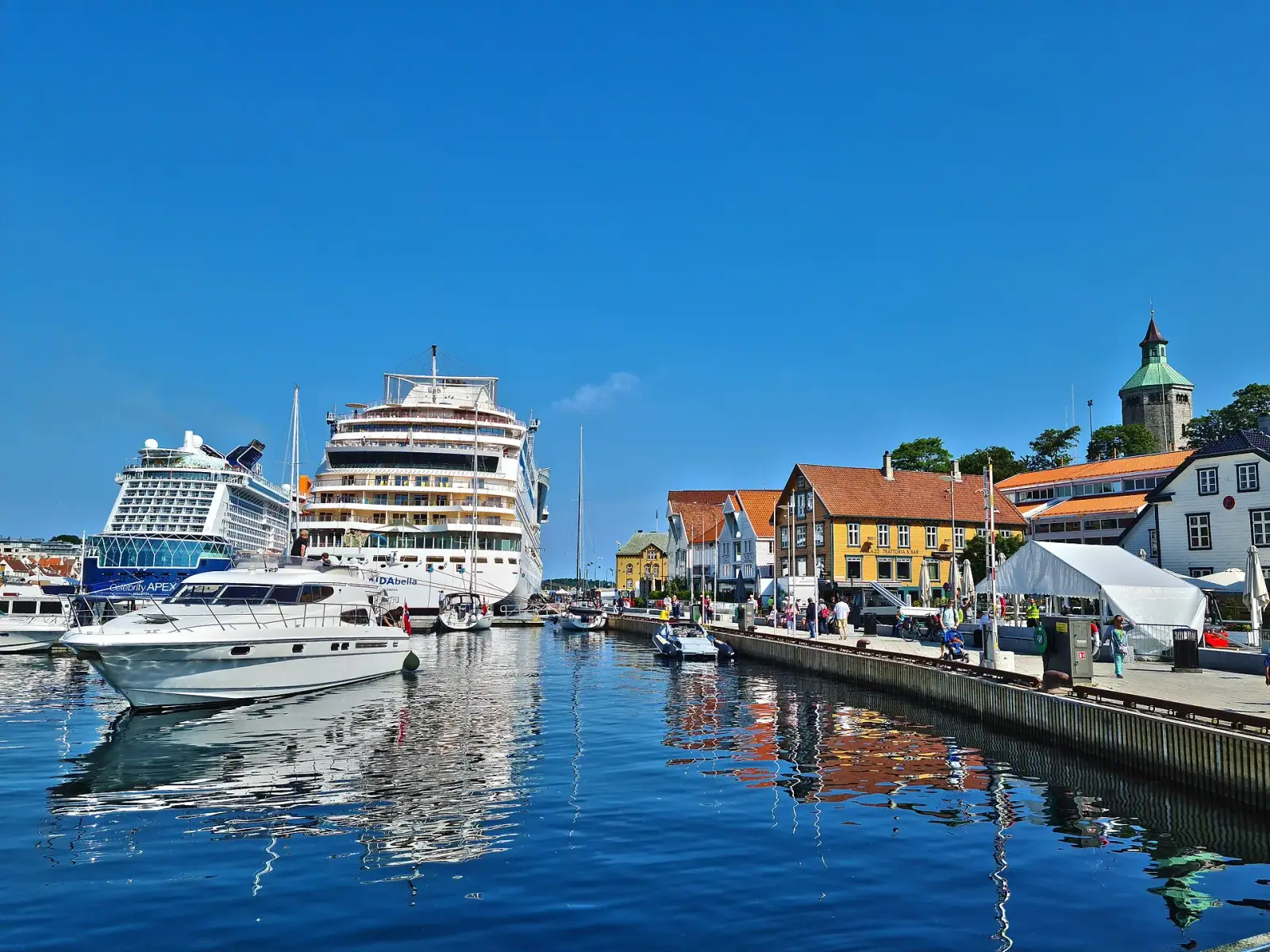
Stavanger is one of Norway's most expensive cities, driven by its oil industry wealth. Budget carefully: this is not a budget nomad destination.
Monthly breakdown (approximate):
- Rent, 1-bedroom central (Stavanger sentrum, Nedre Strandgate area): $1,370-1,900
- Rent, 1-bedroom cheaper area (Storhaug, Hinna, or suburbs): $1,000-1,260
- Groceries (cooking most meals): $370-525
- Eating out, inexpensive restaurant: roughly $29 per meal; a sit-down dinner for two at a mid-range spot runs $105-125
- Coworking hot-desk: $265-420/month depending on the space
- Local transport (bus pass): $63-84/month
- Utilities (electricity, water, heating for a 50m2 flat): $160-265/month; electricity runs high in winter
Realistic monthly total: $2,320-3,690, depending on how much you cook and whether you take a cheaper area flat. You can survive leaner, but Stavanger does not reward it the way Southeast Asian or Eastern European cities do.
Where to Work
Stavanger has a small but functional coworking scene, shaped by its oil-and-gas corporate culture more than a freelance community.
Innovation Dock on the waterfront is the most well-known space: 3,500 m2 of desks, meeting rooms, and sea views, with symmetrical fibre. It attracts startups and energy-sector companies, so the community tilts corporate rather than nomadic. Innoasis in the city centre is Norway's smart-city innovation hub; flex desk membership runs $420/month and the space is open and professional. Spaces has a commercial location in the city centre with the typical international coworking formula.
Cafe work is possible but not the norm. Coffeeberry in the centre is the clearest laptop-friendly option, with free WiFi and power outlets. Cafe Sting, perched by the Valberg tower, is atmospheric and a local favourite, though it is more social than work-focused.
Mobile data (4G/5G) is excellent and consistent across the city centre and suburbs. Fixed broadband in apartments is fast, and Innovation Dock runs symmetrical fibre. You will not have connectivity problems in Stavanger.
Getting Around
The city centre is compact and walkable. The historic wooden-house district (Gamle Stavanger), the harbour, the main shopping street, and most restaurants are within 15 minutes on foot of each other. You do not need a car to live and work in the centre.
Buses are operated by Kolumbus and cover the greater city well. A monthly bus pass costs roughly $68. The network connects Stavanger to Sandnes and the broader Jæren region. Trams do not exist here; buses and ferries are the public transport backbone.
Getting to and from the airport: Stavanger Airport Sola is 14 km southwest of the city. The Flybussen airport express departs every 20 minutes and takes around 25-30 minutes to the city centre; a single ticket costs about $19 online. The cheaper public bus route (bus 42 toward Sandnes, then X30) takes about 65 minutes and costs the standard fare. Taxis run $53 or more ($47+), higher on evenings and weekends.
Sorting transport? Book an airport transfer, or compare car rental on Auto Europe and QEEQ.
Visas and Staying Long-Term
Norway is part of the Schengen Area. Most Western passport holders (US, UK, Canada, Australia, EU) can enter visa-free and stay up to 90 days within any 180-day period. There is no general tourist extension available; once your 90 days are up, you must leave the Schengen zone.
Norway does not offer a mainstream "digital nomad visa" of the type you find in Portugal or Estonia. The nearest thing, the independent-contractor permit, is for a self-employed person established abroad who holds a contract with a client for a time-limited assignment in Norway, at no less than the skilled-worker wage requirement. It is tied to that contract, runs to six years in total at most and never leads to permanent residence.
UK nationals post-Brexit are subject to the same 90/180 Schengen rule. EU/EEA citizens can live and work freely.
Best Time to Visit
For remote work combined with quality of life, June through August is the clear sweet spot. Temperatures sit in the 15-20 degrees C range (59-68 F), days are extremely long (near-midnight dusk in June), and outdoor activities are accessible. June is typically the driest month. Crowds arrive in July, but Stavanger does not feel overwhelmed the way tourist-heavy cities do.
September and early October are a strong second choice: the summer crowds thin out, the landscape shifts to autumn colours, and the weather stays mild enough for day trips to the Lysefjord and Preikestolen.
Winter (November through February) is dark, wet, and rainy more than snowy. Temperatures hover just above freezing, and the short daylight hours can affect productivity and mood. It is manageable, but you need to prepare mentally for a grey and damp few months. The upside: accommodation is cheaper and the city feels quieter.
Spring (March to May) brings gradually improving light and temperatures, but rain persists and the hiking season has not yet opened fully. It is a reasonable time to visit if you prioritise lower prices and fewer tourists.
Pros and Cons
- Excellent internet and infrastructure throughout the city
- Very safe, with low crime and a relaxed, orderly environment
- Outstanding nature access: Preikestolen, Kjeragbolten, and Lysefjord are nearby
- High English fluency among locals; you will rarely struggle to communicate
- Clean, well-maintained city with good air quality and a compact, walkable centre
- Strong food scene, including Michelin-starred restaurants and a genuine seafood market culture
- Very high cost of living; one of the most expensive cities in Europe
- Small international nomad community; you will mostly meet oil-industry expats rather than other remote workers
- No official digital nomad visa; the 90-day Schengen cap applies to most non-EU passports
- Dark, rainy winters that can drag on from October through March
- Limited coworking variety; options are functional but few, and skew corporate
- Nightlife is modest for a city of its size; most venues close early by European standards
Who Stavanger Is Best For
Stavanger suits remote workers who prioritise safety, clean infrastructure, and extraordinary weekend hiking over cost or a buzzing nomad scene. If you want to spend your evenings in a fjord kayak or your weekends hiking to Preikestolen, and you can handle Norwegian prices without flinching, Stavanger delivers a genuinely high quality of life. EU and EEA passport holders with no Schengen restriction get the most value here since they can stay as long as they want. It also works well as a short anchor point: fly in, work solidly for 6-8 weeks, explore the region, then move on before the 90-day clock runs out.
Skip Stavanger if you are watching your budget closely, if you need a large community of fellow nomads for networking or social life, or if you are a non-EU passport holder wanting to stay more than 90 days without pursuing a formal work permit. It is also a poor fit if you need a warm climate or dislike grey, rainy weather for months at a time.