Cost of Living in Glasgow
Real market data
Source: Numbeo · August 2026
$2,370/moSolo nomad1-bed centre + living costs
$3,200/moCoupleshared 1-bed + costs
$2,080/moLean / localcheaper area + costs
- 1-bed rent, city centre$1,330£990
- 1-bed rent, outside centre$1,050£778
- Monthly costs excl. rent (1 person)$1,040£771
- Meal, inexpensive restaurant$23£17
- Monthly transit pass$100£77
- Buy price, per m² (centre)$4,140£3,076
Prices are from Numbeo (August 2026), converted to USD at $1 = £0.74 (01 Aug 2026). The monthly living-costs figure is our transparent one-person basket, groceries, a few meals out, utilities, phone, internet, transport and essentials, priced from those figures. Solo adds central rent; couple and lean are estimates from the same numbers. The guide below quotes its own monthly range, which is a different measurement rather than a competing one: this table prices a defined basket at the figures above, while that range is a judgement about how somebody actually lives here.
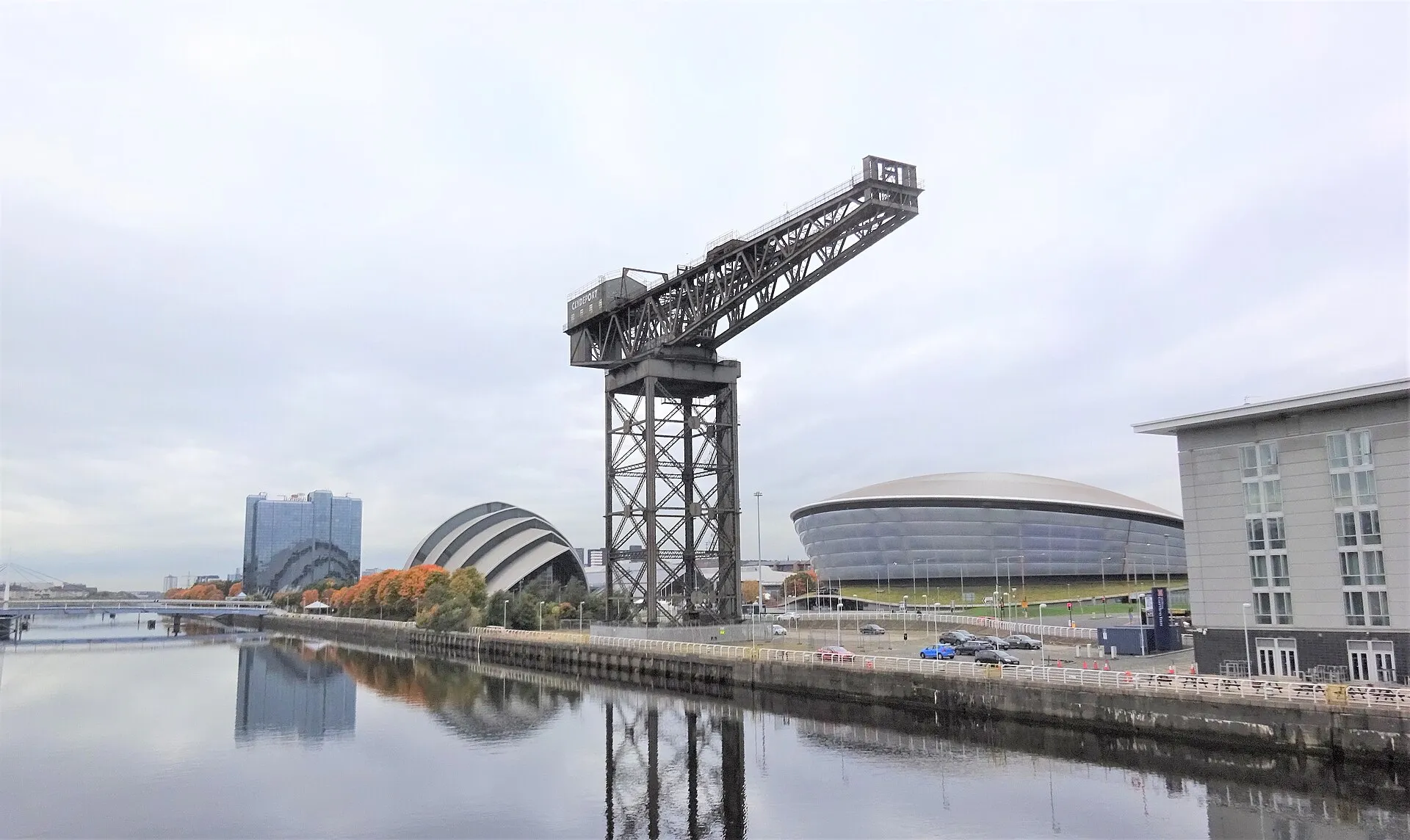
Glasgow is the most affordable of the UK's major cities for remote workers. Rent is the biggest variable: a one-bedroom flat in the city centre (Merchant City, Finnieston, Charing Cross) typically runs $1,200-1,450 per month. Move to the West End residential streets or the Southside and you can find similar space for $870-1,050 per month.
Here is a realistic monthly budget for a solo nomad:
- Rent, 1-bed city centre: $1,200-1,450
- Rent, 1-bed cheaper area (e.g. Southside): $870-1,050
- Groceries (cooking most meals): $270-370
- Eating out (2-3 times per week): $200-330
- Coworking hot-desk (monthly): $130-300
- Local transport (subway + bus monthly pass): $93
- Utilities (if not included in rent): $130-200
- Total range (all-in, city centre): approximately $2,050-2,750 per month
- Total range (all-in, cheaper area): approximately $1,700-2,350 per month
Alcohol is a notable expense if you enjoy the pub culture. A pint costs $6-8 in most bars. Dinner for two at a mid-range restaurant runs around $73-93.
Where to Work
Glasgow has a solid coworking scene for a city its size. Clockwise on Renfrew Street is the most polished option: day passes cost $27, hot-desks are available month-to-month, and there is a 5,000 sq ft roof terrace and an on-site cafe. Collabor8te on Montrose Street in the city centre is a community-focused space with fast fibre WiFi, meeting rooms, phone booths, and daily coffee and snacks included. West End Coworking on Ruthven Lane off Byres Road offers 24/7 access starting at $170 per month for two days per week, making it ideal if you want to be close to the West End's cafes and park. Our HQ on Fairley Street is the most affordable entry point at around $31 per week for a hot-desk.
Cafe working is genuinely viable in Glasgow. Tinderbox Espresso Bar has multiple branches with reliable free WiFi, ample power sockets, and a culture that tolerates laptop workers. The West End in particular has many independent cafes along Byres Road and Great Western Road where nobody will rush you out.
WiFi speeds are strong across the city. Home broadband and coworking connections are fast, and even most cafes hold up well. Mobile coverage is good on all major UK networks; Vodafone and EE give the best 4G and 5G reach.
Getting Around
Glasgow is more walkable than its reputation suggests. The city centre, Merchant City, and Finnieston are all within comfortable walking distance of each other. The West End is a separate cluster about 20 minutes on foot from the centre, or two stops on the Subway, which locals call the Clockwork Orange. The Subway is a small circular line but covers the city centre, the West End, and parts of the Southside efficiently, running every 4 minutes at peak times. A monthly Subway pass costs around $77.
Buses fill in the gaps and are the main way to reach areas the Subway does not serve. The FirstBus app is the practical tool for planning routes.
Glasgow Airport (GLA) is 15 minutes from the city centre by the Glasgow Airport Express bus, which runs every 10 minutes around the clock for $10 per trip. There is no direct train from the airport terminal itself; the nearby Paisley Gilmour Street station requires a short connecting bus. For budget flights to Europe, Ryanair operates from Glasgow Prestwick (PIK), 30 miles south, reachable by train in about 45 minutes.
Sorting transport? Book an airport transfer, or compare car rental on Auto Europe and QEEQ.
Visas and Staying Long-Term
The UK does not currently offer a dedicated digital nomad visa. However, since December 2023 the Home Office rules explicitly permit visitors to do remote work for overseas employers while in the UK, provided remote work is not the primary purpose of the visit.
Citizens of the EU, USA, Canada, Australia, New Zealand, and many other countries can enter the UK visa-free for up to six months. As of April 2025, most of these nationalities need a UK Electronic Travel Authorisation (ETA) before arrival, which costs $27 and is straightforward to obtain online. EU and EEA nationals now need an ETA or a standard visitor visa.
There is no simple extension path once your six months are up. You would need to depart and re-enter, though this is not guaranteed. For longer-term options, the Youth Mobility Scheme visa is available to citizens of select countries (including Australia, Canada, New Zealand, and Japan) aged 18-30 (or 35 for some nationalities) and allows a two-year stay with the right to work.
Best Time to Visit
Glasgow has an oceanic climate: mild and extremely wet year-round. There is no dry season. The city averages around 170 rainy days per year and is considered the rainiest major city in the UK, so pack a waterproof jacket regardless of when you arrive.
The most comfortable window for remote work is May through September. Temperatures range from 13-20°C (55-68°F) in summer, evenings are long (daylight until 10 pm in June), and the city comes alive with festivals, outdoor events, and an energy that makes Glasgow very enjoyable. July and August are the peak tourist months, which means slightly busier cafes but also the best weather odds.
Winter (November through February) brings short days (dark by 4 pm), cold damp air, and persistent grey skies. Coworking spaces and pubs fill up, which is fine for productivity, but if natural light matters to your wellbeing this period is genuinely difficult. Spring (March-April) is unpredictable but can have bright clear days between the rain.
Pros and Cons
Pros
- Significantly cheaper than London or Edinburgh with a comparable urban quality of life
- Outstanding food scene, including Michelin-recognised restaurants and a buzzing neighbourhood dining culture in Finnieston
- Friendly, direct locals; Glaswegians are famously sociable and easy to talk to
- Strong arts and music culture with world-class venues and a calendar of free events
- Easy weekend access to Loch Lomond, the Highlands, and the Scottish coast
- English-speaking, no language barrier
- Solid coworking and cafe infrastructure; reliable fast internet
Cons
- The weather is relentlessly grey and wet; the lack of sun can affect mood over a longer stay
- No dedicated nomad visa; the six-month visitor cap applies
- The Glaswegian accent can be difficult to follow at first, particularly in casual speech
- Some city-centre and peripheral neighbourhoods have higher crime rates; street awareness is needed at night
- Winters are dark and cold, with very short daylight hours that can make productivity harder
- Flight connections to non-European destinations are limited compared to London
Who Glasgow Is Best For
Glasgow suits remote workers who want a real city with genuine culture, a great food and bar scene, and running costs well below London, without sacrificing urban amenities or English-language ease. You will thrive here if you appreciate music, art, independent restaurants, and the company of outspoken, warm locals. It is particularly well-suited to people on a UK working holiday visa or those already based in the UK who want a base outside London.
It is less suited to nomads chasing sunshine, warm winters, or long-stay flexibility: the six-month visitor cap and the unrelenting grey skies are real constraints. If seasonal affective disorder is a concern, or if you need more than six months without complication, consider spending only the summer months in Glasgow and combining it with a sunnier base elsewhere. Those seeking a beach, a tropical climate, or a low-cost Southeast Asian lifestyle will find Glasgow an expensive and climatically punishing contrast.