Cost of Living in Inverness
Real market data
Source: Numbeo · July 2026
$2,310/moSolo nomad1-bed centre + living costs
$3,100/moCoupleshared 1-bed + costs
$2,100/moLean / localcheaper area + costs
- 1-bed rent, city centre$1,330£988
- 1-bed rent, outside centre$1,110£825
- Monthly costs excl. rent (1 person)$990£733
- Meal, inexpensive restaurant$23£17
- Monthly transit pass$62£46
Prices are from Numbeo (July 2026), converted to USD at $1 = £0.74 (01 Aug 2026). The monthly living-costs figure is our transparent one-person basket, groceries, a few meals out, utilities, phone, internet, transport and essentials, priced from those figures. Solo adds central rent; couple and lean are estimates from the same numbers.
Budget around $2,310 a month. A one-bedroom runs roughly $700 to $1,100, and the market is tight because the Highlands have a genuine housing shortage made worse by short-term lets. Groceries cost a little more than the Scottish average, since everything comes up the A9. Eating out is moderate, with good local seafood, beef and game. Utilities are a serious cost given the winters, and rural Highland properties are often on oil or electric heating rather than gas, which is more expensive again. Council tax applies on top of rent. Delivery surcharges are a constant small irritation, since a great many retailers treat the Highlands as a separate shipping zone and either charge extra or decline to send at all, which is worth checking before ordering anything bulky. Rural fuel poverty is a policy problem here rather than a phrase, because off-gas properties heated by oil or electricity cost far more to warm than the mainland average. Short-term let licensing, brought in by the council, has begun returning some property to the long-term market after years of movement the other way.
Where to Work in Inverness
Connectivity is better than the Highlands' reputation suggests. Fibre reaches most of Inverness at good speeds and the Scottish Government's rural broadband programmes have extended coverage, though it thins quickly once you leave the city. Mobile coverage in Inverness is comprehensive and becomes patchy in the glens. Power is reliable, with occasional weather-related outages. There is a small coworking scene and a growing remote worker presence, since the Highlands have actively marketed themselves to people leaving cities. The time zone is GMT with British summer time. Anyone planning to work from a rural cottage should test the connection before committing, since coverage in the glens varies enormously and satellite is sometimes the only answer. The economy is narrower than a regional capital's usually is: healthcare, public administration, tourism, and the energy work around the Cromarty Firth, where the yards service offshore wind and the freeport designation is meant to build on it. The University of the Highlands and Islands is spread across campuses rather than concentrated here, a different shape from a normal university town. For a remote worker that thinness is no obstacle, though it does mean the professional network is small and almost entirely local.
Getting Around Inverness
Inverness is small and walkable, laid out along the River Ness with the castle above it, and covering the town on foot takes twenty minutes. Buses cover the city and the region, with Stagecoach running the Highland network. A car is close to essential for anything beyond the town, since the glens and the coast are where the interest is. Inverness Airport has flights to London, Amsterdam and several United Kingdom cities. The railway runs south to Edinburgh in three and a half hours and the Kyle line west to Skye is among the great scenic routes. The sleeper train from London arrives in the morning and is the civilised way in, running six nights a week. Driving north or west means single-track roads with passing places, and the etiquette around them, pulling in, waiting, acknowledging, is expected rather than optional. The A9 south has a long-running dualling programme still unfinished and average-speed cameras along its length. Winter tyres are not required by law, but the passes close in snow and the ferries to the isles cancel in wind, so a Highland itinerary needs slack in it.
Sorting transport? Book an airport transfer, or compare car rental on Auto Europe and QEEQ.
Visas for Inverness
Before flying to Inverness, most visitors who do not need a UK visa must hold an Electronic Travel Authorisation, which costs $27; nationals of visa countries apply for a standard visitor visa instead. Visitors may not work for a United Kingdom employer, though remote work for an overseas employer during a visit is permitted within limits. There is no digital nomad visa. Longer stays run through sponsored work visas, the Global Talent route or family categories. Scotland has argued for a distinct migration route to address rural depopulation, and it does not currently exist. Anyone working remotely for an overseas employer while visiting should read the current visitor rules carefully, since what is permitted is defined narrowly and has changed recently. The route that most often fits someone wanting a Highland year is the Youth Mobility Scheme, open to citizens of certain countries aged under thirty or thirty-five according to the agreement, allocated in part by ballot, and carrying an unrestricted right to work for two years. The seasonal worker route covers agriculture and, more recently, some hospitality, which is what staffs a good deal of the Highland summer. Irish citizens sit inside the Common Travel Area and need none of this at all.
Best Time to Visit Inverness
May to September is the season, with July around seventeen degrees, long days and the Highlands at their most accessible. Late May and early June are ideal: the days are long, the hills are green and the midges have not yet reached full strength, which they do from late June through August and which is a genuine consideration rather than a joke. September and October give autumn colour and clear air. Winter from November to March is dark and wet, with the northern lights occasionally visible on clear nights. Anyone walking between June and August should carry midge repellent and consider a head net, which locals use without embarrassment and which visitors usually buy on day two. Daylight swings hard at this latitude, from close to eighteen hours in June to under seven in December, and that does more to shape a winter here than the temperature does. Highland games run through the summer in towns across the region and are genuine community events rather than displays laid on for coaches. Aurora sightings are likeliest between September and March on clear nights away from the town's lights, and this is among the better parts of Britain for them.
Pros and Cons of Inverness
Inverness is the only real town in the Highlands and the way in to some of the best landscape in Europe: Loch Ness at the door, the Cairngorms an hour south, Skye and the west coast two hours away, and the North Coast 500 route starting from the town itself. It is safe, English-speaking and small enough to know quickly. The housing shortage, the weather and the midges all count against it, and the town is genuinely quiet, with a limited job market outside tourism, healthcare and public services of one kind or another. What the landscape hides is distance. Raigmore is the region's only major hospital, so an emergency from a remote glen can mean a long ambulance journey or a helicopter, and rural GP provision has thinned in places. The housing shortage carries a social edge as well, since holiday lets and second homes price out the people who staff the schools and the care homes, and that argument is live in every Highland community rather than confined to the council chamber. Gaelic is visible on the road signs and audible in the western isles, far less so in the town itself.
Who Inverness Is For
Hillwalkers, climbers, cyclists and anyone whose priority is being close to the Highlands rather than being in a city. It suits people who already work remotely and want a British base with landscape at the door, and the Highlands actively want incomers. It suits whisky people, since Speyside is an hour east. City amenities are not what a Highland town of sixty thousand provides, local work is scarce enough that arriving without a job already arranged is a poor plan, and the winter here is wet and dark for long enough to affect people who did not expect it to. Culloden is four miles east of the city. The 1746 battle fought there ended the Jacobite rising for good, and the visitor centre built beside the field is among the better ones anywhere in Britain. Anyone choosing a Highland base should weigh Aviemore for skiing with the Cairngorms at the door, Fort William for the west coast and the climbing, and this town for being the one place with a hospital, an airport and a supermarket that stays open. The schools are good and a family settles in quickly. A move is worth trialling in the dark half of the year rather than the light one, because the summer recruits people the winter then has to keep.
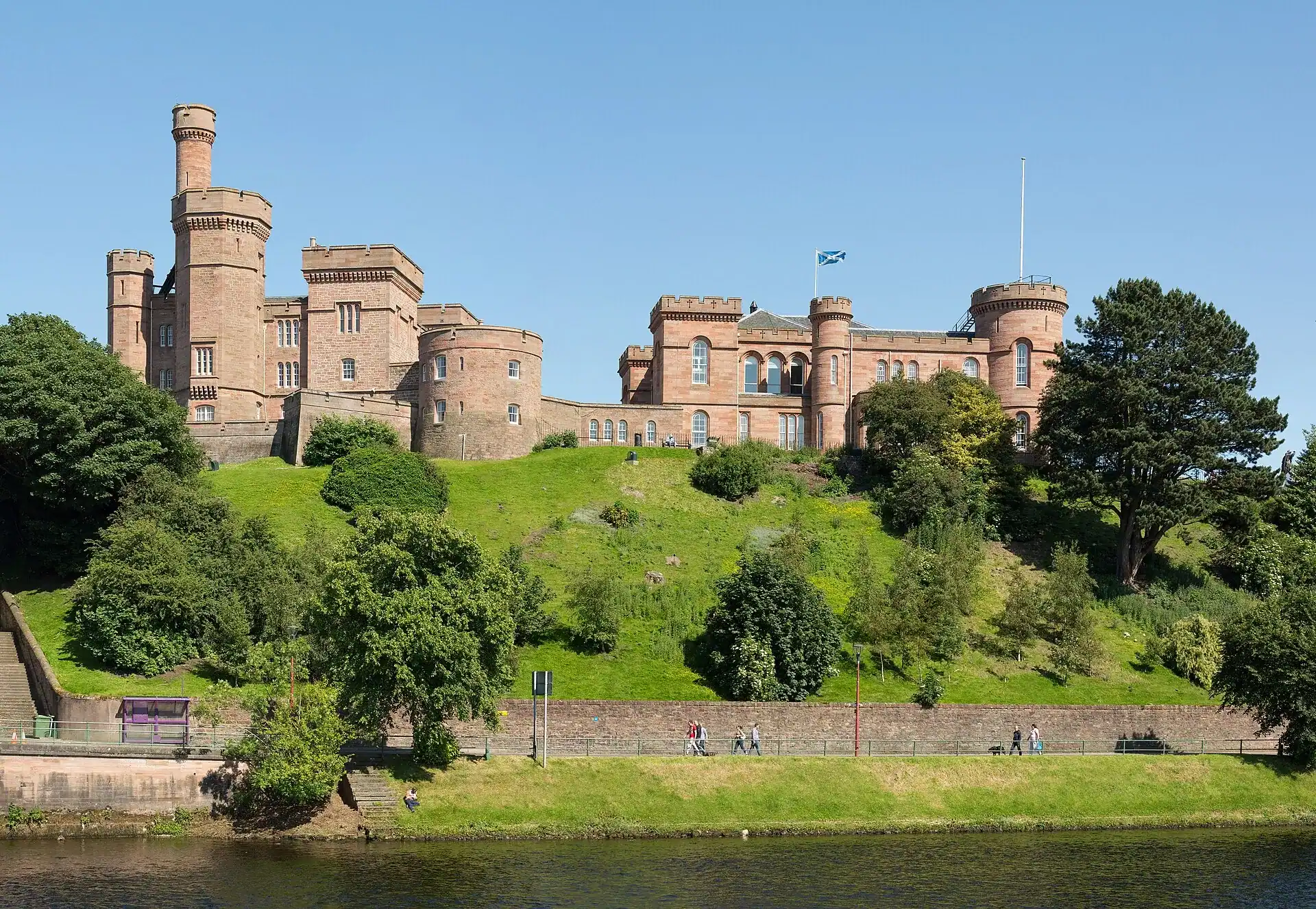 Photo: Diliff / Wikimedia Commons (CC BY-SA 3.0)