Cost of Living in Ouarzazate
Where this figure comes from. No cost survey covers Ouarzazate, so the $700 a month above is our own estimate rather than a measurement. On 416 of our 999 city guides the figure is built from a published Numbeo basket, a one-bedroom rent in the centre plus one person's monthly costs without rent, converted to USD; this city is not one of them. How we source everything.
Ouarzazate is one of the cheaper bases in Morocco, well below Marrakech or Essaouira and far below any European alternative. A simple one-bedroom apartment in town runs roughly $265 to $425 a month, and a larger place with a terrace or near the newer neighborhoods can push toward $535. Eating local is very affordable: a plate of tagine or a bowl of harira at a no-frills restaurant is $2.50-4.50, and a coffee at a cafe on Avenue Mohammed V is around $1-1.50. Cooking for yourself is cheap too, with the daily market and small grocers covering produce, bread, and spices for about $30 a week. Where costs creep up is imported goods, alcohol (sold only at a handful of licensed shops and hotel bars, at a real markup), and anything aimed at the tour-bus crowd near the kasbah and studios, where prices for tea, souvenirs, and guided visits are noticeably higher than elsewhere in town. All told, a modest nomad budget of about $700 a month covers rent, food, local transport, and some weekend trips out to Ait Benhaddou or the Draa valley, with room to spare compared to Morocco's bigger tourist cities.
Where to Work in Ouarzazate
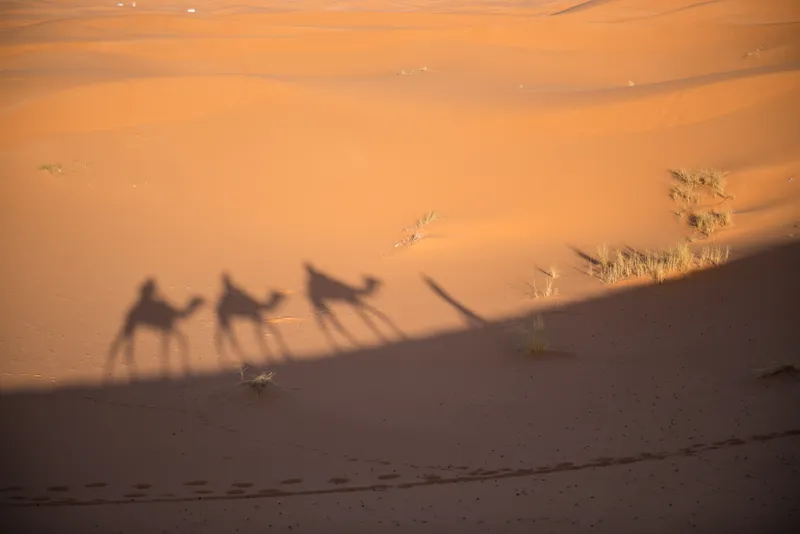
There is no dedicated coworking space here, so working life means cafes, riad terraces, and your own apartment. A few cafes along Avenue Mohammed V and near the Taourirt Kasbah have decent wifi and are used to people sitting for a couple of hours with a laptop, but do not expect fast fiber or a quiet, purpose-built work environment. Speeds are generally fine for email, browsing, and light video calls, but can dip during peak evening hours or when the town's connection has one of its periodic slow patches, so a backup 4G SIM (Maroc Telecom, Orange, or Inwi all have decent local coverage) is a sensible fallback for anything important. Some guesthouses and riads offer quieter work corners for guests, and a handful of hotels catering to the film industry have more reliable connections since production crews depend on them. If you need consistently strong internet for calls or uploads, treat Ouarzazate as a place to do focused solo work and save bandwidth-heavy tasks for Marrakech, a four-hour ride away. The upside is quiet: few distractions, a slow pace, and dramatic desert light that makes the terrace-with-a-laptop setup genuinely pleasant outside the summer heat.
Getting Around Ouarzazate
The town itself is small and walkable, with the kasbah, main avenue, and most cafes and shops within a 15 to 20 minute walk of each other. Petit taxis (small, shared or private within town) are cheap, usually well under a dollar for a hop across town, and useful once the heat sets in. For getting to Ouarzazate in the first place, most travelers come from Marrakech, either by CTM or Supratours bus (around 4 hours, roughly $8.50-11) or by shared grand taxi, both crossing the Tizi n Tichka pass through the High Atlas, a spectacular but winding mountain road. Ouarzazate also has a small airport (OZZ) with limited seasonal flights, mainly connecting to Casablanca, which can be worth it if the mountain crossing is not appealing. Getting to nearby sights like Ait Benhaddou (about 30 minutes) or the Draa valley oases and Skoura's palmery (30-60 minutes) is best done by grand taxi, a rented car, or a day tour, since there is no real public transit network beyond the town center. Renting a car gives the most flexibility for exploring the region at your own pace, and roads are generally in reasonable condition, though desert heat and occasional sandy stretches call for caution.
Sorting transport? Book an airport transfer, or compare car rental on Auto Europe and QEEQ.
Visas for Ouarzazate
Morocco is straightforward for most nomads: citizens of the US, UK, EU countries, Canada, and many others receive a 90-day visa-free stay on arrival, whether flying into Casablanca or Marrakech or entering elsewhere. There is no digital nomad visa in Morocco, so remote workers rely on this tourist entry, which is renewable in practice by leaving and re-entering (a quick trip to Spain via ferry from Tangier, or elsewhere, is a common reset for longer stays, though rules can tighten and border officers have discretion). Overstaying is taken seriously and can mean fines or complications on exit, so track your 90 days carefully if you plan to base yourself here for a while. Because Ouarzazate is a small town without a foreigners' registration office geared toward long-term expats, most people simply treat it as a stop within their 90-day Moroccan window rather than a place to pursue longer residency, though longer-term visa options do exist through immigration lawyers in Casablanca or Rabat for those who want to stay beyond tourist status.
Best Time to Visit Ouarzazate
Spring (March to May) and autumn (late September to November) are the clear sweet spots, with warm, mostly dry days in the 20-28C range and cool, comfortable nights, ideal for exploring the kasbah, the film studios, and day trips into the desert without punishing heat. Summer (June to August) is genuinely harsh, with daytime highs regularly above 40C and a dry, relentless sun that makes midday activity outside uncomfortable; if you come then, plan around early mornings and evenings. Winter (December to February) brings pleasant, sunny days but surprisingly cold desert nights, sometimes near freezing, since Ouarzazate sits at around 1,160 meters at the foot of the High Atlas, so pack layers even in a desert town. Water is generally scarce in the region, and the arid climate means very little rainfall year-round, so this is not a place to expect green landscapes, but a place valued for dramatic light, big skies, and dry heat that spikes hard in summer.
Pros and Cons of Ouarzazate
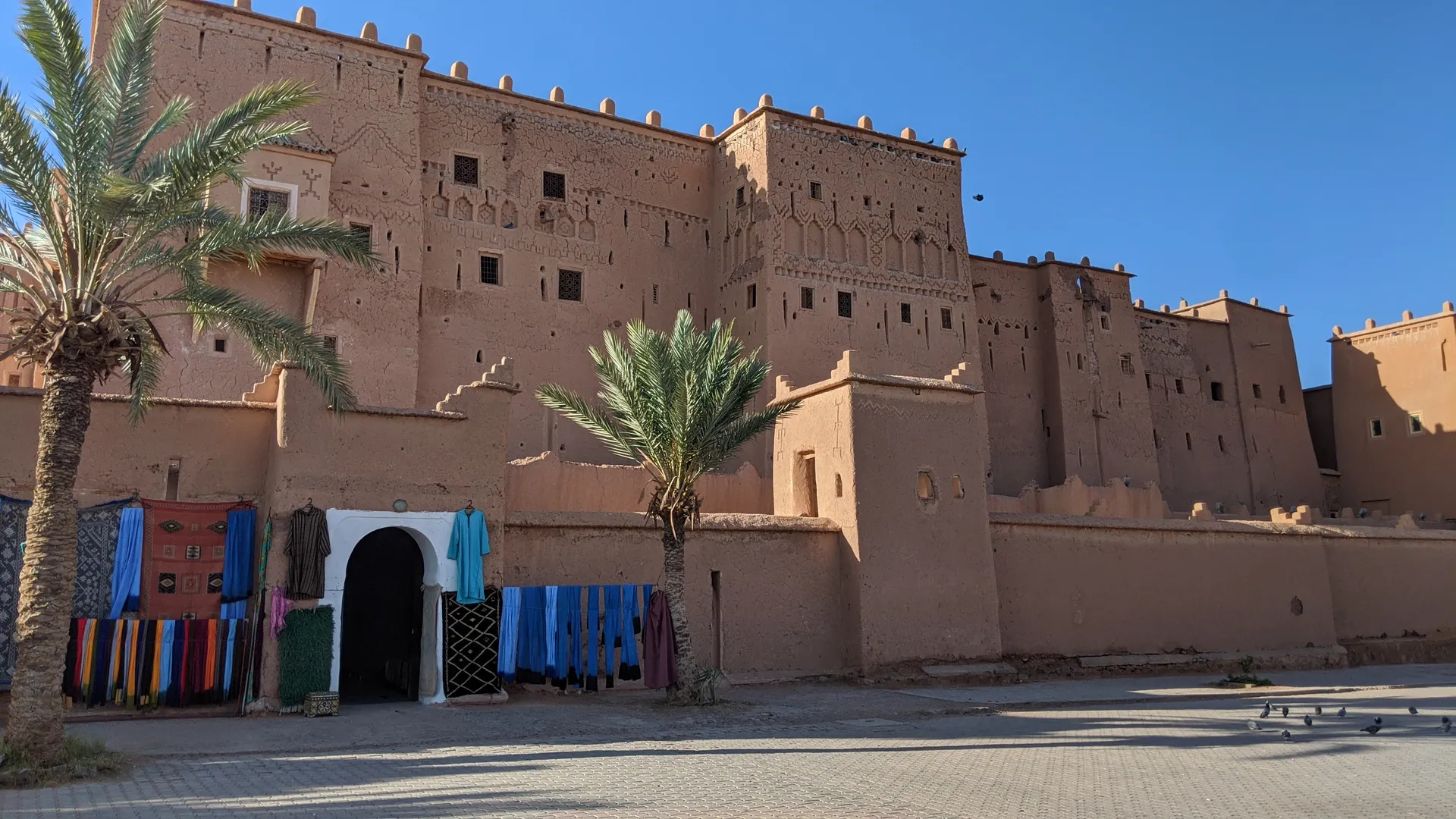
On the plus side, Ouarzazate is cheap, quiet, and visually striking, with the earthen Taourirt Kasbah, the Atlas Film Studios (locally nicknamed Ouallywood, having hosted major international productions), and quick access to Ait Benhaddou's UNESCO-listed ksar and the Draa valley's palm oases all within easy reach. It is also a low-hassle base compared to bigger tourist hubs, with a manageable size, friendly locals, and a genuine sense of desert-edge Morocco rather than a polished resort town. On the downside, English is limited outside hotels and tour operations, so basic French or a few words of Arabic or Darija go a long way for daily life. Wifi is inconsistent, there is no coworking scene, and the town itself is more functional than beautiful, built around the tourism and film industries rather than for its own charm. Around the kasbah and major sights there is some hustle from guides and vendors, which is manageable but worth expecting. Summer heat is extreme, and the town can feel sleepy or short on things to do once you have seen the main sights, especially for anyone used to more amenity-rich nomad hubs.
Who Ouarzazate Is For
Ouarzazate suits nomads who want a cheap, quiet, slow-paced base with easy access to genuine desert landscapes, film history, and UNESCO-listed architecture, and who do not need fast wifi, nightlife, or a polished expat scene to be happy. It works well for photographers, writers, and remote workers doing focused, lower-bandwidth work who value dramatic scenery and proximity to Ait Benhaddou, the Draa valley, and Sahara gateway towns like Zagora or Merzouga. It is a poor fit for anyone who needs reliable fast internet for video-heavy work, wants an active social or nightlife scene, or is not comfortable with limited English and a fairly bare-bones, functional town. Think of it less as a long-term coworking hub and more as an atmospheric, budget-friendly base for a few weeks of quiet, desert-adjacent living, ideally paired with side trips into the Atlas and the Sahara.