Cost of Living in Copacabana
Where this figure comes from. No cost survey covers Copacabana, so the $600 a month above is our own estimate rather than a measurement. On 416 of our 999 city guides the figure is built from a published Numbeo basket, a one-bedroom rent in the centre plus one person's monthly costs without rent, converted to USD; this city is not one of them. How we source everything.
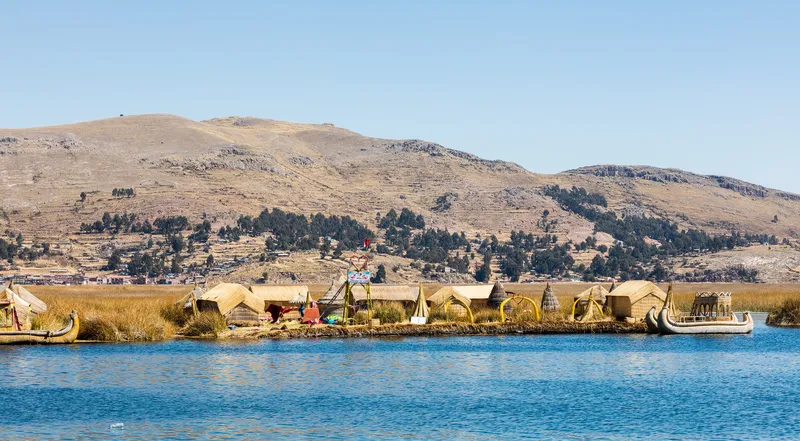
Copacabana (Bolivia) is one of the cheapest lakeside towns you will find anywhere, though that reflects its size and simple infrastructure rather than any digital-nomad polish. A frugal traveller can live on roughly $500 to $700 a month, while $700 to $900 buys a more comfortable room, daily restaurant meals, and regular boat trips. Prices climb a little during major pilgrimage weekends and the dry-season peak. Because the town is small and cash-driven, budget for Bolivianos in hand, since card acceptance and reliable ATMs are limited. Lake trout is what the town eats: the stalls along the beachfront fry or grill it all day, the fish was introduced to Titicaca in the last century and is now farmed in cages offshore, and a plate of it is the cheapest good meal in town. One small recurring cost catches walkers out, since the communities on Isla del Sol each charge a modest entry fee as you cross their land, collected in cash on the path.
- Basic guesthouse or hostel private room: roughly $10 to $20 per night.
- Set lunch (almuerzo) or a lake-trout plate: about $2 to $6.
- Boat trip to Isla del Sol: around $3 to $6 return.
- Local bus to La Paz: roughly $3 to $5.
- Bring cash; ATMs are few and occasionally out of service.
Where to Work in Copacabana
Copacabana (Bolivia) makes a thin work base, and the reasons are plain enough: coworking does not exist here in any real sense, the wifi is basic and inconsistent, and at 3,800m both the connection and the power supply are temperamental. A handful of lakefront cafes and better guesthouses offer usable signal for email and light tasks, but video calls and heavy uploads are a gamble. Buy a local Entel or Tigo SIM in La Paz or in town and load data as a backup, and manage expectations accordingly. The altitude itself is the bigger factor: acclimatize before you try to focus.
- Arrive from La Paz or Cusco so you are already partly acclimatized.
- Hydrate heavily, rest on day one, and go easy on alcohol.
- Sip coca tea (mate de coca), a common local remedy for soroche.
- Carry an Entel or Tigo SIM as a hotspot backup for patchy cafe wifi.
Getting Around Copacabana
The town itself is tiny and walkable, clustered between the Basilica and the harbour, though every uphill block feels steep and breathless at this altitude, so pace yourself. The real transport is by water and by road. Wooden launches leave the harbour for the sacred Isla del Sol, the Inca birthplace of the sun, and the quieter Isla de la Luna. Buses run to La Paz in about 3.5 to 4 hours, including the short vehicle-ferry crossing of the Tiquina strait, and others head across the nearby Peruvian border toward Puno and Cusco. There is no airport; La Paz is the gateway. The ferry stage has a routine of its own: passengers leave the bus and cross the strait in a small motor launch for a few bolivianos, while the bus floats over separately on a wooden barge, and the two meet on the far side. It also explains why the town feels more remote from La Paz than its distance implies: the peninsula it sits on joins the rest of Bolivia only by water or by a road through Peru.
- On foot for the compact center, Cerro Calvario, and the lakefront.
- Harbour launches to Isla del Sol and Isla de la Luna.
- Buses to La Paz via the Tiquina strait ferry crossing.
- Cross-border buses to Puno and Cusco in Peru.
Sorting transport? Book an airport transfer, or compare car rental on Auto Europe and QEEQ.
Visas for Copacabana
Copacabana (Bolivia) follows Bolivia's national entry rules, so plan at the country level rather than the town. Many nationalities receive a tourist stay of commonly up to 90 days within a calendar year, sometimes granted in shorter increments and extendable at a migration office. United States citizens no longer need the reciprocity visa that cost them $160 for years, because Bolivia returned them to its visa-free group on 1 December 2025. If you continue toward Puno or Cusco, the land border with Peru is a straightforward stamp-out, stamp-in crossing near Kasani. The Peruvian border post is a short ride from the plaza, and crossing it moves the clock back an hour, since Peru keeps time an hour behind Bolivia, which matters when an onward bus in Puno is booked to the minute.
- Tourist entry commonly up to 90 days per year for many passports.
- US citizens have entered visa-free since December 2025; a few other nationalities still need a visa in advance.
- The Peru border crossing near Kasani is quick and well used.
Best Time to Visit Copacabana
The dry season, roughly May to October, is the clear favourite for Copacabana (Bolivia): sunny days, sharp blue skies over Lake Titicaca, and the best conditions for boat trips and hiking Cerro Calvario. The trade-off is genuinely cold nights, sometimes below freezing, thanks to the altitude. The wet season, roughly November to March, brings milder daytime feel but cloudier skies, occasional rain, and muddier trails. Whichever season you pick, it stays cold year-round once the sun drops, so pack layers, a warm jacket, and sun protection for the intense high-altitude daytime glare. The town's own calendar adds two crowded windows: the feast of the Virgin of Candelaria at the start of February and the national holidays in early August both bring pilgrims to the basilica, so book a room ahead, or avoid those dates if you want the lakefront quiet.
- May to October: driest, clearest, best for islands and hiking.
- November to March: milder by day, cloudier and wetter.
- Cold nights all year; layers and sun protection are essential.
Pros and Cons of Copacabana
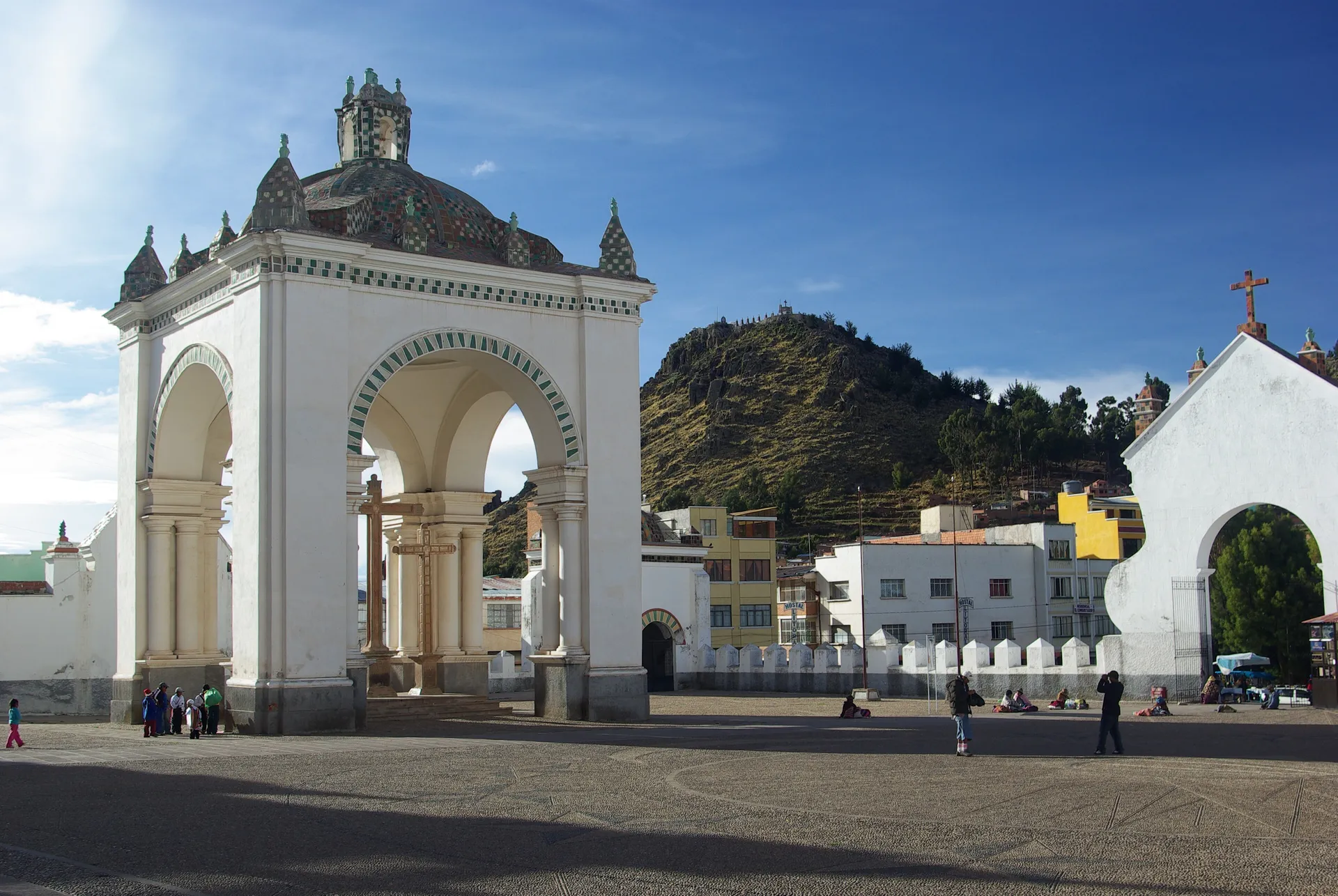
Copacabana (Bolivia) rewards travellers who want scenery, culture, and calm over connectivity and comfort. The setting on the shore of the highest large lake in the world is genuinely stunning, the pilgrimage-and-Inca history is rich, and costs are tiny. But the infrastructure is basic, the wifi unreliable, nights are cold, and the altitude affects nearly everyone. It is a backpacker town, not a nomad hub, so temper any expectation of a productive remote-work base. Weigh the honest trade-offs below before deciding how long to stay. What sets the town apart from other lake stops is its life as a shrine. Most mornings, and above all at weekends, minibuses and new cars queue outside the Moorish-style basilica to be blessed with flowers, beer and holy water in a ritual called the ch'alla, which owners trust to protect them on Bolivia's roads, and it is the most unexpected sight in town. Against that, the lake is far too cold for much swimming at this altitude, which surprises anyone who sees the beach first.
- Pro: breathtaking Lake Titicaca views and easy island access.
- Pro: very low costs and a relaxed, friendly pace.
- Con: basic, variable wifi and no real coworking.
- Con: high altitude and cold nights affect most visitors.
Who Copacabana Is For
Copacabana (Bolivia) suits slow travellers, culture seekers, and hikers who want a short, scenic pause rather than a place to grind out work. It is ideal if you are threading the La Paz to Cusco route, want to walk the Isla del Sol ridgelines, or simply crave a few quiet days by an astonishing lake. It is a poor fit for anyone needing dependable internet, warm evenings, nightlife, or a settled monthly base. Treat it as a memorable few-day stop between larger hubs, plan your work around it rather than in it, and let the altitude set your pace. It also fits an overlander heading north into Peru, since a few days at this altitude prepare the body for the highlands that follow far better than arriving there straight from the lowlands.
- Great for: slow-travel stopovers, hikers, and history lovers.
- Great for: budget travellers on the Bolivia to Peru circuit.
- Not for: remote workers needing reliable wifi or warm nights.